Category
Manufacturer
Model
Elf
Elf is recognized for its advanced packaging machinery, catering primarily to the food and beverage industry. The company offers a variety of machines, including filling, sealing, and labeling equipment, designed to improve efficiency and reduce waste in production lines. Elf’s commitment to innovation has made it a popular choice among manufacturers looking to enhance their packaging processes.
FAQ:
What types of packaging machinery does Elf manufacture?
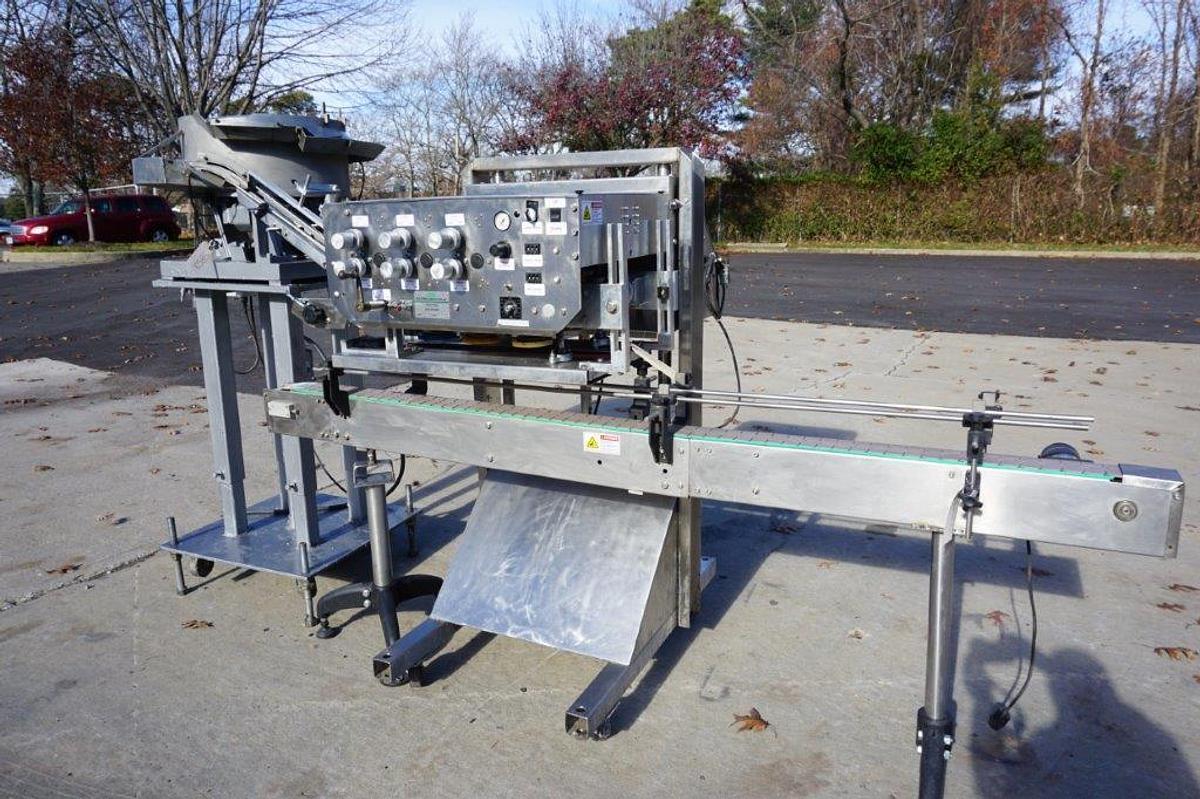
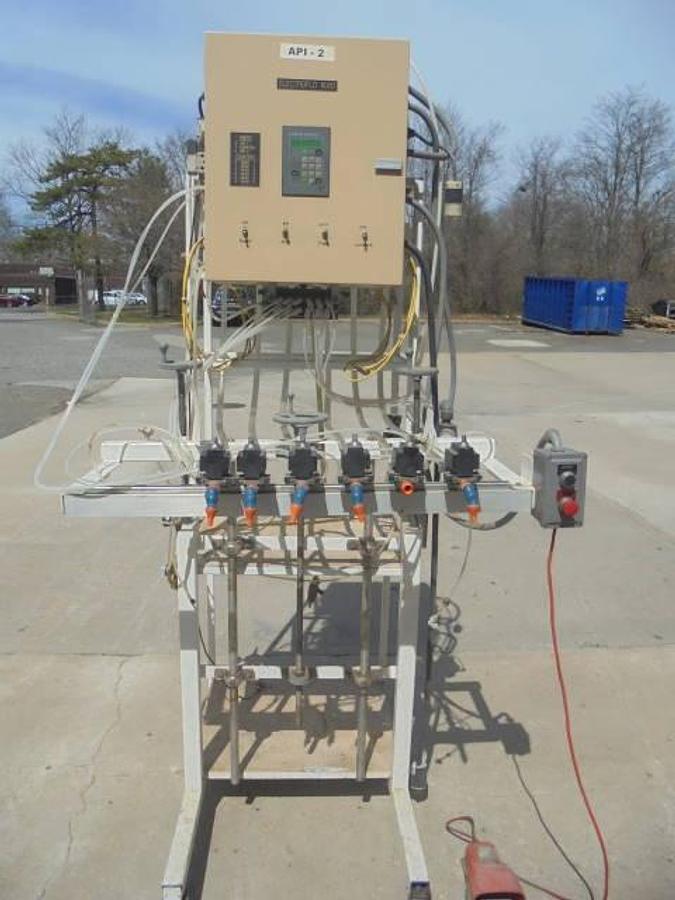
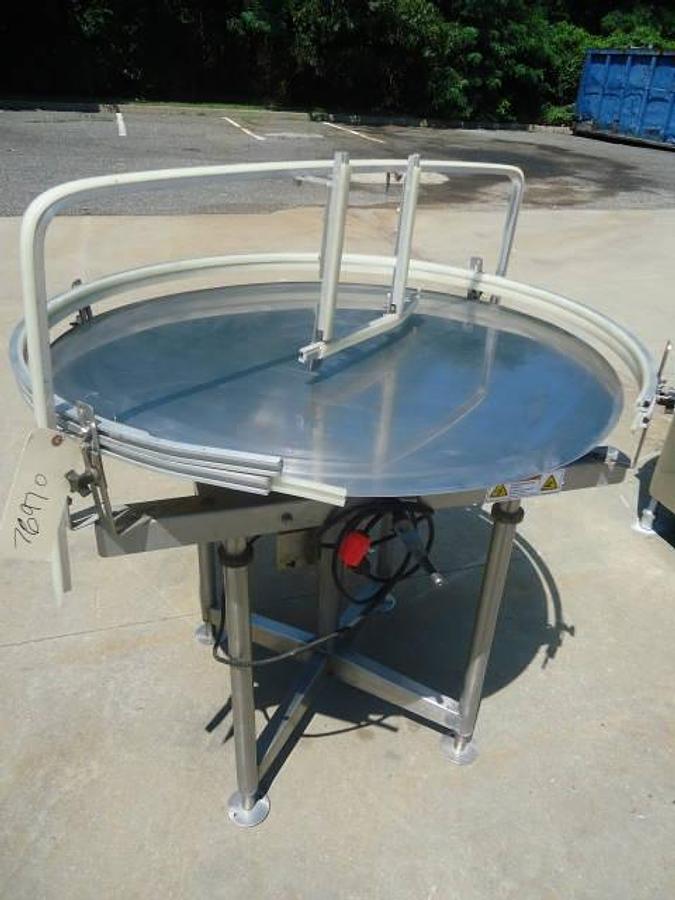
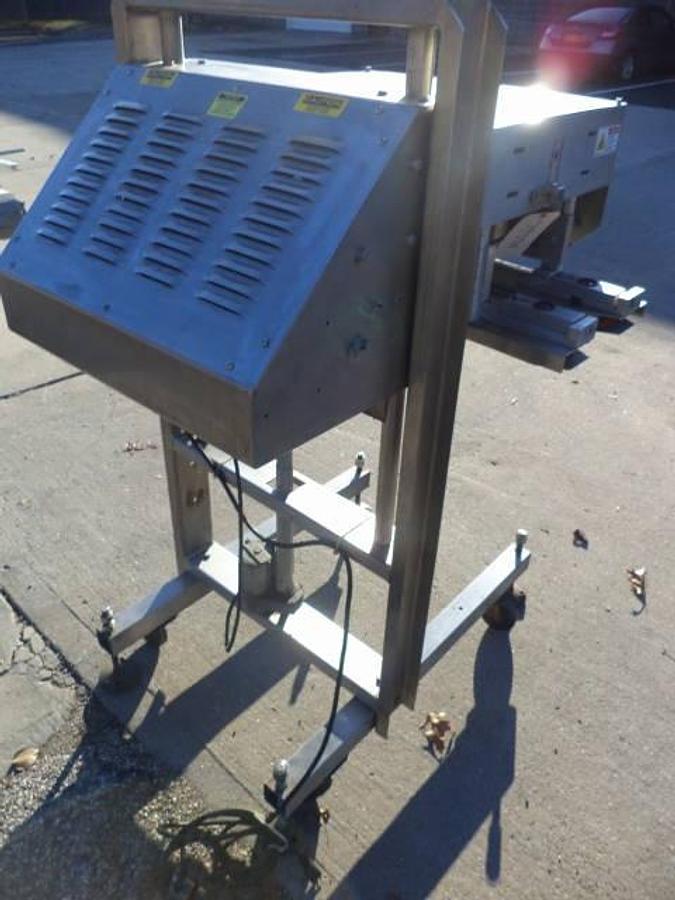
Elf produces a range of packaging equipment aimed primarily at the food and beverage industry, though its machines also find use in cosmetic, pharmaceutical, and general industrial production lines. The core product lineup includes liquid filling machines, automatic screw capping machines, rotary tables, gap transporters, and labeling equipment. Specific models include multi-spindle cappers like the CT600 Six Spindle Automatic Screw Capping Machine, multi-head liquid fillers such as the Six Head Electroflo 6000, and stainless steel rotary tables for product handling and accumulation.
The variety within the Elf lineup means buyers can often source multiple pieces of complementary equipment from the same manufacturer, which can simplify integration on a packaging line. Machines are frequently built with stainless steel frames, making them suitable for sanitary environments where washdown and corrosion resistance matter. Whether a facility needs to cap bottles, fill containers with liquid product, or move product between stations, Elf has historically offered equipment to address each stage of that process.
What should buyers know about purchasing used Elf packaging machinery?
Buying used Elf packaging equipment is a practical way to access reliable, industrial-grade machinery at a fraction of the cost of purchasing comparable equipment in unused condition. Used machines are sold as-is, which means the responsibility for verifying condition, functionality, and suitability for a specific application falls squarely on the buyer. This makes the inspection process critical. Reputable used equipment dealers will typically offer in-person inspections, video walkthroughs, or recorded footage of the machine so buyers can assess its current working order before committing to a purchase.
Buyers should also consult with the manufacturer directly to understand what level of technical support and parts availability they can expect for the specific model and age of machine they are considering. Older models may have limited parts availability, which is worth factoring into the total cost of ownership. Selecting a dealer with a long track record in packaging machinery specifically, rather than a general reseller, gives buyers a better chance of getting accurate information about the machine's history and condition.
What is the typical price range for used Elf packaging machines?
Pricing for used Elf packaging machinery varies considerably depending on the machine type, automation level, age, and overall condition. Semi-automatic units or simpler pieces of equipment like rotary tables and portable transporters tend to sit at the lower end of the used market, often ranging from a few thousand dollars up to around ten thousand. Fully automated systems such as multi-head liquid fillers or six-spindle automatic capping machines can run significantly higher, sometimes reaching into the tens of thousands of dollars depending on the configuration and how recently the equipment was in active production.
It is worth noting that the listed price is rarely the full cost. Buyers should account for rigging, crating or palletization, freight, and any reconditioning or spare parts needed once the machine arrives. Getting a clear picture of the total landed cost before agreeing to purchase helps avoid budget surprises. Dealers who specialize in packaging machinery can usually provide itemized estimates for these additional costs, which makes comparison between different machines and sellers more straightforward.
What products can Elf liquid filling machines handle?
Elf liquid fillers, including models like the Six Head Electroflo 6000, are designed to handle a broad range of liquid and semi-liquid products. Common applications include water, juices, sauces, oils, cleaning products, and other pourable substances used in food, beverage, and household product manufacturing. The specific viscosity range a machine can handle depends on the fill heads and pump configuration, so buyers should verify that the model they are considering is appropriate for their particular product before purchasing.
For used machines, it is especially important to understand what products the machine was previously running, as residue, wear patterns, and component condition can all be influenced by prior use. A machine that ran thin, water-like liquids will have different wear characteristics than one used for thick, viscous sauces or adhesives. Inspecting the fill heads, seals, and tubing during a pre-purchase inspection is a practical way to gauge how well the machine was maintained and whether it is ready for the buyer's intended application.
How do Elf capping machines work, and what cap types do they handle?
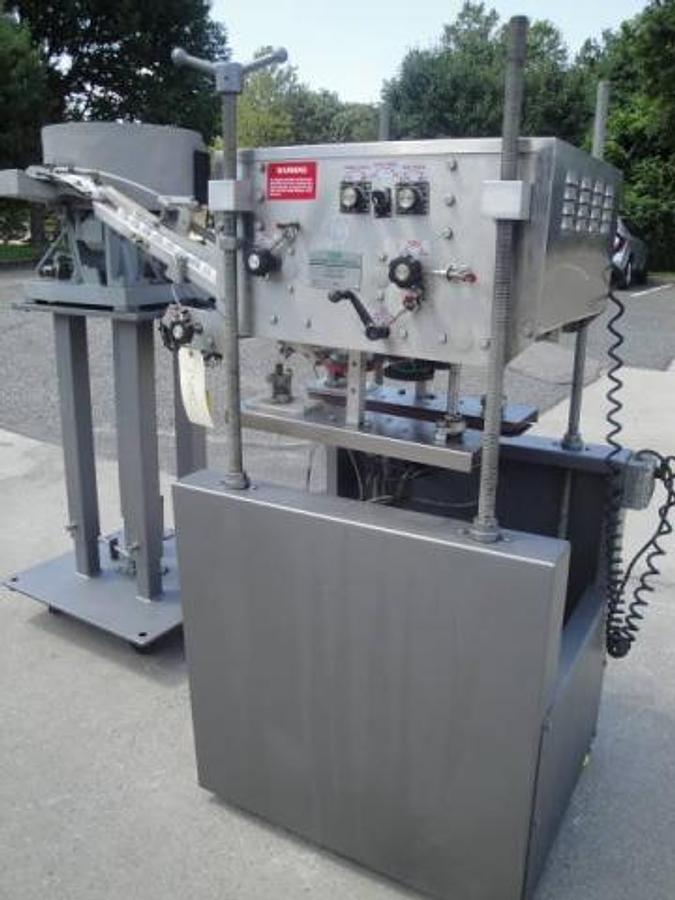
Elf capping machines use a spindle-based system to apply screw caps to bottles and containers moving along a production line. The CT600 Six Spindle Automatic Screw Capping Machine, for example, uses multiple spinning discs or spindles arranged in sequence to progressively tighten caps to the correct torque as containers pass through. This approach allows for consistent, high-speed capping without requiring manual intervention at each container. The adjustable four-spindle capper with bowl feeder in the Elf lineup adds automatic cap sorting and delivery, reducing the need for manual cap placement.
In terms of cap compatibility, spindle cappers are generally well-suited for standard threaded screw caps across a range of sizes, including those common in food, beverage, and personal care packaging. The adjustability built into models like the four-spindle capper allows operators to accommodate different container heights and cap diameters within certain ranges. Buyers purchasing used capping equipment should confirm the size range the machine was set up for and whether the change parts needed for their specific containers are included with the sale or need to be sourced separately.
Are Elf packaging machines suitable for small or mid-sized production facilities?
Elf equipment has historically been used across a range of production scales, and used Elf machines can be a reasonable fit for small to mid-sized operations that need reliable, industrial-grade equipment without the capital outlay of purchasing comparable machinery unused. A six-head liquid filler or a six-spindle capper, for instance, offers meaningful throughput capacity for a facility that has outgrown manual or semi-automatic processes but does not yet need the highest-speed automated lines found in large-scale plants.
That said, buyers from smaller operations should pay close attention to the machine's footprint, power requirements, and the level of technical expertise needed to operate and maintain it. Stainless steel rotary tables and portable gap transporters from the Elf lineup tend to be more accessible entry points, as they are simpler in design and easier to integrate into an existing line. For more complex machines like automatic fillers and cappers, having a technician or experienced operator available during installation and initial startup is advisable, particularly with used equipment where documentation and prior setup records may be incomplete.
What electrical and utility requirements should buyers verify before purchasing used Elf packaging equipment?
Electrical compatibility is one of the most commonly overlooked details in used packaging machinery purchases, and it deserves careful attention before any transaction is finalized. Elf machines, like most industrial packaging equipment, are built to specific voltage and frequency standards that may differ from what is available at the buyer's facility. A machine configured for 220V single-phase power will not run correctly on a 480V three-phase supply without modification, and vice versa. Buyers should confirm the machine's electrical specifications with the dealer and compare them against their facility's available power before purchasing.
Beyond voltage and phase, buyers should also consider compressed air requirements for pneumatically driven components, water supply needs for washdown or cooling, and the physical space required for safe installation and operation. For imported machines or equipment originally sold in different markets, frequency differences between 50Hz and 60Hz systems can affect motor speed and overall machine performance. Consulting with an electrician or machinery technician familiar with packaging equipment before finalizing a purchase is a straightforward way to avoid costly surprises after delivery.
How does the inspection process work for used Elf packaging machinery?
Inspection options for used packaging equipment typically fall into three categories: in-person visits, live video calls, and pre-recorded video documentation. In-person inspections give buyers the most complete picture of a machine's condition, allowing them to examine wear on mechanical components, check for corrosion or damage on stainless steel surfaces, and assess the overall cleanliness and maintenance history of the equipment. Some machines may still be installed and running at the facility where they are being decommissioned, which can allow buyers to observe the equipment in operation, though testing with actual production product is generally not possible at a dealer's location due to permitting and production environment requirements.
For buyers who cannot travel, a video inspection conducted by the dealer or a third-party inspector is a practical alternative. The goal in any inspection format is to get an honest, accurate representation of the machine's current condition and any known issues. Buyers should prepare a list of specific items to examine during the inspection, including the condition of fill heads, spindles, seals, belts, and control panels. Asking the dealer to demonstrate any available functions, even without product running, can reveal mechanical issues that static photos would not show. Dealers with experience in packaging machinery will generally be familiar with the common wear points on specific Elf models and can address those directly during the inspection.
What are the shipping and logistics considerations for used Elf packaging machinery?
Shipping industrial packaging equipment requires more planning than standard freight. Machines need to be properly palletized or crated to prevent damage in transit, and the level of packaging required depends on the machine's size, weight, and fragility. Smaller pieces like portable gap transporters or rotary tables may ship on a standard pallet with appropriate blocking and bracing, while larger automated filling and capping systems often require custom wooden crates to protect moving parts and exposed components. The cost of crating is typically passed on to the buyer and should be factored into the total purchase budget.
For heavier machines, rigging is an additional consideration. Loading a multi-head liquid filler or a six-spindle capping machine onto a truck requires a forklift or crane, and unloading at the destination requires the same. Buyers who do not have rigging equipment at their facility will need to arrange for a rigging service, which adds to the landed cost. Before finalizing a purchase, buyers should ask the dealer for a complete breakdown of packaging, rigging, and freight charges so there are no unexpected costs when the machine arrives. Freight quotes can vary significantly based on origin, destination, carrier, and the mode of transport selected.
Are replacement parts and technical support available for used Elf packaging machines?
Parts availability for used Elf packaging equipment depends largely on the age and model of the machine in question. Contacting Elf or their authorized service network directly is the most reliable way to determine whether replacement parts are still being produced or stocked for a specific model. For older machines that are no longer actively supported by the manufacturer, buyers may need to rely on third-party parts suppliers, machine shops capable of fabricating custom components, or spare parts sourced from other used machines of the same model.
Technical support follows a similar pattern. Manufacturers generally provide better support for more recent models, while older equipment may have limited documentation available. When purchasing used machinery, buyers should ask the dealer whether any manuals, wiring diagrams, or maintenance records are included with the sale, as this documentation can be invaluable for troubleshooting and routine maintenance. Building a relationship with a technician or service company experienced with packaging machinery before the equipment arrives is a practical step that can reduce downtime during installation and early operation.