Category
Manufacturer
Model
Econocorp
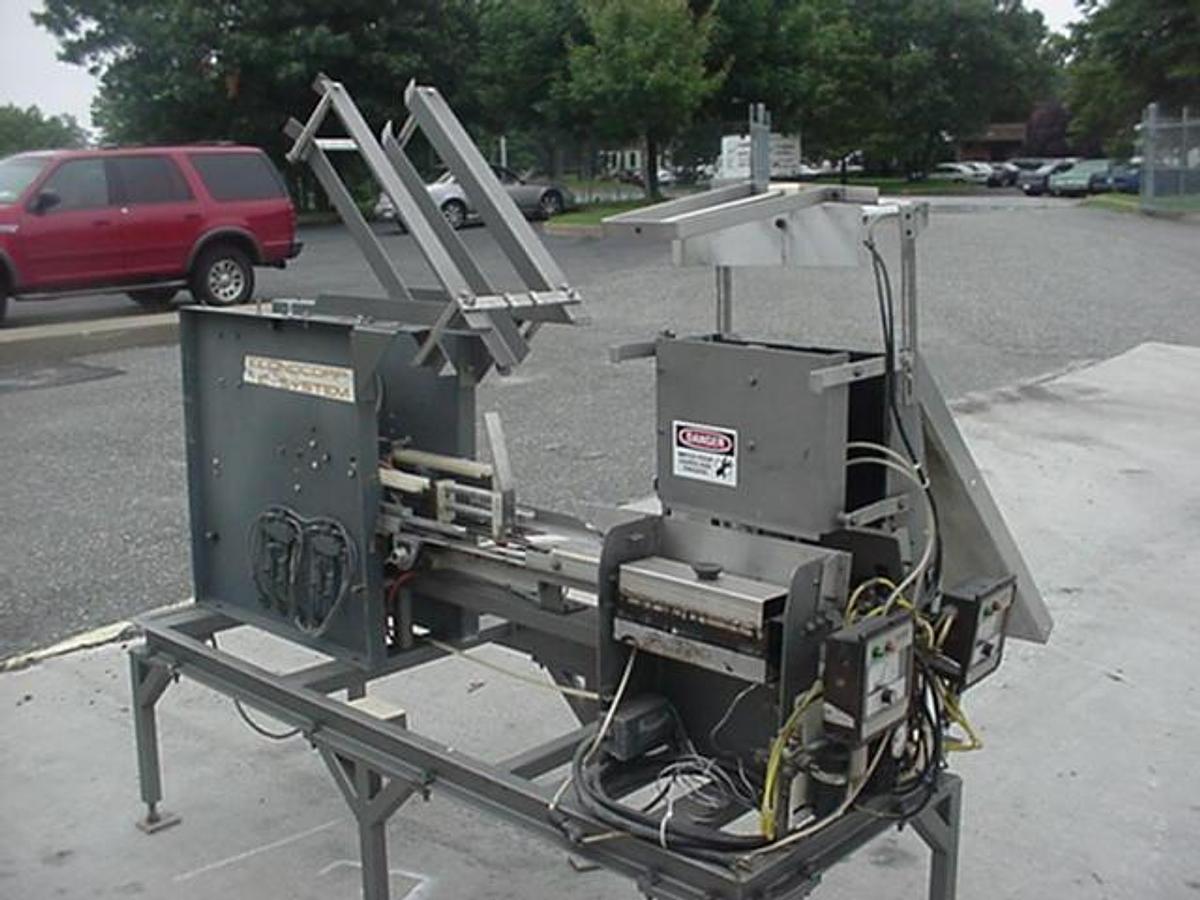
Econocorp is known for economical cartoning and tray forming machines, catering to industries such as food, beverage, and pharmaceuticals. Their equipment is praised for its simplicity, reliability, and cost-effectiveness, making them ideal for companies with moderate production needs.
FAQ:
What types of Econocorp cartoning machines are commonly available on the used equipment market?
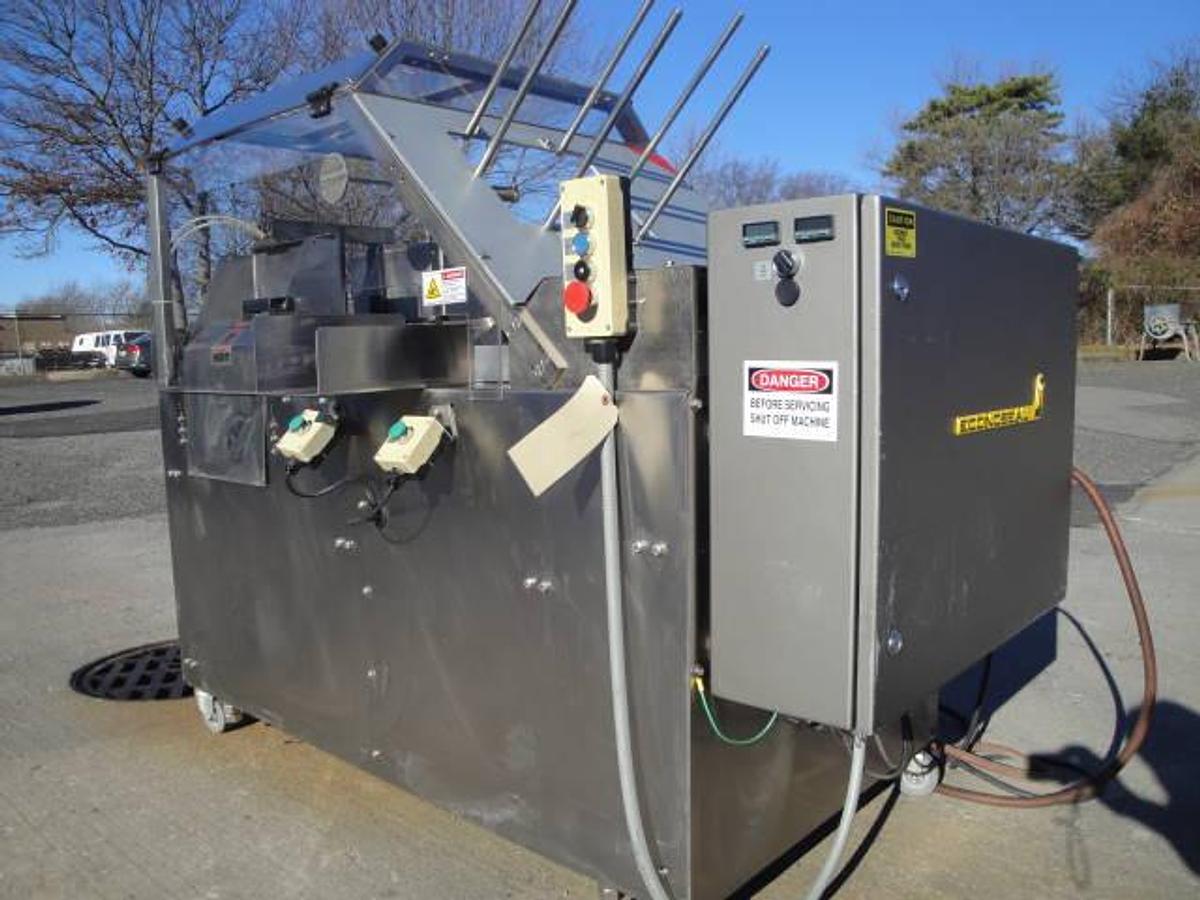
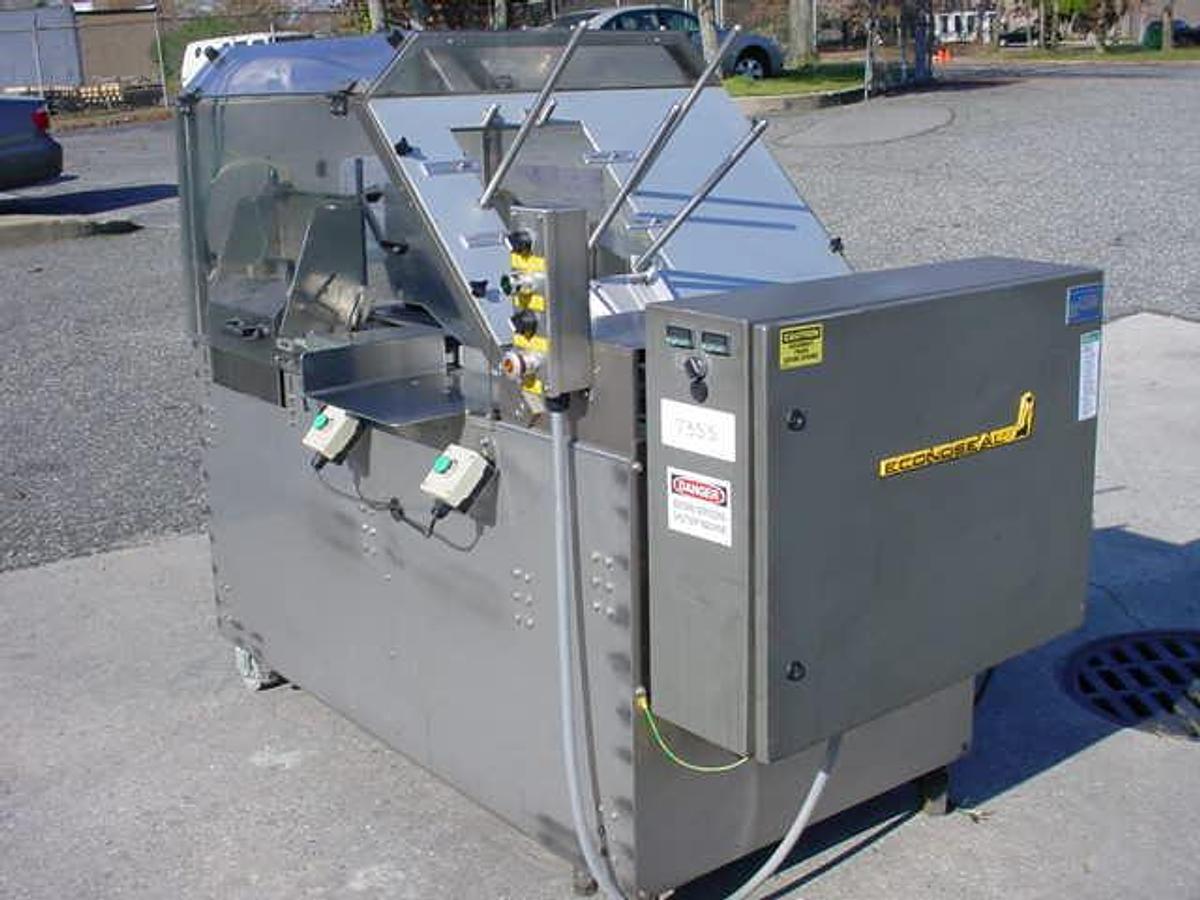
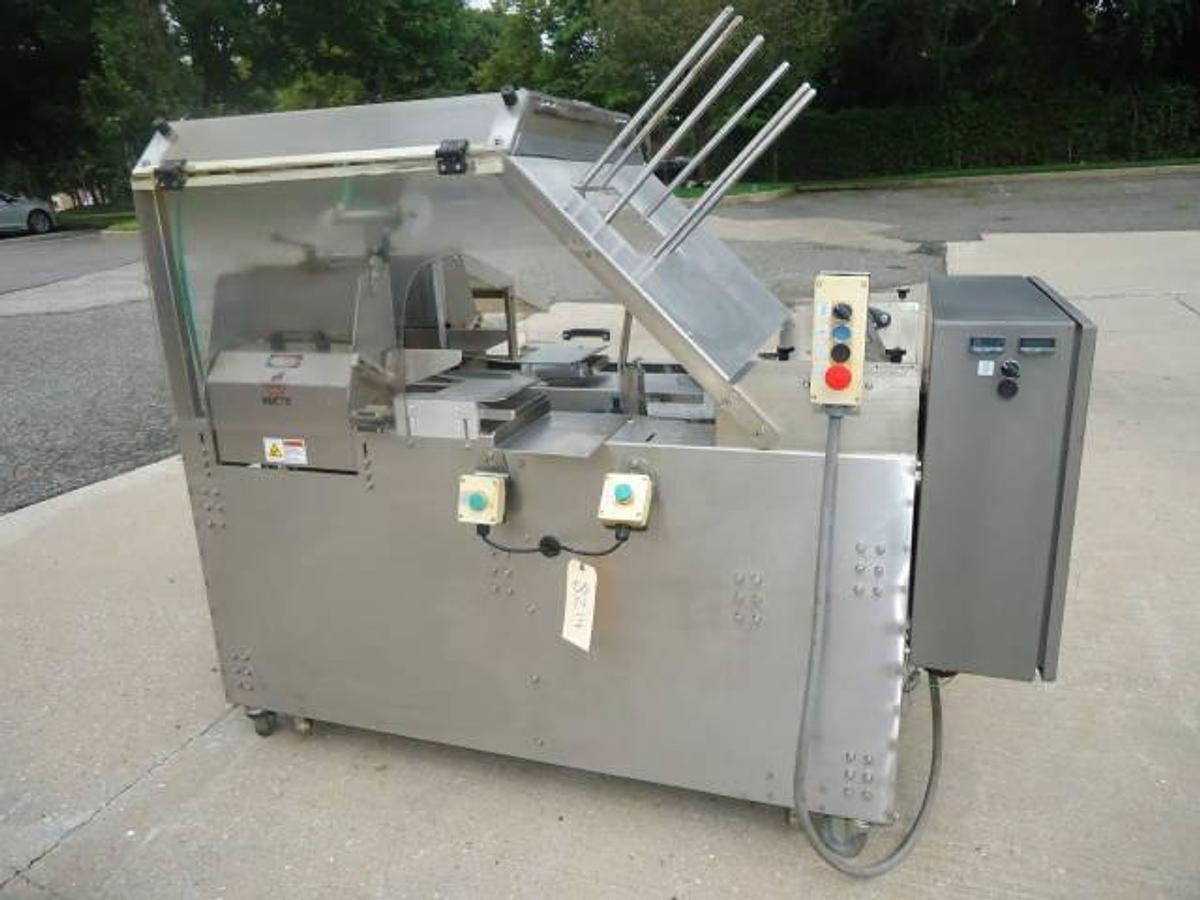
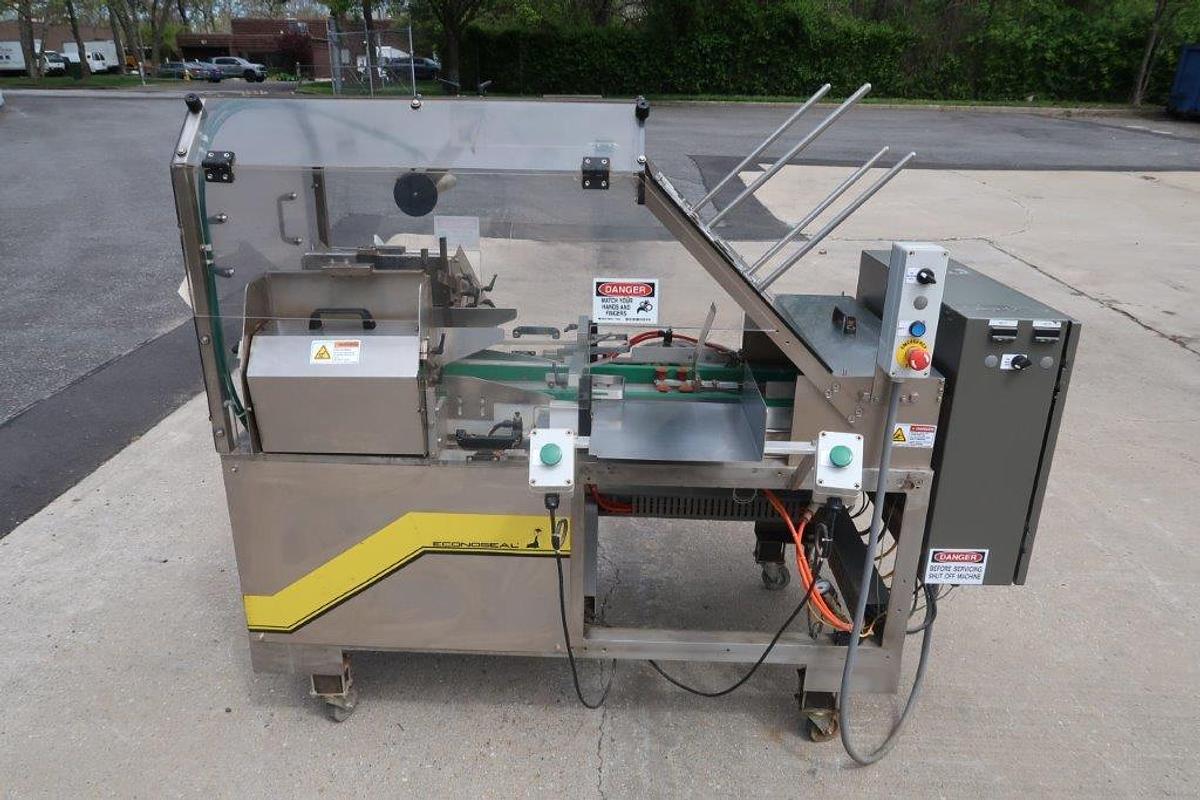
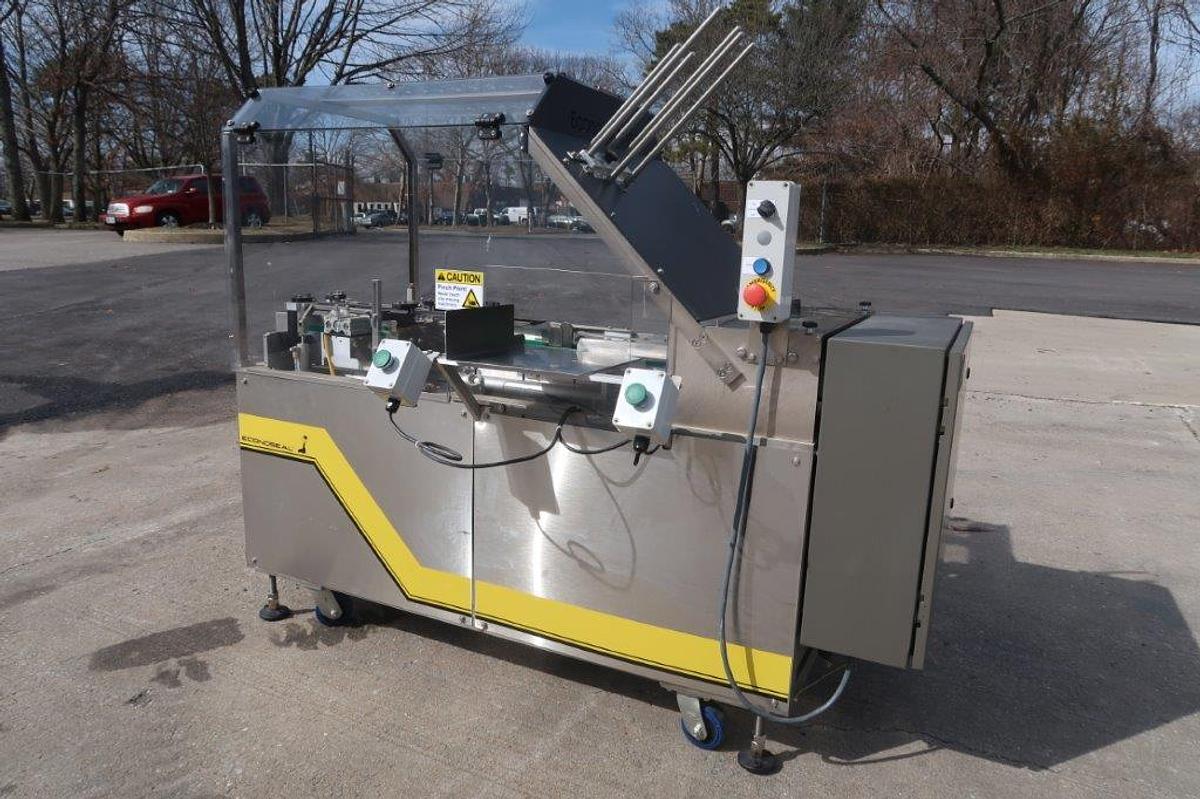
Econocorp has built a long-standing reputation for producing semi-automatic and fully automatic cartoning machines, and several model lines appear regularly on the secondary market. The E-2000 Econoseal is one of the most frequently listed models, available in both standard and stainless steel configurations, with hot melt or hot glue sealing systems. The sleeve-style automatic cartoner is another model that surfaces in used equipment listings, along with horizontal auto cartoners from various production years. Econocorp's Spartan and Econopack lines are also well recognized among packaging professionals and tend to hold their value well in resale.
Beyond specific models, used Econocorp machines typically fall into two broad categories: end-load horizontal cartoners and tray-forming equipment. Hot melt sealing configurations are particularly common since they suit a wide range of industries. Buyers looking for stainless steel versions generally have pharmaceutical or food-grade processing requirements in mind, as those builds meet stricter sanitation standards. The variety of models available on the used market reflects how widely Econocorp equipment was adopted across industries over several decades of production.
What industries are Econocorp cartoning machines best suited for?
Econocorp cartoning machines have found a home across several industries, primarily because of their mechanical simplicity, reliability, and cost-effectiveness at moderate production volumes. The pharmaceutical industry has historically been a strong user of Econocorp equipment, particularly for boxing bottles, blister packs, tubes, and folded inserts. Food and beverage manufacturers use these machines for cartoning snack products, dry goods, and bottled items. Cosmetics and personal care companies also rely on Econocorp cartoners for boxing tubes, jars, and other retail-packaged goods.
Beyond those core sectors, consumer goods manufacturers with moderate throughput needs have found Econocorp machines to be a practical fit. The machines are not designed for the highest-speed production environments, but for facilities running at moderate line speeds, they offer a dependable and straightforward solution. Their ease of operation means less specialized labor is required to run them, which is a real advantage for smaller production teams. The availability of stainless steel models makes them adaptable to regulated environments where sanitation and cleanability are priorities.
What is the typical production speed of an Econocorp cartoning machine?
Econocorp cartoning machines are generally designed for moderate production speeds rather than the high-output rates associated with large-scale automated packaging lines. Depending on the model and configuration, these machines typically operate in a range of roughly 20 to 60 cartons per minute, though specific throughput will vary based on carton size, product type, and the condition of the individual machine. The E-2000 series, which is one of the most common models found on the used market, is built for consistent, reliable output at speeds that suit mid-volume production environments.
Buyers evaluating a used Econocorp machine should ask the seller for documentation on the machine's rated speed and, where possible, request a video or in-person inspection to observe the machine running. Keep in mind that actual throughput on a used machine may differ from the manufacturer's rated specifications depending on age, wear, and maintenance history. For operations that need higher speeds, Econocorp equipment may serve well as a secondary line or for lower-volume SKUs, while higher-speed cartoners handle primary production.
What carton styles and sizes do Econocorp machines handle?
Econocorp machines are primarily designed for end-load horizontal cartoning, where the product is inserted into the open end of a folded carton before the flaps are closed and sealed. This style is common across pharmaceuticals, food products, and consumer goods. The E-2000 Econoseal series, for example, handles standard folding cartons with either hot glue or hot melt sealing closures. Some models also accommodate sleeve-style cartons, which wrap around the product rather than fully enclosing it, offering a different presentation for retail packaging.
One of the practical advantages of Econocorp equipment is that many models support a range of carton sizes through changeover tooling, meaning a single machine can run multiple SKUs with adjustments to guides, tuckers, and mandrels. The specific size range varies by model, so buyers should confirm the minimum and maximum carton dimensions a particular machine can handle before purchasing. When inspecting a used unit, it is worth asking whether any changeover parts or tooling are included with the machine, since those components can be difficult to source separately and add real value to the purchase.
Are Econocorp cartoning machines end-load or top-load?
Econocorp has historically focused on end-load horizontal cartoning, which is the most common configuration found in their product lineup and on the used equipment market. In end-load machines, the product enters the carton through the open end, and the carton flaps are then tucked or glued shut. This format works well for a wide range of products including bottles, tubes, blister packs, and pouches, and it is the dominant style used in pharmaceutical and food packaging.
Top-load cartoning, where products are dropped or placed vertically into an open-top carton, is less common in the Econocorp lineup but may appear in certain tray-forming and specialty configurations. Buyers with specific loading requirements should confirm the machine's loading style before purchasing, as this is a fundamental aspect of how the equipment integrates into a production line. An in-person or video inspection is a practical way to see exactly how the machine loads product and verify that it suits the intended application.
How available are replacement parts and technical support for used Econocorp machines?
Econocorp's reputation for mechanical simplicity is one of the main reasons these machines remain practical purchases on the secondary market. Their straightforward design means many components, including drive belts, bearings, cams, and sealing heads, are either standard industrial parts or can be fabricated by a competent machine shop. This reduces dependence on proprietary components and makes long-term maintenance more manageable compared to more complex automated systems with proprietary electronics or controls.
That said, buyers of used Econocorp equipment should contact the manufacturer directly to understand what level of support is available for a specific model and production year. Older models may have limited factory support, and parts availability can vary. Consulting with Econocorp before purchasing is a smart step, particularly for machines that are more than 15 to 20 years old. A reputable used equipment dealer should be able to provide the machine's model number and serial number upfront, which makes it easier to have that conversation with the manufacturer and assess what you are getting into before committing to a purchase.
What should buyers expect when inspecting a used Econocorp cartoning machine before purchase?
Inspection is one of the most important steps in buying any used packaging machine, and Econocorp cartoners are no exception. Reputable used equipment dealers will typically offer in-person inspections, virtual walkthroughs, or detailed video captures of the machine so buyers can assess its current condition. If the machine is still installed at a production facility, an in-person inspection can sometimes be arranged at the actual plant, where it may be possible to see the machine in operation or at least fully powered. Buyers should look closely at the condition of the sealing heads, tucker mechanisms, carton guides, drive components, and any hot melt or hot glue systems.
It is worth noting that most used equipment dealers do not have the permitting or production infrastructure to run actual product through a machine during a demo, so functional testing with live product is generally not something to expect. What buyers can reasonably expect is a clear visual inspection and, in many cases, a powered-on demonstration showing the machine cycling. Buyers should also ask whether any tooling, change parts, or manuals are included, as these significantly affect the machine's usability after purchase. Taking time to do a thorough inspection upfront reduces the risk of surprises after delivery.
What does a used Econocorp cartoning machine typically cost?
Pricing for used Econocorp cartoning machines varies depending on the model, age, condition, configuration, and any included tooling or accessories. Entry-level or older semi-automatic models can be found in the lower range of the used cartoner market, while well-maintained automatic models like the E-2000 series in stainless steel or with hot melt systems tend to command higher prices. As a general reference point, used automatic cartoners in good working condition from established manufacturers like Econocorp often fall somewhere in the range of a few thousand dollars on the low end to $30,000 or more for cleaner, more recent units with desirable features.
Buyers should factor in more than just the listed machine price. Shipping, rigging, and crating costs can add meaningfully to the total landed cost, especially for larger machines that require heavy-duty loading equipment. Any changeover tooling needed for specific carton sizes, as well as the cost of any repairs or reconditioning after delivery, should also be budgeted. Contacting the seller directly for a full quote that includes packaging, freight, and any known mechanical considerations is the best way to get an accurate picture of total acquisition cost before committing.
What are the shipping and payment considerations when buying a used Econocorp machine?
Shipping a cartoning machine requires more planning than standard freight. Econocorp machines, depending on the model, can range from several hundred pounds to well over a thousand pounds, and proper packaging is essential to prevent damage in transit. Reputable dealers will palletize or crate the machine appropriately for the shipping method, but the level of packaging can affect cost. Larger or heavier machines may also require forklift or crane rigging for loading and unloading, which adds to the total logistics expense. Buyers should ask the dealer specifically about how the machine will be packaged, what rigging is required at the destination, and what the estimated freight cost is to their facility.
On the payment side, most used equipment dealers require full payment before a machine ships. Some dealers extend payment terms to repeat customers or established buyers, but this is not the standard practice for first-time transactions. Wire transfer is the most common payment method in this market. Buyers should request a detailed invoice that itemizes the machine price, any included accessories, and all shipping-related charges so there are no surprises at delivery. Understanding the full landed cost before finalizing a purchase is a straightforward way to avoid budget overruns.
How do you evaluate a used equipment dealer selling Econocorp cartoning machines?
Buying used industrial machinery involves real risk, and the quality of the dealer matters as much as the condition of the machine. A few practical indicators of a trustworthy dealer include a verifiable track record in the packaging and processing equipment space, transparent listings that include actual photos and specifications rather than stock images, and a willingness to accommodate inspections before purchase. Dealers who specialize in packaging machinery, rather than generalist auction platforms, tend to have more relevant technical knowledge and are better positioned to answer specific questions about Econocorp models.
Buyers should also look for dealers who are upfront about the machine's condition, age, and any known issues. Since used equipment is sold as-is, the burden of due diligence falls on the buyer, which makes the dealer's transparency and responsiveness during the inquiry process a meaningful signal. A dealer who provides detailed photos, accurate specs, and honest answers to technical questions is demonstrating the kind of professionalism that reduces risk in a transaction. Checking how long the dealer has been in business and whether they have a history of selling similar packaging equipment is a reasonable starting point before engaging further.