Category
Manufacturer
Model
E-Pak
E-Pak Machinery is a leader in designing and manufacturing bottling and packaging equipment for the food, beverage, and chemical industries. Their offerings include liquid filling and capping machines that are known for their precision and adaptability to different product types.
FAQ:
What types of packaging equipment does E-Pak Machinery manufacture?
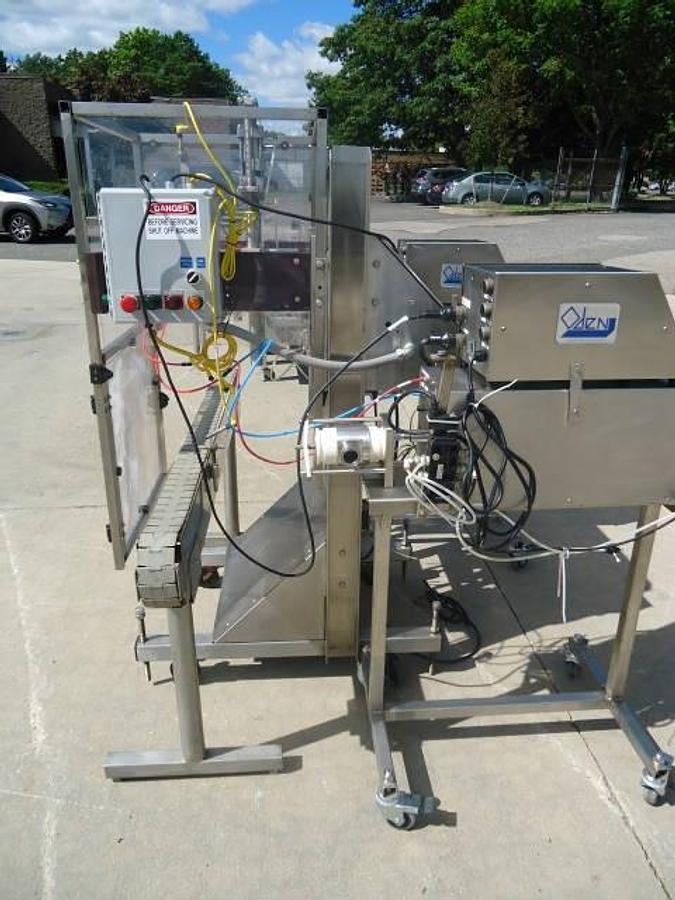
E-Pak Machinery produces a broad range of liquid filling and packaging equipment designed for small to mid-sized production operations. Their lineup includes overflow fillers, piston fillers, pump fillers, gravity fillers, spindle cappers, chuck cappers, pressure-sensitive labelers, and inline conveyor systems. They also manufacture rotary unscrambling and accumulating tables, which help organize containers before they enter a filling line. Machines are available in semi-automatic and fully automatic configurations, making E-Pak equipment a practical fit for startup operations and established manufacturers alike.
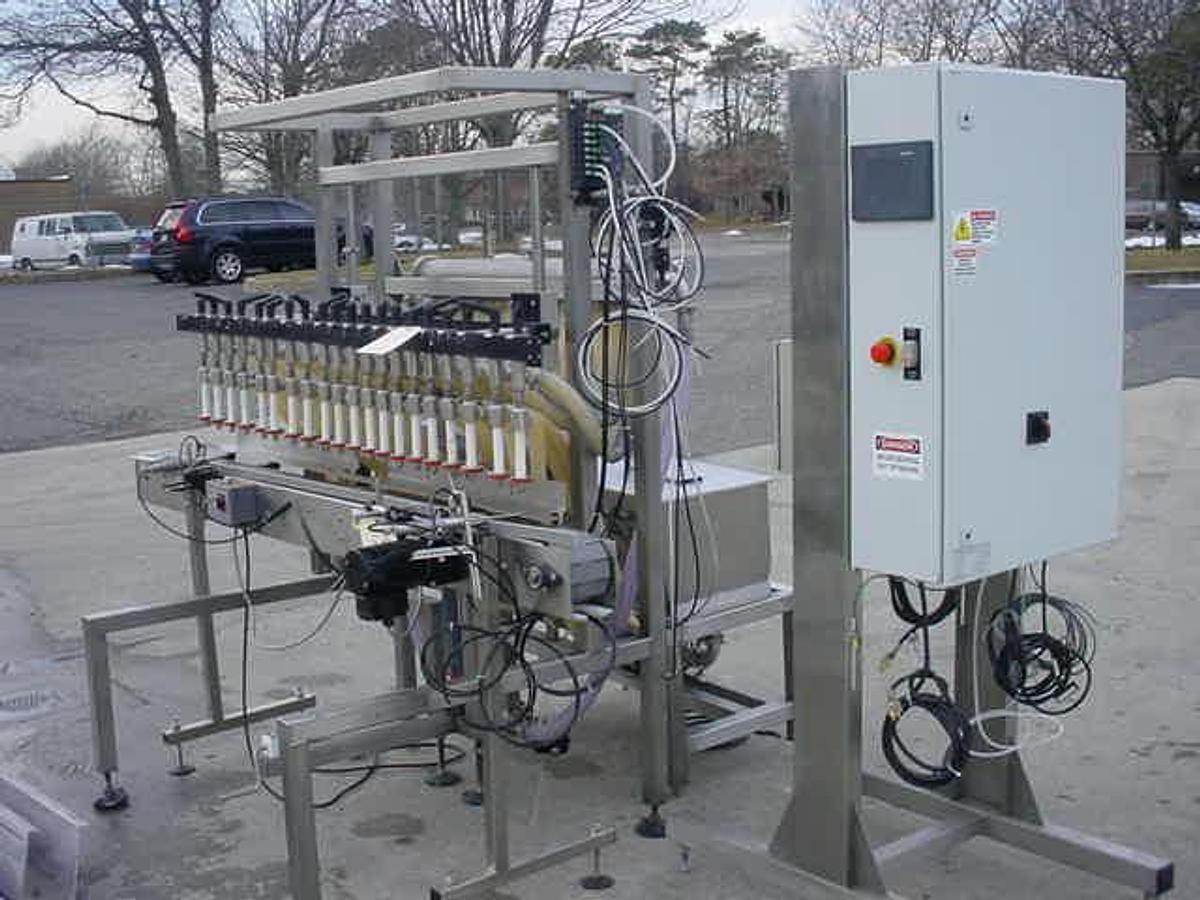
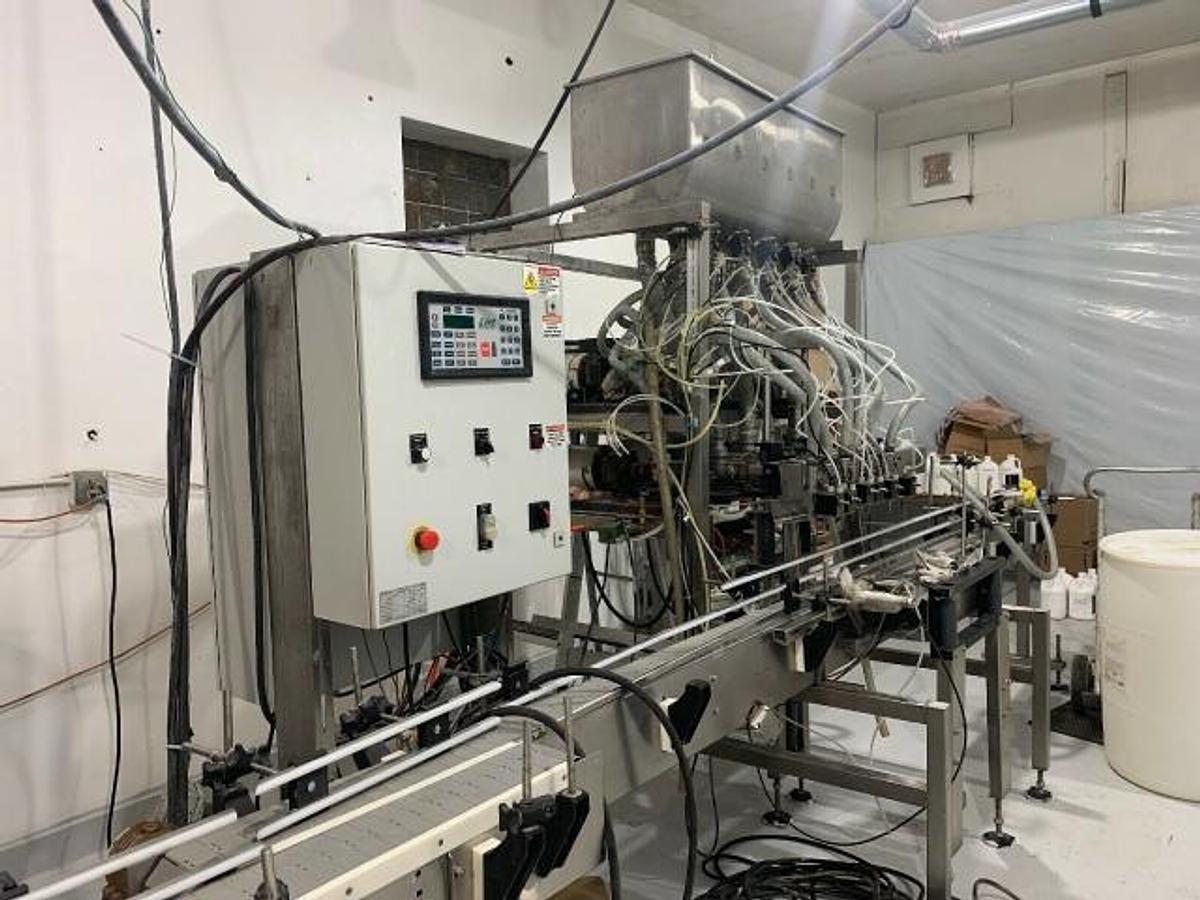
On the filling side specifically, E-Pak offers machines ranging from single or dual-head units suited to lower-volume runs all the way up to 20-head straight-line liquid fillers capable of handling high-throughput production. Pump-style fillers with positive displacement pumps are a notable part of their catalog, as these handle a wide viscosity range with good accuracy. Used E-Pak machines appear on the market in all of these categories, so buyers have a reasonable chance of finding equipment that matches their specific line requirements without purchasing a full system outright.
What industries use E-Pak packaging equipment?
E-Pak Machinery built its reputation by serving industries that require precise, repeatable liquid filling across a variety of product types and container sizes. Food and beverage producers use E-Pak fillers for sauces, oils, juices, and similar products. Cosmetics and personal care manufacturers rely on them for lotions, shampoos, and serums. Chemical and household product companies use E-Pak equipment for cleaners, solvents, and automotive fluids. Pharmaceutical and nutraceutical producers are also common users, particularly for liquid supplements and topical products.
The reason E-Pak equipment crosses so many industries comes down to the flexibility built into the machines. Pump-style and piston-style fillers can handle thin, free-flowing liquids as well as thicker, more viscous products without requiring a completely different machine. Changeover between container sizes or product types is designed to be straightforward, which matters in facilities that run multiple SKUs on a single line. This adaptability is one of the main reasons used E-Pak machines hold their appeal on the secondary market long after they leave the original production environment.
What should I know about buying used E-Pak packaging equipment versus buying from the manufacturer?
Buying used E-Pak equipment through a secondary market dealer is fundamentally different from purchasing directly from the manufacturer. Used machines are sold as-is, meaning no manufacturer warranty transfers with the sale. The responsibility for evaluating the machine's condition falls entirely on the buyer. That makes the reputation and specialization of the dealer a critical factor. A dealer with a long track record of selling packaging and bottling machinery is far better positioned to accurately represent a machine's condition than a general industrial auctioneer.
Before committing to a purchase, buyers should request an inspection, whether in person, via video call, or through detailed video footage of the machine in its current state. Some machines may still be installed and running at a facility, which gives buyers a rare opportunity to see actual production. Others will be decommissioned and in storage. Either way, consulting with E-Pak directly about parts availability and support for a specific model and age is a smart step, since older machines may have limited manufacturer support regardless of who sells them. Understanding those factors upfront prevents surprises after the equipment arrives.
How do I inspect a used E-Pak filling machine before purchasing?
Inspections are a standard part of buying used packaging equipment, and reputable dealers will offer multiple options for buyers who cannot travel to see a machine in person. In-person inspections allow a buyer or their technician to physically examine the machine, check for wear on contact parts, review the condition of pumps and seals, and assess the overall mechanical state. Virtual inspections via video call or pre-recorded video are a practical alternative, and a thorough video walkthrough can reveal a great deal about a machine's condition if the dealer is transparent and detail-oriented.
One thing buyers should keep in mind is that most used equipment dealers are not set up to run full production tests with actual product. Operating a filling line at production capacity requires facility permits and infrastructure that a dealer's warehouse typically does not have. What dealers can demonstrate is whether a machine powers on, whether mechanical components move correctly, and whether there are visible signs of damage or heavy wear. For a more thorough functional assessment, buyers may want to factor in the cost of having a qualified packaging equipment technician perform an independent evaluation before finalizing the purchase.
What filling speeds and throughput can E-Pak liquid filling machines achieve?
Throughput on E-Pak filling machines varies significantly depending on the number of fill heads, the fill volume, and the viscosity of the product being filled. A dual-head pump-style filler running small containers at a short fill time will produce far fewer containers per minute than a 20-head straight-line filler running a similar product. As a general reference point, multi-head automatic filling machines in this category can often reach speeds of 20 to 60 containers per minute or more under the right conditions, though actual output depends heavily on product characteristics and container handling.
When evaluating a used E-Pak machine for throughput, buyers should look at the number of fill heads as a starting point, then factor in the fill volume range the machine was configured for. A 20-head straight-line filler like those available on the used market is built for higher-volume continuous production, while a six-head fully automatic pump-style filler suits mid-range production needs. Sellers and dealers can often provide the machine's rated specifications, and consulting E-Pak directly about a specific model's designed output range is a reasonable way to set realistic expectations before committing to a purchase.
What is a rotary unscrambling and accumulating table, and how is it used in a packaging line?
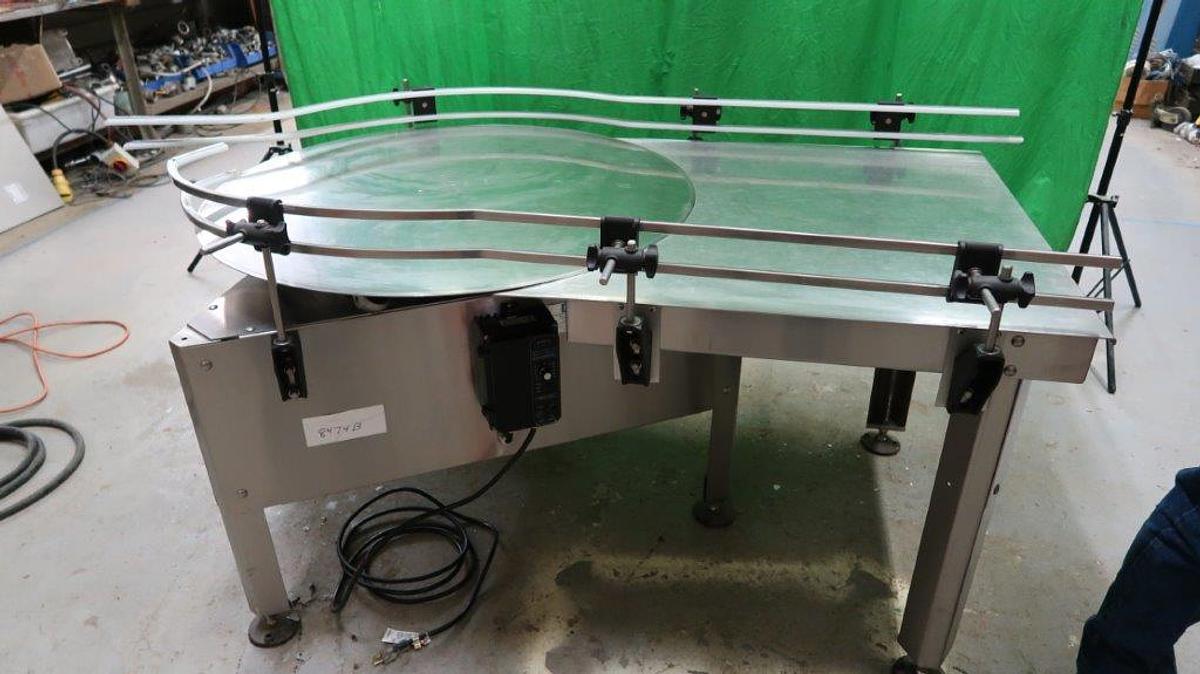
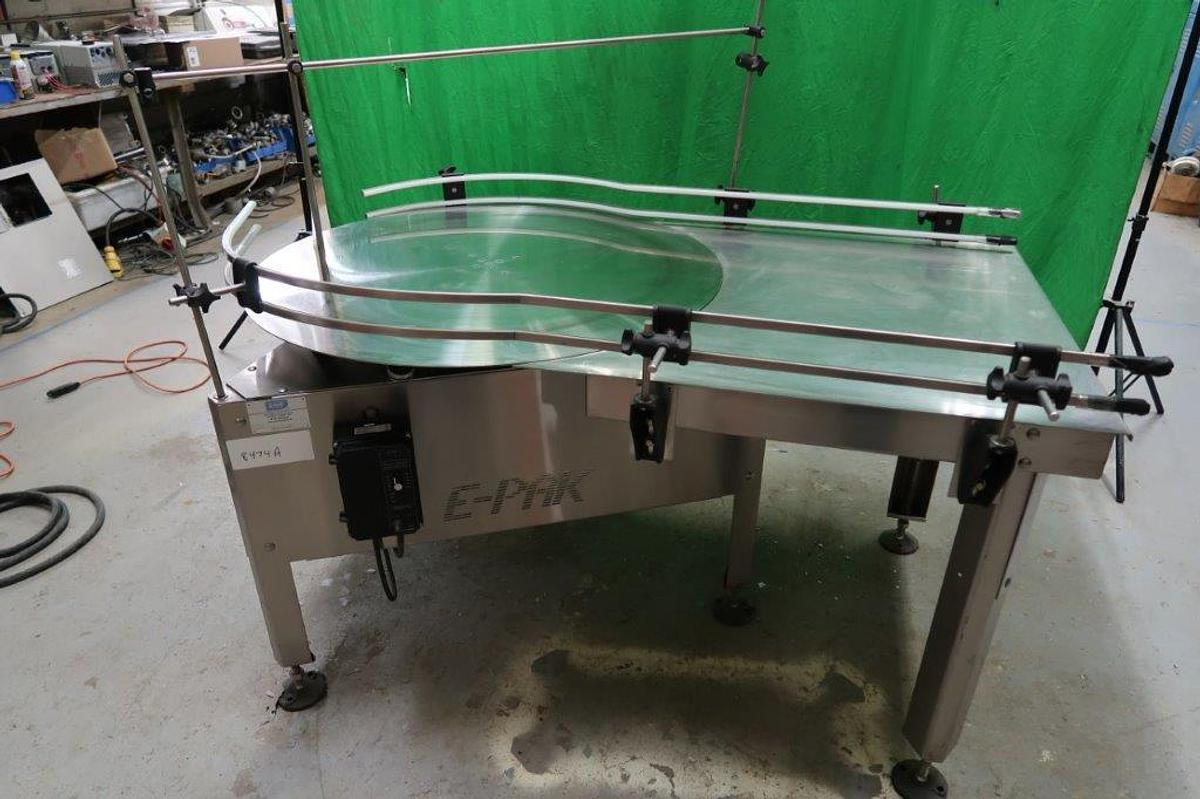
A rotary unscrambling and accumulating table is a piece of equipment that organizes randomly oriented containers and feeds them in a controlled, upright single-file stream into the next stage of a packaging line. Containers are loaded onto the rotating table surface in bulk, and the centrifugal motion combined with guide rails directs them toward an exit lane in the correct orientation. This eliminates the need for manual bottle placement before filling, which speeds up production and reduces labor requirements at the front end of the line.
E-Pak manufactures stainless steel rotary tables in various diameters, including 40-inch models that appear on the used equipment market. Stainless steel construction is important in food, beverage, pharmaceutical, and chemical applications because it resists corrosion, tolerates washdowns, and meets sanitary standards common in those industries. When buying a used rotary table, buyers should check the condition of the rotating turntable surface, the drive motor, and any guide rail components, as these are the parts most subject to wear over time. A well-maintained rotary table can serve reliably for many years in a production environment.
What is the difference between a pump-style filler and a piston-style filler?
Pump-style fillers and piston-style fillers are both common in liquid packaging lines, but they work differently and suit different product types. A pump-style filler uses a pump mechanism, often a gear pump or peristaltic pump, to move liquid from a supply tank into containers. Pump fillers are well-suited to thin to medium-viscosity liquids and are valued for their ability to handle products that cannot tolerate the shear forces of some other fill methods. Positive displacement pump fillers, like those used in several E-Pak models, meter a precise volume of liquid per fill cycle, which gives them good accuracy across a range of product types.
Piston fillers use a cylinder-and-piston mechanism to draw a measured volume of product and then push it into the container. They excel with thicker, more viscous products like gels, pastes, and chunky sauces, because the piston can generate the pressure needed to move heavy materials. Piston fillers also tend to deliver very consistent fill volumes, making them a popular choice in applications where fill accuracy is tightly regulated. When selecting a used filling machine, matching the fill technology to the product's viscosity and the required fill accuracy is more important than brand alone, so understanding these mechanical differences helps buyers avoid purchasing a machine that is not suited to their product.
How is shipping handled for used E-Pak packaging equipment, and what costs should buyers expect?
Shipping used packaging machinery involves more complexity than standard freight because of the size, weight, and sensitivity of the equipment. Machines need to be properly palletized or crated before transport to prevent damage in transit. The level of packaging required, basic pallet banding versus full wooden crating, directly affects the cost, and buyers should ask dealers specifically what packaging method will be used for a given machine. Larger or heavier equipment like multi-head filling lines or rotary accumulating tables may also require specialized rigging for loading and unloading, which adds to the total cost.
Buyers should request a full breakdown of all shipping-related charges before finalizing a purchase. This includes the freight rate itself, any crating or palletization fees, rigging costs at the origin if the machine needs to be lifted or moved within a facility, and any delivery or unloading charges at the destination. The goal is to understand the true landed cost of the equipment, not just the listed sale price. For large or heavy machines, freight quotes can vary considerably depending on the carrier, the origin and destination, and whether liftgate service or dock access is available at the delivery location.
What payment terms are typical when purchasing used packaging equipment?
Most used equipment dealers require full payment before a machine is released for shipping. This is standard practice in the industry and reflects the nature of used equipment transactions, where machines are often sold to buyers in different states or countries who the dealer has not previously done business with. Payment in full before shipment protects the dealer and ensures the transaction is complete before the equipment changes hands. Buyers should factor this into their purchasing timeline, particularly if internal approval or financing processes take time.
Some dealers extend payment terms to buyers with whom they have an established relationship and a history of repeat purchases. If a buyer is working with a dealer for the first time, full upfront payment is the most likely requirement. Wire transfer is a common payment method for machinery transactions of this size. Buyers should also confirm the payment terms in writing before agreeing to a purchase, and clarify what happens in the unlikely event that a machine cannot be shipped as described. Understanding the payment and release process upfront avoids misunderstandings on both sides.
How can I find out if parts and technical support are still available for an older E-Pak machine?
Parts availability for used packaging equipment depends on the age of the machine and whether the manufacturer still actively supports that model. E-Pak Machinery, as the manufacturer, is the most reliable source for answering this question directly. Before purchasing a used E-Pak machine, contacting E-Pak with the model number and approximate age of the equipment will give a buyer a clear picture of what replacement parts are still stocked or can be fabricated, and whether technical support is available for that configuration. Some older models may have limited or no manufacturer support, which shifts the maintenance burden to third-party technicians or fabricated replacement parts.
Beyond manufacturer support, buyers should also consider the mechanical simplicity of the machine. E-Pak equipment has a reputation for being operator-friendly and relatively straightforward in its construction, which means that experienced packaging equipment technicians can often service and repair machines even without direct manufacturer involvement. Common wear items like seals, tubing, nozzles, and pump components are frequently available through industrial supply channels. Evaluating parts availability before purchase, rather than after, is one of the more important due diligence steps a buyer can take when acquiring used filling or capping equipment.