Category
Manufacturer
Model
Dl Tech
Dl Tech provides automation and control systems for industrial manufacturing, enhancing efficiency in production processes across various industries.
FAQ:
What types of industrial equipment does DL Tech manufacture?
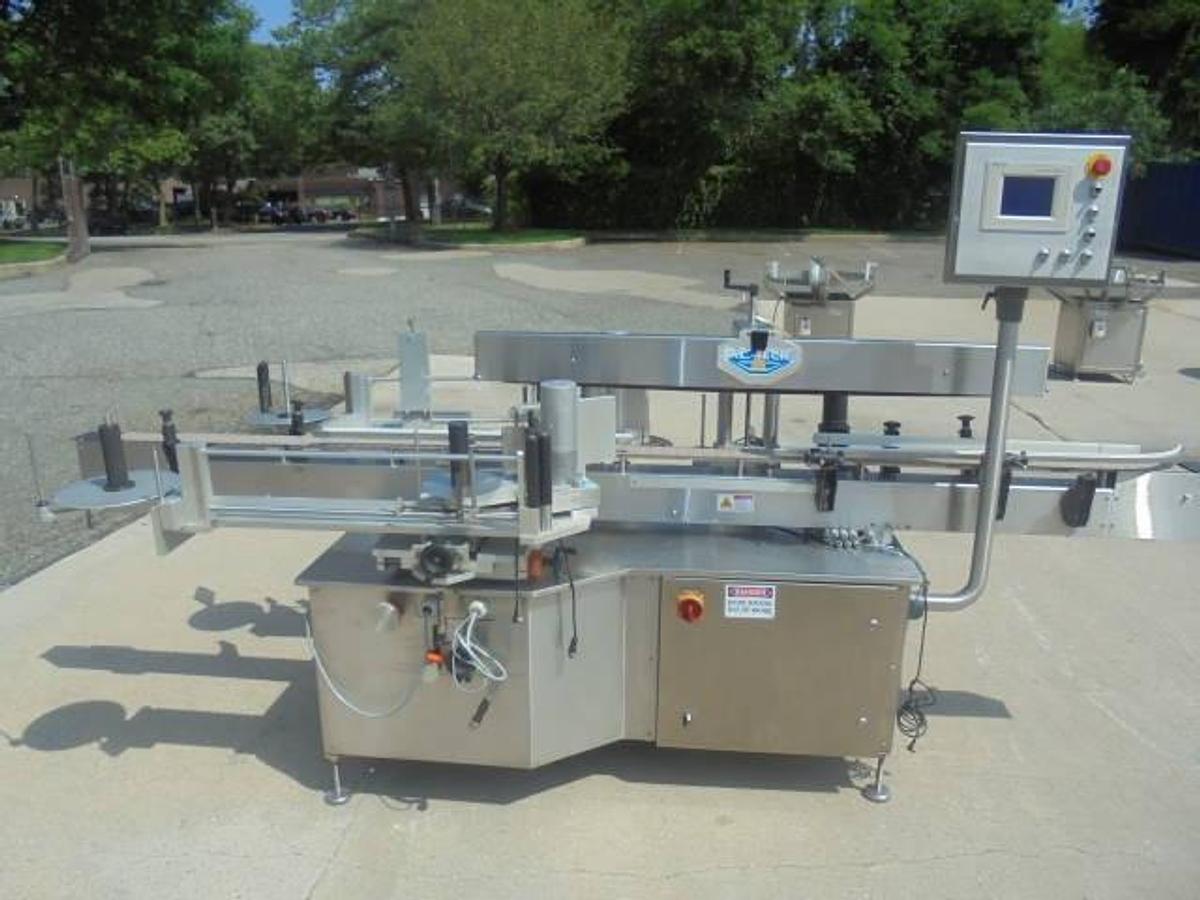
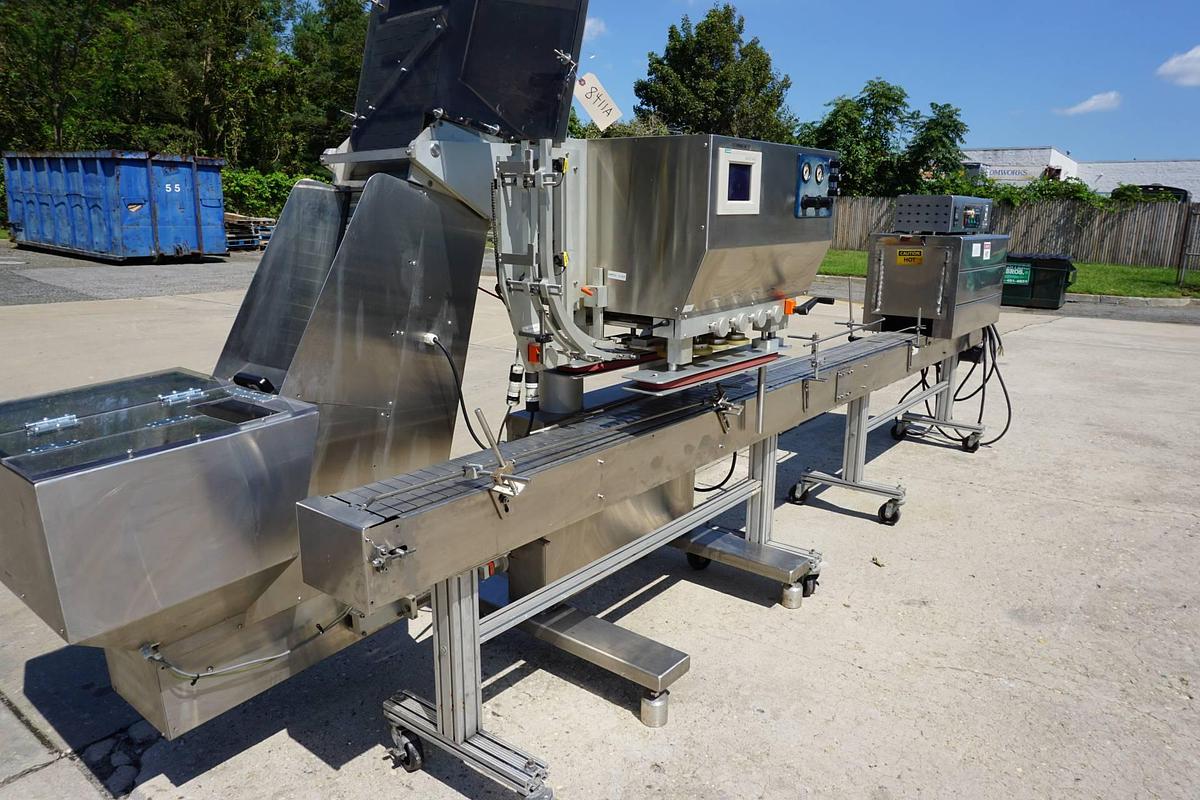
DL Tech specializes in automation and control systems designed for industrial manufacturing environments. Their product line includes equipment focused on packaging and labeling operations, such as automatic screw cappers and front-and-back labelers built with stainless steel cabinetry. These machines are engineered to enhance efficiency and throughput in production lines across a range of industries, from food and beverage to personal care and pharmaceuticals.
The screw capper models, for example, are built for high-volume output, with some configurations capable of processing up to 200 units per minute. The labeling equipment is designed to apply labels to both the front and back of containers in a single pass, reducing the need for secondary handling. Buyers looking for used DL Tech equipment will typically find machines that reflect this focus on packaging automation, making them a practical fit for operations that need reliable, production-ready capping and labeling solutions.
What should buyers know about purchasing used industrial automation equipment?
Buying used industrial automation equipment is a well-established practice across manufacturing, and it can deliver significant cost savings compared to sourcing equivalent machines through other channels. The key difference from buying unused machinery is that the buyer takes on more responsibility for due diligence. Used equipment is typically sold as-is, which means there is no manufacturer-backed coverage transferring to the new owner. This places the burden of inspection squarely on the buyer, making it critical to thoroughly evaluate the machine's mechanical and operational condition before committing to a purchase.
To reduce risk, buyers should work with dealers who have a long track record in the specific equipment category they need. A dealer who specializes in packaging or labeling machinery, for instance, will have more relevant knowledge about what to look for on a DL Tech capper or labeler than a generalist reseller. Requesting an in-person inspection, a live video walkthrough, or detailed video documentation of the machine in operation is standard practice and any reputable dealer should be able to accommodate it. Buyers should also contact the manufacturer directly to understand what parts and technical support are available for the specific model and age of the machine they are considering, since support availability can vary considerably.
How do I inspect a used DL Tech machine before buying it?
Inspections are a standard part of buying used industrial equipment, and most dealers offer multiple options to accommodate buyers regardless of location. In-person inspections are the most thorough approach, allowing a buyer or their technician to physically examine the machine, check for wear on mechanical components, review electrical panels, and observe the equipment running if it is still in an active production environment. Some machines may still be installed and operating at the facility where they are being decommissioned, which can make it possible to see the equipment running under real production conditions.
For buyers who cannot travel, virtual inspections via live video call or pre-recorded video walkthroughs are widely accepted alternatives. A good video inspection should cover the machine's overall condition, key mechanical assemblies, control interfaces, and any visible wear or damage. One important caveat is that most equipment dealers are not set up to run actual production tests with product, since that would require manufacturing permits and infrastructure they do not typically maintain. The goal of any inspection is to get an honest, accurate picture of the machine's current working condition, so buyers should not hesitate to ask specific questions and request close-up footage of any components that are critical to their application.
What are the key specifications to review when evaluating a used automatic screw capper?
When evaluating a used automatic screw capper, the most important specifications to review are output speed, number of spindles, container compatibility, and torque range. Output speed, typically expressed in containers per minute, determines whether the machine can keep pace with the rest of a production line. A DL Tech eight-spindle capper rated at 200 caps per minute, for example, is built for mid-to-high volume operations, and pairing it with a slower filling line or a faster labeler would create bottlenecks. Spindle count affects torque consistency and the range of cap sizes the machine can handle, so buyers should confirm the machine's spindle configuration matches their container and closure types.
Beyond throughput, buyers should look at the machine's footprint and infeed/outfeed conveyor specifications to ensure it integrates with existing line equipment. Electrical requirements, including voltage, phase, and amperage draw, need to be confirmed against the available power supply at the installation site. For used equipment specifically, it is worth examining the condition of the spindle clutches, drive belts, and any timing components, as these are subject to wear over time. Asking the dealer for any available maintenance records or service history can provide useful context, though documentation is not always available with used machinery.
What should I expect to pay for used industrial packaging equipment?
Pricing for used industrial packaging equipment varies widely based on the machine type, age, condition, brand reputation, and current market demand. A used automatic screw capper from a recognized manufacturer can range from a few thousand dollars for older or higher-wear units to well over $20,000 or more for machines in excellent working condition with relatively low hours. Automatic labelers occupy a similar price range, with front-and-back labeling systems generally commanding a premium over single-sided units due to their added complexity and production value.
Beyond the purchase price, buyers should factor in the full landed cost of the equipment. Shipping charges for heavy industrial machinery are significant and depend on the packaging required, the origin and destination, and whether specialized rigging is needed for loading and unloading. Crating and palletization add cost but reduce the risk of damage in transit. Buyers should request a detailed breakdown of all associated costs from the dealer before finalizing a purchase, so there are no surprises. In some cases, the cost of any refurbishment, spare parts, or installation labor at the destination facility should also be factored into the total acquisition cost.
Are used DL Tech machines suitable for small or mid-sized production operations?
DL Tech automation equipment is built for industrial production environments, but that does not automatically mean it is out of reach or impractical for smaller operations. A machine like an eight-spindle screw capper rated at 200 units per minute is designed for meaningful throughput, which may be more capacity than a very small startup needs. However, for a growing small or mid-sized business that is transitioning off manual capping or looking to reduce labor costs, a used machine at a fraction of the cost of a comparable unused unit can make the economics work in a way that buying through other channels would not.
The practical considerations for smaller operations are mostly around space, power supply, and integration with existing equipment. A standalone capper or labeler needs to fit within the available floor space and connect to the facility's electrical supply. Buyers should also think about whether they have the in-house technical capability to maintain the equipment or whether they will need to rely on outside service technicians. Used equipment dealers can often provide guidance on what routine maintenance looks like for a specific machine, and consulting the manufacturer about parts availability for the model in question is always a smart step before committing to a purchase.
How does payment typically work when buying used industrial equipment from a dealer?
Most used industrial equipment dealers require full payment before the machine is released for shipping. This is standard practice in the industry and reflects the nature of the transaction, since used equipment is typically sold as-is and the dealer needs to confirm funds before arranging logistics. Payment methods vary by dealer but commonly include wire transfer, which is the most widely accepted form for large equipment purchases. Buyers should confirm the accepted payment methods with the dealer early in the process to avoid delays.
Some dealers extend payment terms to repeat customers or established business accounts, but this is not the norm for first-time buyers. Buyers who need financing should explore third-party equipment financing options, as some lenders specialize in used industrial machinery and can structure loans or leases around the specific equipment being purchased. Before making any payment, buyers should ensure they have completed their inspection process and are satisfied with the machine's condition and the dealer's documentation of what is included in the sale.
What are the typical shipping and logistics considerations for used industrial machinery?
Shipping used industrial equipment requires more planning than standard freight because of the size, weight, and sensitivity of the machines involved. Proper packaging is critical. Depending on the machine, this may mean palletizing with appropriate blocking and bracing, building a custom crate, or using specialized skids designed to distribute the machine's weight evenly. The level of packaging required directly affects shipping costs, and buyers should ask the dealer specifically what packaging will be used and what that adds to the total cost.
For larger or heavier machines, rigging is often required at both the origin and destination. Rigging involves the use of forklifts, cranes, or other lifting equipment to safely load and unload machinery that cannot be moved by hand. This is an added expense that buyers sometimes overlook when budgeting for a purchase. Transit insurance is another consideration worth discussing with the dealer, since damage during shipping, while not common with properly packaged equipment, can happen. Getting a clear picture of the full landed cost, including packaging, rigging, freight, and insurance, before agreeing to a purchase is the best way to avoid unexpected expenses.
What is the role of the equipment manufacturer when buying a used machine?
The manufacturer plays a different role in a used equipment transaction than it does in a direct sale. The dealer handles the sale itself, but the manufacturer remains relevant as a resource for technical information, parts availability, and service support. Before buying a used machine, it is worth contacting the manufacturer to confirm whether the specific model is still supported, whether replacement parts are available, and whether the manufacturer's service network will work on that model. Older machines or discontinued product lines may have limited or no manufacturer support, which is an important factor in the total cost of ownership.
Manufacturer support can also help buyers understand what a machine should look like in good working condition, what known wear points to inspect, and what a realistic service interval looks like. This kind of background knowledge is valuable going into an inspection. Buyers should not assume that purchasing a used machine from a reputable brand automatically means full manufacturer support will be available. The age and model of the equipment matter, and getting clarity on this before the purchase avoids situations where parts are unavailable or service technicians are unfamiliar with the machine.
What documentation should a buyer request when purchasing used industrial equipment?
Documentation is an area where used equipment purchases can vary significantly from one transaction to another. In the best cases, a seller will have maintenance records, operator manuals, electrical schematics, and parts lists available to pass along to the buyer. These materials are genuinely valuable because they reduce the learning curve for the new owner and make it easier to service the machine going forward. Operator manuals in particular are worth asking about, since they contain critical information about setup, adjustments, and routine maintenance procedures.
In practice, documentation is not always available with used machinery, especially if the machine changed hands multiple times or was decommissioned from a facility that did not retain service records. Buyers should ask the dealer directly what documentation is included and factor the absence of manuals into their evaluation. In many cases, manufacturer manuals for commercial industrial equipment can be obtained directly from the manufacturer or through authorized service networks, though availability depends on the age and model of the machine. Even without original paperwork, a thorough inspection and a conversation with the manufacturer can go a long way toward understanding what you are buying.