Category
Manufacturer
Model
Dixie
Dixie provides equipment primarily for the food service industry, particularly known for their disposable products and packaging solutions. They are recognized for their innovative food containers and utensils that enhance convenience for consumers. Dixie’s commitment to sustainability is evident in their product offerings.
FAQ:
What is a Dixie can seaming machine and what is it used for?
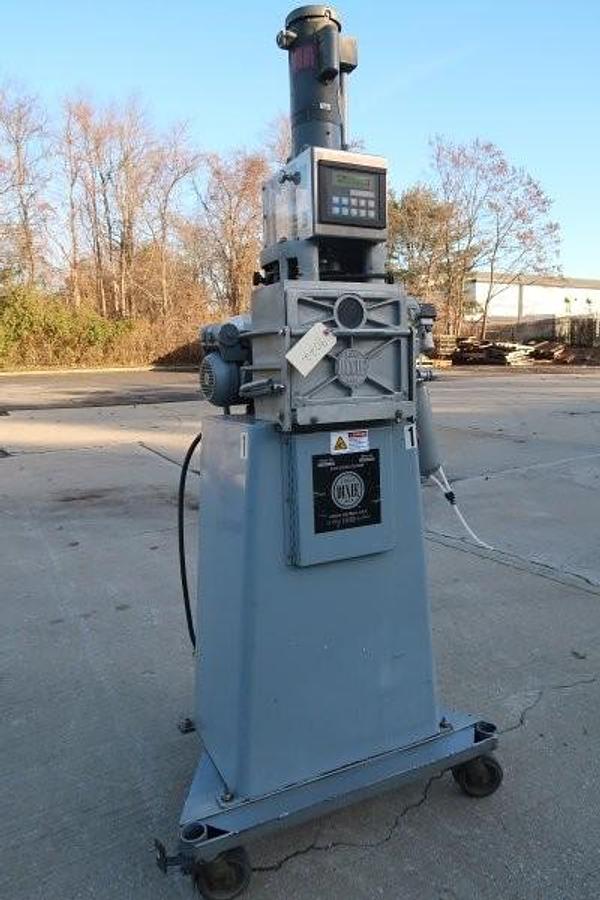
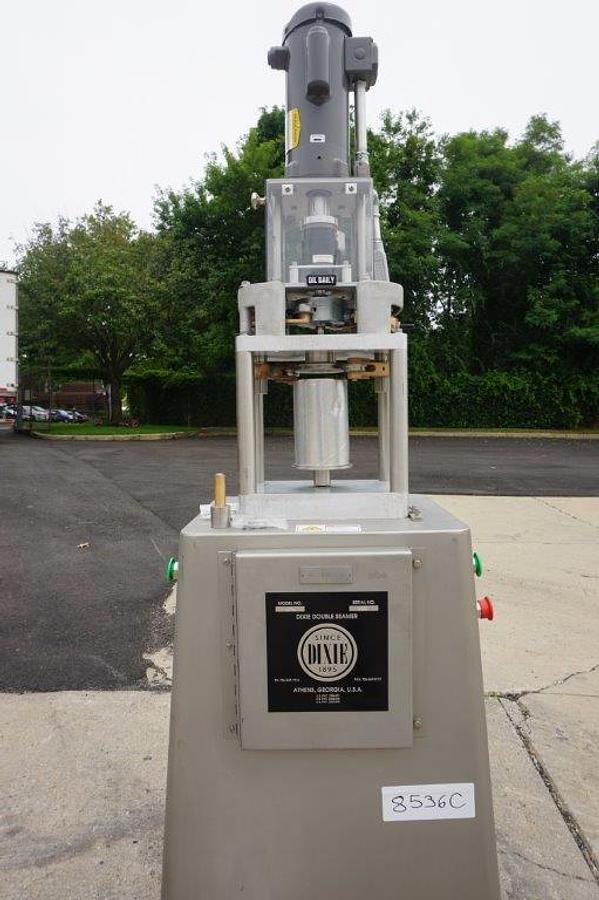
A Dixie can seaming machine is an industrial can closing unit designed to form a hermetic double seam between a can body and its lid. The double-seam process involves two distinct operations: the first seaming operation hooks the lid and body flanges together, and the second operation compresses and flattens that hook into a tight, airtight seal. This method has been the standard for metal can closure across virtually every canning industry for decades, and Dixie machines were built to perform it reliably at production scale.
These machines have been used across a wide range of industries, including food processing, beverage production, paint and coatings, pet food, and chemical packaging. Specific models handled different production volumes and can formats, from semi-automatic benchtop units suited for lower-volume operations to heavy-duty dual-head seamers built for continuous high-output lines. Because Dixie is no longer actively manufacturing these machines, the units available on the market today are used or surplus equipment sourced from facilities that have decommissioned or upgraded their production lines.
What can sizes and diameters do Dixie seaming machines support?
Dixie seaming machines were built to handle a range of standard can diameters, and the specific tooling on a given machine determines which can format it can seal. Common diameter specifications seen on used Dixie models include 401 diameter cans (roughly 4 and 1/16 inches) and 502 diameter cans (roughly 5 and 2/16 inches). For example, the Dixie UD-AL Heavy Duty Can Closing Machine is configured with parts for both 401 and 502 diameter cans, while the Dixie Semi-Automatic Vacuum Can Closing Machine is set up specifically for 401 diameter cans.
Beyond diameter, can height is also a variable that affects tooling compatibility. The seaming chuck must match the can lid diameter, and the seaming rolls must be profiled correctly for the specific lid and body gauge being used. Buyers shopping for a used Dixie seamer should confirm exactly which can formats the machine is currently tooled for, and check whether additional tooling sets are included with the sale or will need to be sourced separately. Consulting with a tooling supplier about compatibility before purchase is a practical step that can prevent costly surprises after the machine arrives.
What is the difference between a single-head and double-head Dixie can seamer?
The core difference is throughput capacity. A single-head seamer has one seaming station, meaning each can is processed one at a time through the two-operation seaming cycle. This configuration is well suited for lower-volume production runs, specialty products, or operations that run multiple can sizes and need to change tooling frequently. Single-head machines are generally more compact and simpler to set up and maintain.
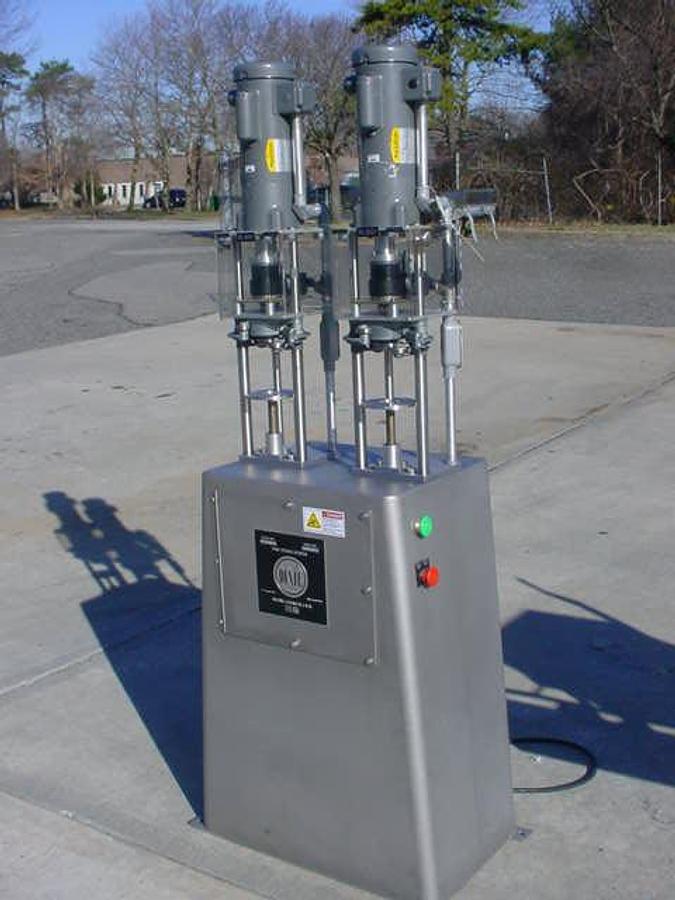
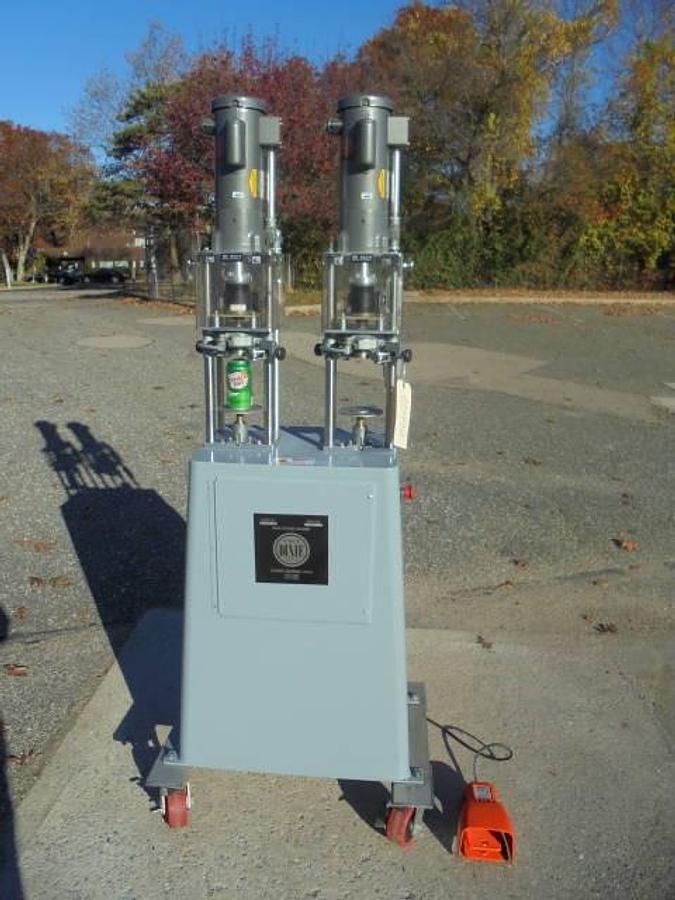
A double-head or dual-head seamer, like the Dixie 25D600T-AL Dual Head Can Seamer or the Dixie 25d-Twin-Al Double Can Seamer, runs two seaming stations simultaneously, effectively doubling the output of a single-head machine at the same operating speed. These configurations are designed for higher-volume production environments where throughput is a priority. The tradeoff is that dual-head machines are larger, more complex mechanically, and tooling changeovers require twice the work since both heads must be set up to match the target can format. For operations running a single can size at significant volume, a dual-head Dixie seamer offers a meaningful efficiency advantage over a single-head unit.
What seaming speeds can Dixie can closing machines achieve?
Seaming speed on Dixie machines varies considerably depending on the model and whether the machine operates in semi-automatic or fully automatic mode. Semi-automatic Dixie seamers, where an operator manually places each can, typically seal in the range of 20 to 40 cans per minute. These speeds are appropriate for craft beverage producers, specialty food operations, or any facility running shorter production runs where full automation is not cost-justified.
Fully automatic and dual-head Dixie models are capable of significantly higher throughput. Dual-head configurations can roughly double the output of a comparable single-head machine at equivalent RPM settings, making them practical for mid-to-high volume production lines. Buyers should ask the seller for the specific rated speed of any machine being considered, and keep in mind that actual production speed in practice can differ from rated maximums depending on the can format, product fill characteristics, and how the machine has been maintained over its service life. Reviewing the machine's condition during an inspection is the best way to gauge realistic operating performance.
What should buyers look for when inspecting a used Dixie can seaming machine?
A thorough inspection of a used Dixie seamer should focus on the mechanical components most subject to wear: the seaming rolls, chucks, and the drive mechanisms that control seaming pressure and timing. Worn seaming rolls produce inconsistent seam profiles, which can lead to leakers or failed seams in production. The chuck surface should be examined for scoring or wear that could damage can lids. Drive belts, gears, and bearings should be checked for play or signs of fatigue. If the machine has a vacuum closing function, the vacuum system components and seals deserve close attention as well.
Reputable used equipment dealers will typically accommodate in-person inspections at their facility, or provide video walkthroughs and photo documentation for remote buyers. Some machines may still be installed at an active production facility, in which case the dealer can arrange an inspection at the plant. Keep in mind that most equipment dealers are not set up to run actual product through a seamer during an inspection, as production operations require different permitting than a machinery dealership holds. The goal of the inspection is to get an accurate picture of the machine's current mechanical condition, not necessarily a live production demonstration. Buyers should also ask whether the machine comes with its current tooling, any spare parts, or documentation.
Are replacement parts and tooling still available for used Dixie can seaming machines?
Because Dixie is no longer actively producing these machines, parts availability depends on a few different channels rather than a single manufacturer source. Seaming rolls, chucks, and other tooling components are often manufactured to standard can industry dimensions, which means aftermarket tooling suppliers can frequently produce compatible parts even for older machine models. Buyers should consult directly with tooling manufacturers and suppliers, providing the machine model and the specific can diameter and lid specification they intend to run, to get an accurate read on what is available and at what cost.
For mechanical components like bearings, belts, gears, and electrical parts, availability varies by model age. Older machines may require fabrication of certain components or sourcing from industrial surplus channels. Before purchasing a used Dixie seamer, it is worth contacting the manufacturer or a knowledgeable parts supplier to understand what level of support exists for that specific model. This due diligence step can reveal whether a particular machine is still practical to maintain long-term or whether parts scarcity could become a significant operational challenge down the road.
What routine maintenance does a Dixie can seaming machine require?
Like any precision mechanical equipment, Dixie can seamers require consistent preventive maintenance to hold seam quality and extend service life. Lubrication is one of the most fundamental tasks: seaming roll shafts, bearings, and drive components need to be greased or oiled on a schedule appropriate to production volume. Inadequate lubrication is one of the most common causes of premature wear on seaming equipment. Operators should also check and adjust seaming roll pressure settings regularly, since these settings drift over time and directly affect double-seam dimensions.
Seam quality monitoring is another ongoing maintenance responsibility. Production operations using Dixie seamers should perform periodic seam teardowns and measurements using a seam scope or micrometer to verify that the seam meets the required specifications for the can and lid being used. Tooling components, particularly seaming rolls and chucks, should be inspected for wear on a set schedule and replaced when they no longer produce seams within tolerance. For machines being put back into service after a period of storage or after changing facilities, a full mechanical inspection and recalibration before running production is a standard industry practice.
Is a used Dixie can seaming machine a practical option for a small craft brewery or food producer?
For small craft beverage producers and specialty food manufacturers, a used Dixie semi-automatic seamer can be a cost-effective entry point into canning without the capital outlay of a new automatic line. Semi-automatic Dixie models, which require an operator to hand-place cans, are designed for exactly this type of lower-volume operation. They take up relatively little floor space, are mechanically straightforward compared to fully automatic inline systems, and can be set up to run standard can formats with appropriate tooling.
That said, small producers should go in with realistic expectations about what a used machine entails. These are pre-owned industrial units with a service history, and the buyer takes on the responsibility of understanding the machine's condition before purchase. Arranging a thorough inspection, confirming that the machine is tooled for the specific can diameter and lid the producer plans to use, and verifying parts availability for that model are all critical steps before committing to a purchase. Small operations that lack in-house mechanical expertise may also want to budget for a qualified technician to inspect, install, and calibrate the machine before it goes into production.
What is the typical price range for a used Dixie can seaming machine?
Pricing for used Dixie can seaming machines varies based on model, condition, configuration, and included tooling. Entry-level semi-automatic models in working condition typically sell in the range of a few thousand dollars, making them accessible for small producers or operations that need a backup unit. Heavy-duty or dual-head models, which are built for higher-volume production and involve more mechanical complexity, generally command higher prices, sometimes reaching into the tens of thousands of dollars depending on age and condition.
Buyers should factor in more than just the machine price when calculating total acquisition cost. Shipping and rigging fees for heavier industrial seamers can be significant, particularly if the machine requires special crating or heavy-duty loading equipment at the origin facility. If the machine needs tooling changes to match a different can format, the cost of new seaming rolls and chucks should be included in the budget. Any refurbishment, installation, or calibration work by a technician adds to the landed cost as well. Getting a clear picture of all these costs before finalizing a purchase helps avoid surprises and makes it easier to compare options across different machines and sellers.
How does shipping and payment typically work when buying a used Dixie can seaming machine?
Used can seaming machines are heavy industrial equipment, and shipping logistics deserve careful attention before a purchase is finalized. Smaller tabletop or semi-automatic Dixie seamers can often be palletized and shipped via freight carrier, but heavier dual-head or heavy-duty models may require specialized crating and rigging for safe loading and unloading. The cost of packaging, rigging, and freight varies based on machine weight, dimensions, origin location, and destination. Buyers should ask the seller for a detailed breakdown of packaging and shipping costs to understand the full landed price of the equipment before committing.
On the payment side, most used equipment dealers require payment in full prior to releasing a machine for shipment. This is standard practice in the used machinery industry. Some dealers may offer payment terms to established repeat customers, but buyers purchasing from a dealer for the first time should expect to pay upfront. Wire transfer is the most common payment method for transactions of this size. Buyers should also confirm with the seller whether the listed price includes any tooling, spare parts, or documentation, as these details affect the overall value of the purchase.