Category
Manufacturer
Model
Demaco
Demaco specializes in manufacturing equipment for the food processing industry, focusing on automation solutions. They are well-known for their vacuum packaging machines and portioning equipment that enhance product shelf life and reduce waste. Demaco’s technology is designed for efficiency and reliability.
FAQ:
What types of food processing equipment does Demaco manufacture?
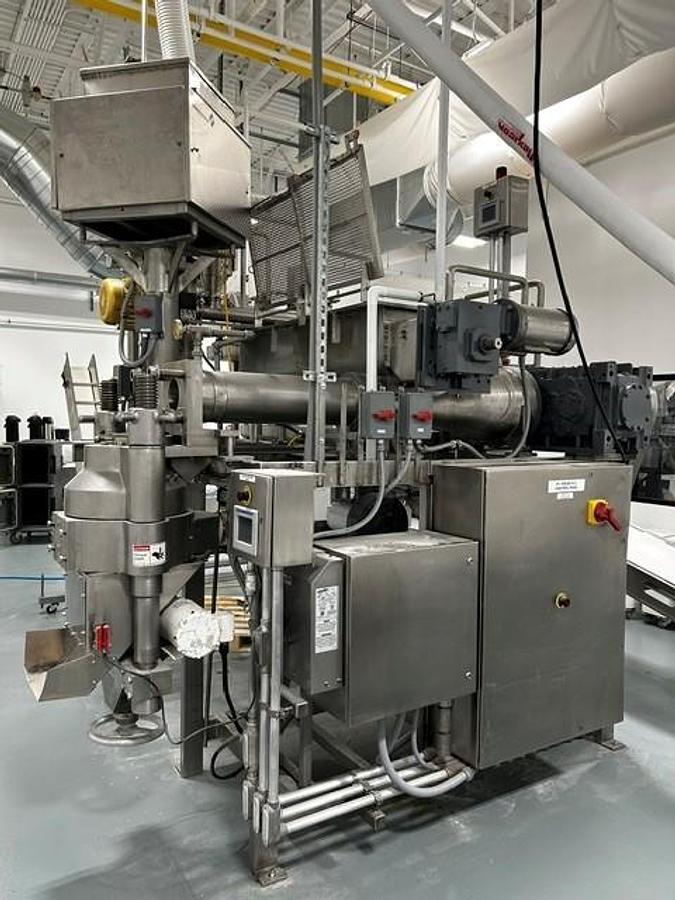
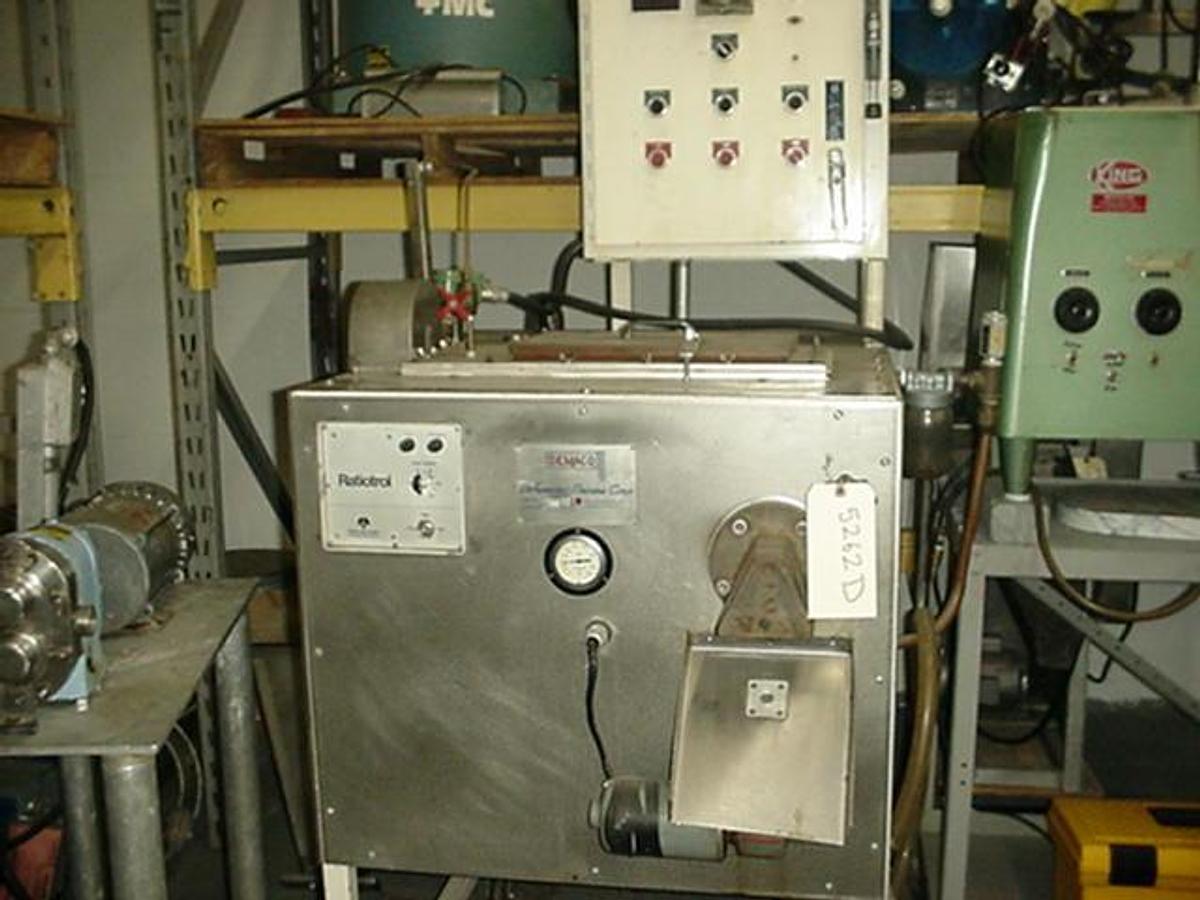
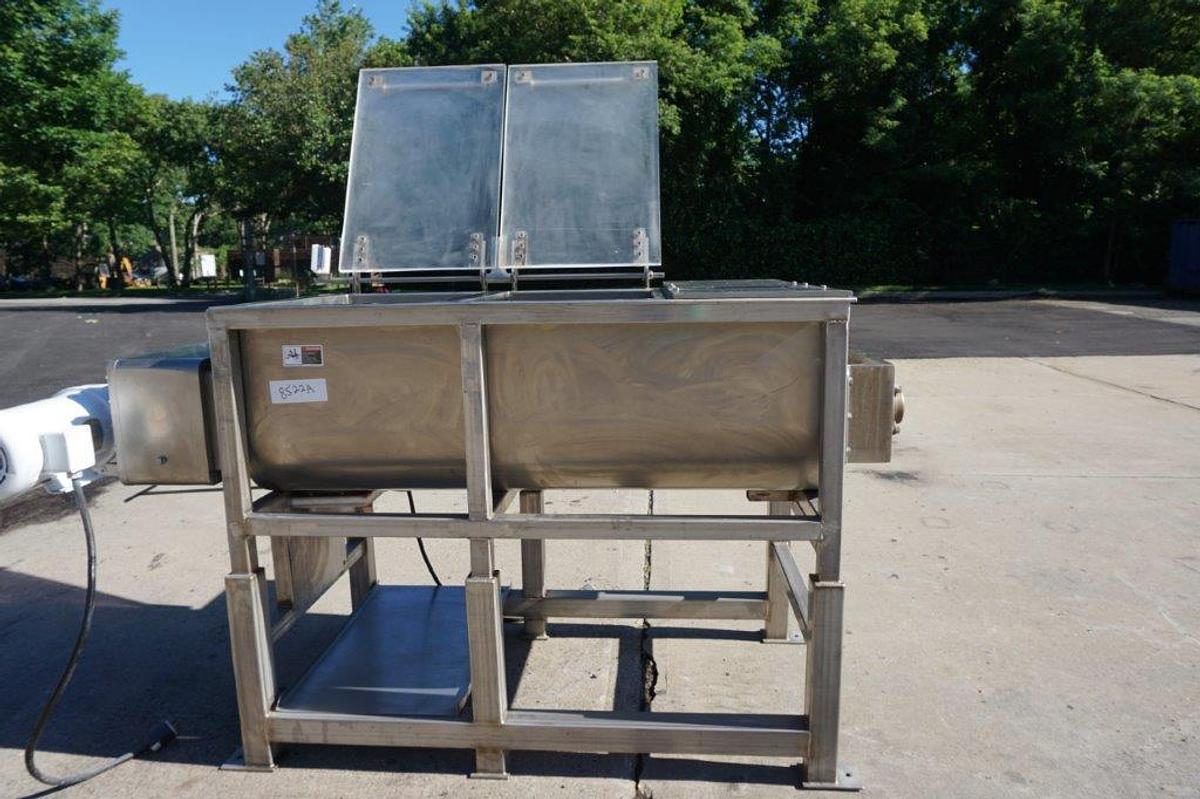
Demaco produces a range of food processing machinery with a strong focus on automation, portioning, and packaging. The brand is particularly well-known for vacuum packaging machines and portioning equipment, both of which are designed to extend product shelf life and cut down on waste during production. Beyond those core product lines, Demaco also manufactures cooling tunnels, spiral coolers, and freezing systems used in large-scale industrial food production. Twin shaft paddle blenders and pasta extruders are among the other machine types that appear in the used equipment market.
The company's equipment is built primarily from stainless steel, which suits the demands of wet processing environments where corrosion resistance and thorough sanitation are non-negotiable. Demaco machinery is used across several food sectors including dairy, meat, fish, and prepared foods. Because many of their product lines follow a modular design philosophy, food processors have historically been able to scale capacity by adding components rather than replacing entire systems, which also contributes to the long service lives these machines tend to have in production settings.
What industries is Demaco food processing equipment best suited for?
Demaco equipment is used across a broad range of food production sectors, with particularly strong adoption in dairy, meat, fish, and prepared or convenience foods. The hygienic design standards built into Demaco machinery make it well-suited for any environment where strict sanitation protocols are required and where equipment must withstand frequent washdowns without degrading. Cooling and freezing systems from Demaco are commonly found in facilities that need precise temperature control throughout the production line, which is critical in both protein processing and dairy manufacturing.
Portioning and vacuum packaging equipment from Demaco also sees wide use in operations that package retail or foodservice products, where consistent portion weights and extended shelf life directly affect profitability and food safety compliance. Pasta production is another application area, as evidenced by the lab-size pasta extruders that appear in the used equipment market. Broadly speaking, any food manufacturer running a high-volume, hygiene-sensitive production line is a likely candidate for Demaco equipment, and the modular nature of many Demaco systems means they can be adapted to fit different facility layouts and throughput requirements.
What should buyers know about purchasing used Demaco food processing equipment?
Buying used Demaco equipment requires the same due diligence that applies to any pre-owned industrial machinery, but a few factors specific to food processing equipment are worth keeping in mind. First, the condition of stainless steel surfaces, seals, and any product-contact components should be carefully evaluated, since wear in those areas can affect both sanitary performance and the machine's ability to meet food safety standards. Buyers should request detailed photos, maintenance records if available, and ideally arrange an in-person or video inspection before committing to a purchase.
It is also worth contacting Demaco directly to understand what level of technical support and parts availability exists for the specific model and age of machine being considered, since older models may have more limited support. Used equipment is typically sold as-is, so the inspection process is the buyer's primary tool for assessing actual condition and working order. Selecting a dealer who specializes in food processing equipment rather than a general industrial reseller can make a meaningful difference, as specialized dealers are better positioned to answer technical questions about the machinery and provide accurate descriptions of its operational state.
How is Demaco equipment designed to meet food safety and sanitation requirements?
Demaco has built its reputation in part on hygienic engineering principles that align with strict international food safety standards. Stainless steel construction is central to this, as it resists corrosion, does not harbor bacteria in the same way porous materials can, and withstands the caustic cleaning agents commonly used in food facilities. Many Demaco machines are designed with smooth surfaces, minimal crevices, and easy-access panels specifically to support thorough cleaning and inspection between production runs. The brand's equipment has historically been aligned with EHEDG (European Hygienic Engineering and Design Group) guidelines and CE certification standards.
For buyers evaluating used Demaco machinery, the sanitary design of the equipment is one of its enduring strengths, but it is important to physically inspect seals, gaskets, and any plastic or rubber components that may have degraded over time. These parts are typically the first to show wear in food processing environments and may need replacement before the machine is put back into service. Consulting with a qualified food equipment technician during the inspection process can help identify any sanitation-related concerns before finalizing a purchase.
What is the typical price range for used Demaco food processing equipment?
Pricing for used Demaco equipment varies considerably depending on the type of machine, its age, overall condition, and the complexity of the system. Smaller units like lab-size pasta extruders or individual portioning machines will generally fall at the lower end of the price spectrum, while larger integrated systems such as spiral coolers, cooling tunnels, or industrial vacuum packaging lines can run significantly higher. As a general reference point, used food processing equipment of this caliber from established manufacturers tends to range anywhere from a few thousand dollars for compact standalone units to well over six figures for complete production-line systems in good working condition.
Beyond the purchase price, buyers should factor in additional costs that affect the total landed price of the equipment. Rigging, palletization or crating, freight, and any refurbishment or parts replacement needed after delivery can add meaningfully to the overall investment. Requesting an itemized breakdown of these costs from the dealer before agreeing to a purchase is a practical step that helps avoid surprises. Inspecting the machine thoroughly beforehand, either in person or through a detailed video walkthrough, also helps buyers assess whether the asking price reflects the actual condition of the equipment.
Are replacement parts and technical support available for used Demaco machines?
Parts availability and technical support for Demaco equipment depend largely on the age and model of the machine in question. Demaco is an established Dutch manufacturer with a long production history, and for relatively recent models, parts are generally obtainable either directly through the manufacturer or through authorized service networks. For older machines, availability can be more limited, which is why it is advisable to contact Demaco before purchasing a used unit to get a realistic picture of what support to expect going forward.
Some buyers of used food processing equipment also work with third-party fabricators who can manufacture replacement components for older machines when factory parts are no longer available, though this adds cost and lead time. When evaluating a used Demaco machine, asking the dealer about the machine's service history and whether any components have already been replaced or refurbished can provide useful context. Dealers who specialize in food processing equipment are often better equipped to advise on parts sourcing than general industrial machinery dealers, making specialization an important factor when choosing who to buy from.
What inspection options are typically available when buying used food processing equipment?
Reputable used equipment dealers generally offer buyers several ways to inspect machinery before purchase. In-person inspections are the most thorough option and allow a buyer or their technician to physically examine the machine, check for wear on contact surfaces, test basic mechanical functions, and get a direct sense of the equipment's overall condition. Video inspections, where a dealer representative walks through the machine on camera in real time or provides a recorded walkthrough, are a practical alternative for buyers who cannot travel to the equipment's location.
It is worth understanding that most equipment dealers do not have the permits or production infrastructure required to run actual food product through a machine during an inspection. What can typically be demonstrated is whether the machine powers on, whether mechanical components move as expected, and whether there are obvious signs of damage or excessive wear. If the equipment is still installed at an active food production facility, the dealer may be able to coordinate an inspection at the plant, where the machine might even be observed in operation. In all cases, buyers should treat the inspection as their primary means of assessing condition, since used equipment is sold as-is and the inspection stage is the appropriate time to raise any concerns.
What are the shipping and logistics considerations for used Demaco food processing equipment?
Shipping food processing equipment requires careful planning, particularly for larger or more complex machines. Proper packaging is critical to preventing damage in transit. Depending on the size and fragility of the equipment, this can range from basic palletization to full custom crating, and the cost will reflect the level of protection required. Buyers should ask the dealer specifically what packaging is included in the quoted price and what, if any, additional packaging costs might apply based on the machine's dimensions and weight.
For heavier equipment like industrial blenders, cooling systems, or large vacuum packaging lines, professional rigging is typically required for both loading at the origin and unloading at the destination. Rigging costs are usually separate from freight charges and should be confirmed upfront so the buyer has a clear picture of total landed costs before completing the purchase. International shipments add further complexity, including customs documentation, import duties, and potentially longer lead times. Buyers importing Demaco equipment from overseas should work with a freight forwarder experienced in industrial machinery to navigate these logistics efficiently.
What payment terms should buyers expect when purchasing used food processing equipment?
Used equipment dealers in the food processing industry typically require full payment before a machine is released for shipping. This is standard practice across the sector and reflects the nature of the transaction, where the dealer needs to confirm funds have cleared before arranging logistics for what is often a high-value piece of equipment. Buyers who are purchasing from a dealer for the first time should expect to pay in full prior to shipment, with payment methods varying by dealer but commonly including wire transfer.
Some dealers extend more flexible terms to repeat customers or buyers with whom they have an established relationship, but this is not the norm for first-time transactions. Buyers who require financing for equipment purchases may want to explore third-party equipment financing options before approaching the dealer, as many lenders specialize in industrial and food processing machinery. Clarifying payment expectations early in the purchasing conversation prevents delays later in the process, particularly since shipping arrangements typically cannot begin until payment is confirmed.
How does the modular design of Demaco equipment benefit food processors?
Demaco has engineered many of its product lines with modularity in mind, which has practical implications for food processors managing growth or changing production needs. A modular system allows a facility to add capacity incrementally by integrating additional components or sections rather than replacing the entire production line. This approach can reduce capital expenditure significantly compared to purchasing a completely separate system, and it also minimizes production downtime since expansions can often be planned around existing schedules.
For buyers of used Demaco equipment, the modular design also means that individual components or sections of a larger system may appear on the market separately, which can be useful for facilities that already have a partial Demaco setup and are looking to expand or replace a specific section. It does, however, require careful attention to compatibility between components, particularly when sourcing from different points of sale or different production years. Consulting with a technician familiar with Demaco equipment before purchasing individual modules for integration into an existing system is a sensible precaution to ensure compatibility and avoid costly mismatches.