Category
Manufacturer
Model
Dci
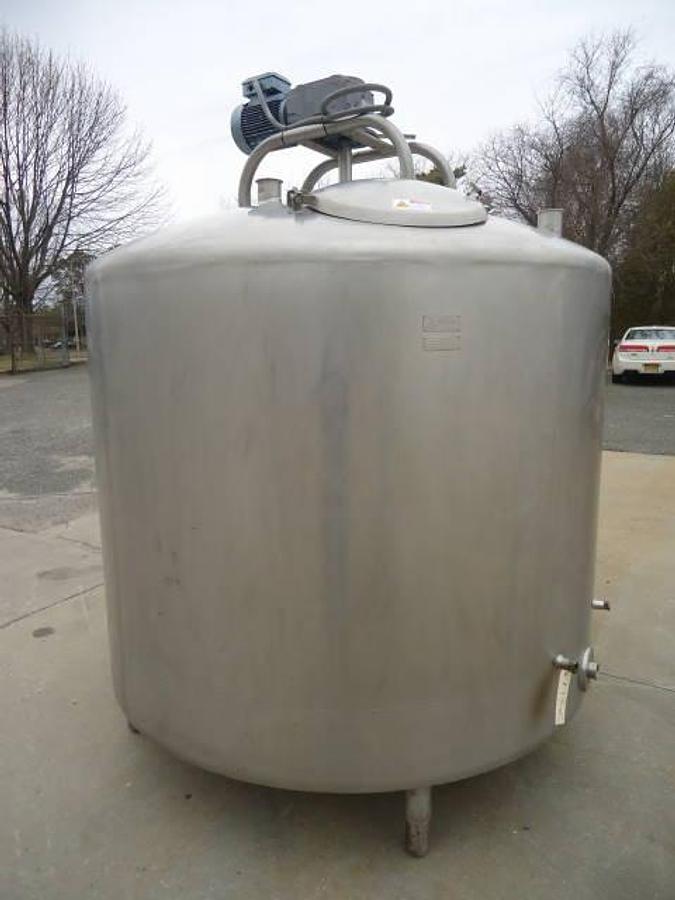
Dci specializes in manufacturing equipment for the food and beverage industry, particularly in the area of process tanks and mixers. They are recognized for their stainless steel fabrication and custom solutions that meet specific production needs. Dci’s equipment is designed for both efficiency and hygiene.
FAQ:
What sizes and capacities are available for used DCI process tanks?
Used DCI process tanks appear on the secondary market in a wide range of capacities, from compact 200-gallon sanitary mix tanks suited for smaller batch production up to large 6,000-gallon agitated mix kettles designed for high-volume processing. Common sizes found in the resale market include 200, 450, 500, 800, and 1,500-gallon configurations, with larger vessels available depending on inventory at any given time. The variety reflects DCI's history of manufacturing to meet diverse production scales across multiple industries.
Buyers should consider not just the total tank volume but also the physical footprint, since some units are portable and mounted on casters while others are stationary floor-mounted vessels. Cone-bottom tanks, for instance, are available in the same capacity range as flat-bottom designs but have different installation and drainage requirements. When sourcing a used DCI tank, confirming the exact internal dimensions and working volume (as opposed to total volume) is important, particularly for applications where precise batch sizing affects product consistency.
What materials are DCI process tanks made from?
DCI process tanks are predominantly fabricated from stainless steel, with Type 304 and Type 316L being the most common alloys used across their product line. Type 316 stainless steel, which contains molybdenum, offers superior resistance to chlorides and acidic cleaning agents, making it the preferred choice for pharmaceutical, dairy, and food processing applications where aggressive CIP chemicals are used regularly. Many of the used DCI tanks found on the secondary market are explicitly designated as Type 316 or 316L, which is a meaningful quality indicator for sanitary process applications.
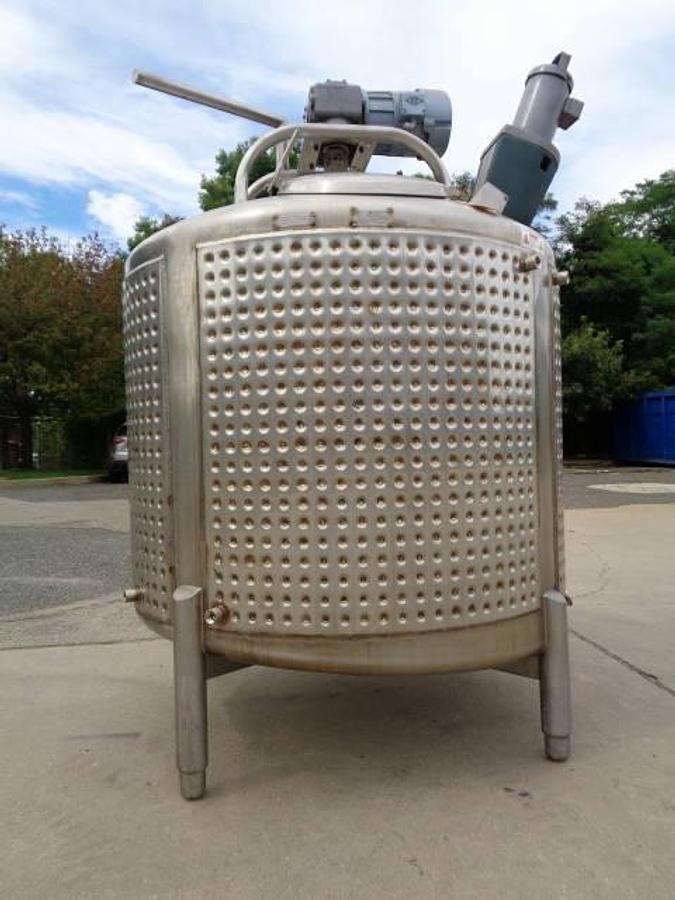
Beyond the base material, DCI tanks are known for their high-quality interior surface finishes, which are polished to meet sanitary standards and minimize product adhesion or bacterial harborage points. Jacketed models feature dimple-plate or full-jacket construction also in stainless steel, designed to circulate heating or cooling media for precise temperature control. The durability of stainless steel fabrication is a primary reason used DCI tanks retain strong resale value and continue performing reliably decades after manufacture.
What industries commonly use DCI process tanks?
DCI process tanks were designed with sanitary processing in mind, which makes them a natural fit for the dairy, food and beverage, pharmaceutical, and biotechnology industries. In dairy and beverage production, these tanks are used for mixing, blending, fermenting, and storing liquid products that require strict hygiene controls. Pharmaceutical and biotech manufacturers rely on DCI tanks for processes that demand cleanable surfaces, precise temperature management, and compatibility with validation protocols.
Beyond those core industries, DCI tanks also see use in cosmetics manufacturing, nutraceuticals, and specialty chemical processing where sanitary-grade stainless steel construction is required or preferred. The tanks' jacketed designs make them particularly versatile for any application that involves heating or cooling a product during processing, such as cooking sauces, emulsifying lotions, or producing fermentation batches. This cross-industry demand is part of why used DCI equipment tends to sell quickly on the secondary market and holds its value well compared to less recognized brands.
What types of DCI process tanks are commonly available on the used equipment market?
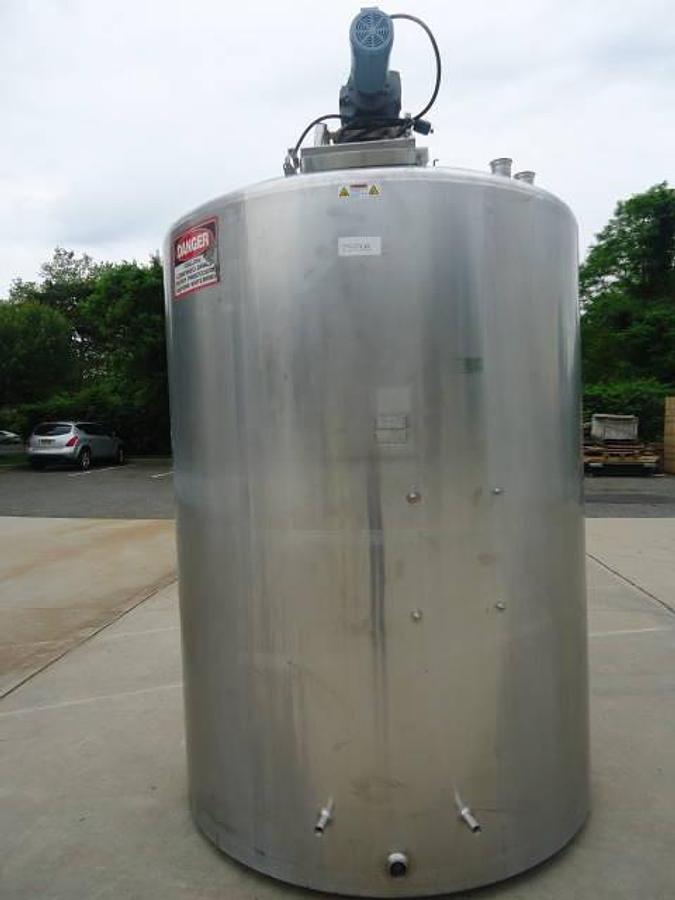
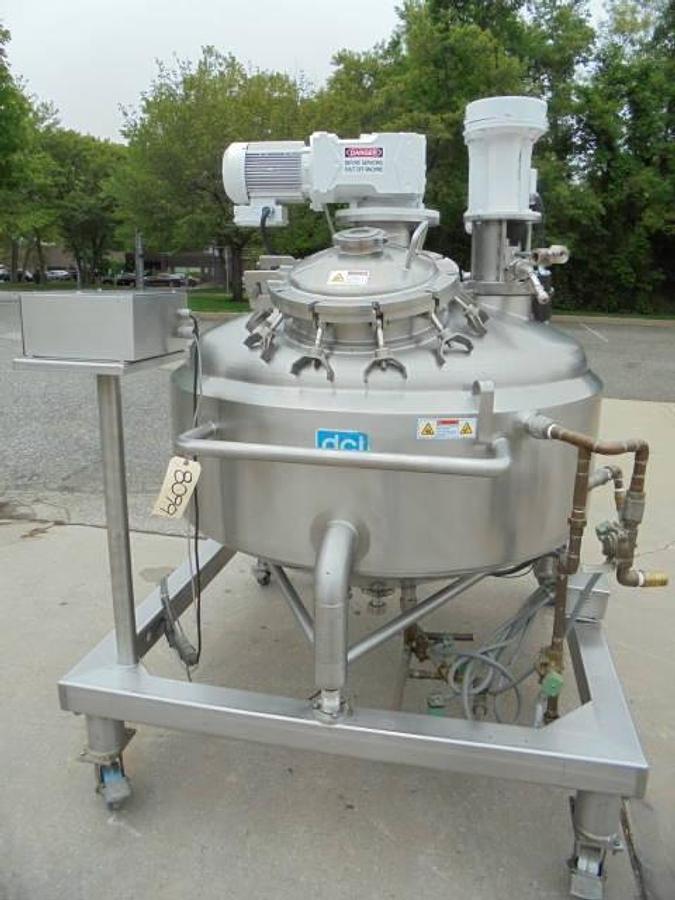
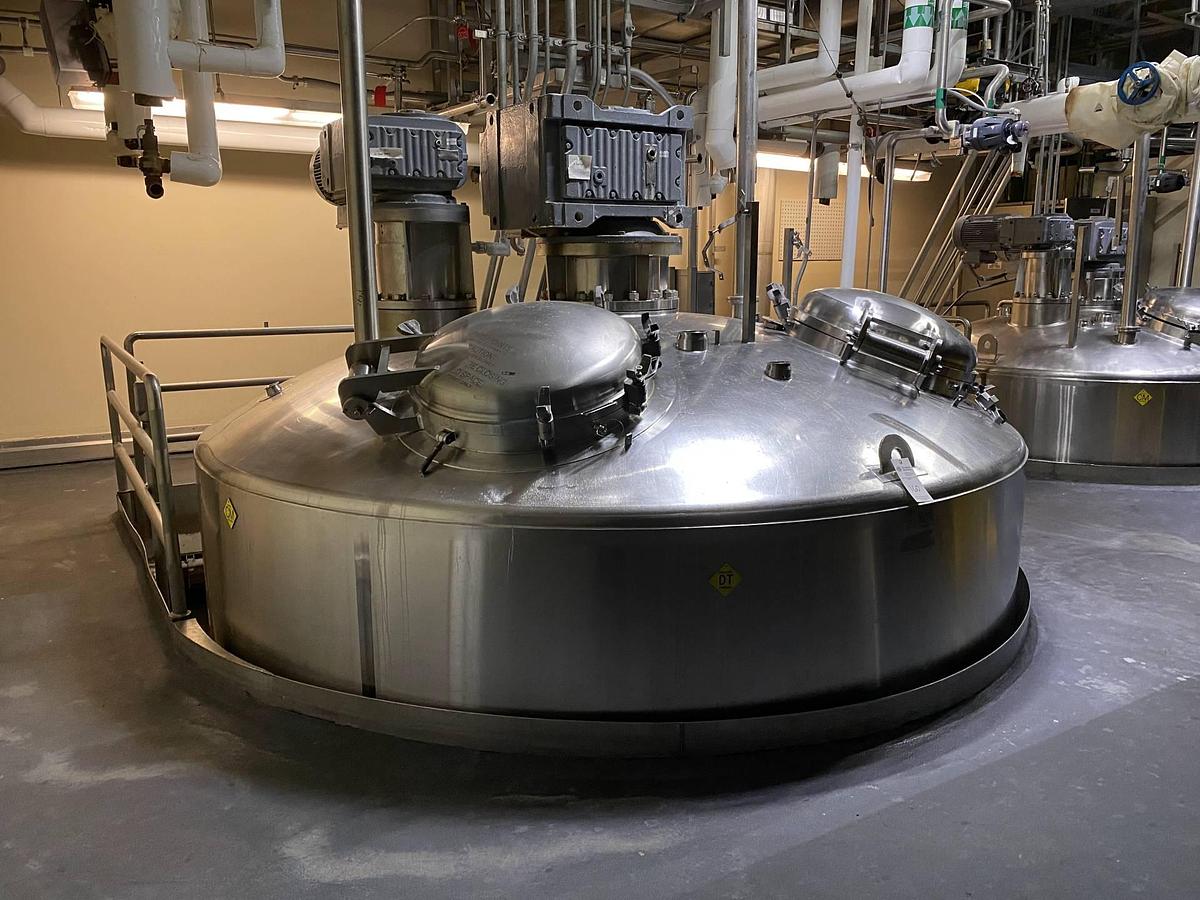
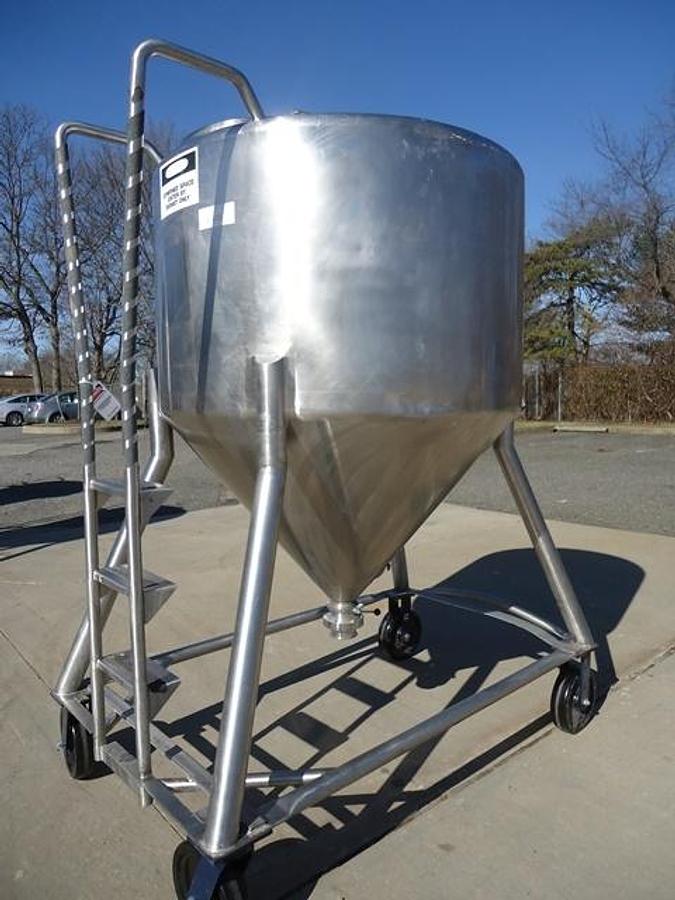
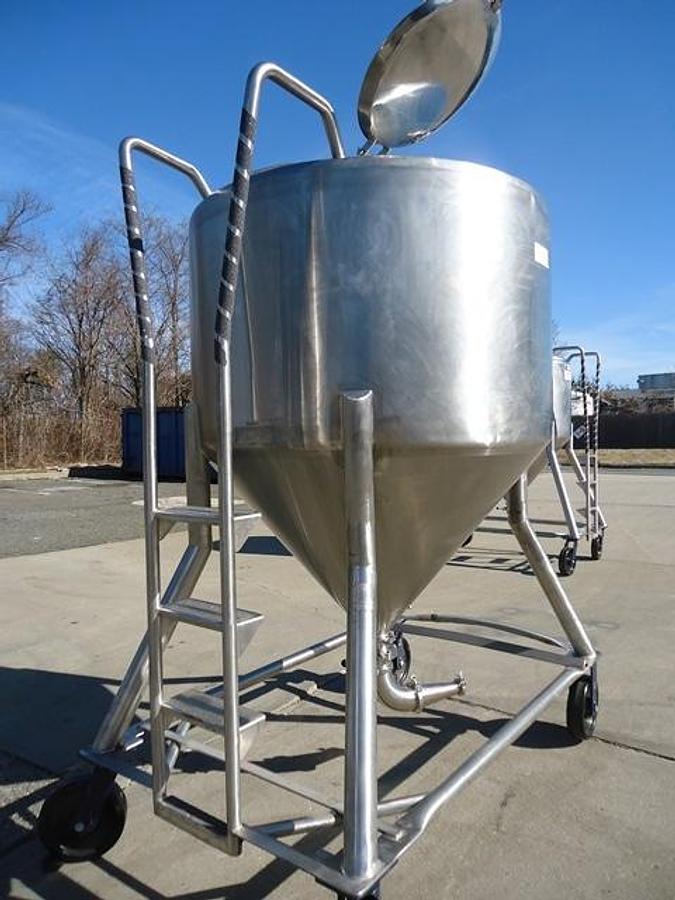
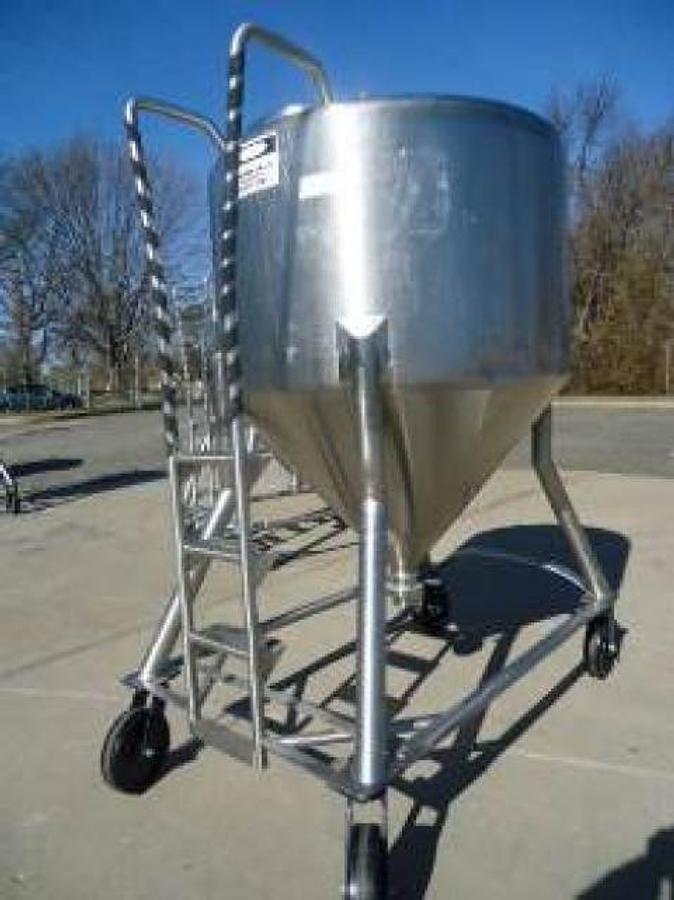
The used market for DCI tanks typically includes several distinct configurations: open-top mix tanks, jacketed mix tanks with dimple-plate or full-jacket construction, vacuum process kettles, cone-bottom tanks, and agitated mix kettles. Jacketed tanks are among the most frequently listed, as their temperature control capability makes them useful across a broad range of applications. Cone-bottom portable tanks on casters are also common and appeal to buyers who need flexibility in their facility layout or who run smaller batch operations.
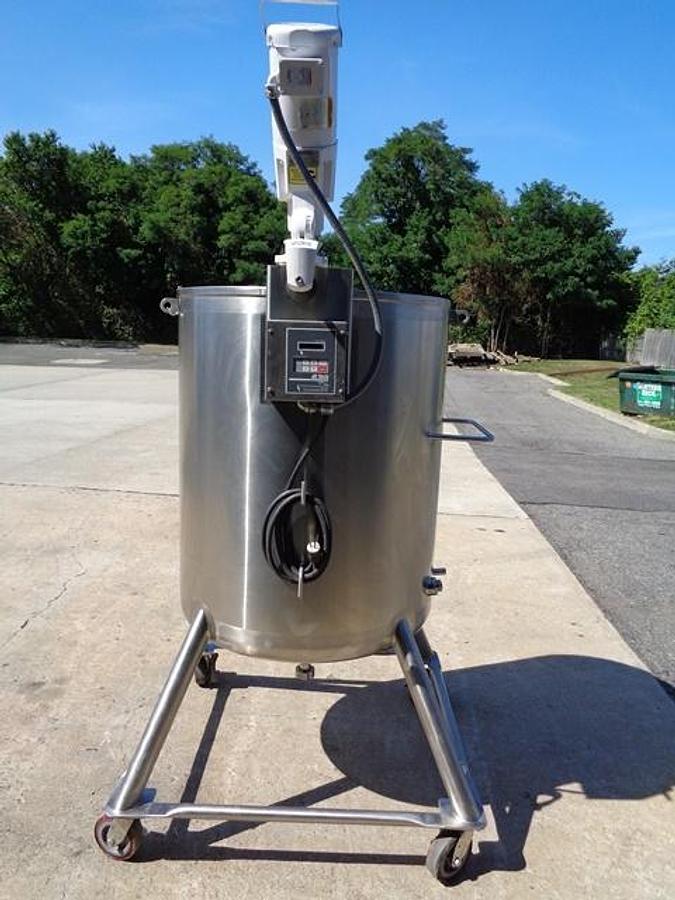
Agitated tanks, which include a mixer or disperser mounted to the vessel, are particularly sought after because they arrive as a more complete processing unit. Some listings include specialized features like vacuum capability, high-shear dispersers such as the Admix brand, or pressure ratings that allow the vessel to function as a reactor. Buyers sourcing used DCI tanks should review the specific features of each listing carefully, since two tanks of the same nominal capacity can differ significantly in jacket pressure rating, agitator type, nozzle configuration, and overall condition.
What certifications should buyers look for when purchasing used DCI process tanks?
Two certifications carry the most weight for buyers in sanitary processing industries: ASME (American Society of Mechanical Engineers) certification and 3-A Sanitary Standards compliance. ASME certification, typically indicated by a stamped nameplate on the vessel, confirms that the tank was designed and fabricated to meet specific pressure vessel codes, which is critical for jacketed tanks operating under pressure or vacuum. Many used DCI jacketed tanks are listed with their jacket pressure ratings (such as 40 PSI, 135 PSI, or 140 PSI), and an ASME stamp validates that the vessel was built to handle those conditions safely.
3-A Sanitary Standards compliance indicates that the tank's design and surface finishes meet hygiene requirements recognized by the dairy and food processing industries, including criteria for cleanability and materials of construction. Buyers in pharmaceutical or biotech applications may also look for documentation related to surface finish Ra values and material certifications (mill certs) for the stainless steel used in fabrication. When buying used equipment, it is worth asking the dealer whether any original documentation, nameplates, or certifications accompany the tank, since this paperwork can be important for facility audits and regulatory inspections.
Are used DCI process tanks compatible with CIP (Clean-In-Place) systems?
DCI tanks were designed for sanitary applications, which means their internal geometry, surface finishes, and nozzle configurations are generally well-suited for CIP cleaning systems. Smooth interior welds, polished stainless surfaces, and properly positioned spray ball or spray nozzle ports are the key design features that make a tank CIP-compatible. Most DCI mix tanks and jacketed vessels feature these characteristics as a baseline, which is one reason they are favored in industries where daily or between-batch cleaning is mandatory.
That said, buyers should confirm the specific nozzle configuration of any used tank before assuming full CIP compatibility with their existing system. Some older tanks may have fittings or port placements that require adapters or modifications to integrate cleanly with modern CIP skids. It is also worth inspecting the interior welds and surface condition of a used tank, since scratches, pitting, or degraded surface finish from years of use can create harborage points that reduce cleaning effectiveness. A thorough inspection, whether in person or via detailed video, should include a close look at interior surfaces, welds, and all nozzle entry points.
What do buyers typically pay for used DCI process tanks?
Pricing for used DCI process tanks varies considerably based on capacity, configuration, condition, and included features like agitators or jacketing. Smaller units in the 200 to 500-gallon range generally sell for less than larger vessels, while jacketed and agitated tanks command higher prices than basic open-top mix tanks of the same capacity. A used 1,500-gallon dimple-jacketed mix tank with a pressure-rated jacket will typically be priced higher than a comparably sized non-jacketed vessel because of the added fabrication cost and utility of the jacket.
Used DCI tanks tend to hold their value better than many competing brands because of the manufacturer's reputation for quality stainless steel fabrication and long service life. Buyers should factor in not just the listed price but also freight, rigging, and any reconditioning costs when evaluating total acquisition cost. Requesting a detailed inspection before purchase helps buyers assess whether a tank needs gasket replacements, agitator service, or surface refinishing, all of which affect the true cost of putting the equipment into service.
What should buyers inspect before purchasing a used DCI process tank?
A thorough pre-purchase inspection of a used DCI process tank should cover several areas: the condition of interior surfaces and welds, the integrity of the jacket (for jacketed models), the functionality of any agitator or mixer, and the condition of all nozzles, valves, and fittings. Interior surface condition is especially important for sanitary applications, since pitting, deep scratches, or weld degradation can compromise cleanability. Buyers should ask for close-up photos or video of the interior, particularly around welds and the bottom of the vessel where product tends to pool.
For jacketed tanks, confirming that the jacket holds pressure without leaks is critical, since a compromised jacket can be expensive to repair and may affect the tank's ASME certification status. Reputable used equipment dealers will typically accommodate in-person inspections or provide detailed video walkthroughs of the machine. Some tanks may still be installed and operating at a production facility, in which case a visit can be arranged through the dealer. Keep in mind that most dealers do not have the permitting or production capability to run actual product through the tank during an inspection, so the assessment will focus on physical condition, mechanical operation of moving parts, and documentation review rather than a full production test.
What are the shipping and logistics considerations for buying a used DCI process tank?
Process tanks, particularly larger stainless steel vessels, require careful planning for safe transport. Depending on the tank's size and weight, it may need to be crated or palletized before shipment, and the cost of that packaging is typically separate from the freight charge itself. Larger tanks, such as 1,500-gallon or 6,000-gallon vessels, will likely require flatbed trucking and professional rigging equipment for loading and unloading, which adds to the total landed cost. Buyers should ask the dealer for a complete breakdown of packaging, rigging, and freight costs before committing to a purchase so there are no surprises.
For smaller portable tanks on casters, shipping logistics are more straightforward, but the tanks still need to be secured properly to prevent movement and damage during transit. International buyers face additional considerations including export crating requirements, customs documentation, and potentially longer lead times for freight coordination. Regardless of tank size, it is worth confirming with the dealer whether the equipment will be shipped from the dealer's facility or directly from a third-party plant, since the loading capabilities at the origin point can affect rigging options and scheduling.
What payment terms are typical when buying used DCI process tanks from a dealer?
Used equipment dealers selling DCI process tanks generally require payment in full before the equipment is released for shipment. This is standard practice in the used machinery industry and applies to most transactions regardless of the buyer's size or purchase history. The reasoning is straightforward: once a tank ships, the dealer has limited recourse if payment issues arise, so full payment upfront protects both parties and keeps transactions clean. Accepted payment methods vary by dealer but commonly include wire transfer and other verifiable forms of payment.
Some dealers may extend payment terms to established repeat customers with whom they have a documented purchasing history, but this is the exception rather than the rule for first-time buyers. Buyers who are unfamiliar with a particular dealer should take time to research the company's track record, years in business, and specialization in food and beverage or sanitary process equipment before sending funds. Selecting a dealer with a long history in the industry and verifiable references reduces the risk that comes with any used equipment purchase where the buyer and seller may never meet face to face.