Category
Manufacturer
Model
Cvc
Cvc is a supplier of packaging automation systems, focusing on industries such as pharmaceuticals and consumer goods. Their machines include labelers and cartoners, designed to improve the speed and accuracy of packaging operations in high-volume environments.
FAQ:
What is CVC packaging equipment and what industries use it?
CVC is a manufacturer of packaging automation systems with a strong focus on pharmaceuticals, nutraceuticals, consumer goods, and cosmetics. Their equipment is designed to handle the high-accuracy, high-volume demands of these industries, where consistency and speed directly affect product quality and regulatory compliance. CVC machines are particularly well regarded in pharmaceutical and nutraceutical settings, where precise tablet and capsule counting, accurate labeling, and reliable bottling line performance are non-negotiable requirements.
The product range covers several core packaging functions, including electronic tablet and capsule counters, pressure sensitive labelers, and complete bottling lines. These machines are built to improve throughput and reduce human error in packaging operations, making them a practical choice for facilities that need to scale production without sacrificing accuracy. Because CVC equipment tends to have a compact footprint, it also suits small to mid-sized operations that may not have the floor space for larger industrial systems.
What types of used CVC packaging machines are commonly available on the market?
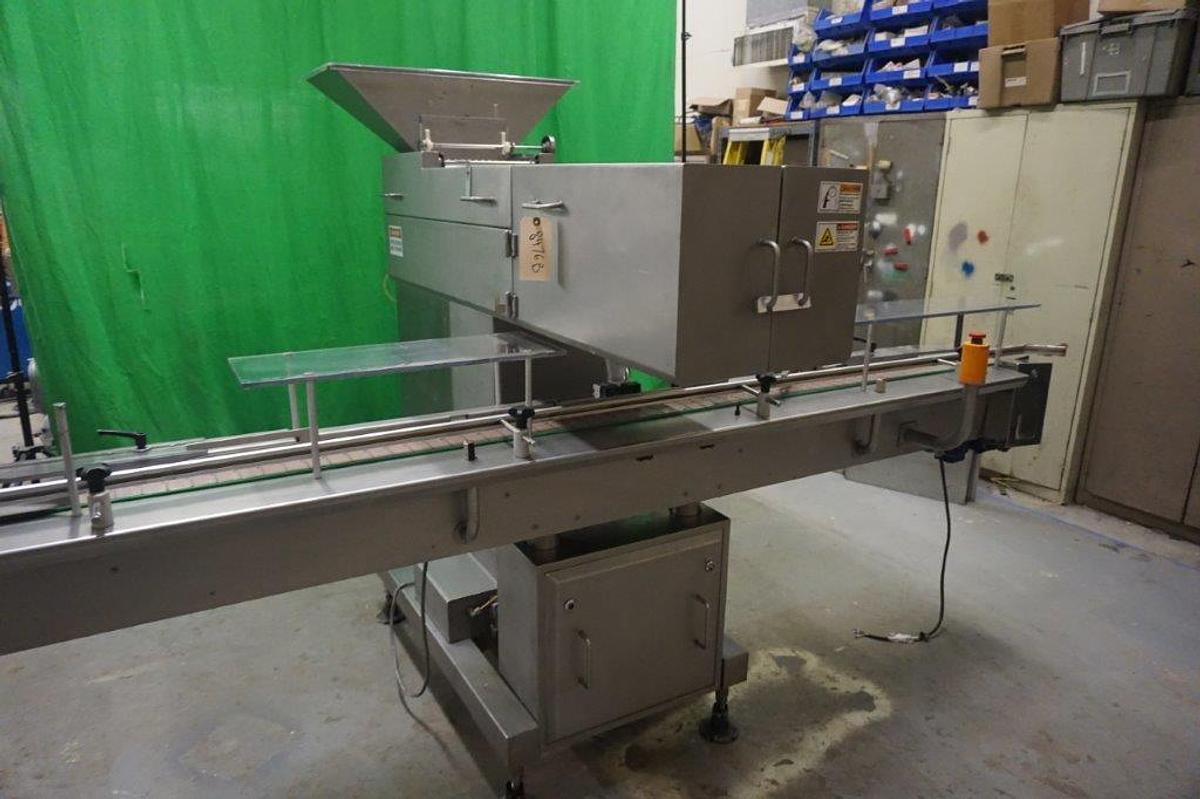
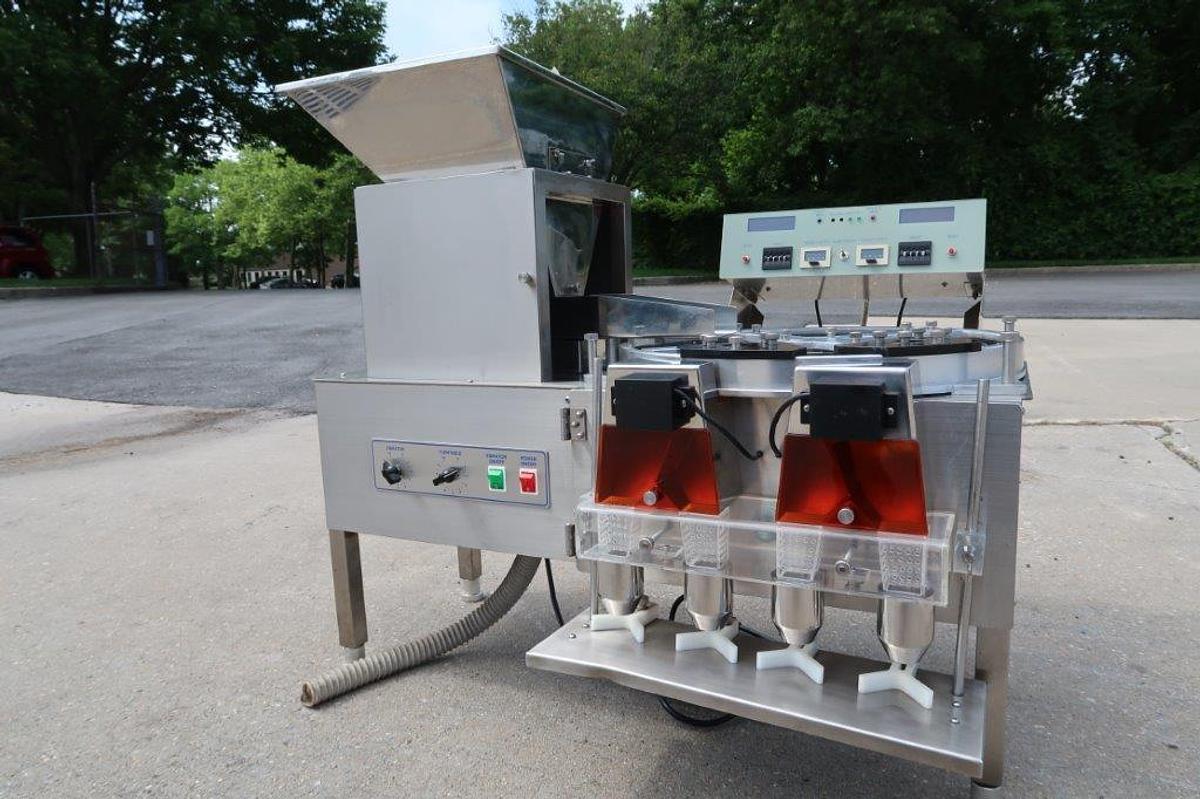
The used CVC equipment market typically includes several categories of machines. Tablet and capsule counters are among the most frequently available, ranging from tabletop electronic counters suited for smaller batch runs to channel counters with integrated conveyors designed for higher-volume production. These counters are built with stainless steel construction to meet sanitary standards common in pharmaceutical and nutraceutical environments.
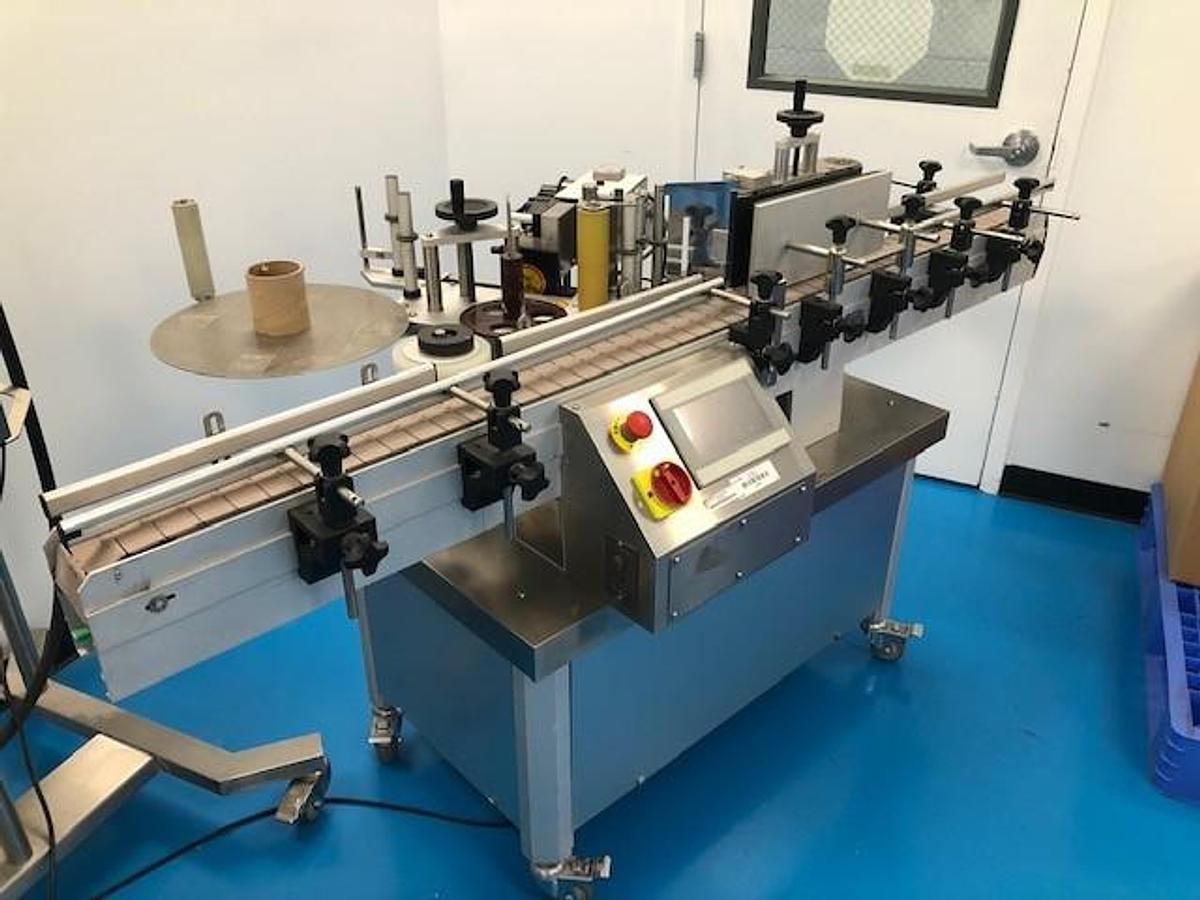
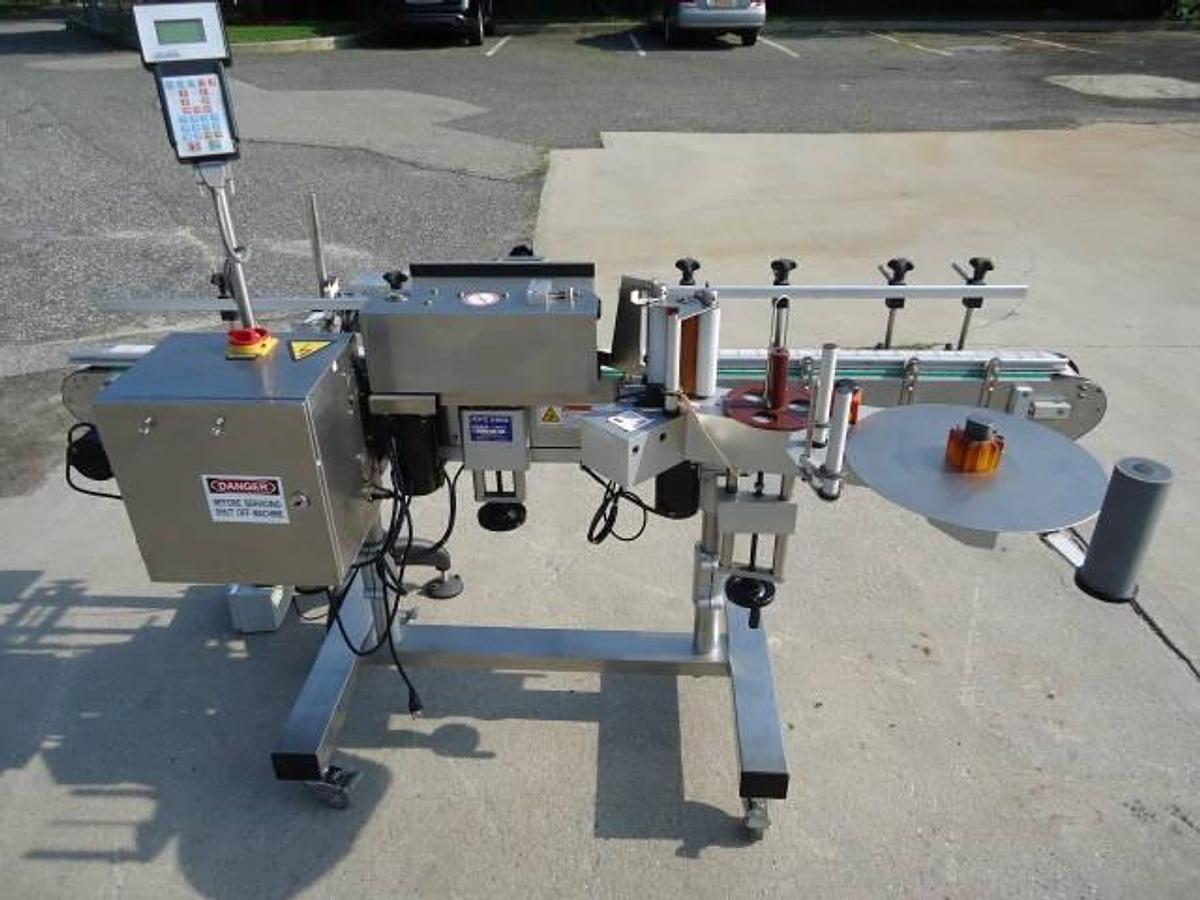
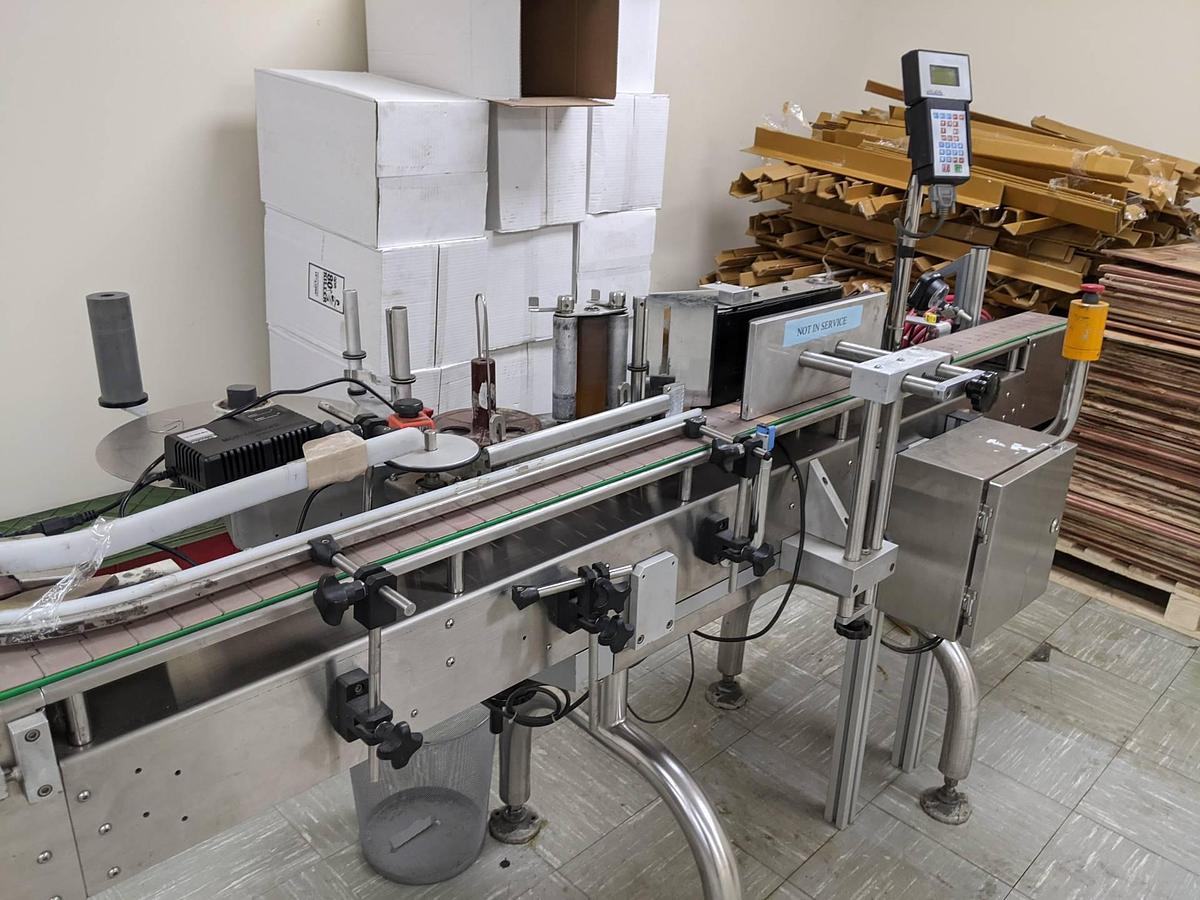
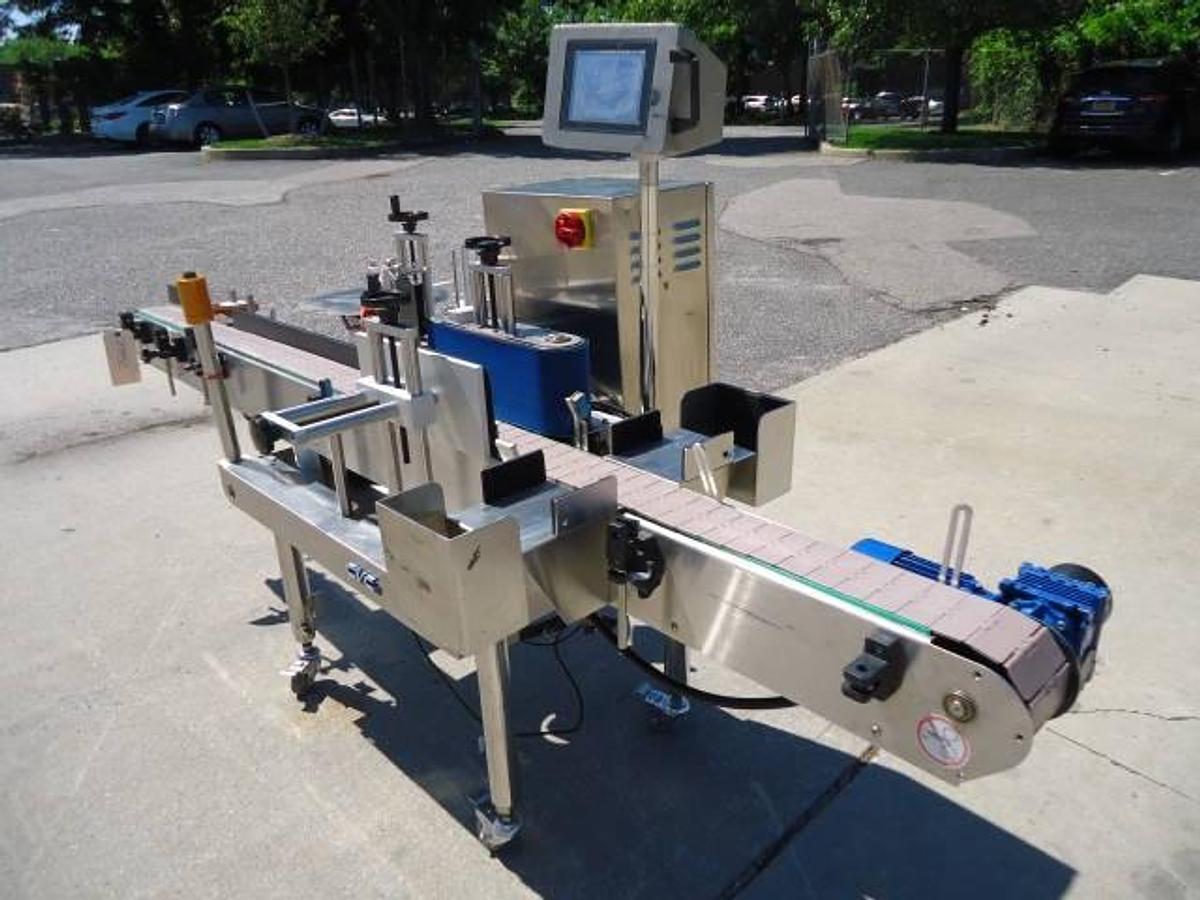
Pressure sensitive labelers make up another significant portion of available used CVC inventory. These machines handle both spot and wraparound label applications and are available in manual, semi-automatic, and fully automatic configurations. Some models feature digital control panels for easier parameter adjustments. Complete CVC bottling lines also appear on the used market periodically, offering buyers the ability to acquire a more integrated solution rather than sourcing individual machines separately. Availability of any specific model will vary depending on what has recently come off production lines and entered the secondary market.
What should buyers know about purchasing used CVC packaging equipment versus buying from a manufacturer?
Buying used CVC packaging equipment offers a meaningful cost advantage over sourcing directly from a manufacturer, but it comes with a different set of responsibilities for the buyer. Used machines are typically sold as-is, meaning there is no manufacturer-backed coverage in place. The condition of the equipment depends entirely on how it was maintained and operated in its previous production environment. This shifts the burden of due diligence squarely onto the buyer, which makes choosing a reputable dealer with a long track record in the packaging machinery space especially important.
A trustworthy used equipment dealer will offer inspection options, provide accurate condition disclosures, and be transparent about the machine's history where that information is available. Buyers should also contact CVC directly to understand what level of technical support and parts availability they can expect for a given model and age of machine. Older or discontinued models may have limited manufacturer support, which is a factor worth weighing before committing to a purchase. Taking the time to verify these details before buying protects against costly surprises after the machine arrives.
How can buyers inspect used CVC packaging equipment before purchasing?
Reputable used equipment dealers typically offer multiple inspection options to give buyers an accurate picture of a machine's current condition. In-person inspections are the most thorough approach, allowing a buyer or their technician to physically examine the machine, check for wear, test mechanical functions, and assess the overall state of components. Some machines may still be installed and operating at the facility where they are being sold, which can allow for a live production inspection coordinated between the dealer and the current owner.
For buyers who cannot travel, video inspections and detailed video captures of the equipment are a practical alternative. A good dealer will walk through the machine on camera, demonstrating key functions and highlighting any visible wear or condition issues. One important limitation to keep in mind is that most used equipment dealers are not set up to run actual product through a machine during an inspection. Operating a production line requires permits and facility infrastructure that dealers generally do not have. Inspections therefore focus on mechanical condition, electrical function, and visual assessment rather than live production runs. Buyers should ask specific questions during any inspection and request close-up footage of components that are critical to their application.
What production speeds can CVC tablet and capsule counting equipment achieve?
CVC electronic tablet and capsule counters are designed for the pharmaceutical and nutraceutical industries, where throughput and accuracy both matter. Tabletop models are generally suited for smaller batch operations or lower-volume production environments, offering a practical solution for facilities that do not require continuous high-speed output. Channel counter models, such as the CVC 1220, are built for higher-volume applications and typically include integrated conveyors to keep product moving efficiently through the line.
Actual production speeds for any specific used machine will depend on the model, the size and shape of the tablets or capsules being counted, and the condition of the machine at the time of purchase. Used equipment that has been well maintained can perform close to its rated specifications, while machines with worn components may require servicing before reaching full capacity. Buyers should ask dealers about the operational history of a specific unit and factor in the possibility of some refurbishment or calibration work after acquisition to get the machine running at optimal output for their application.
What is a CVC pressure sensitive labeler and how does it work?
A pressure sensitive labeler applies pre-printed labels to containers using the adhesive already present on the label stock, without requiring heat or moisture to activate the bond. CVC manufactures both spot labelers, which apply a single label to one face of a container, and wraparound labelers, which apply a label that wraps around a cylindrical container such as a bottle or jar. Many CVC labeler models are capable of handling both application types, making them versatile for facilities that package different product formats.
In operation, containers move along a conveyor or are manually positioned, and the labeler feeds label stock from a roll, peeling and pressing each label onto the container at a consistent position. CVC's automatic models handle this process with minimal operator involvement, using sensors and drive systems to maintain registration accuracy. Digital control panels on some models allow operators to adjust speed, label position, and other parameters without mechanical changes. These labelers are widely used in pharmaceutical bottling lines, nutraceutical packaging, and consumer goods operations where label placement accuracy and line speed are both priorities.
What does a complete CVC bottling line include?
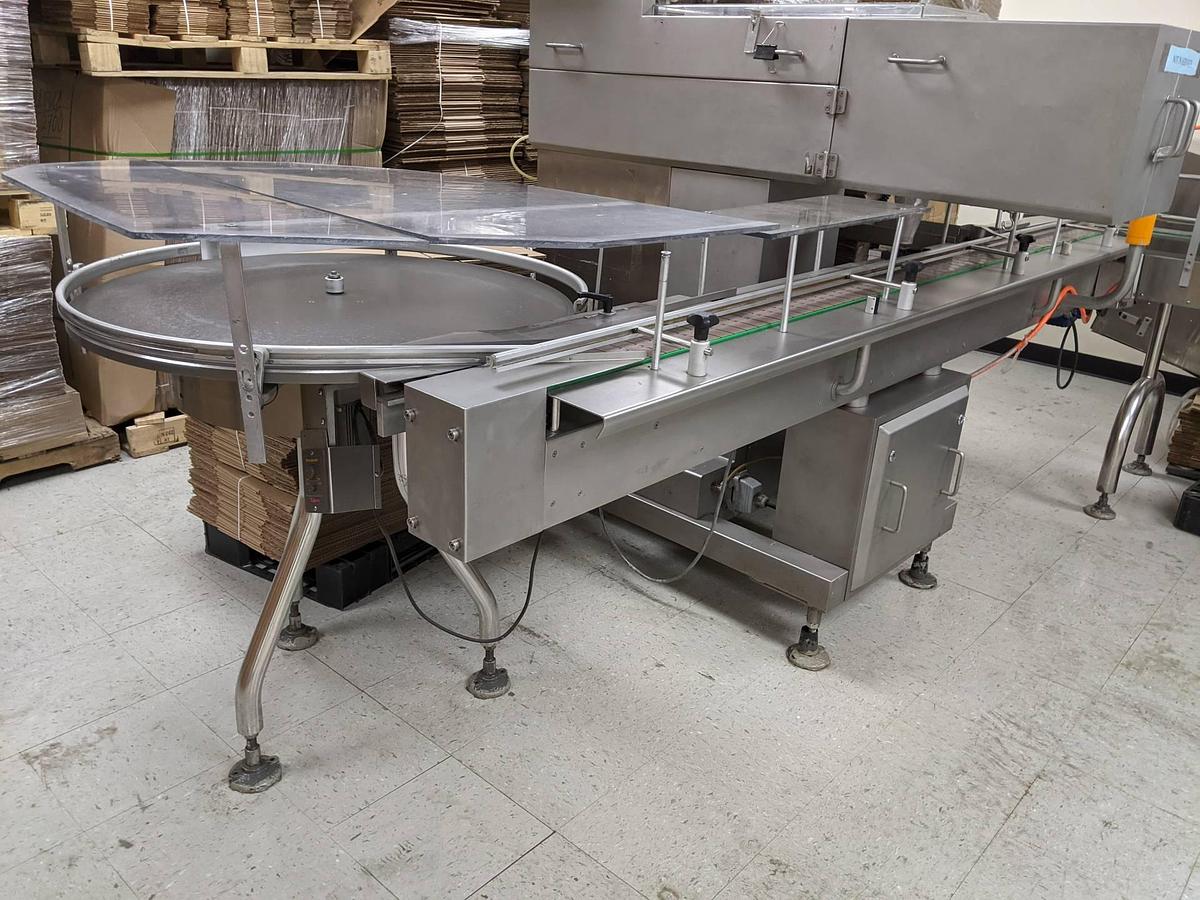
A CVC tablet and capsule bottling line integrates multiple packaging functions into a single automated system. At a high level, these lines typically combine counting, filling, capping, and labeling operations so that bottles move through the entire packaging sequence with minimal manual handling between stages. The automatic configuration is designed for facilities that need consistent output at scale, reducing the labor requirements and variability that come with semi-manual processes.
When evaluating a used CVC bottling line, buyers should assess each component of the line individually, since different sections may have accumulated different levels of wear depending on which stages were the highest-throughput bottlenecks in the previous operation. It is also worth confirming which components are included in the sale, as lines are sometimes sold with certain ancillary equipment removed. Asking the dealer for a detailed equipment list and requesting inspection footage of each station in the line will give a clearer picture of what is actually being purchased and what condition each section is in.
Are replacement parts and technical support available for used CVC packaging machines?
Parts availability for used CVC equipment depends primarily on the age and model of the machine. For relatively recent models, CVC or authorized service providers may still stock or be able to source replacement parts. For older or discontinued models, parts availability can be more limited, and buyers may need to work with third-party machining services or source components from other decommissioned machines. Before purchasing any used CVC machine, it is worth contacting the manufacturer directly to ask about parts and support for that specific model number and production year.
Technical support follows a similar pattern. Manufacturers generally provide stronger support for current or recently discontinued models than for older equipment. Some used equipment dealers with deep experience in the packaging machinery space can also be a resource for troubleshooting and sourcing parts, particularly if they specialize in pharmaceutical and nutraceutical packaging equipment. Buyers should factor parts availability and potential service costs into their total cost of ownership calculation, not just the purchase price of the machine itself. A lower acquisition cost can be offset quickly if critical replacement parts are difficult or expensive to obtain.
What should buyers expect regarding shipping and delivery of used CVC packaging equipment?
Shipping used packaging machinery involves more planning than standard freight. Machines need to be properly palletized or crated to prevent damage in transit, and the level of packaging required varies based on the size, weight, and fragility of the equipment. Smaller tabletop units like CVC counters are generally easier and less expensive to ship than full bottling lines or large automatic labelers. Buyers should ask the dealer specifically how the machine will be packaged and what that packaging service costs, since this is often a separate line item from the base freight charge.
Larger CVC machines may require professional rigging for loading at the dealer's facility and unloading at the buyer's location. Rigging involves specialized equipment and labor to safely move heavy machinery, and those costs can add up significantly depending on the machine's weight and the facilities involved on both ends. Getting a full landed cost estimate before committing to a purchase is important. That estimate should include the machine price, packaging or crating fees, freight charges, and any rigging costs at origin and destination. Most used equipment dealers require full payment before a machine ships, so buyers should also confirm payment terms early in the process.
How difficult is it to install and integrate used CVC packaging equipment into an existing production line?
The installation complexity for used CVC equipment varies considerably depending on the type of machine and the buyer's existing setup. Tabletop counters and smaller semi-automatic labelers are generally straightforward to set up, requiring a power connection and basic calibration to get running. Fully automatic systems and integrated bottling lines involve more steps, including mechanical alignment, conveyor integration, electrical hookups, and parameter programming. Buyers without in-house packaging machinery expertise may want to budget for a qualified technician or millwright to handle installation.
One factor that affects integration difficulty with used equipment specifically is the availability of documentation. Manuals, wiring diagrams, and parts lists make installation and troubleshooting significantly easier. Buyers should ask the dealer whether documentation is included with the machine. If it is not, contacting CVC directly to request documentation for the model is a reasonable step, though availability will depend on the age of the machine. Setting realistic expectations about the time and resources needed for installation helps avoid production delays after the equipment arrives. Factoring in some time for calibration, test runs, and operator familiarization is a good practice regardless of how well the machine was documented or how recently it was last in production.