Category
Manufacturer
Model
Crown
Crown is a global leader in material handling equipment, known especially for their forklifts and lift trucks. They serve a wide array of industries including warehousing and logistics, focusing on durability and innovative design to improve operational productivity.
FAQ:
What types of Crown equipment are available on the used market?
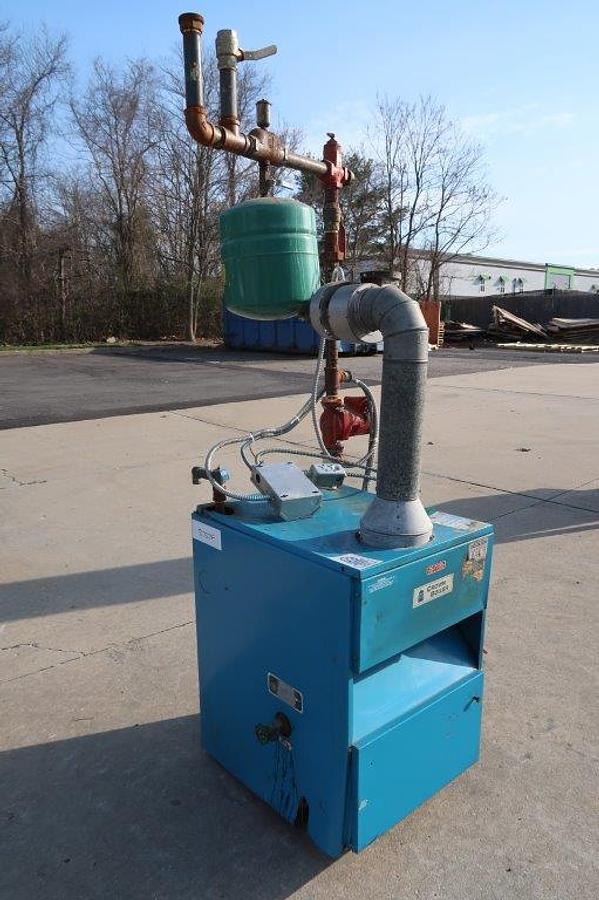
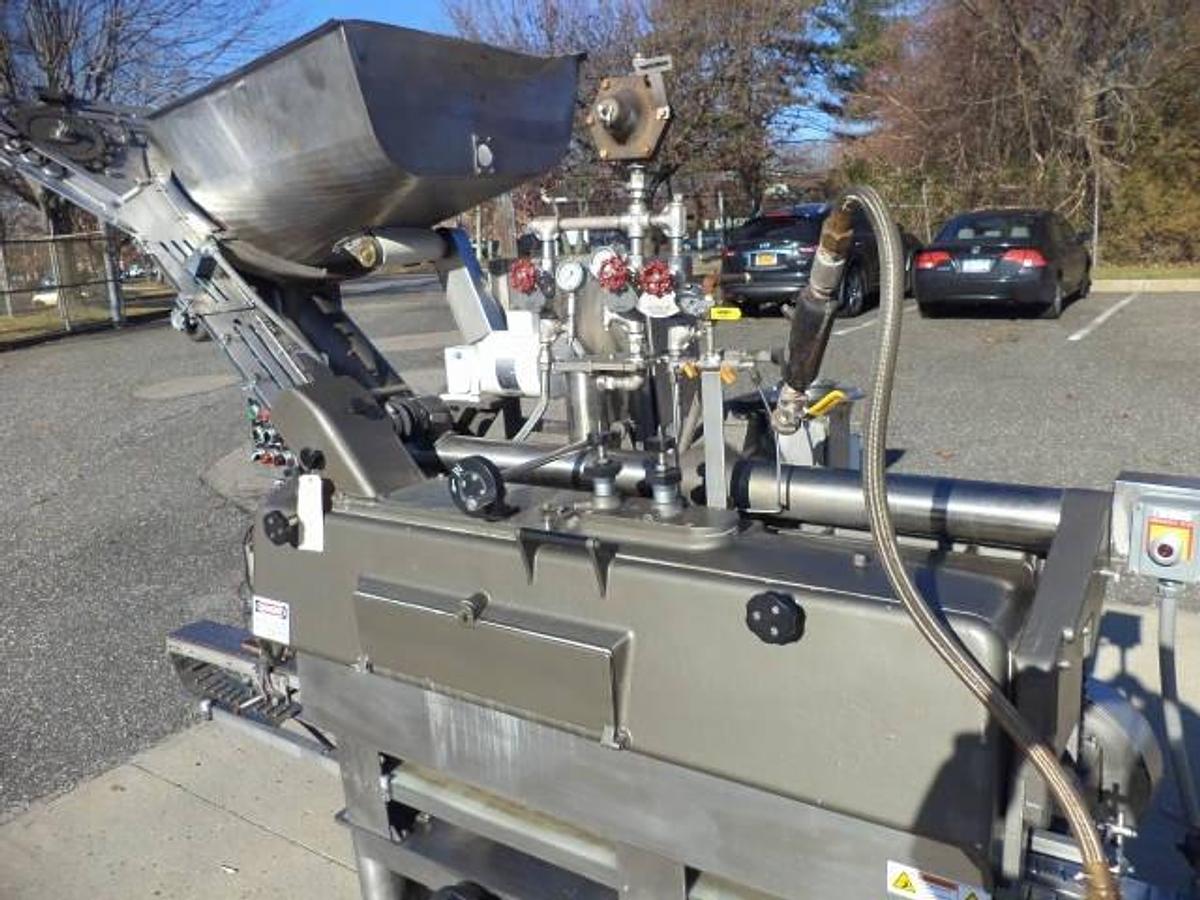
Crown produces a broad range of material handling equipment, and most of it circulates actively on the used market. The most common categories include electric counterbalanced forklifts, reach trucks, order pickers, walkie pallet jacks, ride-on pallet trucks, and stackers. Crown's electric-powered machines make up the majority of their lineup, which is part of why they're so prevalent in warehousing and distribution environments. Beyond forklifts and lift trucks, Crown also manufactures industrial boilers and packaging machinery, so buyers searching the used market may occasionally come across equipment like gas-fired boilers or high-speed vacuum sealing machines under the Crown name.
The variety of Crown equipment available through used dealers reflects the brand's wide adoption across industries. Warehousing, logistics, food and beverage, manufacturing, and retail distribution are all heavy users of Crown lift trucks. Because Crown machines are built to last and hold their value well compared to many competing brands, they tend to stay in service for many years, which means a healthy supply of used units enters the market regularly. Buyers should clarify exactly which model and configuration they need before shopping, since Crown's product line spans a wide range of load capacities, mast heights, and power configurations.
What is the typical price range for used Crown forklifts?
Pricing for used Crown forklifts varies considerably depending on the model, age, condition, hours of use, and lift capacity. A used Crown walkie pallet jack in working condition might sell for anywhere from $1,500 to $5,000, while a used electric counterbalanced sit-down forklift can range from $8,000 to $25,000 or more depending on its specifications. Reach trucks and order pickers tend to fall in the $10,000 to $30,000 range for used units in good working order. Specialty or higher-capacity models will push prices toward the upper end or beyond those figures.
Crown equipment is generally recognized for strong resale value, which means used Crown machines often command a modest premium over comparable used forklifts from lesser-known brands. That said, buyers who shop carefully can find solid used Crown equipment at prices well below what a comparable machine would cost through a manufacturer's dealer network. Factors like battery condition on electric models, available service history, and the number of hours on the machine are all meaningful price drivers. Buyers are encouraged to get a full picture of a machine's maintenance history and current condition before comparing prices, since two units with the same model number can be in very different states of repair.
Does used Crown equipment come with a warranty?
Manufacturer warranties are tied to the sale of machines through authorized manufacturer channels and do not typically transfer to subsequent buyers on the used market. Used equipment dealers generally sell machines on an as-is basis, meaning the buyer takes on responsibility for understanding the condition of the machine at the time of purchase. This is standard practice across the used industrial equipment industry and is not specific to Crown. The absence of a warranty makes the inspection process especially important, and reputable used equipment dealers will accommodate in-person visits, video walkthroughs, or photo documentation to help buyers evaluate a machine before committing.
Buyers concerned about post-purchase support should contact Crown Equipment Corporation directly to understand what parts availability and service support they can expect for a specific model and serial number. Crown has a well-established dealer and service network, but the level of support available can vary depending on the age and model of the machine. Older units may have limited parts availability through Crown's network, while more recent models are more likely to have accessible components. Selecting a used equipment dealer with a long track record in the material handling industry adds an important layer of confidence, since experienced dealers tend to be more transparent about a machine's history and condition.
What load capacities are available in used Crown forklifts?
Crown forklifts are manufactured across a wide range of load capacities to serve different operational needs. Walkie pallet jacks and compact stackers typically handle loads in the 3,000 to 4,500 pound range, making them well-suited for lighter warehouse tasks. Electric counterbalanced sit-down forklifts from Crown commonly range from 3,000 to 6,000 pounds of rated capacity, covering the majority of standard warehouse and distribution applications. Reach trucks and order pickers are generally rated in a similar range, though their design prioritizes vertical lift height over raw load capacity.
For heavier-duty applications, Crown also produces larger counterbalanced electric forklifts capable of handling loads up to 12,000 pounds or more in certain configurations. When shopping the used market, buyers should pay close attention to the data plate on each machine, which lists the rated capacity at a specific load center distance. A forklift's effective capacity drops as the load center moves further from the mast, so understanding the rated capacity at the relevant load center for your specific application is critical. Buyers should also confirm that the forks, attachments, and mast configuration on a used unit match their operational requirements before purchasing.
How should I inspect a used Crown forklift before buying?
Inspecting a used Crown forklift thoroughly is one of the most important steps in the buying process, especially since used machines are sold without manufacturer warranties. Most reputable used equipment dealers offer multiple inspection options: in-person visits to their facility, live video walkthroughs conducted via video call, or recorded video and photo documentation of the machine. If the equipment is still in active service at a production facility, some dealers can arrange for buyers to observe it in operation at the actual site, which provides the clearest picture of its working condition. Keep in mind that dealers generally cannot run full production cycles to test output, since that requires permitting and operational infrastructure beyond what a typical equipment dealer maintains.
During an inspection, buyers should focus on the condition of the battery and charger on electric models, the state of the forks and mast, any visible hydraulic leaks, tire wear, the function of the control systems, and the overall structural condition of the frame. On Crown electric forklifts, the Access 1 2 3 control handle and onboard electronics are worth specific attention, since repairs to proprietary systems can carry higher parts and labor costs than simpler mechanical components. Asking for any available service records or maintenance logs is also worthwhile. The more information a buyer can gather before purchase, the better positioned they are to assess fair market value and anticipate any needed repairs after acquisition.
What are the most notable features of Crown forklifts compared to other brands?
Crown has built a strong reputation in the material handling industry largely on the basis of ergonomic design and operator-focused engineering. Their forklifts are frequently cited for low operator fatigue, intuitive controls, and visibility from the operator compartment. The Access 1 2 3 control handle, used across many of their electric lift truck models, consolidates directional, speed, and lift controls into a single interface that reduces the physical demand on operators during long shifts. Crown also developed the InfoLink fleet management system, which allows warehouse managers to monitor fleet utilization, operator certifications, impact events, and maintenance schedules across a connected fleet of machines.
From a durability standpoint, Crown machines are built with a focus on minimizing the number of components that wear out or require frequent replacement, which contributes to their strong resale value and long service life. Their electric-powered lineup aligns well with the growing preference for zero-emission warehouse equipment, and their on-board diagnostics make troubleshooting more straightforward for trained technicians. Buyers shopping the used market often specifically seek out Crown equipment because the brand's build quality means older machines can still deliver reliable performance with proper maintenance. That said, buyers should verify that any Crown-specific technology on a used unit is functioning correctly during inspection, since repairs to proprietary systems may require Crown-authorized service.
What industries commonly use Crown material handling equipment?
Crown material handling equipment is found across a wide range of industries, though warehousing and logistics are by far the most common application areas. Large-scale distribution centers, e-commerce fulfillment operations, and third-party logistics providers rely heavily on Crown reach trucks, order pickers, and pallet jacks to move goods efficiently through their facilities. The food and beverage industry is another major user, particularly for cold storage and refrigerated warehouse environments where Crown's electric forklifts are favored because they produce no exhaust emissions indoors. Retail distribution, pharmaceutical warehousing, and manufacturing plants also represent significant Crown user bases.
Beyond their lift truck lineup, Crown has produced industrial equipment in other categories as well. Gas-fired boilers bearing the Crown name have been used in commercial and industrial heating applications, and Crown-branded packaging machinery has served production lines in food processing and consumer goods manufacturing. Buyers shopping the used market for Crown equipment should be specific about which category of Crown product they are looking for, since the brand name spans both material handling and industrial process equipment. Used dealers who specialize in a particular industry segment will typically have more relevant inventory and more informed guidance than general-purpose machinery resellers.
What should I know about shipping and logistics when buying used Crown equipment?
Shipping used Crown equipment, particularly larger forklifts and lift trucks, involves more complexity than shipping standard freight. Forklifts and similar machines require proper blocking, bracing, and in many cases crating or specialized palletization to prevent damage in transit. The specific packaging requirements depend on the size and weight of the machine, the shipping method, and the carrier involved. Buyers should ask the selling dealer to explain exactly how the machine will be prepared for shipment and what that preparation adds to the total cost. Skimping on packaging to save money upfront can result in transit damage that far exceeds the savings.
For larger machines, rigging is often required for both loading at the seller's location and unloading at the destination. Rigging involves the use of cranes, forklifts, or other heavy equipment to safely move a machine onto and off of a flatbed or freight trailer, and it carries its own cost that buyers need to factor into the total landed price. Buyers who lack unloading equipment at their facility should make arrangements in advance, either through the shipping carrier or a local rigging company. Getting a clear breakdown of packaging costs, freight charges, and any rigging fees before finalizing a purchase is the best way to avoid surprises and accurately compare the true cost of machines from different sellers.
Are financing or leasing options typically available for used Crown equipment?
Financing options for used industrial equipment vary by dealer and depend on factors like the buyer's credit profile, the age and value of the equipment, and the dealer's relationships with equipment financing lenders. Many used equipment dealers work with third-party financing companies that specialize in industrial machinery loans, which can allow buyers to spread the cost of a used Crown forklift or lift truck over a period of months or years rather than paying the full amount upfront. Some dealers also offer lease structures, though leasing is more common with newer equipment and may be harder to arrange for older used machines.
It's worth noting that most used equipment dealers require payment in full prior to releasing or shipping a machine, which is standard practice in the industry. Some dealers extend payment terms to repeat customers with whom they have an established relationship, but first-time buyers should generally plan for full upfront payment unless financing through a third-party lender is arranged in advance. Buyers interested in financing should discuss options with the dealer early in the process, confirm what documentation is required, and factor in any financing fees or interest when evaluating the total cost of acquisition. Equipment financing rates and terms can vary significantly, so comparing a few lenders before committing is a reasonable step.
How do I evaluate whether a used Crown equipment dealer is reputable?
The used industrial equipment market includes dealers of widely varying quality, so taking time to vet a seller before purchasing is a sound practice. A few reliable indicators of a reputable dealer include years in business, a demonstrated track record in the specific type of equipment being sold, transparency about a machine's condition and history, and a willingness to accommodate thorough inspections. Dealers who specialize in material handling equipment will generally have more relevant expertise than generalist machinery resellers, and they are more likely to provide accurate descriptions and flag known issues honestly. Customer reviews, references from past buyers, and any industry affiliations or memberships can also be useful signals.
Reputable dealers will typically provide multiple photos of a machine from different angles, disclose any known defects or recent repairs, and offer inspection access either in person or via video. They should be able to answer specific questions about a machine's hours of use, maintenance history, and current operating condition. Payment practices are another indicator: established dealers have clear, documented processes for payment and transfer of title. Buyers should be cautious about sellers who are unwilling to allow inspections, pressure for unusually fast transactions, or are vague about the machine's history. Choosing a dealer with a long history in the material handling industry reduces risk considerably, since their reputation depends on accurately representing the equipment they sell.