Category
Manufacturer
Model
Crepaco
Crepaco is a leader in processing equipment for the dairy and food industries, known for their tanks and heat exchangers. Their solutions are integral for ensuring product quality and consistency, especially in large-scale food production environments.
FAQ:
What types of used Crepaco processing equipment are typically available on the market?
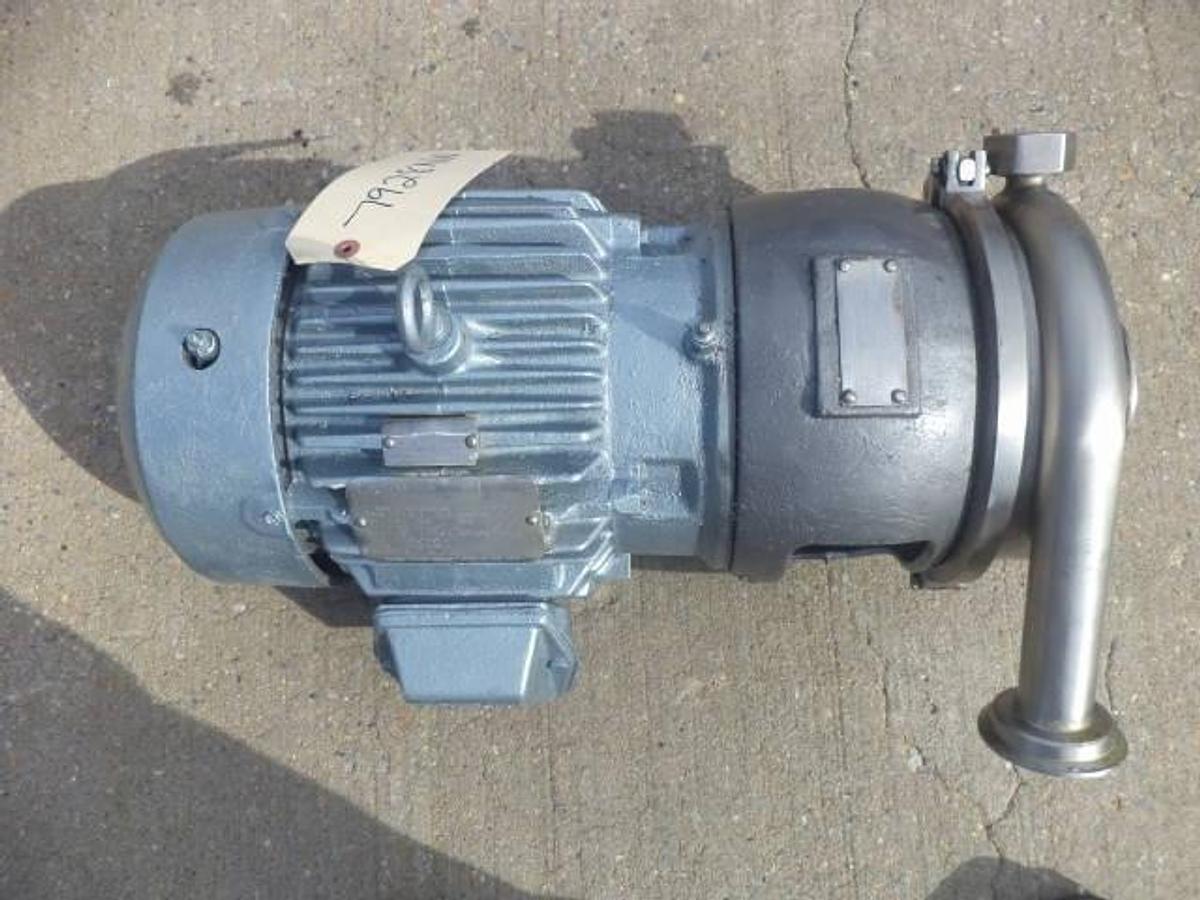
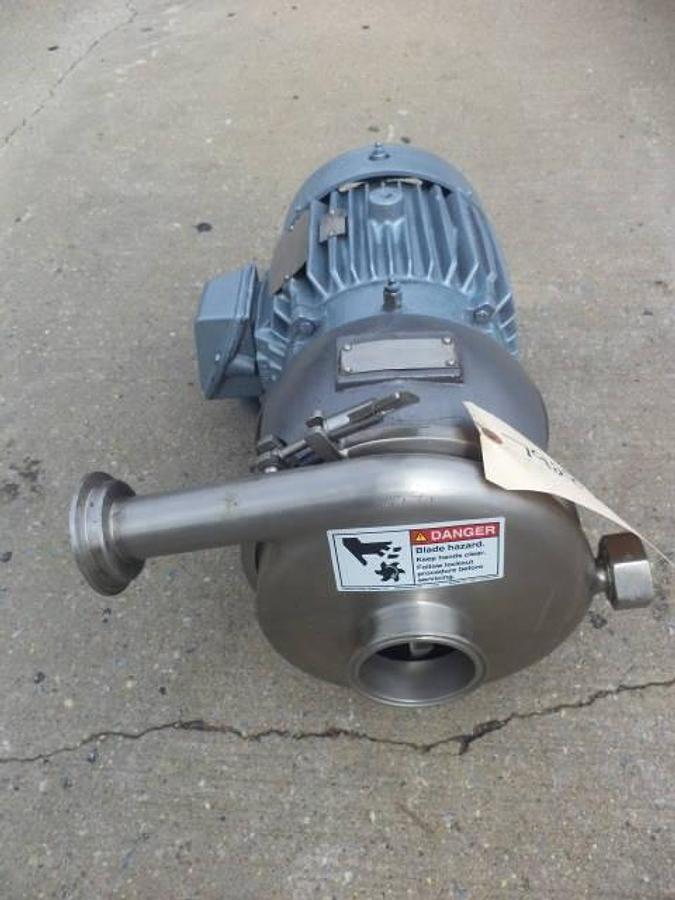
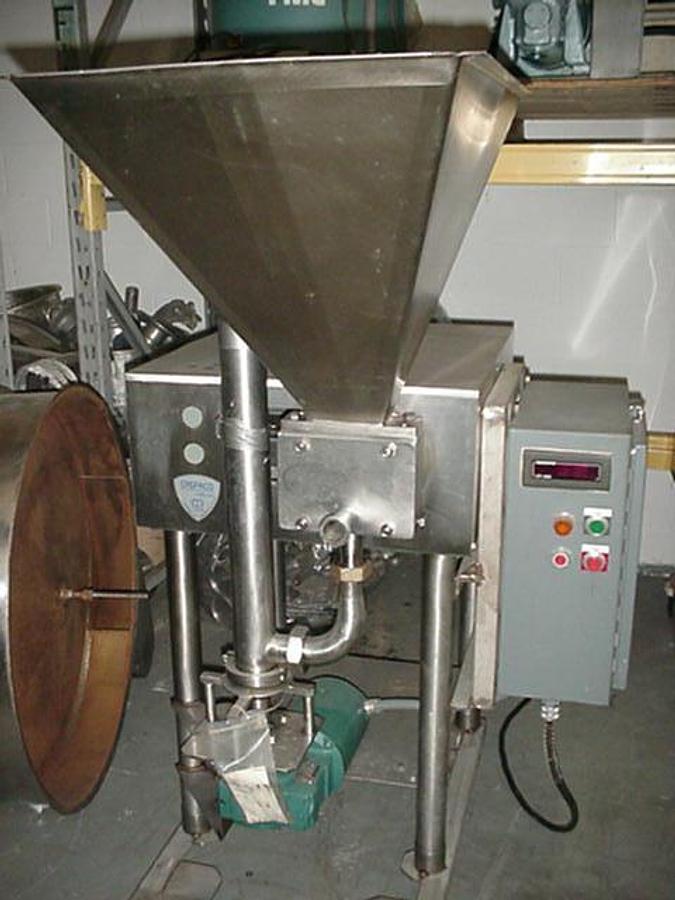
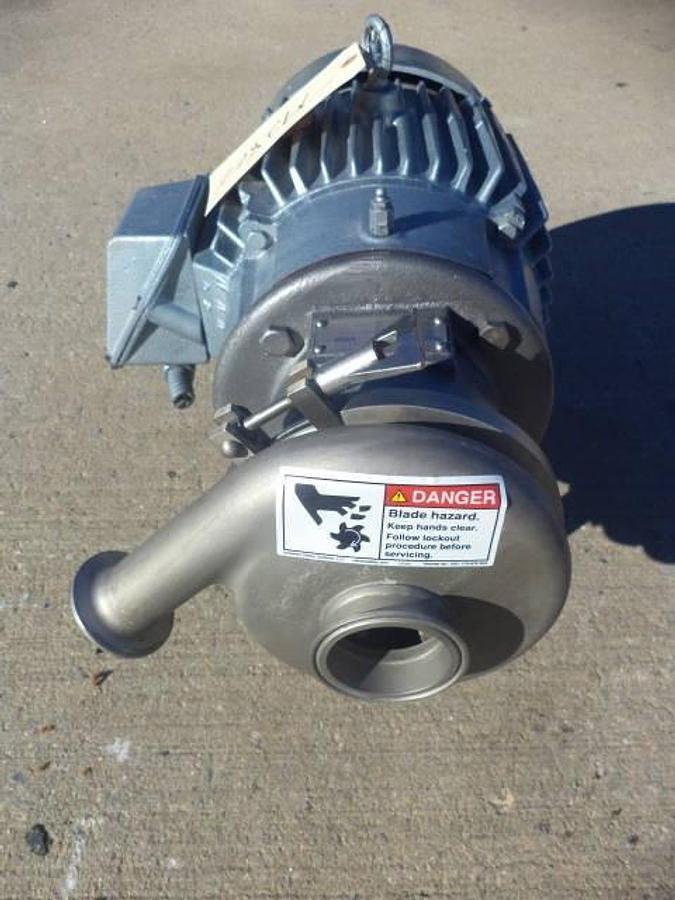
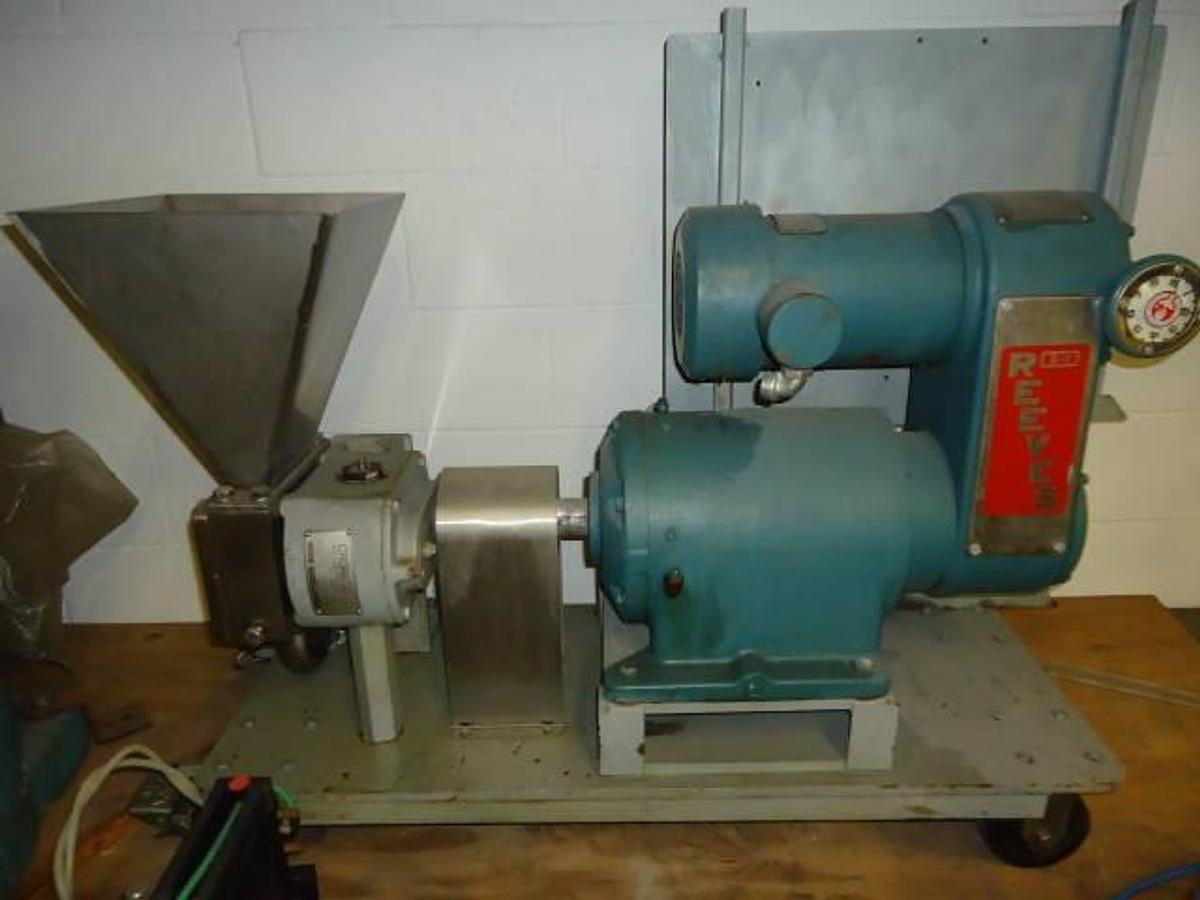
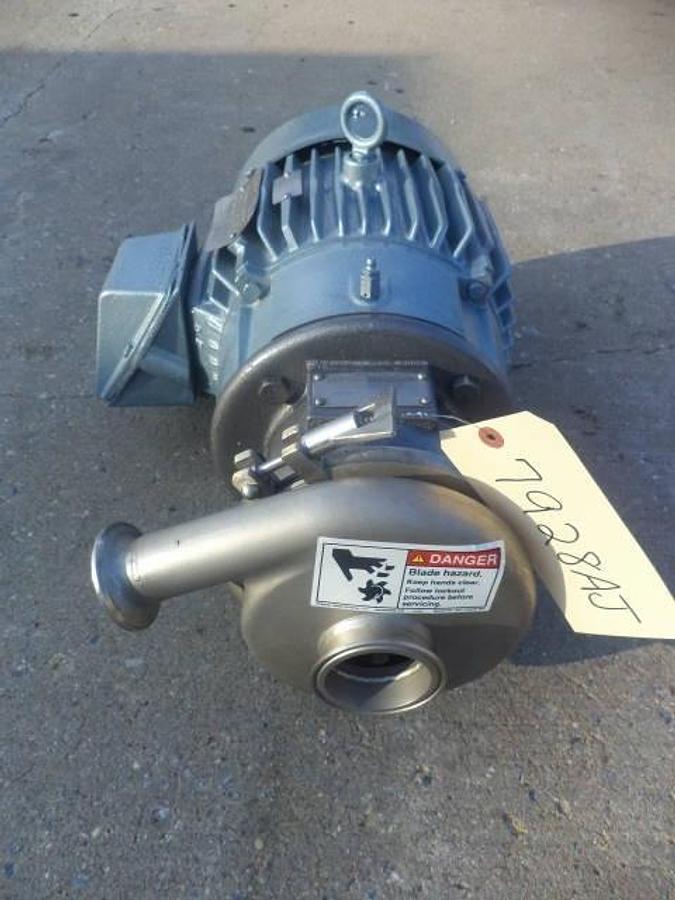
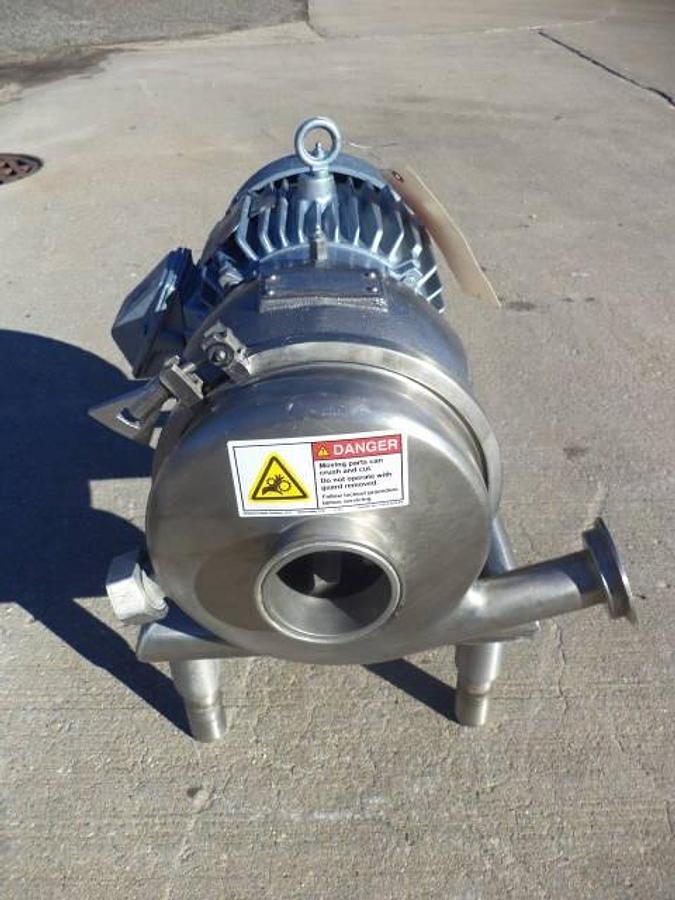
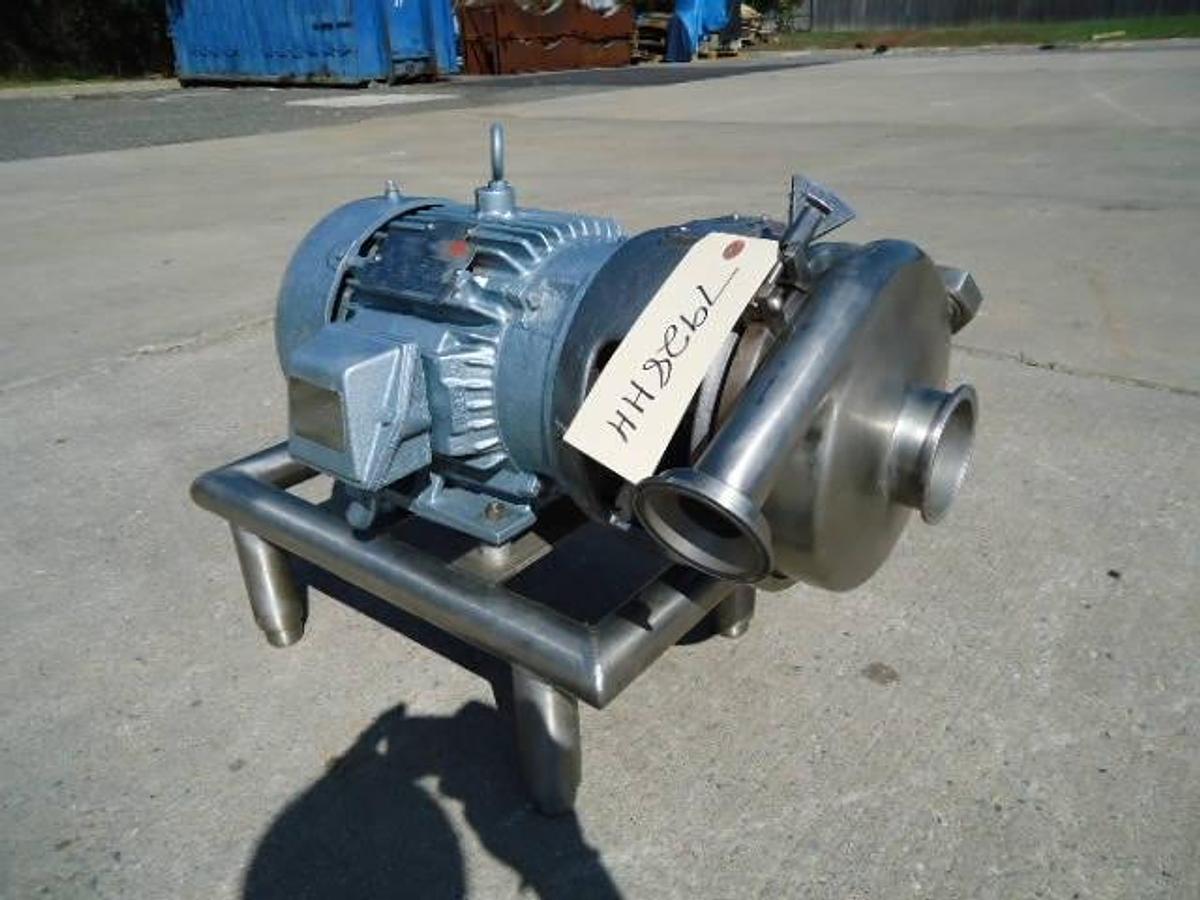
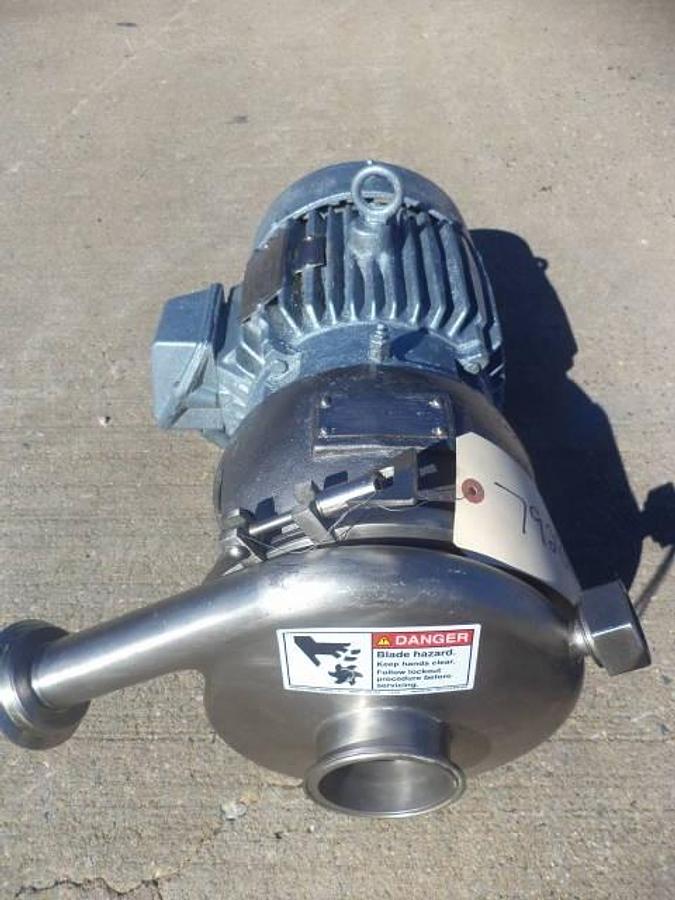
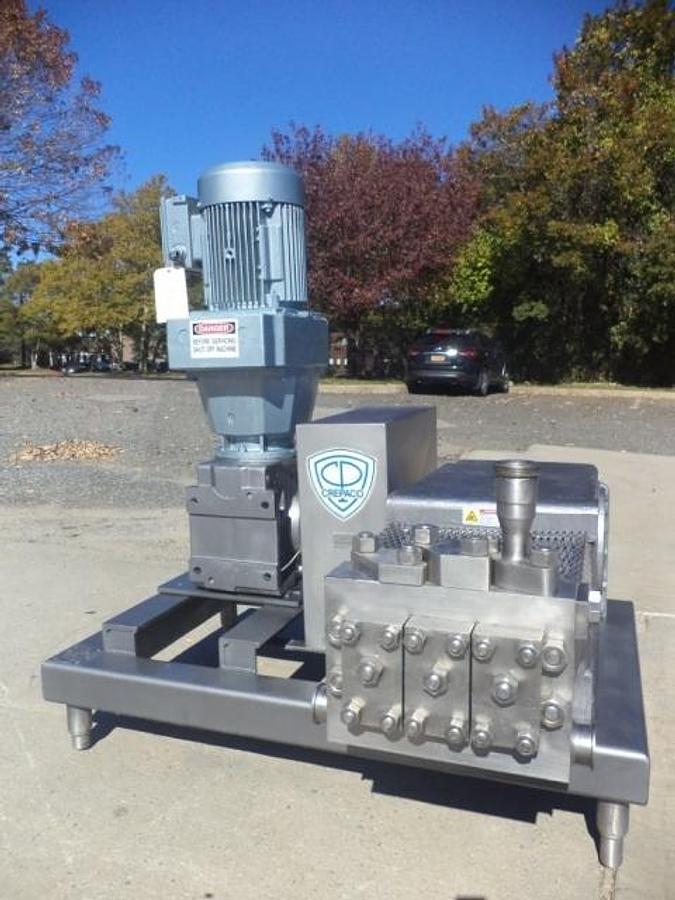
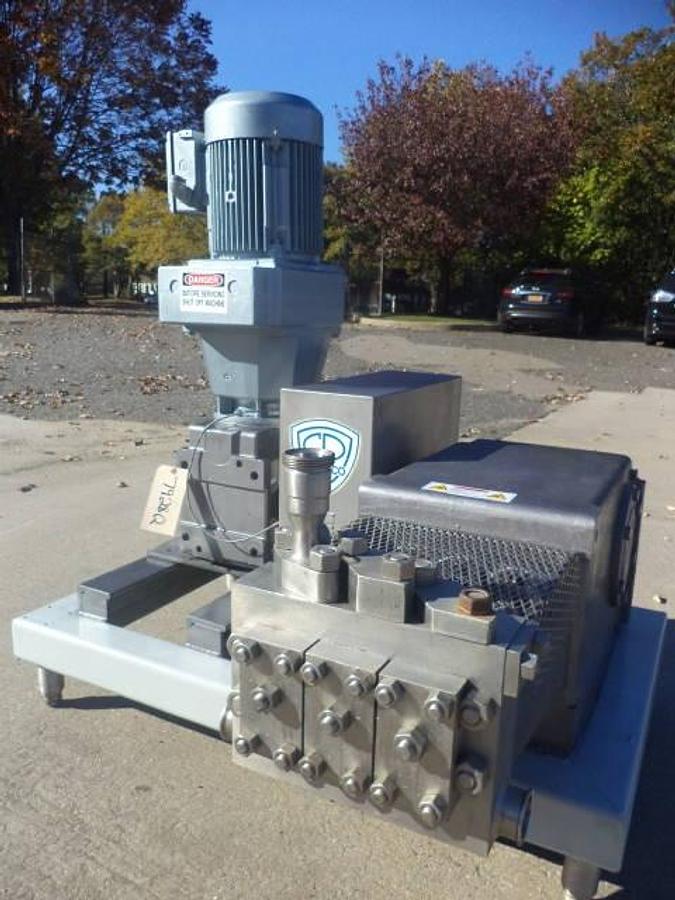
Crepaco built a wide range of sanitary food and dairy processing equipment over its history, and the used market reflects that breadth. Buyers commonly find scraped surface heat exchangers, HTST pasteurizers, homogenizers, positive displacement pumps, centrifugal pumps, jacketed mix tanks, scraper agitated vessels, ingredient feeders, and high-pressure piston pumps. Stainless steel construction is standard across virtually all Crepaco product lines, which contributes to the equipment's longevity and makes it well-suited for sanitary applications even after years of service.
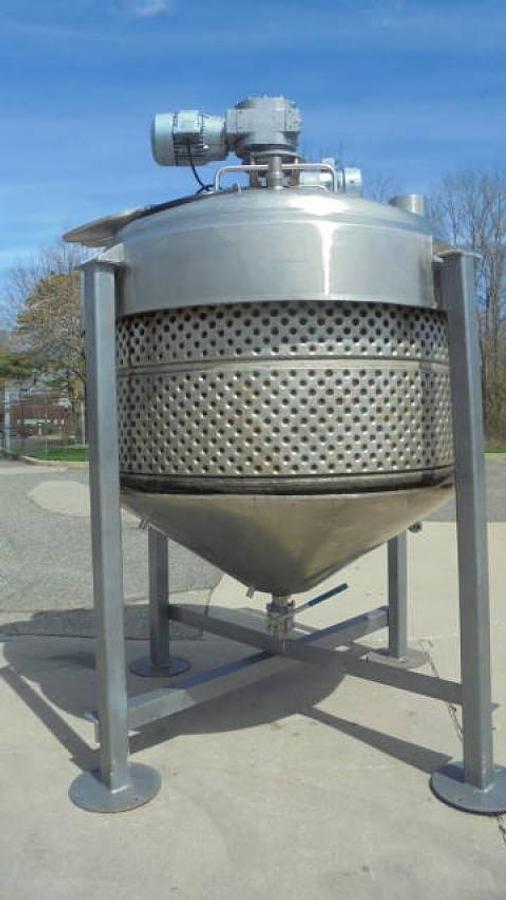
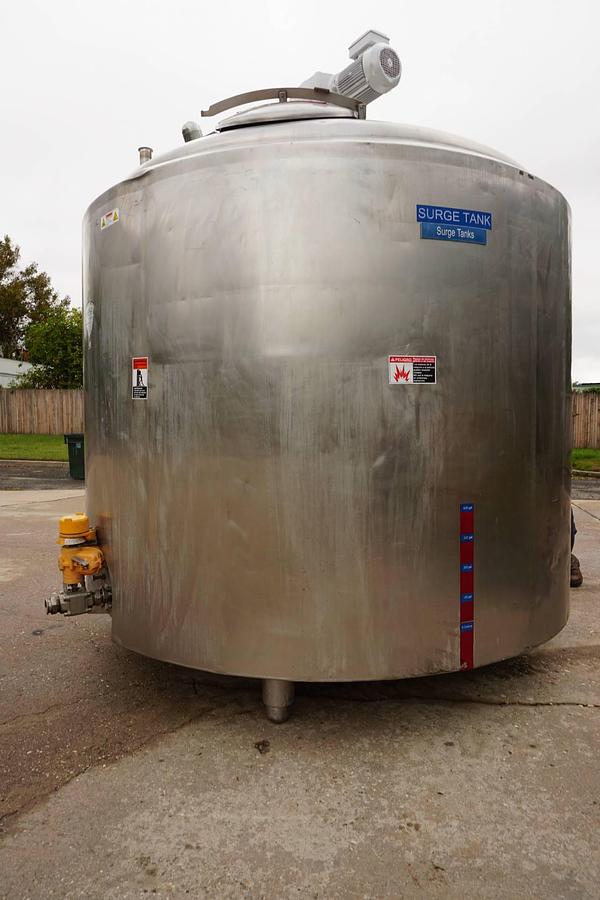
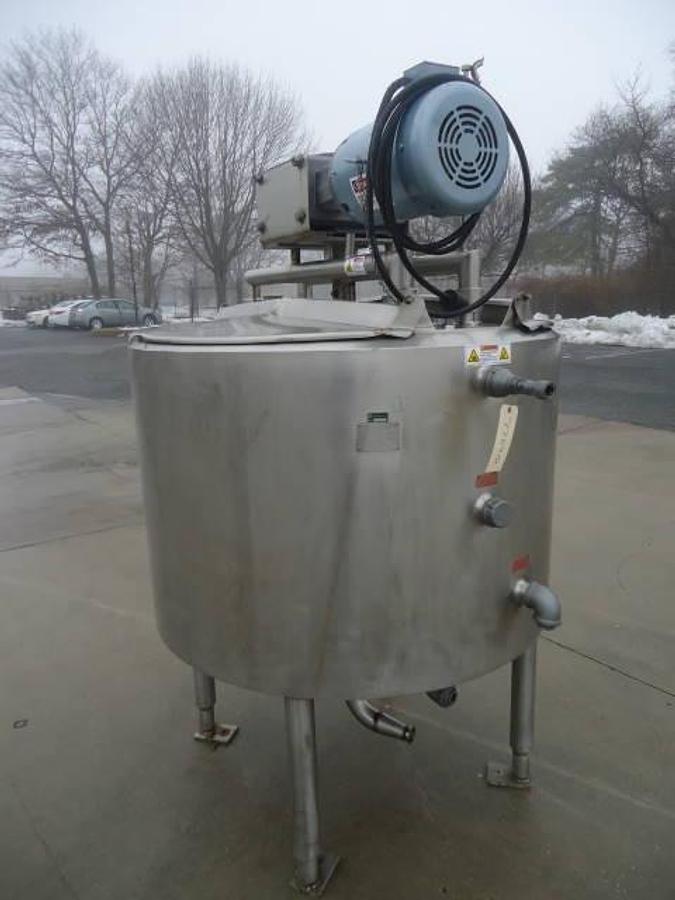
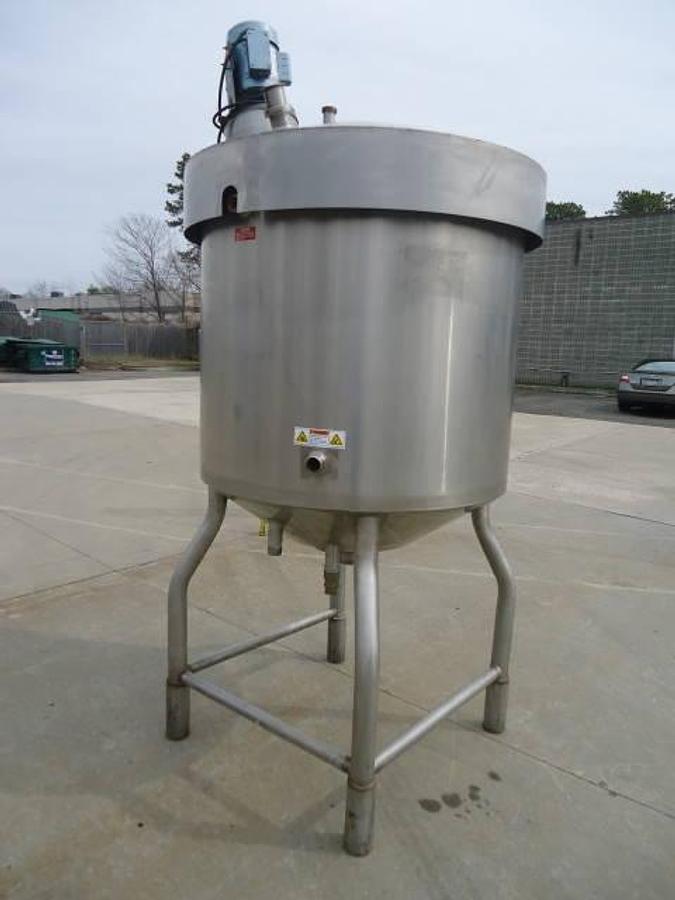
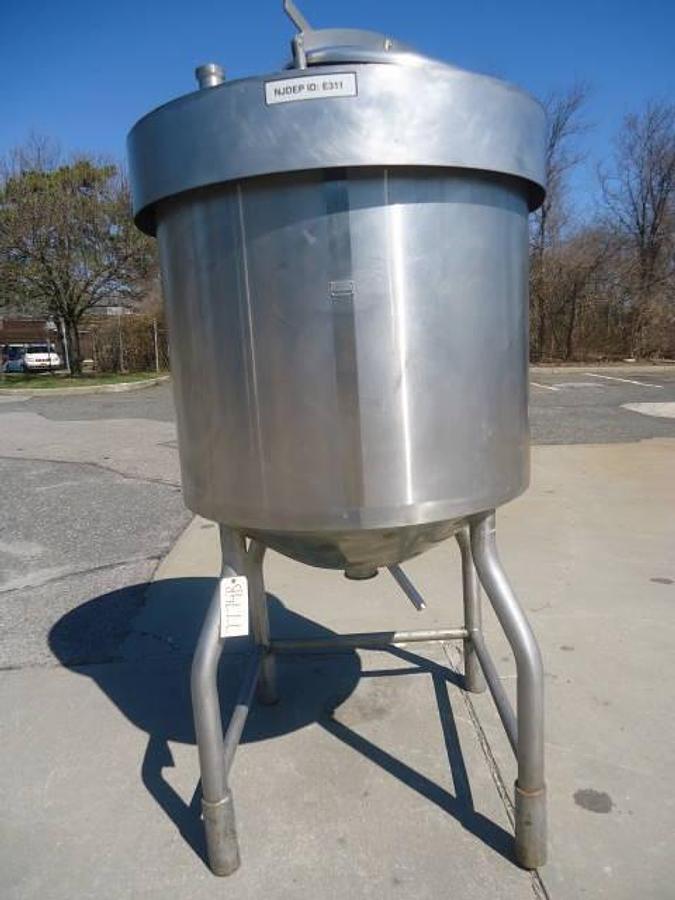
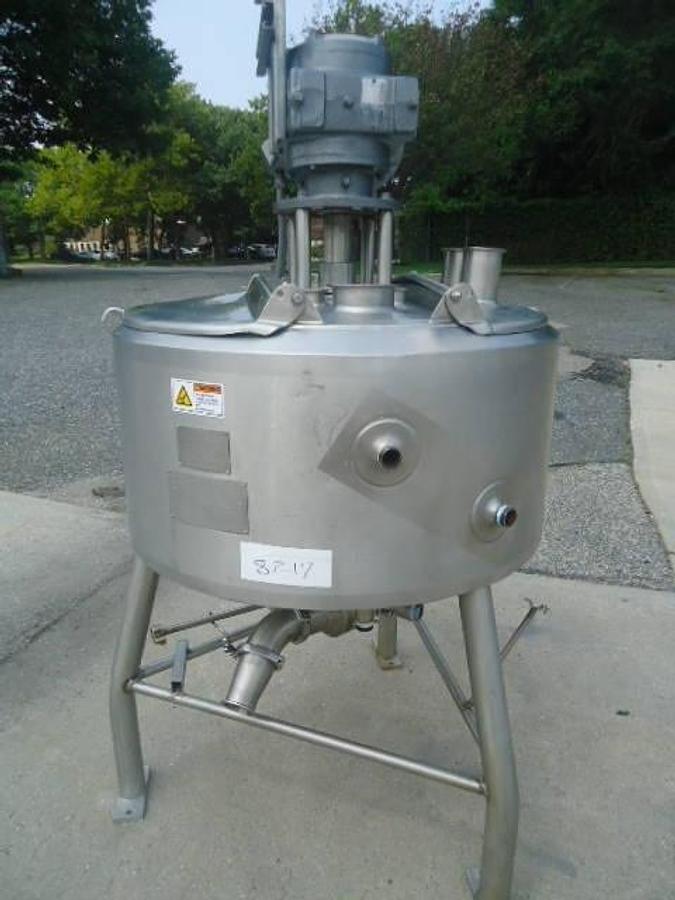
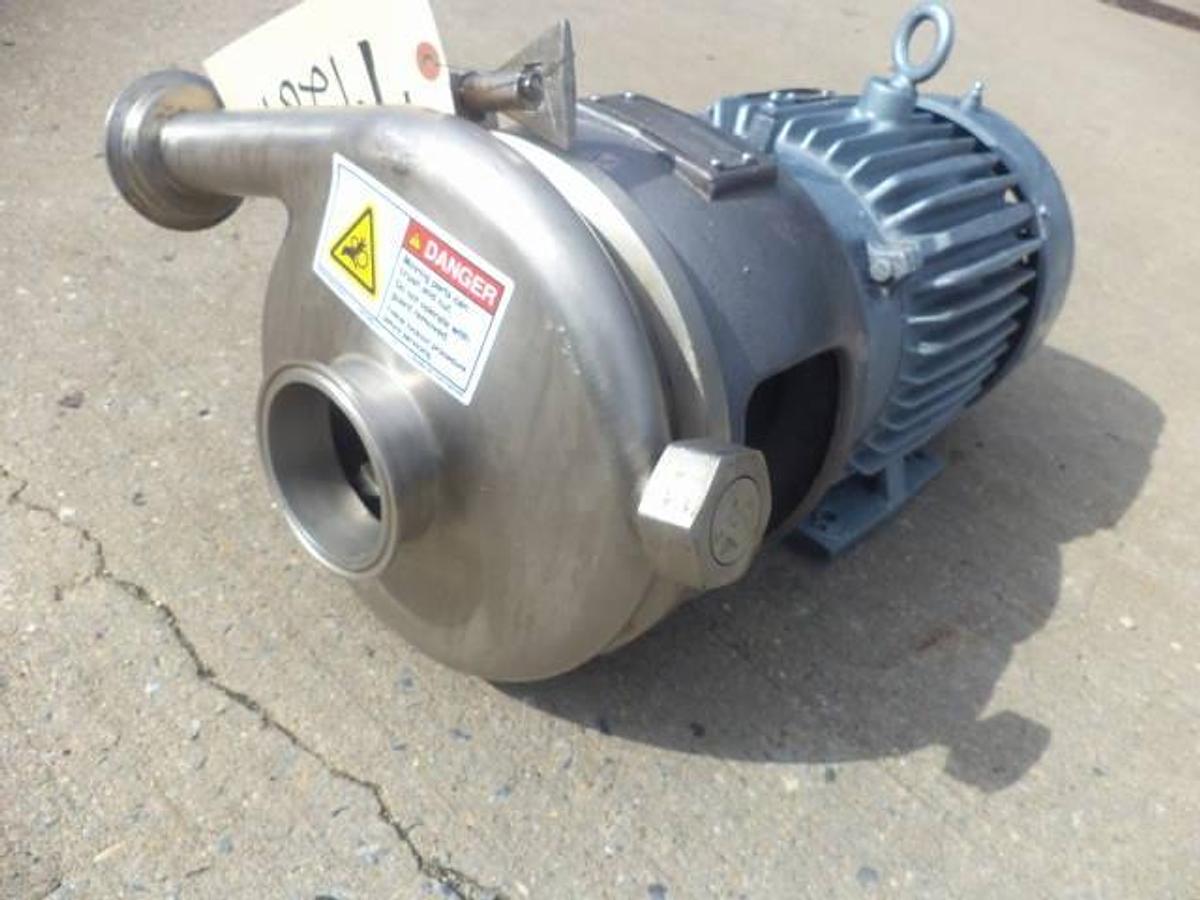
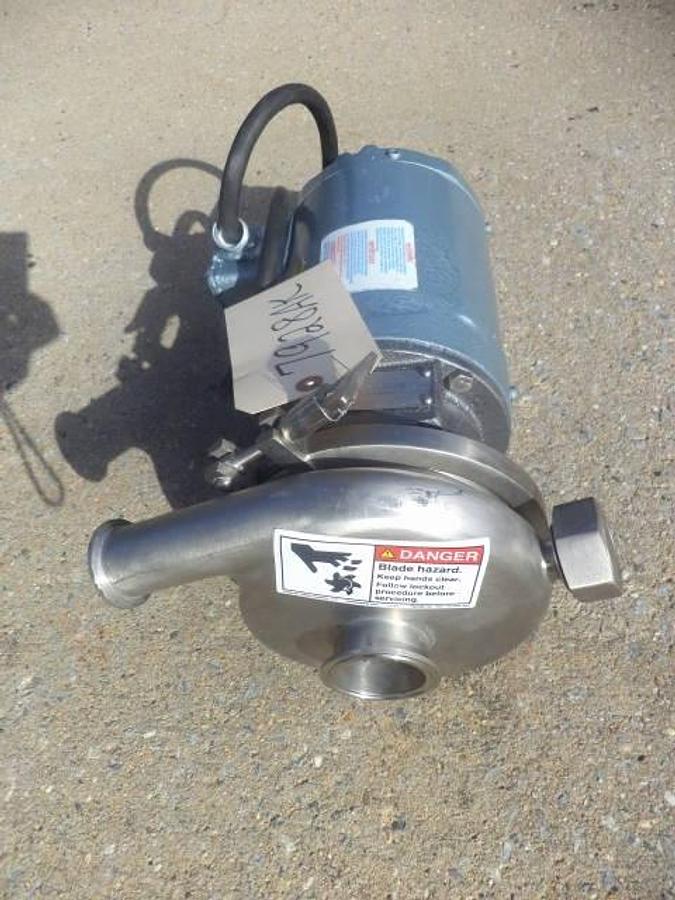
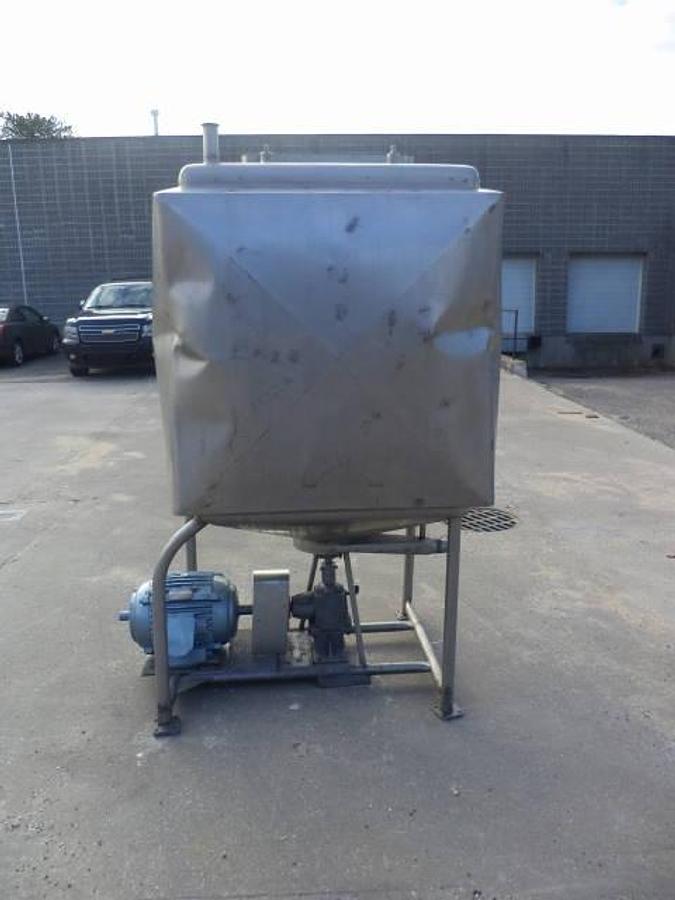
On the tank and vessel side, used Crepaco inventory often includes units ranging from around 50 gallons up to 1,600 gallons or more, with options for jacketed designs rated at 75 or 100 PSIG, cone-bottom configurations, and high-shear mixing attachments. Pump inventory tends to span multiple sizes and horsepower ratings, from smaller 3/4 HP sanitary centrifugal units to 7.5 HP and 10 HP models. The variety available through used equipment dealers makes it practical for processors to source multiple pieces of complementary Crepaco equipment for a single production line.
What industries use Crepaco processing equipment?
Crepaco built its reputation primarily in the dairy industry, where its scraped surface heat exchangers, pasteurizers, and sanitary pumps became standard equipment at large-scale fluid milk, ice cream, cheese, and yogurt operations. The brand's emphasis on 3-A Sanitary Standards compliance and stainless steel construction made it a natural fit for any application requiring strict hygienic controls and frequent clean-in-place (CIP) cycles.
Beyond dairy, Crepaco equipment sees regular use in beverage processing, prepared foods, condiments, sauces, pharmaceutical manufacturing, and cosmetics production. Anywhere a processor needs reliable heat transfer, controlled agitation, or sanitary fluid handling at commercial scale, Crepaco machines have historically performed well. That cross-industry applicability is one reason used Crepaco equipment tends to hold its value and attract buyers from multiple sectors, not just the dairy operations the brand originally served.
How do I verify the condition and operational history of used Crepaco equipment before buying?
Inspecting used processing equipment carefully before purchase is essential, since machines are sold as-is and no warranty protection transfers with them the way it would from a manufacturer. Reputable used equipment dealers will typically accommodate in-person inspections at their facility or, where the equipment is still located at the original plant, can arrange access between the buyer and the facility owner. For buyers who cannot travel, video inspections and detailed photo documentation are commonly offered as alternatives. The goal in any inspection is to get an accurate picture of the machine's current mechanical condition, visible wear, and any modifications made during its service life.
It is worth knowing that most used equipment dealers do not have the permitting or production infrastructure to run actual food product through a machine during an inspection. Functional checks may be limited to powering up motors, confirming rotation, and observing general mechanical operation. Buyers should ask specific questions about hours of use, the type of product the equipment processed, how recently it was last in service, and whether any major components have been replaced. Consulting the manufacturer (Crepaco equipment now falls under the SPX Flow brand umbrella following acquisitions) can also help buyers understand what service support and replacement parts are realistically available for a specific model and age of machine.
Are replacement parts still available for older Crepaco machines?
Parts availability for older Crepaco equipment varies depending on the specific model, its age, and how the product line was handled through the brand's acquisition history. Crepaco was acquired and eventually absorbed into what is now SPX Flow, and while some parts and technical support carry over through that lineage, older or discontinued models may have limited factory support. Buyers considering a used Crepaco machine should contact SPX Flow directly before purchasing to get a realistic assessment of what parts, seals, gaskets, and wear components are still stocked or can be fabricated.
For many common Crepaco components, particularly pumps and standard sanitary fittings, third-party suppliers and specialty food equipment parts distributors can often fill the gap. Stainless steel sanitary centrifugal pumps, for example, share many dimensional standards across manufacturers, so impellers, mechanical seals, and housings may be sourced from aftermarket suppliers even when factory parts are no longer cataloged. Scraped surface heat exchangers and more specialized assemblies may require more effort to source, which is why inspecting the condition of wear parts during the pre-purchase inspection is especially important for those machine types.
What sanitary and food-grade compliance standards should buyers look for with used Crepaco equipment?
Crepaco built its equipment to meet the sanitary standards that govern food and dairy processing in the United States, most notably 3-A Sanitary Standards, which set specifications for surface finish, material composition, and design geometry to prevent bacterial harborage. Equipment meeting 3-A standards carries a symbol indicating it was certified at the time of manufacture. Buyers should also consider FDA food contact material compliance and, for dairy applications specifically, USDA acceptance, which was historically required for equipment used in federally inspected dairy plants.
It is important to recognize that a used machine's compliance status reflects the standards in place at the time it was manufactured, and regulatory requirements do evolve. Before putting used Crepaco equipment into a regulated production environment, buyers should have the machine reviewed against current applicable standards, which may include updated 3-A criteria, PMO (Pasteurized Milk Ordinance) requirements for dairy, or facility-specific HACCP protocols. In some cases, gaskets, seals, or contact surfaces may need to be replaced with materials that meet current specifications even if the underlying equipment design remains compliant.
What is the typical price range for used Crepaco processing equipment?
Pricing for used Crepaco equipment varies considerably based on the type of machine, its size, age, condition, and how specialized the application is. Smaller sanitary centrifugal pumps in the 3/4 HP to 5 HP range can often be found in the low hundreds to a few thousand dollars. Larger, more complex equipment like jacketed scraper agitated vessels in the 300 to 1,600 gallon range, high-pressure piston pumps, or ingredient feeders typically commands significantly higher prices, sometimes reaching tens of thousands of dollars depending on condition and configuration.
Crepaco equipment tends to hold its resale value better than many comparable brands because of the reputation for durability and the all-stainless construction that resists corrosion and extends service life. That said, buyers should factor in costs beyond the listed equipment price, including rigging, freight, any reconditioning work needed after inspection, and potential parts replacement. Getting a clear picture of the total landed cost before committing to a purchase is always advisable, particularly for larger vessels or multi-component systems where logistics costs can be substantial.
What should buyers know about shipping and freight for used Crepaco processing equipment?
Shipping used processing equipment requires more planning than standard freight, and buyers should ask dealers for a detailed breakdown of all costs before finalizing a purchase. Smaller items like centrifugal pumps can often be palletized and shipped via standard LTL freight carriers, but packaging must be adequate to prevent damage in transit. Larger tanks, vessels, and multi-component assemblies typically require custom crating, and the cost of that crating is usually passed to the buyer. Dealers will generally outline what level of packaging is included in the sale price and what is quoted separately.
For heavy or oversized equipment, professional rigging is required for both loading at the dealer's facility and unloading at the buyer's site. Rigging costs depend on the weight and dimensions of the equipment, the accessibility of the loading and receiving areas, and whether a crane or forklift is needed. Buyers who are not prepared for these additional costs can be surprised by the gap between the equipment price and the total landed cost. Asking the dealer for a complete freight and rigging estimate before purchase, including any special handling requirements for the specific machine, is the clearest way to avoid that situation.
What are the payment terms typically associated with purchasing used processing equipment?
Used equipment dealers generally require full payment before a machine is released for shipping. This is standard practice across the industry and reflects the fact that used equipment transactions do not carry the same financing infrastructure as purchases from equipment manufacturers. Buyers should plan for this requirement and have funds available to complete the transaction promptly once an agreement is reached, since popular equipment can attract multiple interested buyers.
Some dealers extend payment terms to repeat customers or established business relationships, but this is not the norm for first-time transactions. Wire transfer is the most common payment method for equipment purchases of any significant value. Buyers who need financing should arrange it independently through their bank or a lender that specializes in equipment financing before beginning the purchasing process, so they are in a position to move quickly when the right piece of equipment becomes available.
How does used Crepaco equipment compare to purchasing from other sanitary equipment brands on the used market?
Crepaco stands alongside a relatively short list of American manufacturers that built sanitary food processing equipment to the high standards required for dairy and large-scale food production. Comparable brands that appear frequently on the used market include Cherry-Burrell (which was actually a sister brand under the same corporate history), APV, Feldmeier, and Admix. Each has its strengths in particular equipment categories, but Crepaco is particularly well regarded for its scraped surface heat exchangers, pump quality, and the overall durability of its tanks and vessels.
One practical advantage of buying used Crepaco equipment is the depth of the used inventory available, a reflection of how widely the brand was adopted during its peak production years. More units in the field means more units cycling through the secondary market, which gives buyers more options in terms of size, configuration, and price point. The brand's absorption into SPX Flow also means there is a corporate successor with some institutional knowledge of the product lines, which can be helpful when sourcing technical documentation or assessing parts availability, even if support for older models has limitations.
What questions should a buyer ask a used equipment dealer before purchasing a Crepaco machine?
Before committing to a purchase, buyers should ask the dealer for the machine's complete model and serial number so they can research the production date, original specifications, and parts availability through the manufacturer's successor. It is also worth asking how the machine was used, what product it processed, and whether it was decommissioned or still in active production at the time it became available for sale. Understanding the operational history helps a buyer assess likely wear patterns and estimate what reconditioning may be needed after purchase.
Buyers should also ask specifically about the inspection options available, whether in-person at the dealer's warehouse, at the original plant if the equipment is still on-site, or via video. Clarifying what the dealer can and cannot demonstrate during an inspection sets realistic expectations. Additional questions worth asking include the current condition of seals, gaskets, and any wear components; whether any repairs or modifications were made during the machine's service life; what the total landed cost will be including crating, rigging, and freight; and what documentation such as manuals or maintenance records is available with the machine. A dealer with deep experience in food and dairy processing equipment will be able to answer most of these questions directly and should be willing to do so.