Category
Manufacturer
Model
Creative Automation
Creative Automation provides automation systems designed to enhance manufacturing efficiency across various industries, including automotive and electronics. They excel in robotics and integration solutions, helping companies streamline their production lines through advanced technology.
FAQ:
What types of Creative Automation equipment are commonly available on the used market?
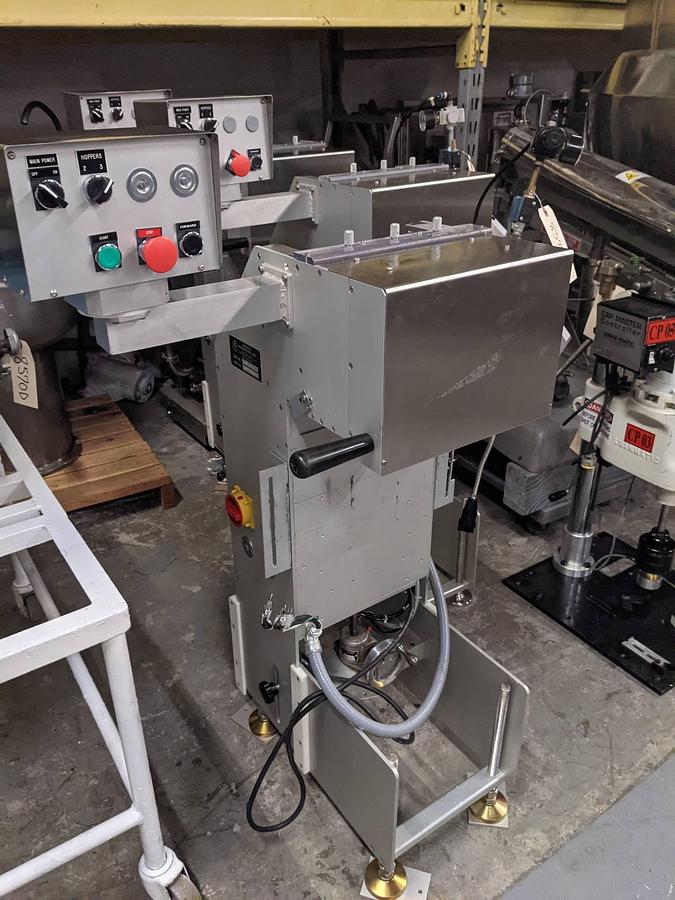
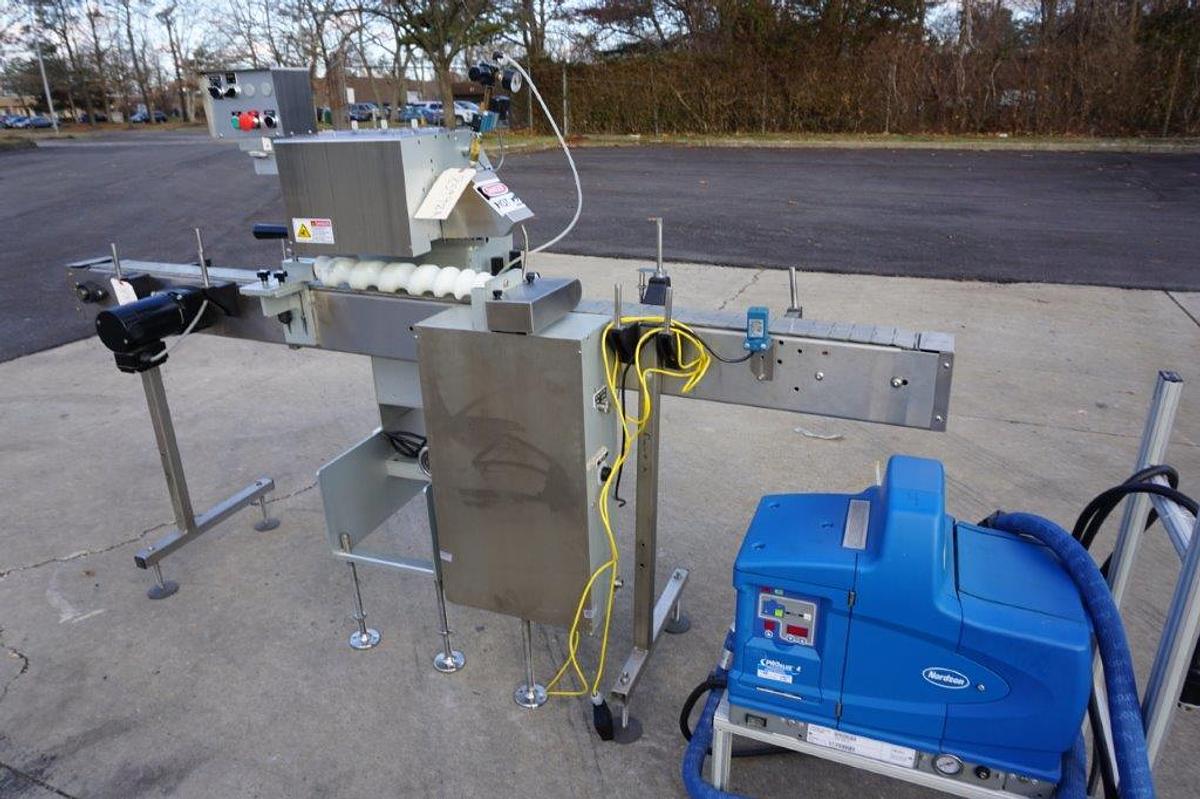
Creative Automation produces a range of industrial automation systems, and the used market reflects that variety. Buyers searching for pre-owned Creative Automation equipment will typically encounter outserters, board handling systems, PCB conveyors, depaneling machines, and singulation systems. Peripheral automation devices and integration components also surface regularly. One specific example of equipment that appears on the used market is the Creative Automation 401 Outserter paired with a Nordson gluer, which is a configuration common in packaging and electronics assembly environments.
The availability of specific models fluctuates based on what manufacturers and production facilities are decommissioning at any given time. Buyers with a specific model in mind should work with used equipment dealers who specialize in industrial automation, as those dealers tend to have deeper inventory knowledge and can sometimes source equipment that isn't actively listed. Checking with multiple dealers and setting up alerts for specific models is a practical approach when hunting for a particular machine.
What industries use Creative Automation equipment?
Creative Automation systems are used across a broad range of manufacturing sectors, with particularly strong adoption in electronics assembly and automotive production. In electronics manufacturing, their board handling, conveyor, and depaneling systems play a role in PCB production lines where consistent, precise handling of delicate components is critical. The automotive sector relies on Creative Automation integration solutions to streamline assembly processes and reduce manual handling at key production stages.
Beyond those two primary industries, Creative Automation equipment also finds application in packaging, consumer goods manufacturing, and general industrial automation environments. The modular design philosophy behind many of their systems makes them adaptable to different production contexts, which is part of why their machines retain value on the secondary market. Companies looking to automate or upgrade specific segments of a production line without building from scratch often turn to used Creative Automation equipment as a cost-effective path.
What should buyers know about warranties when purchasing used Creative Automation equipment?
Used Creative Automation equipment is typically sold on an as-is basis, which is standard practice across the used machinery industry. Warranties are generally only offered by the original equipment manufacturer, and those manufacturer warranties rarely transfer to secondary buyers, particularly for machines that are several years old or have been through multiple owners. This puts the responsibility of due diligence squarely on the buyer before any purchase is made.
To protect themselves, buyers should prioritize working with reputable used equipment dealers who have a long track record in industrial automation. Requesting a thorough inspection, either in person or via video, is one of the most important steps a buyer can take. It's also worth contacting Creative Automation directly to understand what level of support, parts availability, and technical documentation they can expect for a specific model and age of machine. Older or discontinued models may have limited manufacturer support, which is a factor that should influence both the purchase decision and the price negotiated.
How should buyers inspect used Creative Automation equipment before purchasing?
Inspection is one of the most critical steps in buying any used automation equipment, and Creative Automation machines are no exception. Reputable dealers will typically offer multiple inspection options: an in-person visit to examine the machine directly, a live video walkthrough conducted remotely, or a pre-recorded video showing the machine's condition and, where possible, its operation. Buyers should ask for documentation of the machine's history, including any known repairs, modifications, or periods of inactivity.
One thing buyers should understand is that most used equipment dealers do not have the permits or production infrastructure to run full operational tests with actual product. That means a machine can be powered on and cycled, but a true production run may not be possible during inspection. In some cases, equipment is still installed at the original manufacturing facility where it was used, and the dealer can arrange access for a more thorough in-context inspection. Buyers should take advantage of these opportunities when available, and should ask specific questions about the machine's last known working condition, any components that have been replaced, and whether technical documentation or manuals are included with the sale.
What is the typical price range for used Creative Automation equipment?
Pricing for used Creative Automation equipment varies considerably depending on the model, age, condition, included accessories, and current market demand. Entry-level or older peripheral devices might be available in the low thousands, while more complex integrated systems, such as outserters with associated gluers or full board handling lines, can run significantly higher. The specific configuration of a machine, for example whether it includes a Nordson gluer or other integrated components, has a meaningful impact on price.
Beyond the purchase price, buyers should factor in the total cost of ownership when evaluating used equipment. Shipping, rigging, installation, any necessary refurbishment, and ongoing parts costs all contribute to what the machine actually costs to put into production. Requesting a detailed quote that breaks out these components from the dealer gives a much clearer picture of the real investment. Comparing landed cost across a few dealers or configurations is a useful exercise before committing to a purchase.
Are replacement parts and consumables readily available for used Creative Automation machines?
Parts availability is one of the most important practical considerations when buying used automation equipment, and it varies depending on the specific Creative Automation model and how long ago it was manufactured. For more recent models, the manufacturer may still stock or supply replacement parts directly, and authorized service providers may carry common wear items. For older or discontinued models, parts sourcing can require more effort, including aftermarket suppliers, third-party machine shops that can fabricate components, or cannibalizing parts from other used machines of the same model.
Before purchasing, buyers should contact Creative Automation directly to ask about parts availability for the specific model they're considering. This conversation can reveal a lot about the long-term serviceability of the machine. Dealers who specialize in automation equipment often have relationships with parts suppliers and can provide guidance on what's easy to source versus what might require lead time or creative procurement. Building a small inventory of high-wear consumables at the time of purchase is a common practice among experienced buyers to avoid production downtime later.
Does used Creative Automation equipment require professional installation?
Most Creative Automation systems, particularly integrated solutions like outserters, board handlers, and conveyor systems, benefit significantly from professional installation. These machines are designed to work within larger production lines, and proper alignment, calibration, and integration with surrounding equipment directly affects performance and longevity. While some experienced in-house maintenance teams can handle installation, the complexity of automation systems generally makes professional commissioning a worthwhile investment.
Buyers should ask dealers whether technical documentation, wiring diagrams, and setup manuals are included with the machine, as this information is essential for any installation team. If the machine was previously part of a larger automated line, understanding how it was configured in that environment can help replicate or adapt the setup in a new facility. Some dealers can connect buyers with third-party automation integrators or service technicians familiar with Creative Automation equipment, which can smooth the installation process considerably.
Is used Creative Automation equipment compatible with existing production lines?
Compatibility depends on the specific machine, its communication protocols, physical dimensions, and the requirements of the production line it's being integrated into. Many Creative Automation systems are built around industry-standard protocols such as SMEMA (Surface Mount Equipment Manufacturers Association), which makes integration with other SMEMA-compliant equipment more straightforward. That said, older machines may use legacy interfaces or proprietary communication standards that require additional engineering work to connect with modern systems.
Buyers should document their existing line's specifications before shopping for used equipment, including conveyor width, board handling requirements, communication standards, and physical footprint constraints. Sharing this information with a dealer allows for a more informed assessment of whether a specific used Creative Automation machine will integrate cleanly or require adaptation. In some cases, minor modifications or interface adapters can bridge compatibility gaps, but those costs should be factored into the overall budget.
What are the shipping and logistics considerations when buying used Creative Automation equipment?
Shipping used automation equipment involves more complexity than standard freight, and buyers should get a clear picture of all logistics costs before finalizing a purchase. The machine needs to be properly packaged to prevent damage in transit, which may involve custom palletization, crating, or foam protection depending on the machine's size, weight, and fragility. The level of packaging required directly affects shipping costs, and buyers should ask dealers specifically what packaging is included and what additional preparation might be needed.
Larger Creative Automation systems may require specialized rigging equipment for loading at the origin and unloading at the destination, which adds cost beyond standard freight rates. Buyers should request a fully itemized quote that covers packaging, rigging, freight, and any required permits for oversized loads. Understanding the total landed cost, meaning the price of the machine plus everything it takes to get it safely installed at the buyer's facility, is essential for accurate budgeting and comparing options across different dealers or machines.
What payment terms are typical when purchasing used Creative Automation equipment?
Payment practices in the used equipment industry are fairly consistent across dealers. Most require full payment before a machine is shipped, which reflects the nature of the market and the logistical complexity of reversing a transaction once a large machine is in transit. This is standard practice rather than a sign of any particular dealer's policies, and buyers should expect it regardless of where they shop.
Some dealers extend payment terms to repeat customers or buyers with established relationships, but first-time transactions almost always require payment in full upfront. Buyers should clarify accepted payment methods early in the process, as wire transfers are common for larger purchases. It's also worth confirming exactly when title transfers and what the process looks like if a machine arrives with undisclosed damage. Getting all terms documented in writing before payment is a basic but important protection for buyers in any used equipment transaction.