Category
Manufacturer
Model
Cornell Machine Company
Cornell Machine Company provides specialized machinery for the metalworking and automotive industries. They are recognized for their precision machining tools, which are essential for producing high-quality components used in a variety of manufacturing applications.
FAQ:
What types of equipment does Cornell Machine Company make?
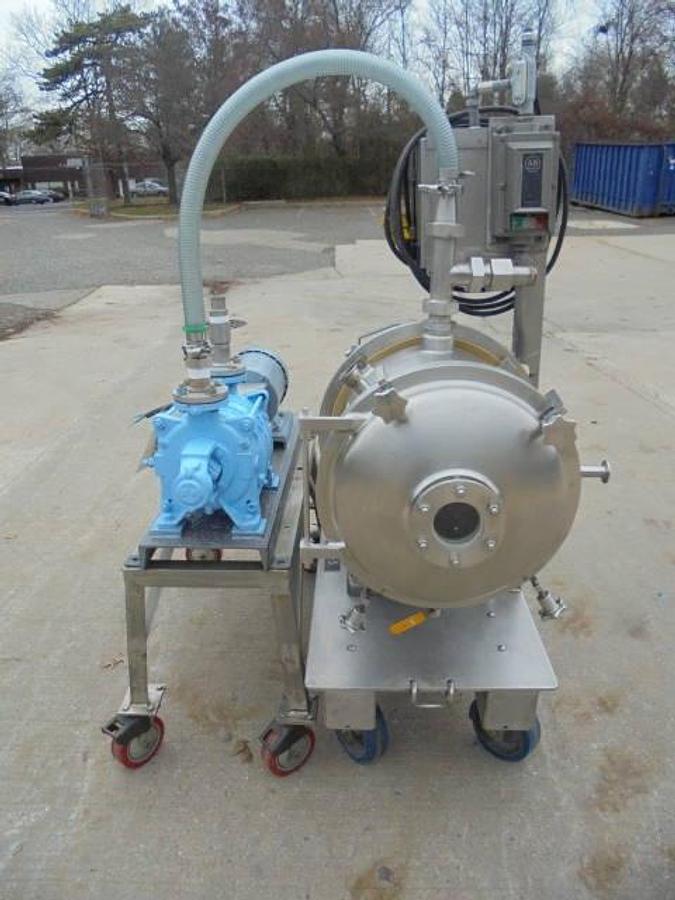
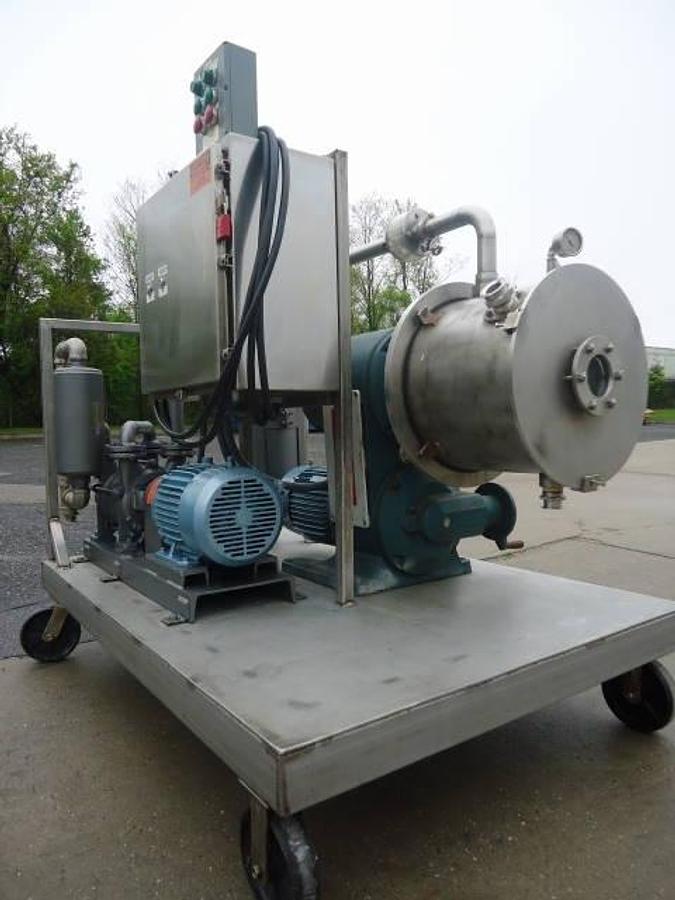
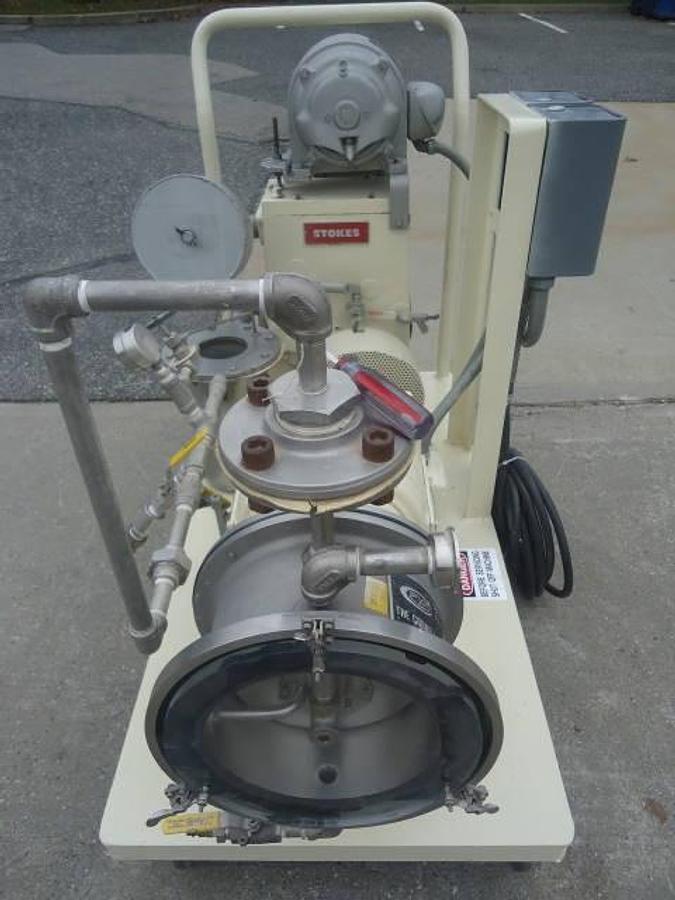
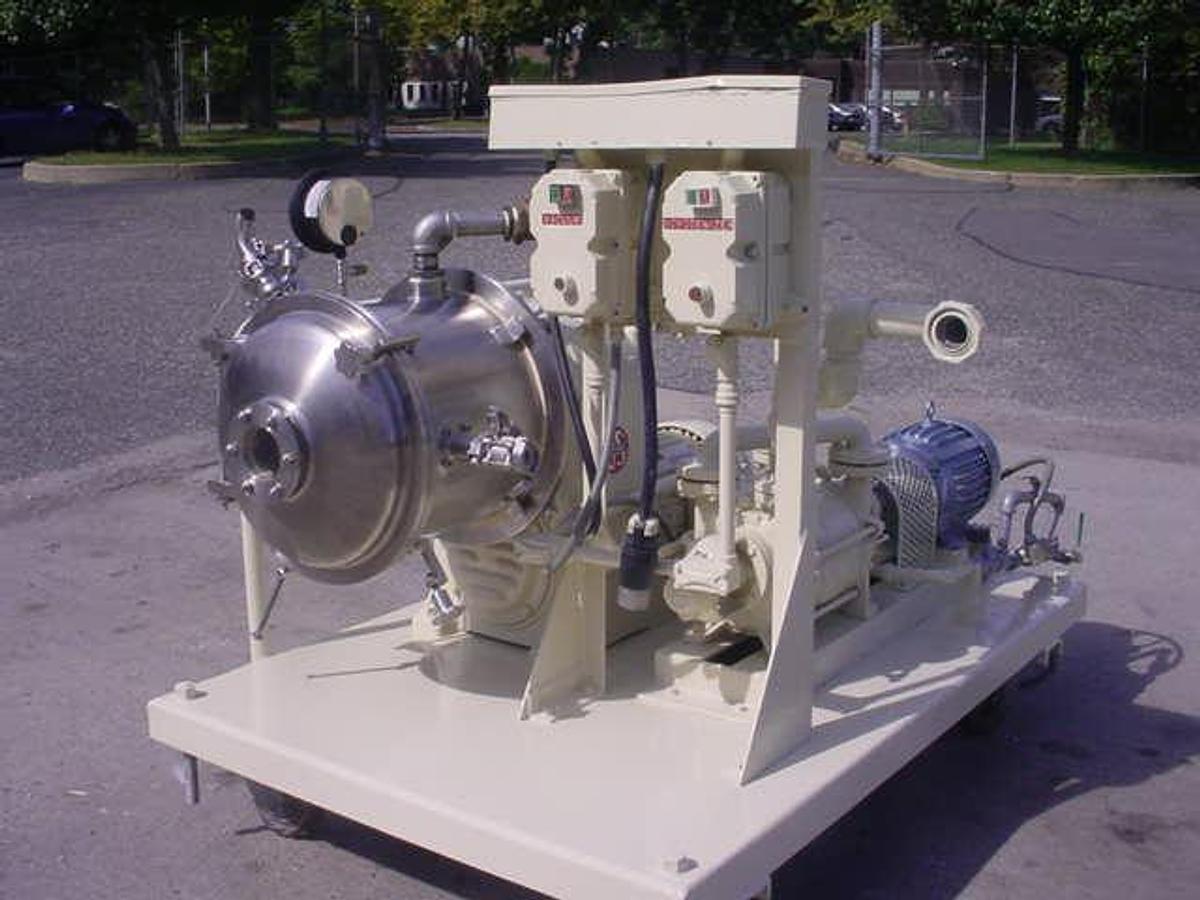
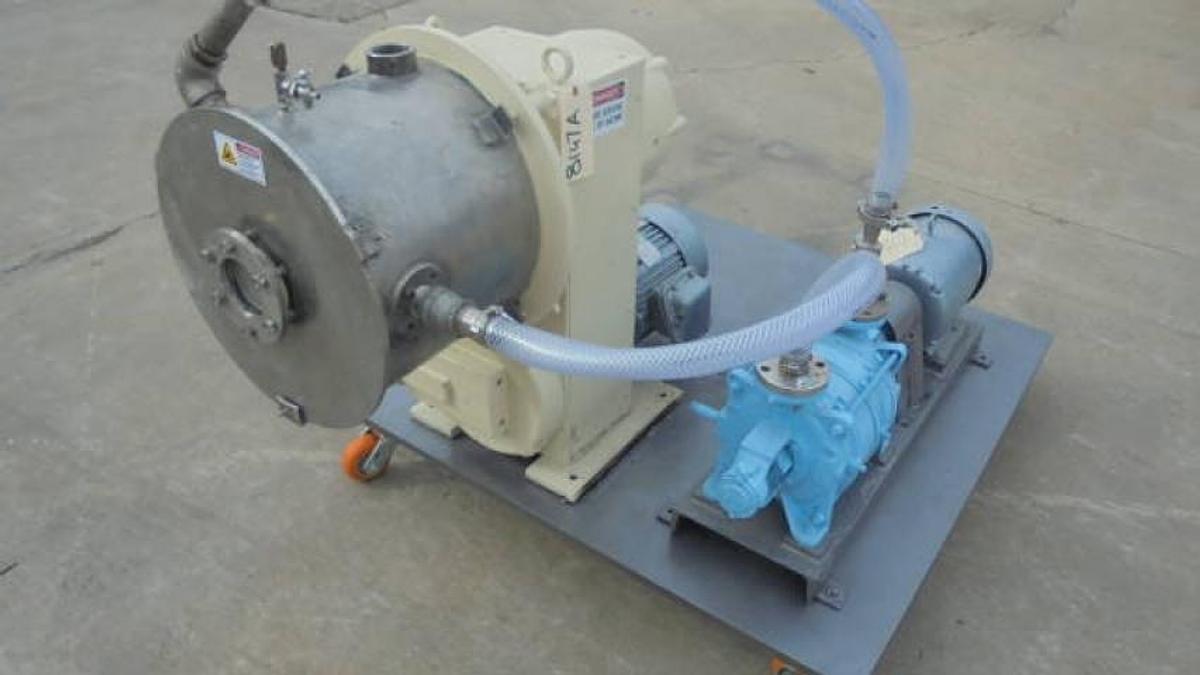
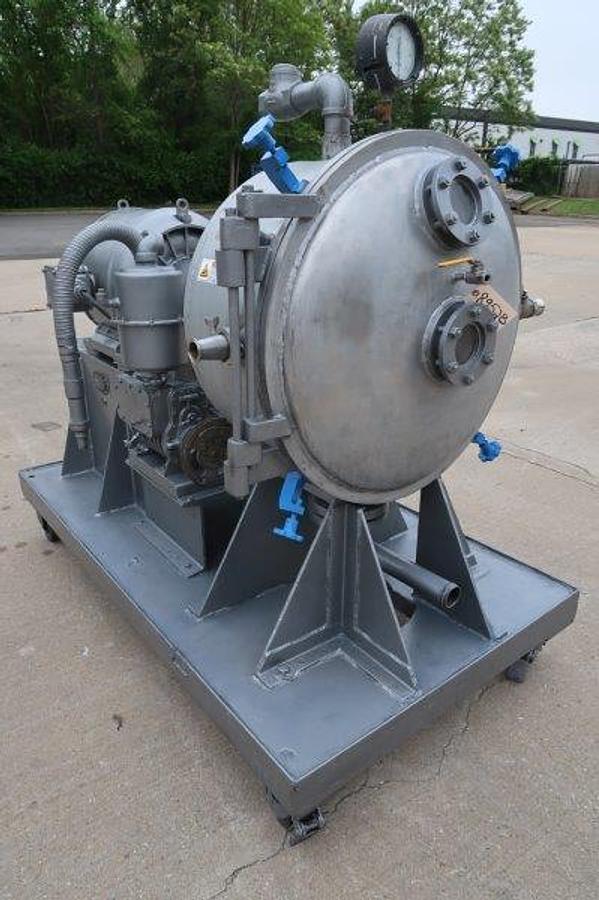
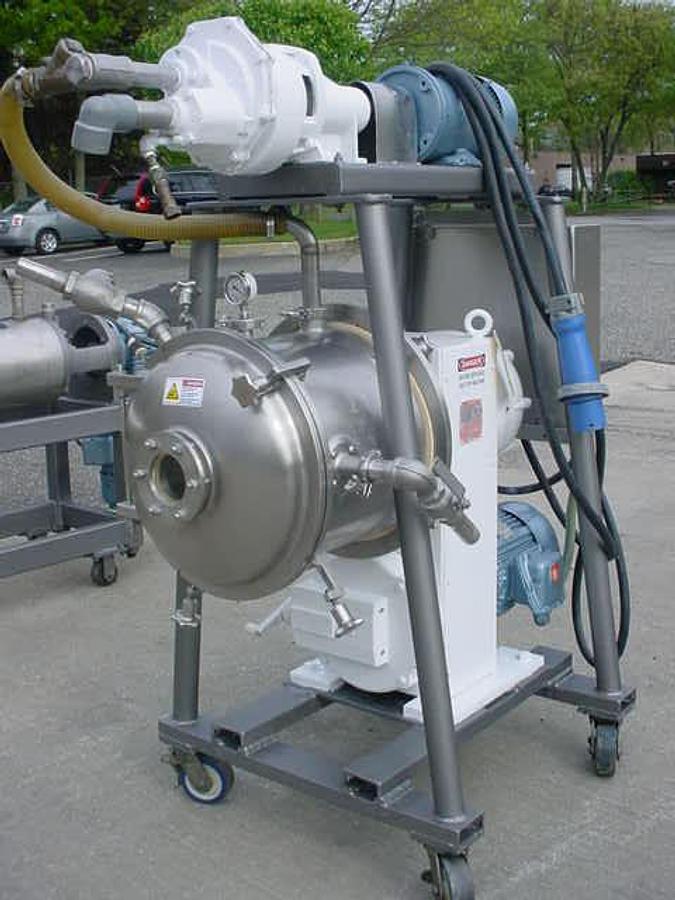
Cornell Machine Company is recognized for producing specialized industrial machinery, with a particular focus on Versator and Deaerator equipment used in food processing, pharmaceutical, and other sanitary manufacturing applications. The Versator line is designed to remove air and gases from viscous products, which is critical for maintaining product quality and extending shelf life in industries like food and beverage production. Models such as the D8, D16, and D26 are among the most commonly encountered, and they vary in capacity and configuration to suit different production volumes.
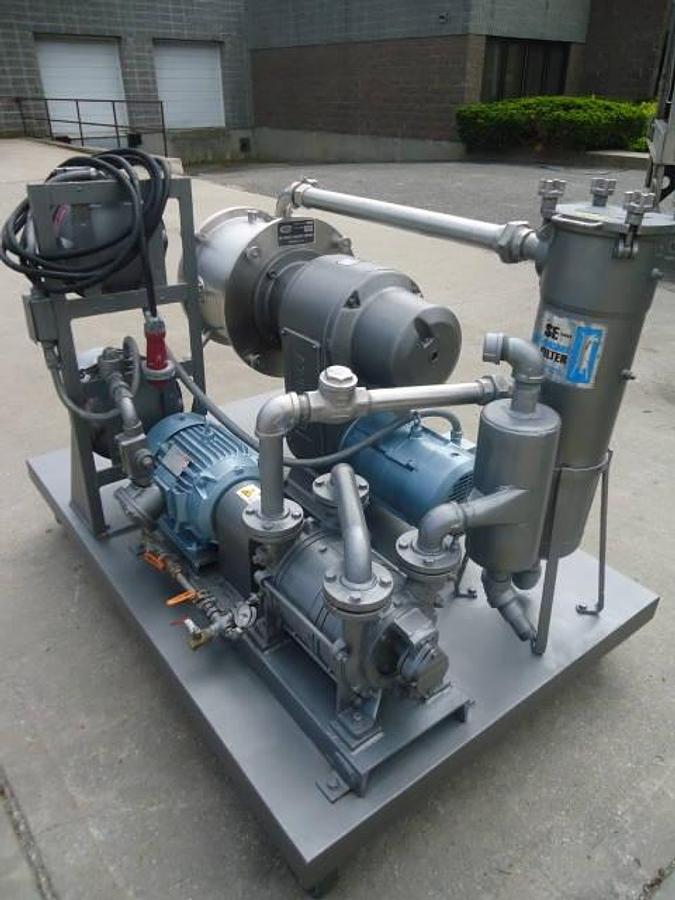
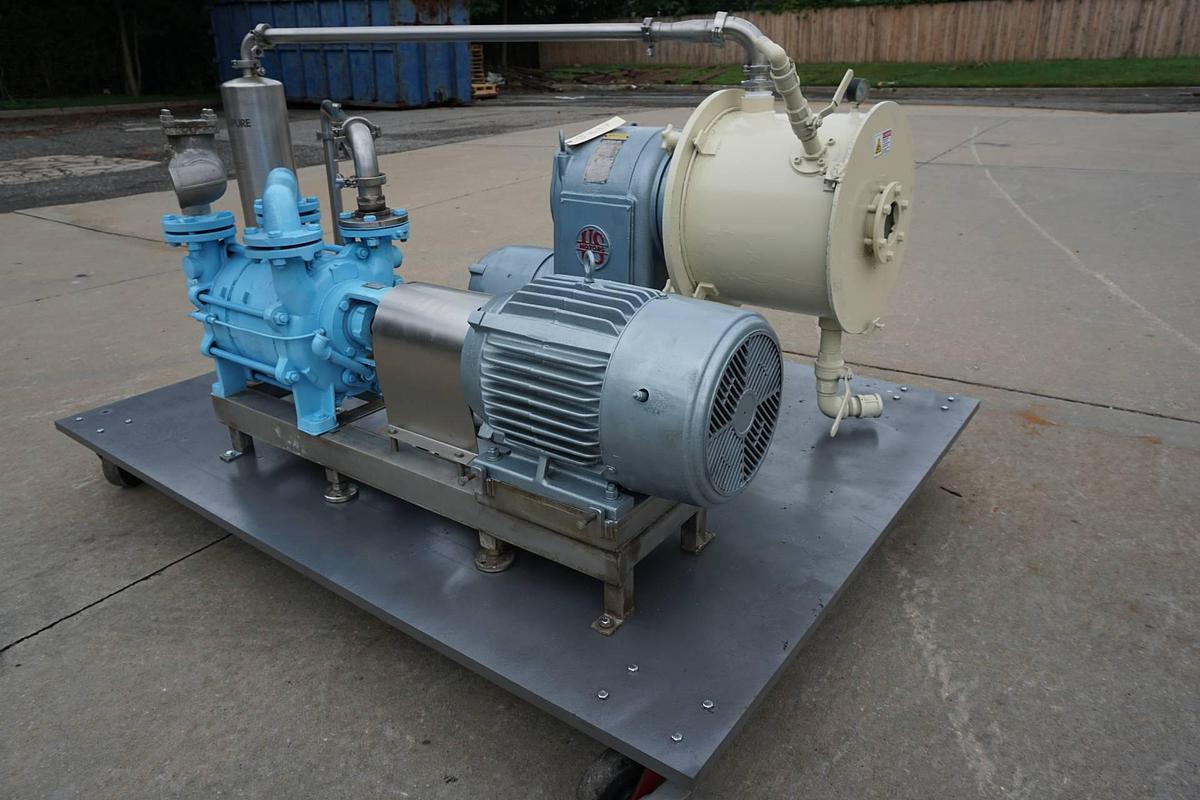
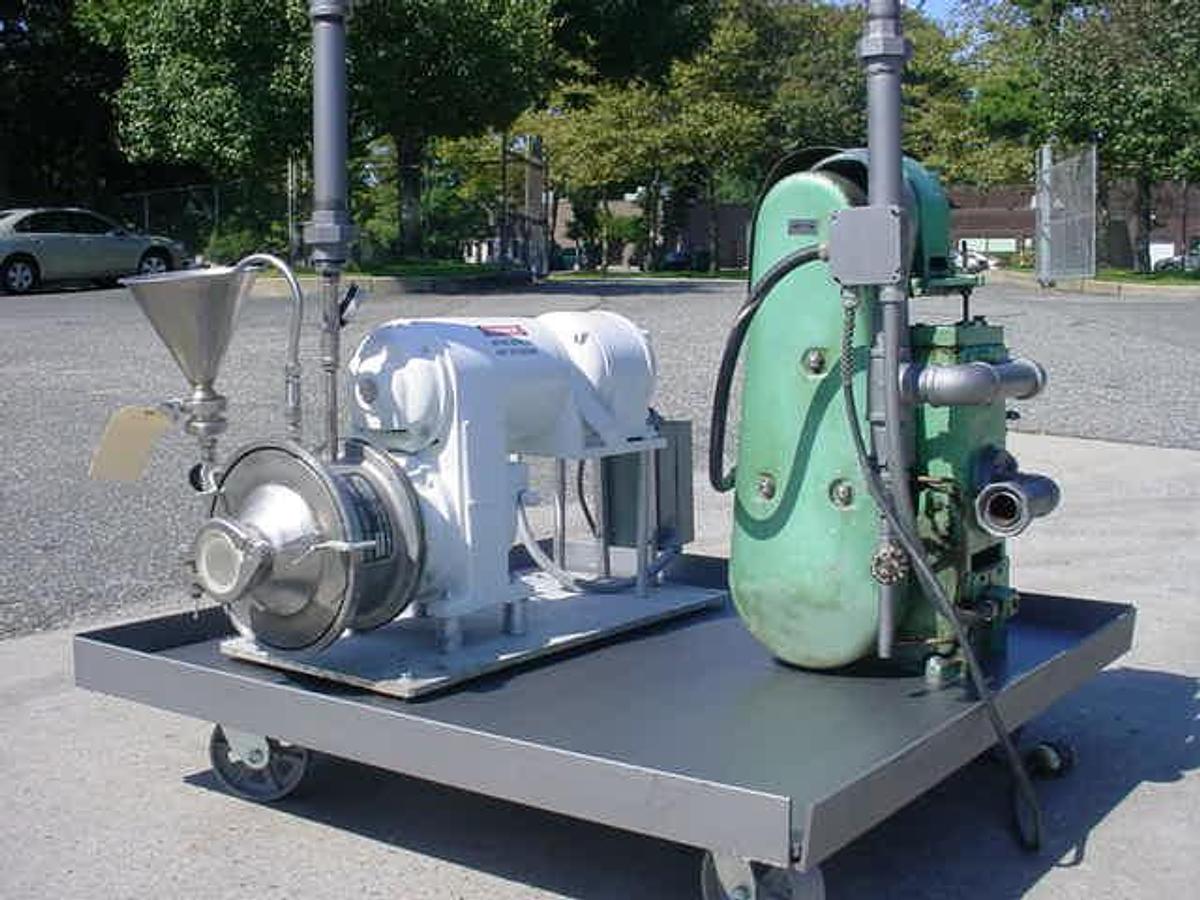
Many Cornell machines are built with stainless steel sanitary finishes, explosion-proof drive options, and variable speed capabilities, making them adaptable to a range of processing environments. The D16 and D26 models, for example, are frequently paired with vacuum pumps from manufacturers like SIHI and Stokes, which work in tandem with the Versator to pull dissolved gases from product streams. This level of engineering specificity is one reason Cornell equipment has remained in demand on the used machinery market long after production of certain models ended.
What is a Cornell Versator and how does it work?
A Cornell Versator is a continuous-flow vacuum deaerator designed to remove entrained air and dissolved gases from liquid or semi-liquid products. The process works by exposing a thin film of product to a vacuum environment, which causes dissolved gases to migrate out of the product before it moves on to the next stage of production. This is especially important in food processing applications where trapped air can cause oxidation, affect texture, reduce shelf life, or create problems during filling and packaging operations.
The machine typically consists of a vacuum chamber, a product inlet and outlet, and an integrated or separately mounted vacuum pump. Cornell Versators are built to sanitary standards in many configurations, featuring stainless steel contact surfaces and finishes suitable for food-grade and pharmaceutical applications. The D-series models (D8, D16, D26) indicate approximate capacity tiers, with larger numbers generally corresponding to higher throughput. Some units are also available with explosion-proof motors and variable speed drives, which extend their usefulness into environments where flammable materials or precise flow control are a concern.
What should I know before buying used Cornell Machine Company equipment?
Buying used Cornell equipment requires careful attention to a few key factors. First, identify the exact model and serial number of the machine you are considering. Cornell produced equipment across multiple decades, and specifications, replacement parts availability, and compatibility can vary significantly between model generations. Confirming the model number also makes it easier to source documentation, consult with the manufacturer about support options, and evaluate whether the machine is appropriate for your specific application.
Condition is the other major variable. Used industrial equipment is typically sold as-is, meaning the buyer bears responsibility for assessing the machine's working order before purchase. Reputable used equipment dealers will generally accommodate in-person or video inspections, and some machines may still be installed at an active production facility where a live demonstration can be arranged. Before committing to a purchase, buyers should also research parts availability directly with Cornell or authorized service providers, since age and model can significantly affect how easy or expensive it will be to maintain the equipment over time.
Are replacement parts available for Cornell Machine Company Versators and Deaerators?
Parts availability for Cornell equipment depends heavily on the specific model and how long ago that model was produced. For machines that were manufactured and sold in significant numbers, there is often a reasonable supply of replacement parts either through the manufacturer directly, through authorized service networks, or through the used parts market. Components like vacuum pump seals, mechanical seals, and sanitary fittings are often available from third-party suppliers even when manufacturer-specific parts become scarce.
Buyers are strongly advised to contact Cornell Machine Company or a knowledgeable service technician before finalizing a purchase to confirm parts availability for the specific model they are considering. This step is especially important for older or less common configurations. A machine that runs well at the time of purchase but cannot be serviced due to unavailable parts can quickly become a costly problem. Consulting with the manufacturer about the level of support they can provide for a given model is one of the most practical due-diligence steps a buyer can take.
What industries commonly use Cornell Versator Deaerator equipment?
Cornell Versator Deaerators are used primarily in industries where product quality is directly affected by the presence of dissolved or entrained air. Food and beverage processing is the most common application, covering products like sauces, soups, purees, dairy items, condiments, and juices. In these applications, removing air before filling or pasteurization helps prevent oxidation, reduces foam during packaging, and extends shelf life. The sanitary stainless steel construction of many Cornell models makes them well-suited to the strict hygiene standards required in food production environments.
Beyond food processing, Cornell Versators are also used in pharmaceutical manufacturing, cosmetics production, and certain chemical processing applications where product integrity depends on minimizing gas content. The availability of explosion-proof motor configurations expands their use into environments where flammable solvents or aerosols may be present. Given the range of configurations Cornell produced, including variable speed drives and different vacuum pump pairings, the equipment has found a home in a wide variety of production settings over the decades.
How do I identify the model and age of a Cornell Machine Company piece of equipment?
The model and serial number of a Cornell machine are typically found on a nameplate affixed to the machine's frame or housing. This plate will usually include the model designation (such as D8, D16, or D26), the serial number, motor horsepower, and sometimes the date of manufacture or a manufacturing code that can be used to determine the production year. If the nameplate is missing or illegible, the physical configuration of the machine, including the vacuum pump pairing, drive type, and finish specifications, can help narrow down the model.
Once you have the model and serial number, contacting Cornell Machine Company directly is the most reliable way to get accurate production date information and to determine what level of support or documentation is available for that specific unit. Dealers who specialize in food processing or sanitary processing equipment often have experience identifying Cornell models and can assist buyers in interpreting the specifications. Knowing the age and model is not just useful for parts sourcing; it also helps buyers assess whether the machine's design is compatible with current production standards and regulatory requirements in their industry.
Does used Cornell Machine Company equipment come with a warranty?
Used industrial equipment, including Cornell Versators and Deaerators, is typically sold without a warranty. Warranties on industrial machinery are generally offered only by the original manufacturer on new equipment, and that coverage does not transfer when the machine changes hands on the secondary market. Used equipment dealers almost universally sell machinery on an as-is basis, which places the responsibility for evaluating condition squarely on the buyer.
This makes the pre-purchase inspection process especially important. Buyers should take full advantage of any inspection options the seller offers, whether that means an in-person visit, a video walkthrough, or a review of available maintenance records. Choosing a dealer with a long track record in the industry and a specialization in the relevant equipment category adds a meaningful layer of confidence, even in the absence of a formal warranty. Some dealers may also have technical staff who can speak to a machine's condition and history, which can help buyers make more informed decisions.
What does the inspection process look like for used Cornell equipment?
Most reputable used equipment dealers offer buyers the option to inspect machinery before purchase, either in person at the dealer's facility or through a video inspection. For Cornell Versators and similar processing equipment, an inspection should cover the condition of the vacuum chamber, the integrity of seals and gaskets, the state of the stainless steel surfaces (looking for pitting, cracks, or weld repairs), the condition of the vacuum pump, and the operational status of the motor and drive components. If the machine is still installed at a production facility, it may be possible to observe it running under actual production conditions.
It is worth understanding that most equipment dealers are not set up to run full production trials, since operating food or pharmaceutical processing equipment typically requires facility permits and compliance with regulations that a machinery dealer would not have. The goal of the inspection is to get an accurate picture of the machine's mechanical condition and current state of repair, not necessarily to test it with actual product. Buyers who want a more thorough technical evaluation can arrange for an independent machinery inspector or a qualified technician familiar with Cornell equipment to accompany them or review inspection footage.
What should I expect for shipping and delivery costs on used Cornell Versator equipment?
Shipping costs for used Cornell Versators and Deaerators depend on the size and weight of the unit, the distance it needs to travel, and the level of packaging or crating required to protect it in transit. Smaller units like the D8 may ship on a standard pallet, while larger models like the D26 may require custom crating or reinforced packaging to prevent damage to vacuum chambers, pump connections, and sanitary fittings. The cost of that packaging is typically passed on to the buyer and should be factored into the total acquisition cost.
Larger or heavier machines may also require specialized rigging for loading at the seller's location and unloading at the destination, which adds to the overall expense. Buyers should ask the dealer for a detailed breakdown of packaging, rigging, and freight costs before finalizing the purchase so there are no surprises on the landed cost. For international shipments, customs duties, import fees, and compliance documentation add another layer of cost and complexity that should be addressed with the dealer upfront.
What are the typical payment terms for purchasing used Cornell Machine Company equipment?
The standard practice among used equipment dealers is to require full payment before a machine is released for shipping. This applies to most transactions, particularly for buyers who are purchasing from a dealer for the first time. The reasoning is straightforward: once a machine ships, the dealer has limited recourse if payment issues arise, and the logistics of returning heavy industrial equipment are complicated and costly for all parties involved.
Some dealers may offer extended payment terms or other arrangements to established customers with a history of transactions, but this is not the norm for first-time buyers. Accepted payment methods vary by dealer but commonly include wire transfer, certified funds, or other forms of guaranteed payment. Buyers should confirm payment requirements early in the purchasing process and factor in any wire transfer fees or currency conversion costs if purchasing from outside their home country. Getting clarity on payment terms before committing to a purchase helps avoid delays in shipping and delivery.