Category
Manufacturer
Model
Colton
Colton specializes in pharmaceutical processing equipment with a focus on tablet presses and encapsulation machinery. Their products are essential for drug manufacturing, offering precision and reliability in production. Colton is known for innovating solutions that ensure compliance and efficiency in pharmaceutical environments.
FAQ:
What types of Colton pharmaceutical equipment are commonly available on the used market?
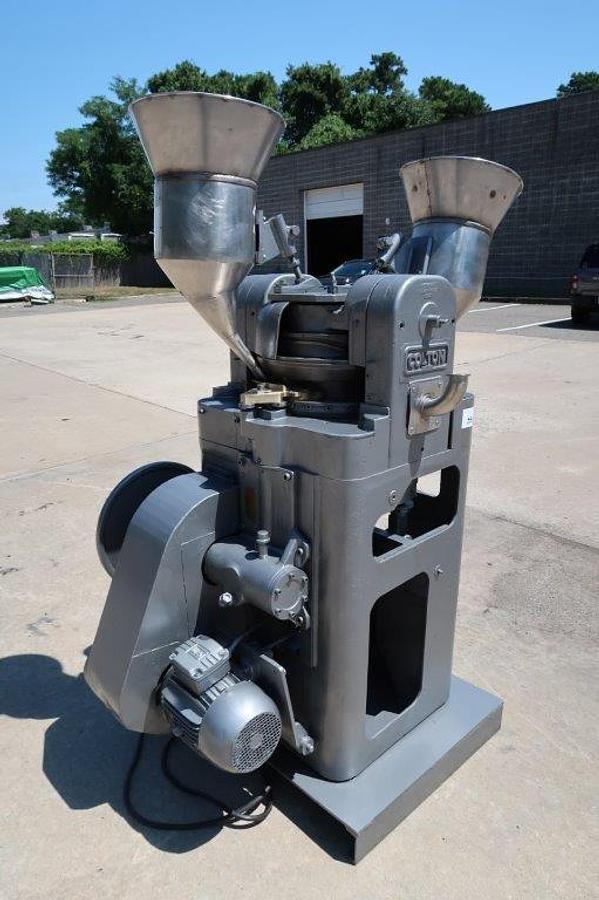
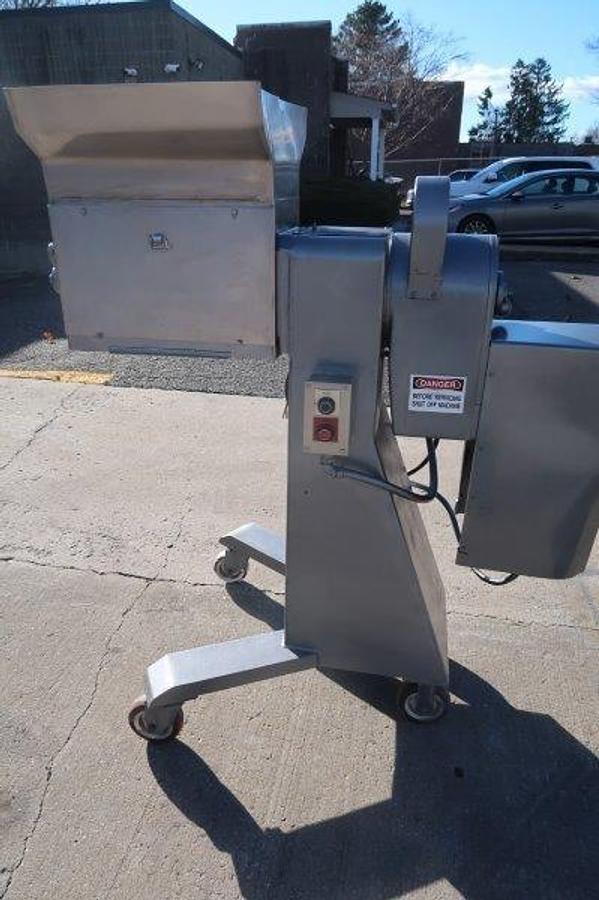
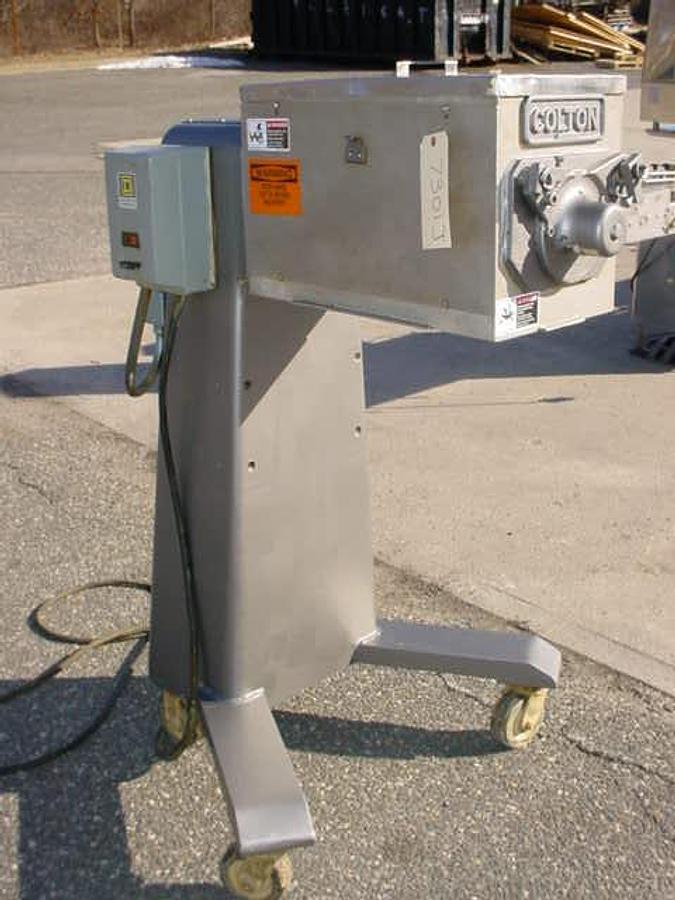
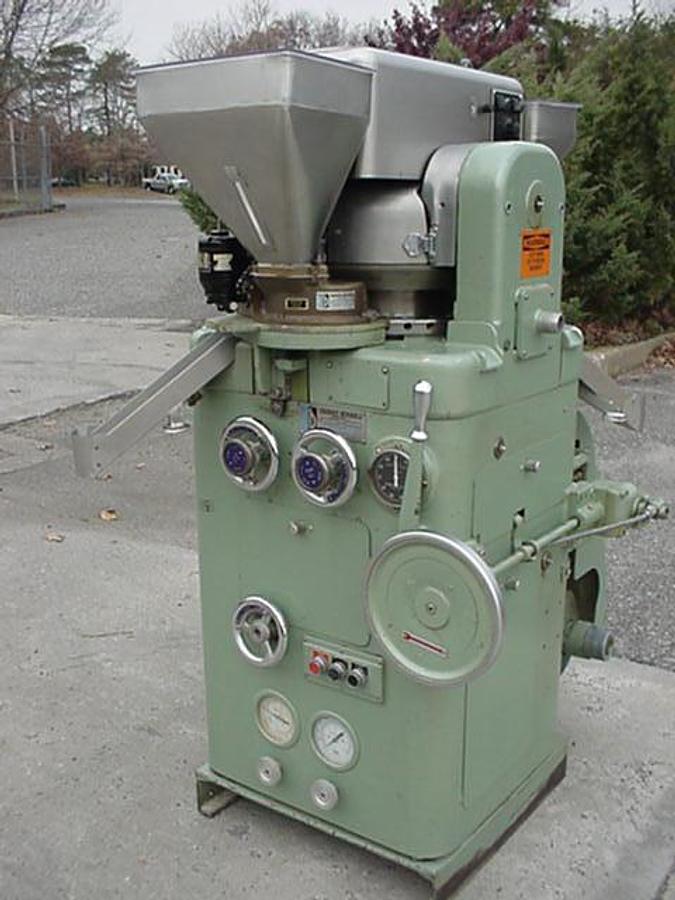
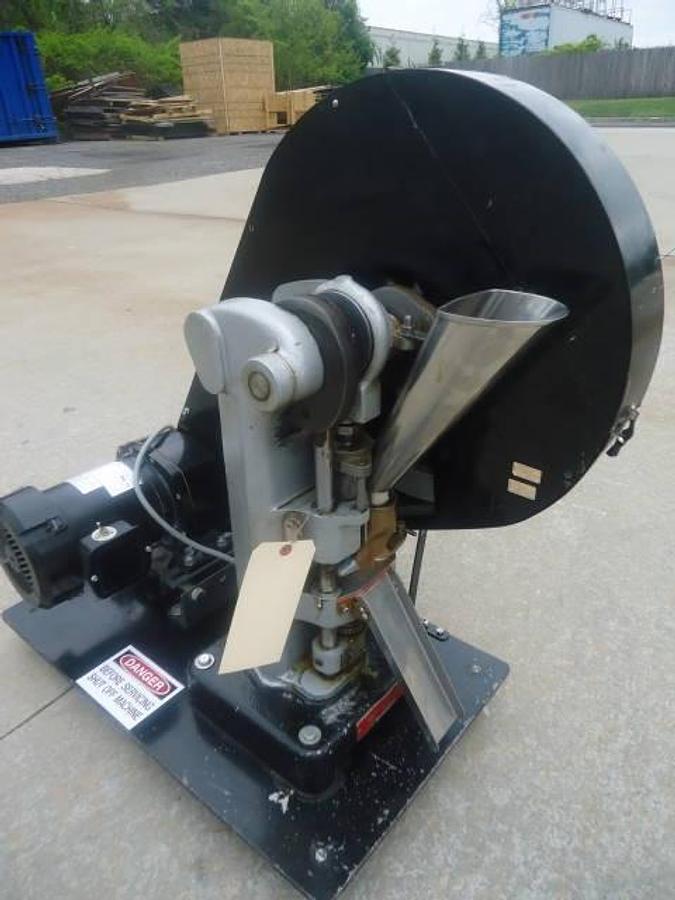
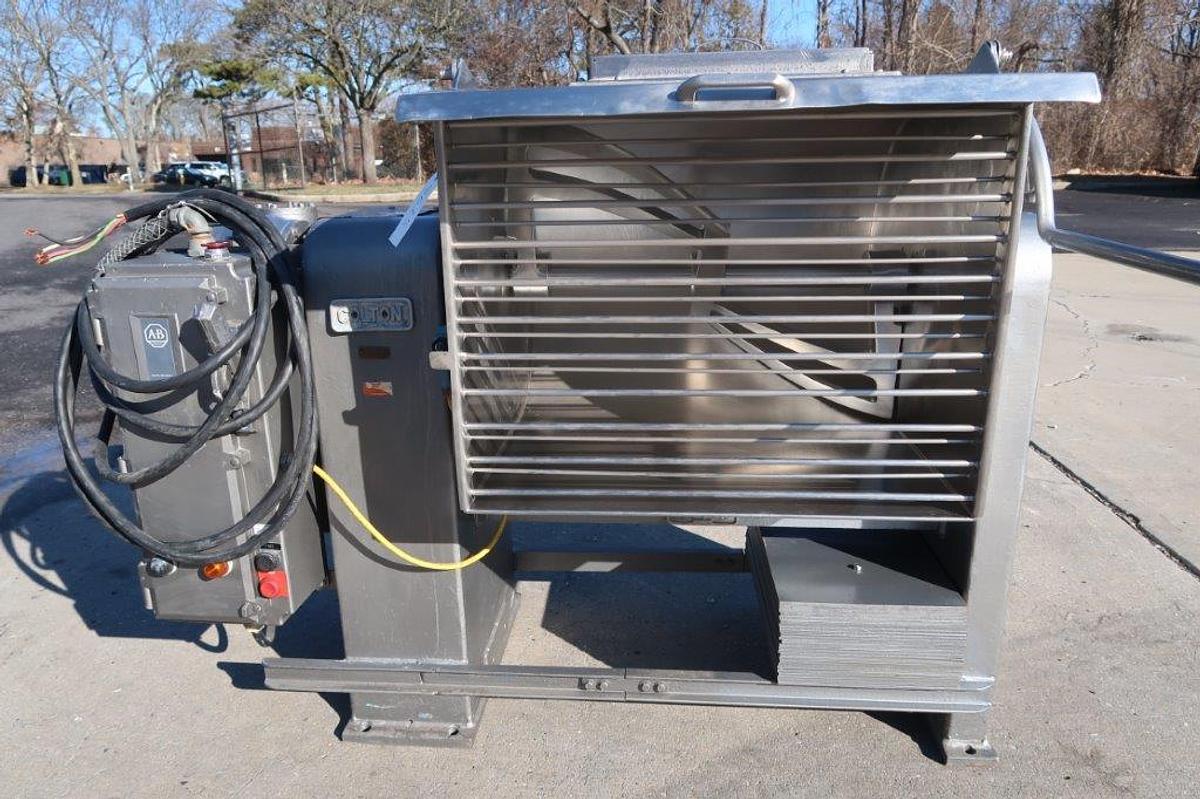
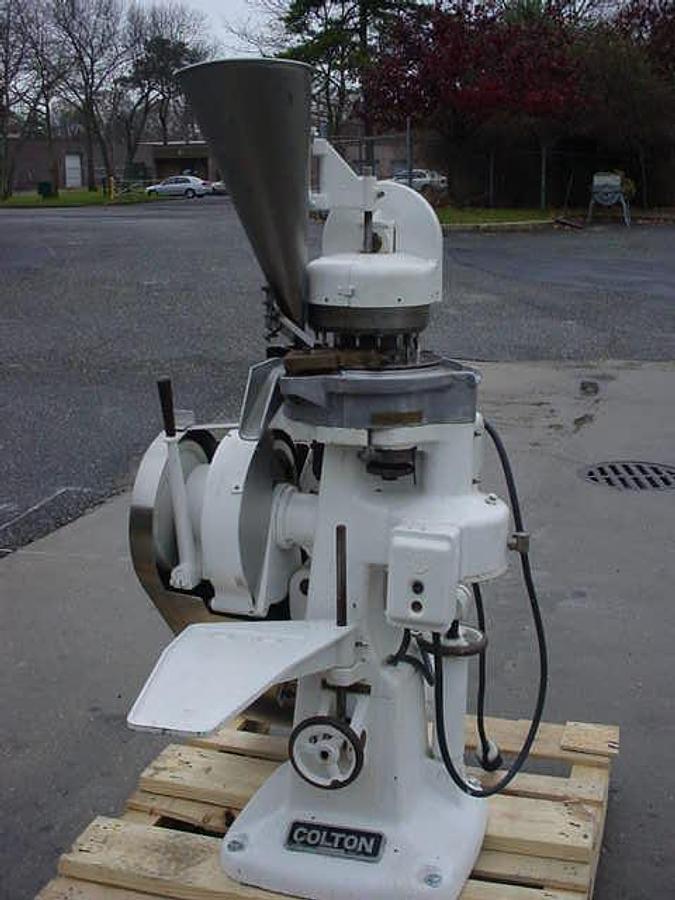
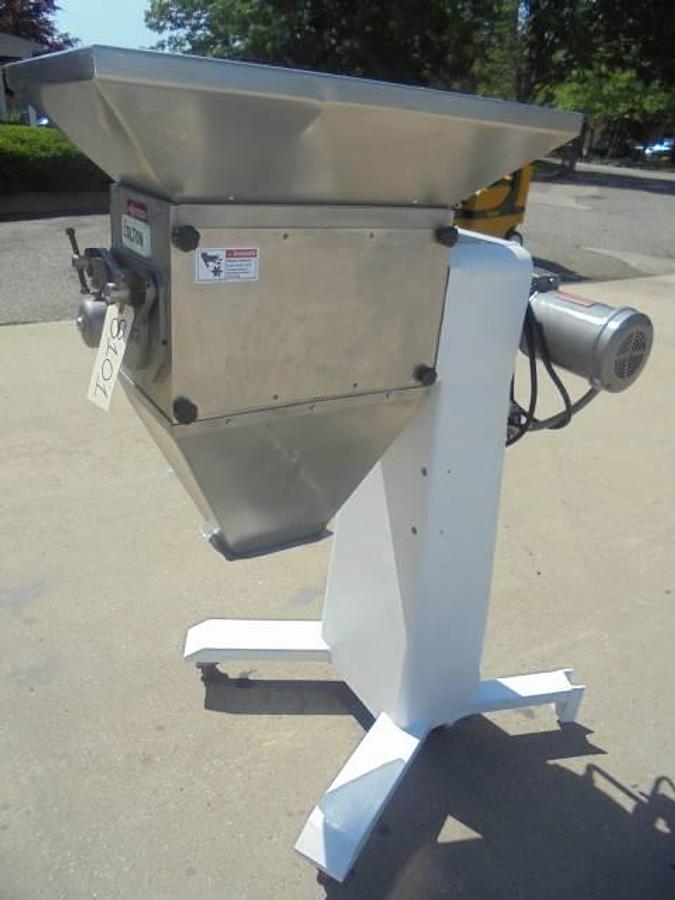
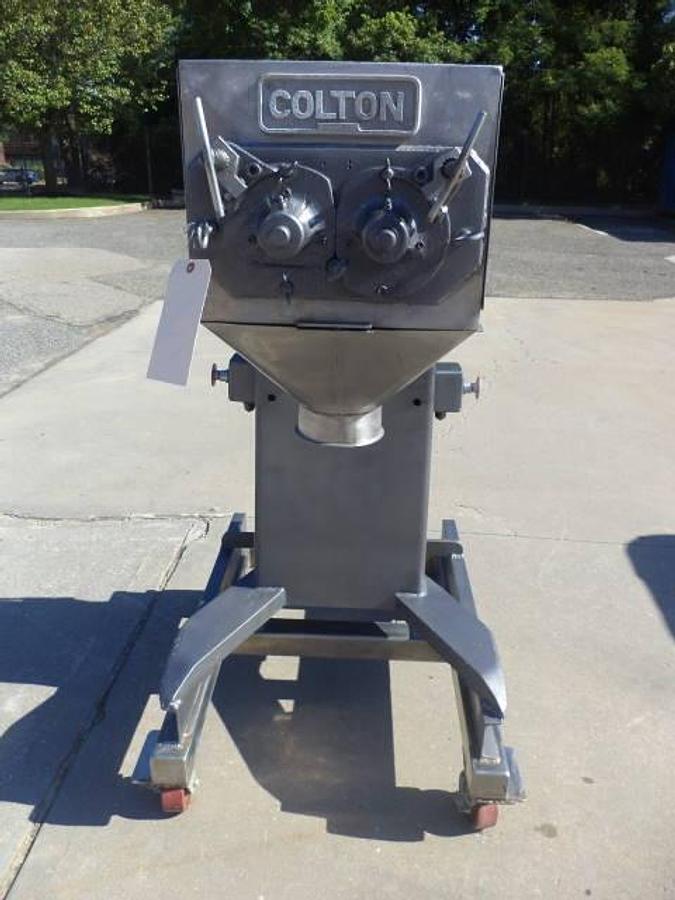
Colton has a long history in pharmaceutical manufacturing, and the used market reflects the breadth of their product line. The most frequently available pieces include rotary tablet presses in various station configurations (such as 16-station, 25-station, 27-station, and 33-station models), oscillating granulators, single punch tablet presses, stainless steel mixers, and twin granulators. Colton is also historically recognized for tablet coating pans and pan polishers, which remain highly sought after in secondary markets due to their durability and the brand's reputation for precision in solid-dose manufacturing.
Buyers shopping for used Colton equipment will find machines at different points in their service life. Some units come directly from active production facilities that are upgrading or consolidating, while others have been decommissioned and held in storage. The specific configuration matters quite a bit in pharmaceutical applications. For example, rotary tablet presses are available with different tooling types (such as D tooling), single or twin hopper arrangements, and induced die feed systems, each suited to different production volumes and tablet formulations. Identifying the exact model and station count before purchase is essential to confirm compatibility with existing tooling and production requirements.
What should I know about buying used Colton equipment versus purchasing from a manufacturer?
Buying used pharmaceutical equipment is a fundamentally different transaction than purchasing from a manufacturer. Used Colton machines are sold as-is, meaning the buyer takes on the responsibility of assessing condition, functionality, and suitability for their intended application. There are no manufacturer warranties attached to used equipment, so the burden of due diligence falls squarely on the buyer. This makes the reputation and specialization of the dealer a critical factor. Working with a dealer who has a long track record in pharmaceutical equipment specifically gives buyers a much better chance of getting accurate, honest information about a machine's history and current state.
That said, buying used Colton equipment can offer significant cost advantages over sourcing equivalent capacity through other channels, particularly for companies that have the in-house engineering expertise to inspect, qualify, and potentially refurbish the machines they acquire. The key is approaching the purchase methodically. Buyers should request whatever documentation is available, arrange a thorough inspection, and consult directly with Colton or their authorized service network to understand what parts and technical support are realistically available for the specific model and age of equipment under consideration. Older or legacy models may have limited parts availability, which directly affects long-term operating costs.
What is the typical price range for used Colton pharmaceutical equipment?
Pricing for used Colton equipment varies considerably depending on the type of machine, its age, station count, condition, and how recently it was last serviced or validated. Smaller or older units, such as tabletop single punch presses or basic granulators, can be found in the range of a few thousand dollars. Mid-range rotary tablet presses in good working condition typically fall somewhere between $10,000 and $40,000, while larger, well-maintained multi-station presses or complete granulation systems can climb into the tens of thousands or higher depending on the configuration and what documentation accompanies the sale.
Beyond the purchase price, buyers should factor in the full landed cost of the equipment. Shipping, rigging, crating, and any reconditioning or requalification work needed after delivery all add to the total investment. A machine listed at a low price may require substantial work to bring it into compliance with current production standards, which can erode the apparent savings. Getting a realistic picture of those downstream costs before committing to a purchase is just as important as negotiating the equipment price itself.
How do I inspect used Colton equipment before buying it?
Reputable used pharmaceutical equipment dealers will typically offer buyers the option to inspect machines in person, via live video call, or through detailed video recordings of the equipment. The goal of any inspection is to get an accurate picture of the machine's current mechanical condition, including the state of tooling, drive components, hoppers, and any control systems. For rotary tablet presses specifically, buyers should look closely at the turret, cam tracks, punch guides, and compression rollers, as wear on these components directly affects tablet quality and press longevity. Granulators should be examined for screen integrity, impeller condition, and the state of seals and gaskets.
One important limitation to keep in mind is that most equipment dealers do not have the permitting required to run actual pharmaceutical production, so live product testing is generally not possible during an inspection. What buyers can reasonably expect is a mechanical run of the machine to observe operation, noise levels, and any obvious mechanical issues. If the equipment is still installed at a production facility, an in-person inspection may be arrangeable directly at the plant, where the machine might still be in active use. Buyers should also ask about the availability of any maintenance logs, calibration records, or prior validation documentation, as these can significantly reduce the cost and time required for requalification after purchase.
Does used Colton equipment meet current GMP and FDA compliance requirements?
Whether a used Colton machine can meet current Good Manufacturing Practice (GMP) requirements depends on the specific model, its age, and what work has been done to maintain or upgrade it. Much of the Colton equipment available on the secondary market is legacy machinery, and older units may not natively support the electronic records and audit trail requirements outlined in 21 CFR Part 11. Buyers operating under FDA oversight need to carefully evaluate whether a given machine can be integrated into their validated environment, either as-is or with control system upgrades.
That said, the mechanical core of many Colton tablet presses and granulators is quite sound, and companies with strong validation and engineering teams regularly bring older equipment into compliance through a combination of retrofitting, installation qualification (IQ), operational qualification (OQ), and performance qualification (PQ) protocols. The machine itself does not arrive validated. Validation is a process the buyer's organization must undertake based on their specific facility, processes, and regulatory obligations. Consulting with a pharmaceutical validation specialist before purchasing used equipment is a practical step that can help buyers understand what compliance pathway they are committing to and what it will realistically cost.
What documentation should I request when purchasing used Colton pharmaceutical equipment?
Documentation is one of the most valuable things a buyer can receive alongside a used pharmaceutical machine, and it is worth asking for everything available even if the seller cannot guarantee completeness. The most useful records include maintenance logs showing what service was performed and when, calibration records demonstrating that critical measurement components were periodically verified, and any prior validation reports (IQ, OQ, PQ) from the machine's previous installation. If the equipment was used in an FDA-regulated facility, there may also be change control records or deviation reports that provide insight into how the machine performed over time.
In practice, documentation availability varies widely. Equipment coming directly from a pharmaceutical manufacturer that maintained rigorous records will often come with a more complete history than machines that have passed through multiple owners or sat in storage. Even partial documentation has value. A maintenance log showing regular preventive maintenance and timely parts replacement tells a different story than a machine with no records at all. Buyers should weigh documentation availability as part of their overall assessment of the equipment's value, since comprehensive records can meaningfully reduce the time and cost of requalification in a new facility.
What is the difference between refurbished and as-is used Colton pharmaceutical equipment?
As-is equipment is sold in whatever condition it is currently in, with no reconditioning performed by the seller before the sale. The buyer accepts the machine in its present state, which could mean everything from excellent working order to needing significant mechanical attention. As-is sales are common in the used pharmaceutical equipment market and are not inherently problematic, provided the buyer conducts a thorough inspection and accurately assesses what work, if any, the machine needs before it can be put into service.
Refurbished equipment has undergone some level of mechanical restoration before being offered for sale. This might include replacing worn components, cleaning and repainting, updating electrical systems, or addressing specific mechanical deficiencies identified during the dealer's assessment. The scope of refurbishment varies significantly from one dealer to another, so buyers should ask specifically what was done, what parts were replaced, and whether any testing was performed after the work was completed. Neither designation carries a warranty in the used equipment context, but refurbished machines may offer a more predictable starting point for buyers who lack the internal resources to handle significant reconditioning work themselves.
Can used Colton tablet presses and granulators be retrofitted with modern controls?
Many Colton tablet presses and granulators have mechanically sound frames and drive systems that are well-suited to control system upgrades, even when the original electrical components are outdated. Retrofitting older machines with modern programmable logic controllers (PLCs), human-machine interfaces (HMIs), or data acquisition systems is a well-established practice in pharmaceutical manufacturing. It allows companies to extend the useful life of durable equipment while bringing it closer to current expectations around process monitoring, electronic records, and operator safety.
The feasibility and cost of a retrofit depend on the specific machine model and the scope of the upgrade. Some older Colton presses have relatively simple drive and control architectures that are straightforward to modernize, while others may present more complexity. Buyers considering this path should engage a controls engineer or a qualified pharmaceutical equipment service company to assess the machine before purchase, not after. Understanding the retrofit requirements upfront allows for a realistic total cost of ownership calculation and avoids surprises during installation. It is also worth confirming parts availability for the mechanical components of the press, since a modern control system on a machine with unobtainable mechanical parts creates its own set of problems.
How does shipping and rigging work for used Colton pharmaceutical equipment?
Shipping pharmaceutical equipment like rotary tablet presses and granulators requires more planning than standard freight. These machines are heavy, precision-built, and sensitive to rough handling, so proper packaging is essential to prevent damage in transit. Depending on the size and weight of the equipment, the seller will typically palletize or crate the machine before shipment. Larger presses and granulation systems may require custom crating and blocking to protect critical components. The level of packaging directly affects shipping costs, and buyers should ask the dealer for specifics on how the equipment will be prepared for transport.
For larger or heavier Colton equipment, specialized rigging is often required for both loading at the seller's location and unloading at the buyer's facility. This involves forklifts, cranes, or other lifting equipment operated by experienced riggers, and it represents an additional cost that buyers need to account for when calculating the total landed price of the equipment. Buyers should request a detailed breakdown of packaging, rigging, and freight costs before finalizing a purchase. Surprises in shipping costs are common when buyers focus only on the equipment price and overlook the logistics side of the transaction.
What are the typical payment terms for purchasing used pharmaceutical equipment?
Used pharmaceutical equipment dealers generally require full payment before a machine is released for shipment. This is standard practice across the industry and reflects the nature of the transaction. Unlike purchasing from a manufacturer with established credit terms, used equipment sales typically do not include net payment arrangements for first-time buyers. Wire transfer is the most common payment method for transactions of this size, though the specifics vary by dealer.
Some dealers will extend payment terms to buyers with whom they have an established purchasing relationship, but this is not the norm for first transactions. Buyers who require financing should arrange it independently before committing to a purchase, as most used equipment dealers are not set up to offer financing directly. It is also worth clarifying with the dealer exactly when title transfers and when the equipment will be available for pickup or shipment after payment is received, so that logistics can be coordinated without unnecessary delays.