Category
Manufacturer
Model
Colborne
Colborne specializes in the production of bakery and food processing equipment, offering a wide range of machinery such as dough mixers and bread slicers. Their equipment is recognized for high-quality construction and precision, supporting both large-scale production and artisanal baking processes. Colborne is dedicated to enhancing productivity in the baking industry.
FAQ:
What types of Colborne bakery equipment are typically available on the used market?
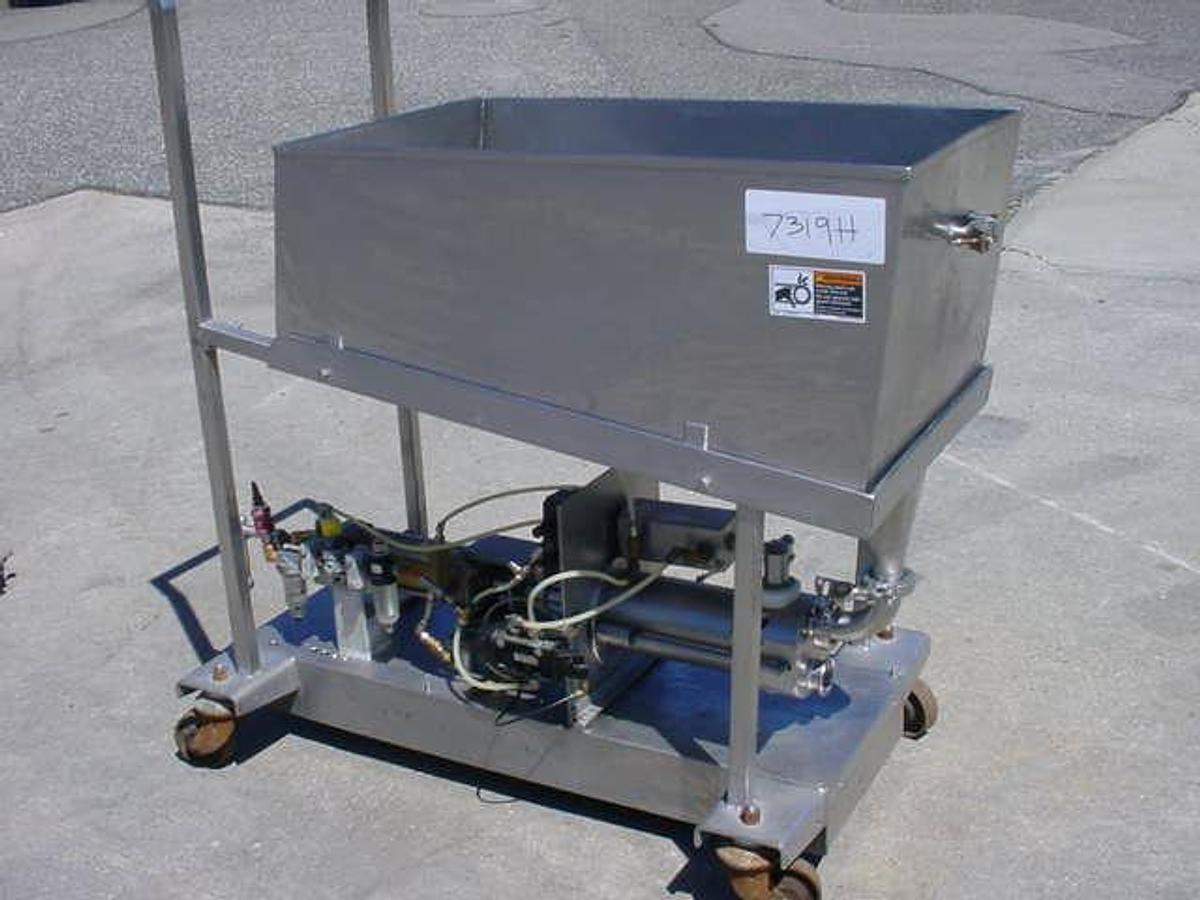
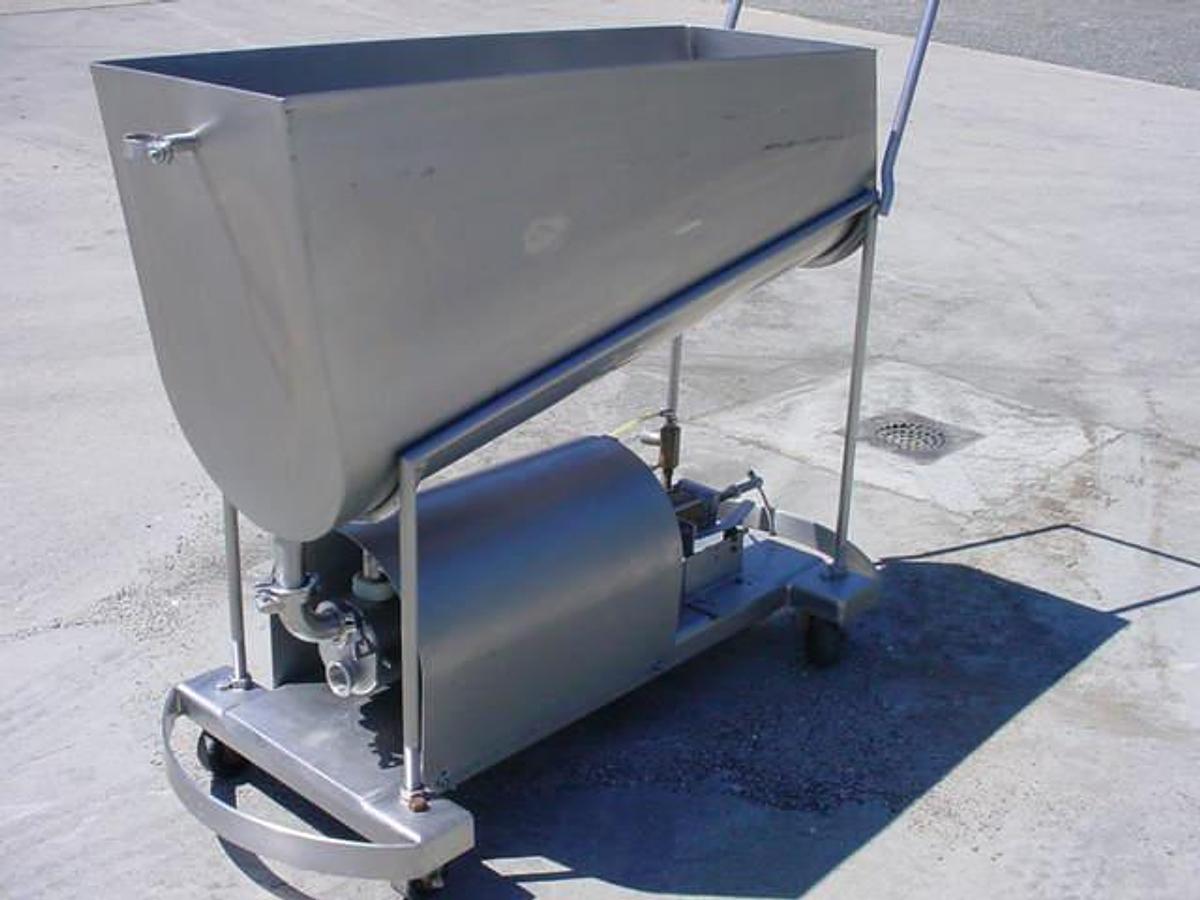
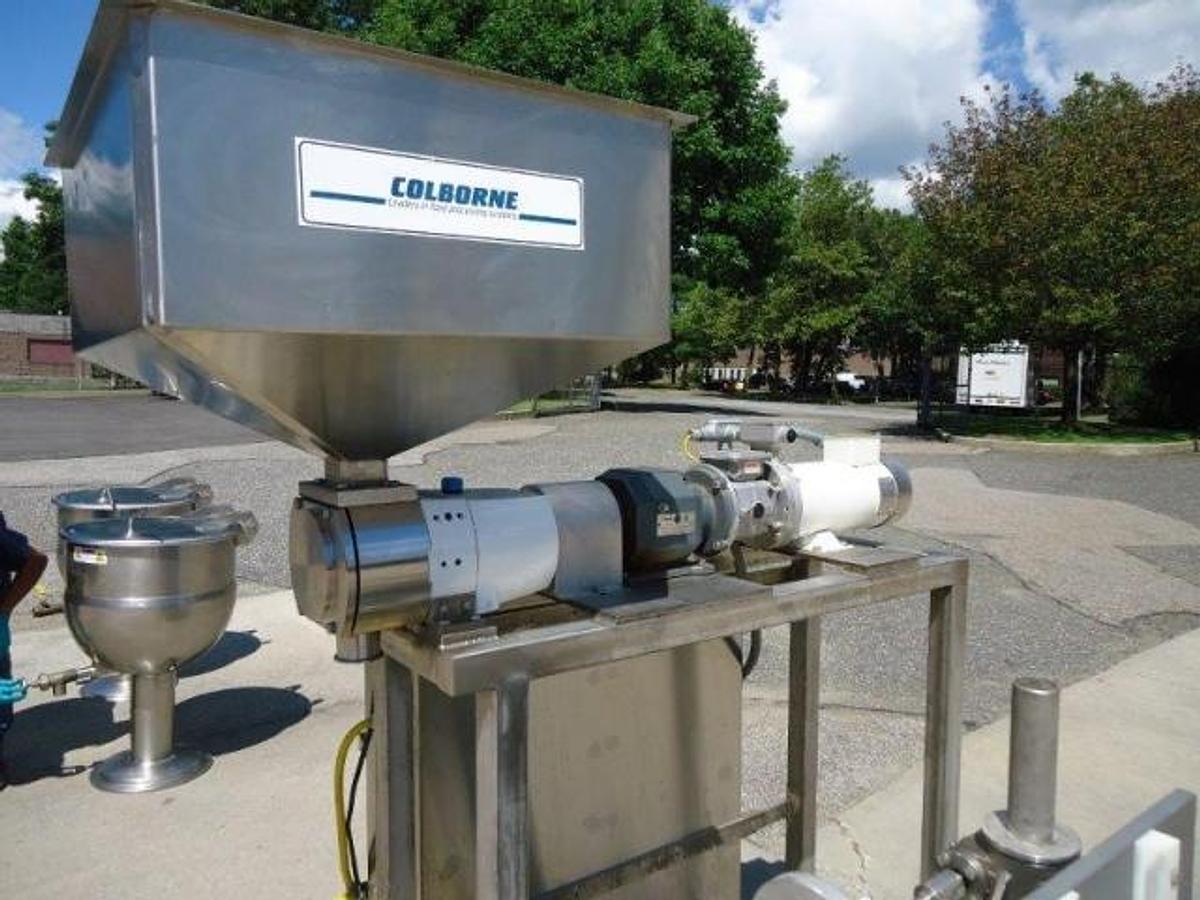
Colborne produces a wide range of commercial bakery and food processing machinery, and used examples of most of their major product lines surface regularly through specialty dealers. Common categories include spiral dough mixers, dough dividers, rounders, depositors, rotary pump fillers, and automated turnover machines. Smaller standalone units like single piston depositor/pump stations tend to be more widely available, while larger integrated production line equipment shows up less frequently but commands significant interest when it does.
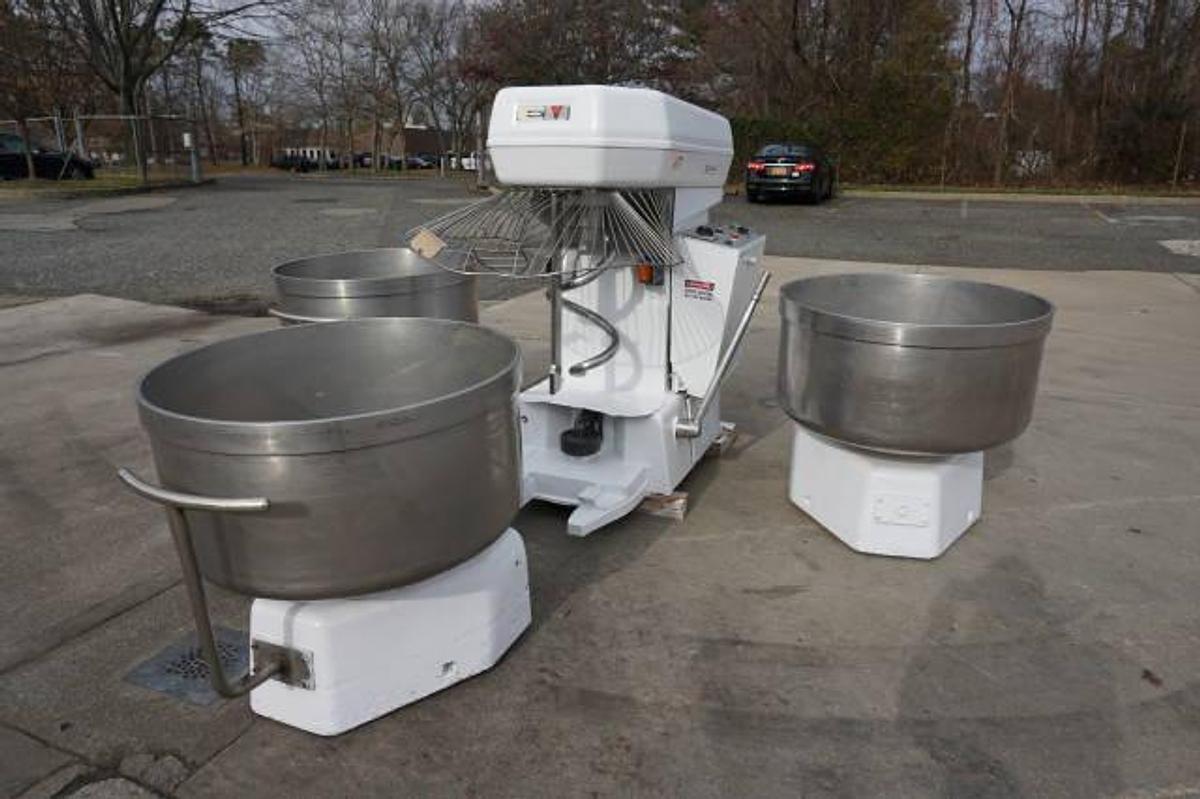
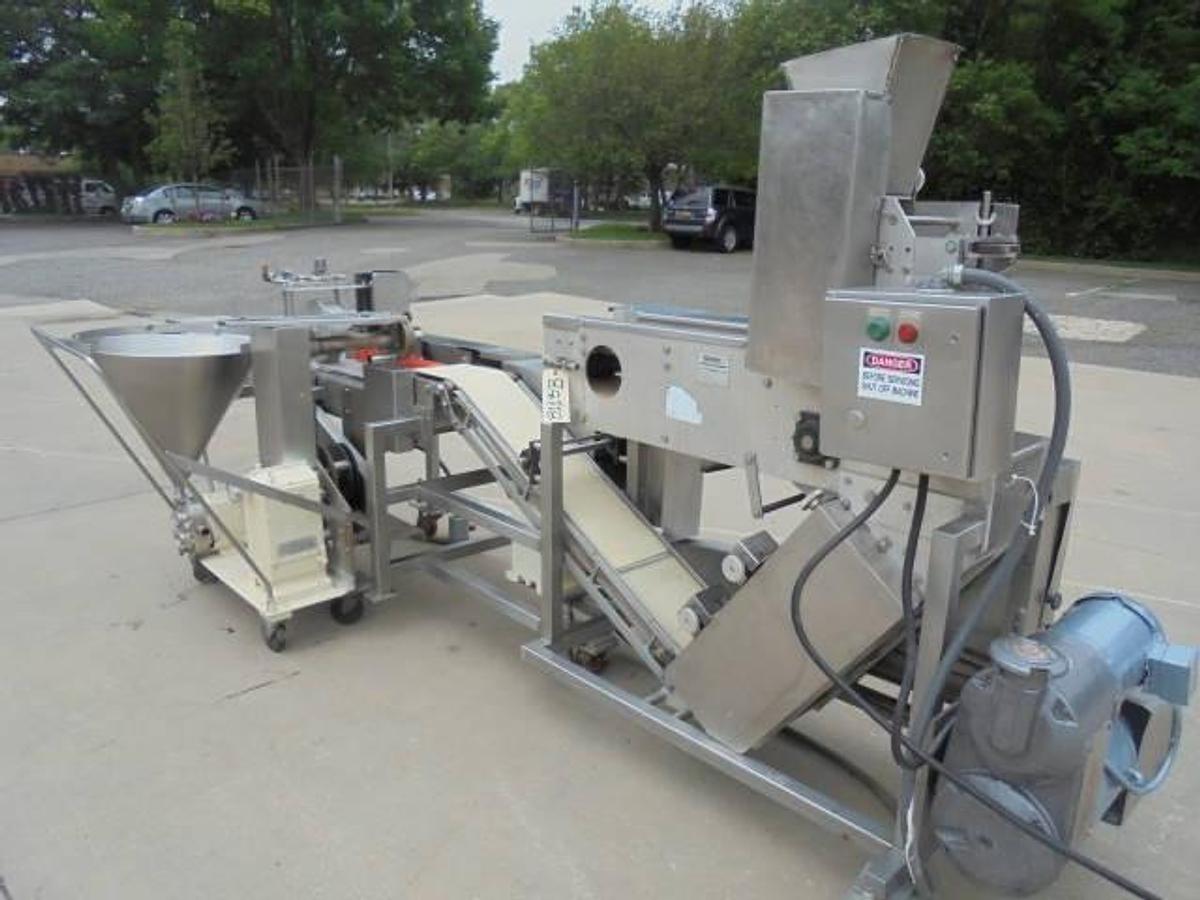
Some of the more distinctive pieces found through used equipment dealers include Colborne's automatic turnover pie machines, which are sometimes tooled for specific products like Jamaican beef patties, and their 200 kg spiral dough mixers with removable bowls. The T-28000 and T2800 turnover machines are examples of specialized Colborne equipment that serious commercial bakeries actively seek out. Portable rotary pump fillers and air-operated depositors round out the types of units that appear in used inventories, making Colborne a brand with broad representation across multiple stages of the baking production process.
Why is used Colborne bakery equipment considered a good investment for commercial bakeries?
Colborne built a strong reputation in the commercial baking industry by engineering equipment for demanding, high-volume production environments. The machines are known for heavy-duty construction and precision performance, which translates directly into long operational lifespans. It is not uncommon for well-maintained Colborne equipment to remain in productive service for several decades, which is a key reason buyers actively seek out used units rather than simply purchasing from other brands.
From a cost standpoint, buying used Colborne equipment allows bakeries to access professional-grade machinery at a fraction of what comparable capacity would cost through other channels. A used Colborne spiral dough mixer or dough divider that still has many years of service life left represents genuine value, particularly for mid-sized operations that need reliable throughput without the capital outlay of a full equipment purchase. The brand's track record for durability means that even older machines, if properly inspected and maintained, can deliver consistent performance in production settings.
What should I inspect before buying a used Colborne dough divider or rounder?
Dough dividers and rounders are among the most mechanically demanding pieces of bakery equipment, and a thorough inspection before purchase is essential. On Colborne dividers, the areas that see the most wear are the divider pistons, sealing rings, and the knife or cutting mechanism. These components are under constant pressure and repetitive stress during production, so checking them carefully for wear, scoring, or deterioration gives a realistic picture of how much service life remains. Rounding cups on rounder units should also be examined closely, as worn cups affect product consistency and may need replacement.
Beyond the mechanical wear components, buyers should assess the overall condition of the frame, drive systems, and any hydraulic or pneumatic lines. Ask the dealer whether the machine is currently in production at a facility or has been decommissioned, since equipment still running on an active line can often be inspected while operating. Keep in mind that most used equipment dealers do not have production permits, so full product testing at a dealer's warehouse is generally not possible. Requesting detailed photos, video walkthroughs, or an in-person visit to the equipment's current location are the most practical ways to verify condition before committing to a purchase.
What is the typical price range for used Colborne bakery equipment?
Pricing on used Colborne equipment varies considerably depending on the type of machine, its age, condition, and how much production capacity it represents. Smaller units like portable rotary pump fillers or single piston depositor stations can be found in the range of a few thousand dollars. Mid-range equipment such as spiral dough mixers or standard divider/rounder combinations typically falls somewhere between $8,000 and $20,000 depending on size and condition.
Larger, more specialized machines like the automatic turnover pie machines or fully configured production line equipment can reach $30,000 or more, particularly if the unit is in good working order and still carries tooling for specific product formats. The specific tooling or configuration of a machine, such as a turnover machine already set up for a particular product, can add meaningful value since it reduces the buyer's setup costs. Buyers should also factor in shipping, rigging, and any reconditioning costs when evaluating the total landed price of a used Colborne machine.
How do I verify the age and service history of a used Colborne machine before purchasing?
Colborne machines typically carry serial number plates that can be cross-referenced with the manufacturer to establish approximate production dates and model specifications. Contacting Colborne Foodbotics, the current entity that evolved from the Colborne brand, is a reasonable starting point for confirming what information is available for a specific serial number. However, detailed service records are rarely transferred with used equipment, so buyers need to rely on a combination of physical inspection and information provided by the selling dealer.
A reputable dealer should be able to share what they know about the machine's history, including where it came from, whether it was in active production before being listed for sale, and any visible repairs or modifications. Asking for close-up photos of the serial plate, wear components, and any areas showing prior repair work gives a clearer picture of how the machine was used. If the equipment is still located at the facility where it was last operated, arranging an in-person or video inspection at that site can reveal a great deal about how it was maintained. Dealers who specialize specifically in bakery equipment tend to have more meaningful context about Colborne machines than general industrial equipment resellers.
Does Colborne still support older equipment models with replacement parts?
Colborne as a standalone brand was absorbed into the Colborne Foodbotics identity over time, and this transition can affect parts availability for older legacy models. For more recent equipment or models that remained in production into the Colborne Foodbotics era, parts support tends to be more accessible. For older machines, buyers should contact Colborne Foodbotics directly before purchasing to understand what level of support they can realistically expect for the specific model and serial number they are considering.
Beyond the manufacturer, the commercial bakery equipment aftermarket has a well-established supply of common wear parts for widely used machines. Components like sealing rings, piston cups, and drive belts for popular Colborne divider and mixer models are often available through third-party parts suppliers. Working with a used equipment dealer who specializes in bakery machinery is an advantage here, as they typically have practical knowledge of which parts are readily sourced and which may require fabrication or creative substitution. Factoring parts availability into the purchase decision is a sound practice, especially for machines that are no longer actively supported by the manufacturer.
What should buyers understand about inspecting used Colborne equipment before purchase?
Used bakery equipment is sold as-is, which means the responsibility for assessing condition sits squarely with the buyer. There are no warranties from used equipment dealers the way there might be from a manufacturer selling a brand-new machine. This makes the inspection process critically important, and buyers should approach it with the same diligence they would apply to any significant capital equipment purchase.
Reputable dealers will typically accommodate in-person inspections, video walkthroughs, or detailed photo documentation of the machines they have listed. If a machine is still located at an operating facility, the dealer may be able to arrange access so the buyer can see it running under actual production conditions. Buyers should focus their inspection on the highest-wear components specific to the machine type, review the overall structural condition of the frame and drive systems, and ask direct questions about any known issues or prior repairs. Selecting a dealer with a long track record in bakery equipment specifically, rather than a generalist machinery reseller, gives buyers a meaningful advantage in getting accurate, knowledgeable answers about the equipment they are considering.
What are the most sought-after Colborne machines among commercial bakeries?
Dough dividers and rounders have historically been among the most in-demand Colborne products in the used market. These machines handle one of the most labor-intensive and precision-dependent stages of bread production, and Colborne's reputation for accuracy and durability makes them a preferred choice for bakeries looking to maintain consistent piece weights and product quality. Spiral dough mixers, particularly larger-capacity units with removable bowls, are also consistently sought after because they handle high-volume dough production with less heat generation than conventional mixers.
On the more specialized end, Colborne's turnover machines attract significant interest from operations producing filled pastries, hand pies, and similar folded products. The T-28000 and T2800 models, for example, are capable of automating a production step that would otherwise require substantial manual labor. Depositor and pump filler equipment rounds out the list of frequently requested Colborne machinery, particularly among bakeries and food processors that need consistent portioning for batters, fillings, or icings. The combination of specialized function and Colborne's build quality makes these machines worth tracking down in the used market even when availability is limited.
What should buyers know about shipping and rigging costs for used Colborne bakery equipment?
Shipping costs for used bakery equipment can vary significantly and should always be factored into the total cost of a purchase before committing. Smaller Colborne units like portable depositors or pump stations may ship on a standard pallet with relatively modest freight costs. Larger machines, such as a 200 kg spiral mixer or an automatic turnover machine, are heavy and dimensionally significant pieces of equipment that require proper crating or custom packaging to prevent damage in transit. The level of packaging required directly affects the freight cost, and buyers should ask for a detailed breakdown before finalizing a purchase.
For the largest pieces of equipment, professional rigging is often required both at the point of origin for loading and at the destination for unloading. Rigging services add cost but are worth it to protect equipment that may weigh thousands of pounds and require precise handling to avoid damage to the machine or the facility. Buyers should ask the dealer specifically about what packaging will be used, whether rigging is included or billed separately, and which freight carriers or methods are typically used for equipment of that size. Understanding the full landed cost, including freight, rigging, and any applicable crating fees, prevents unwelcome surprises after the sale is completed.
What payment terms are typical when purchasing used Colborne bakery equipment from a dealer?
Used equipment dealers generally require full payment before a machine is released for shipping. This is standard practice across the industry and reflects the fact that used equipment transactions do not carry the same financing infrastructure that exists for new capital equipment purchases. Buyers should plan for this upfront payment requirement when budgeting for a used Colborne machine, particularly for higher-value pieces where the purchase price is substantial.
Some dealers may offer payment terms to established customers with a prior purchasing history, but this is the exception rather than the rule, and it typically requires a pre-existing relationship with the dealer. For buyers making a first purchase, wire transfer or other direct payment methods are the most commonly accepted forms. Asking the dealer about accepted payment methods early in the conversation avoids delays once a purchase decision is made. Buyers who need financing for used equipment may want to explore third-party equipment financing options independently, as most specialty used machinery dealers do not offer in-house financing programs.