Category
Manufacturer
Model
Cleveland Range
Cleveland Range is a trusted name in the commercial cooking and foodservice industry, known for producing high-quality steamers and kettles. Their equipment is designed to support large-scale cooking operations, providing efficient and uniform heating solutions. Cleveland Range is dedicated to innovation and quality, ensuring their products meet the demanding needs of busy kitchens.
FAQ:
What types of Cleveland Range equipment are commonly available on the used market?
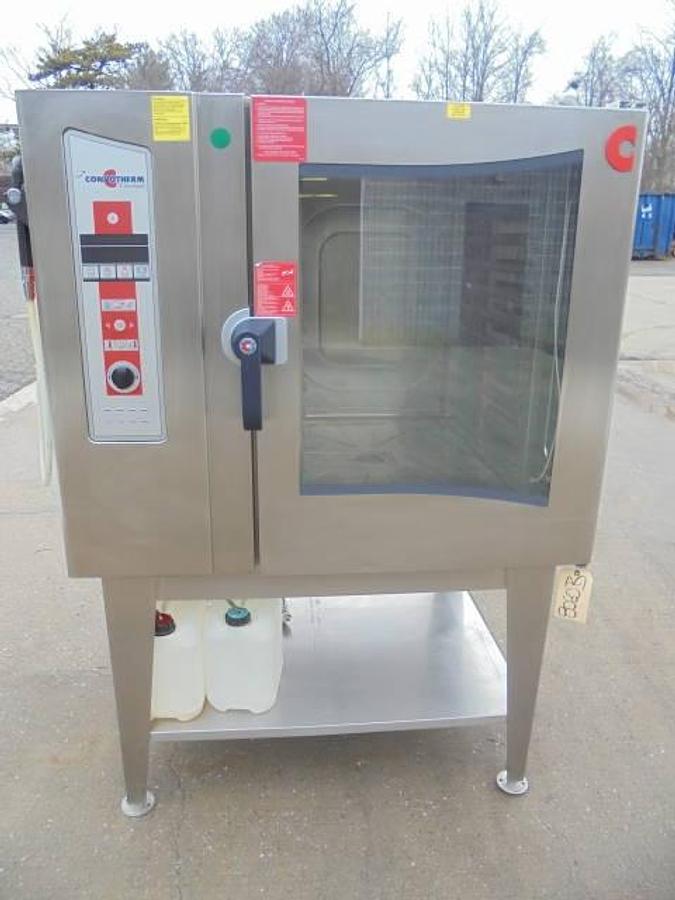
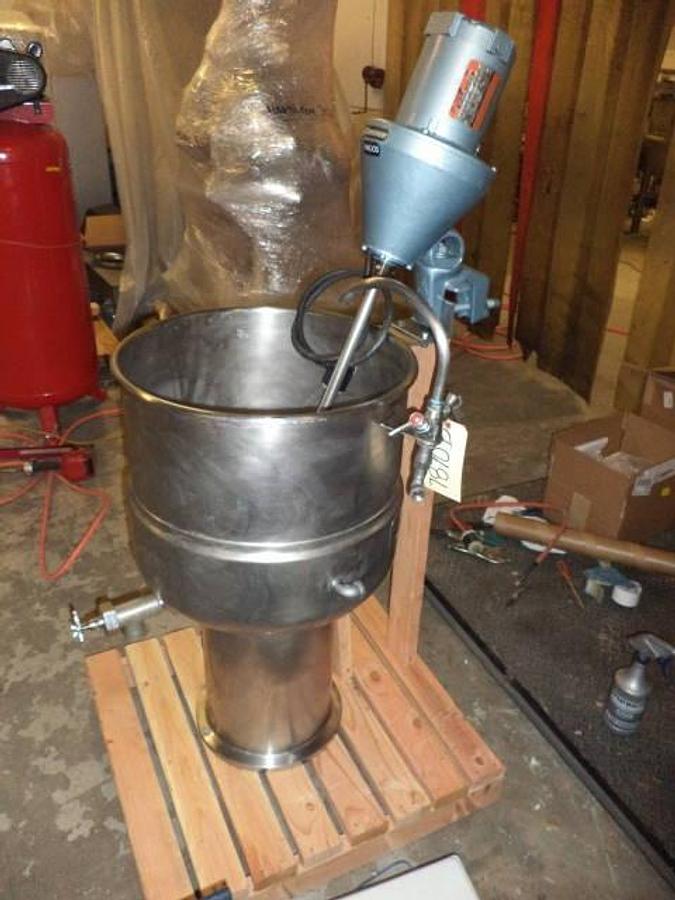
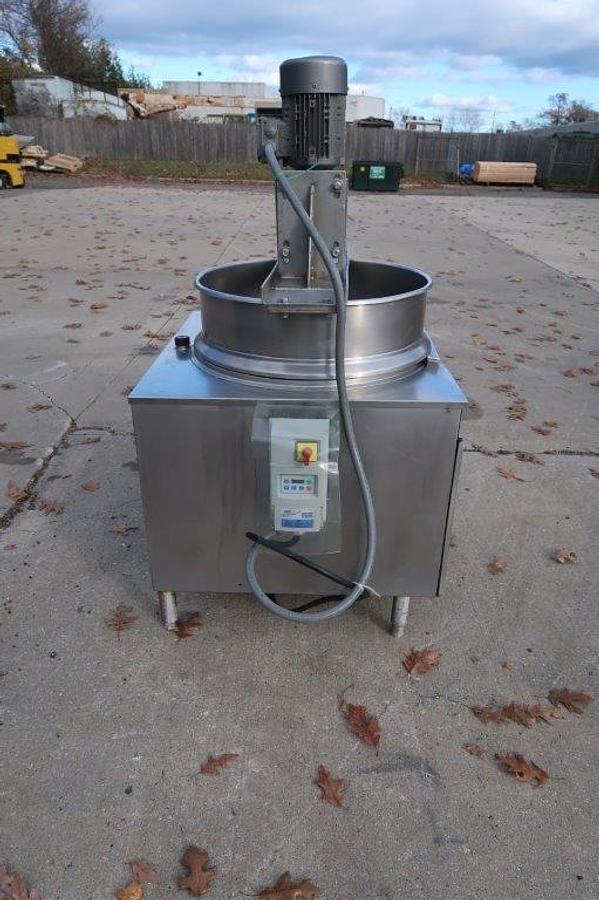
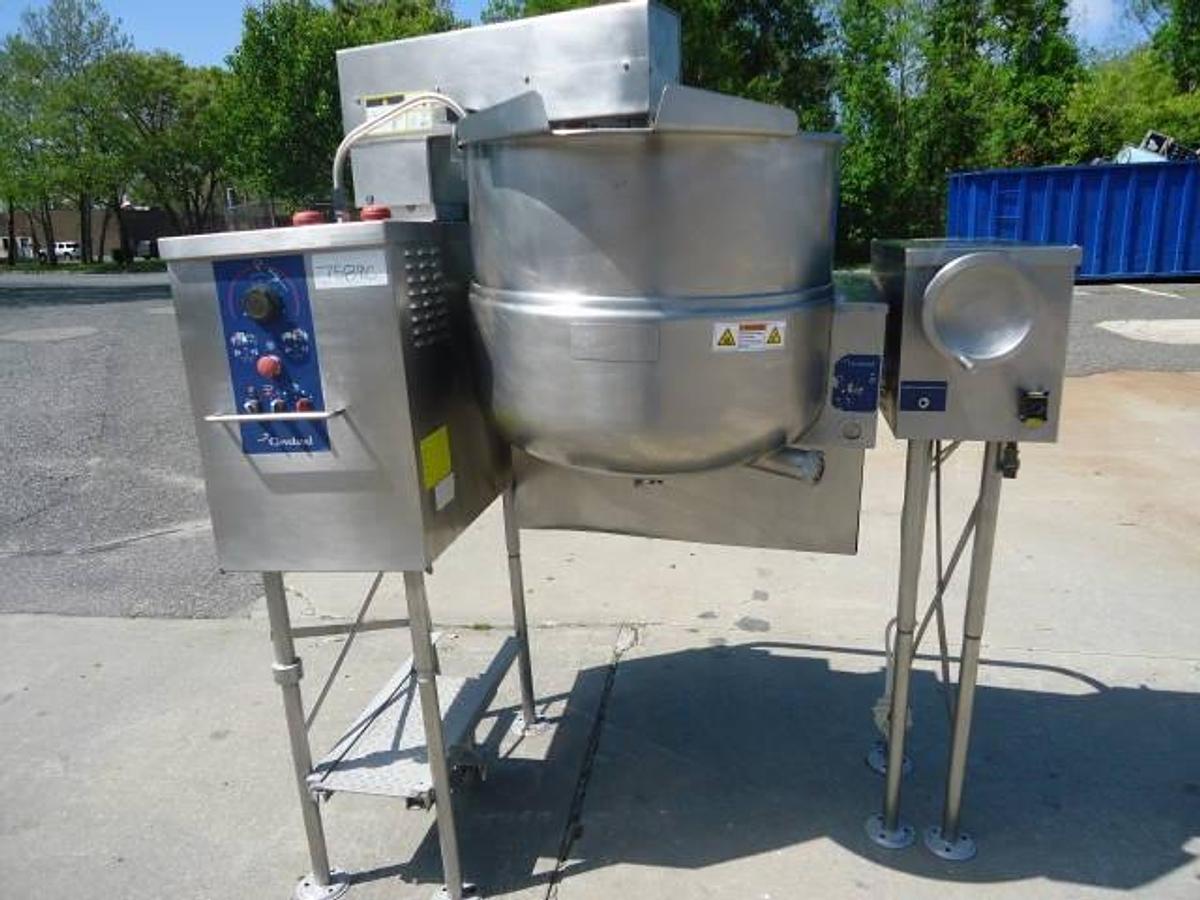
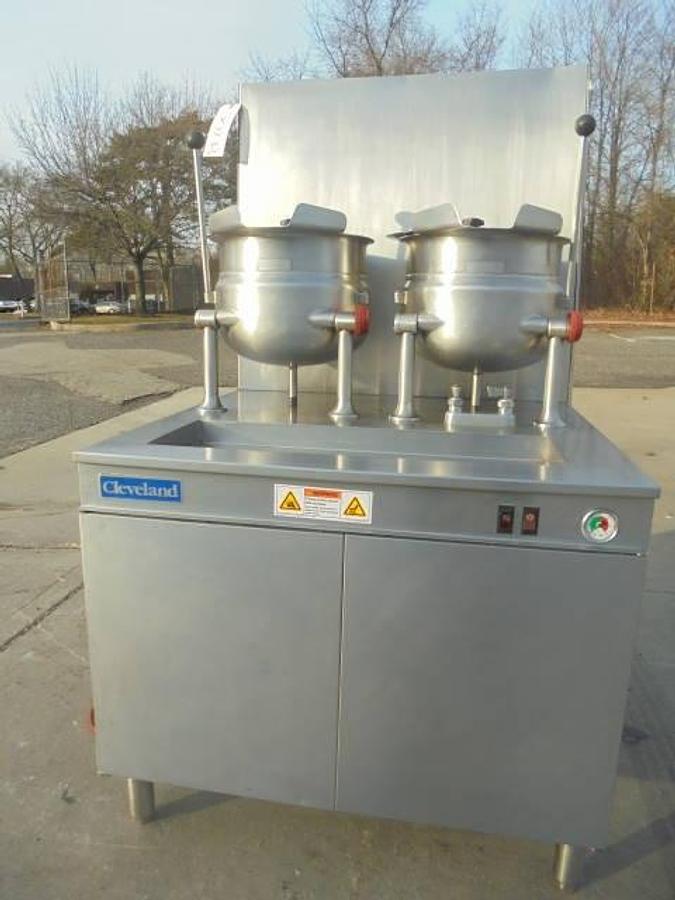
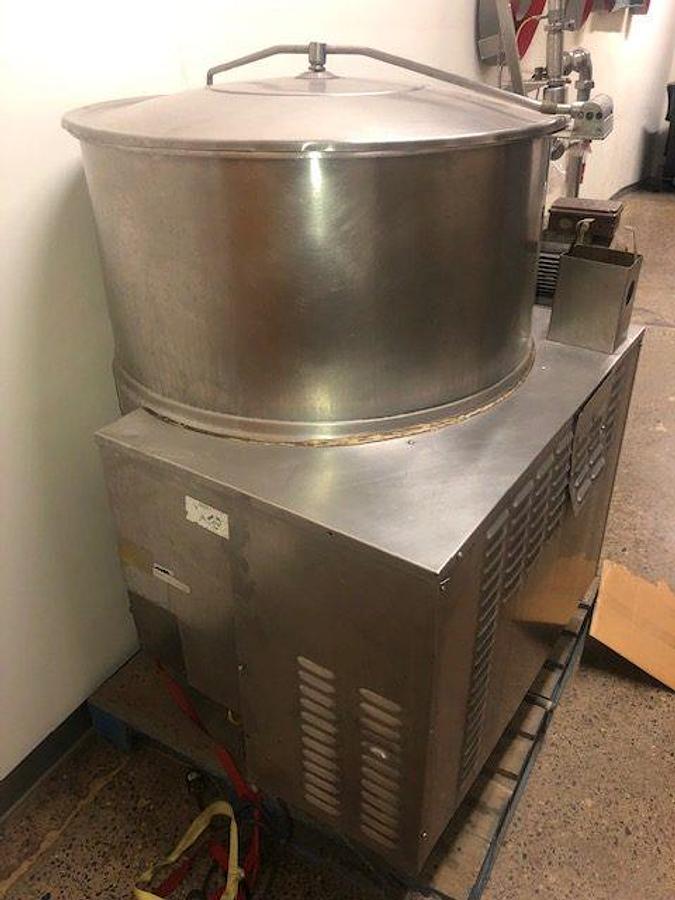
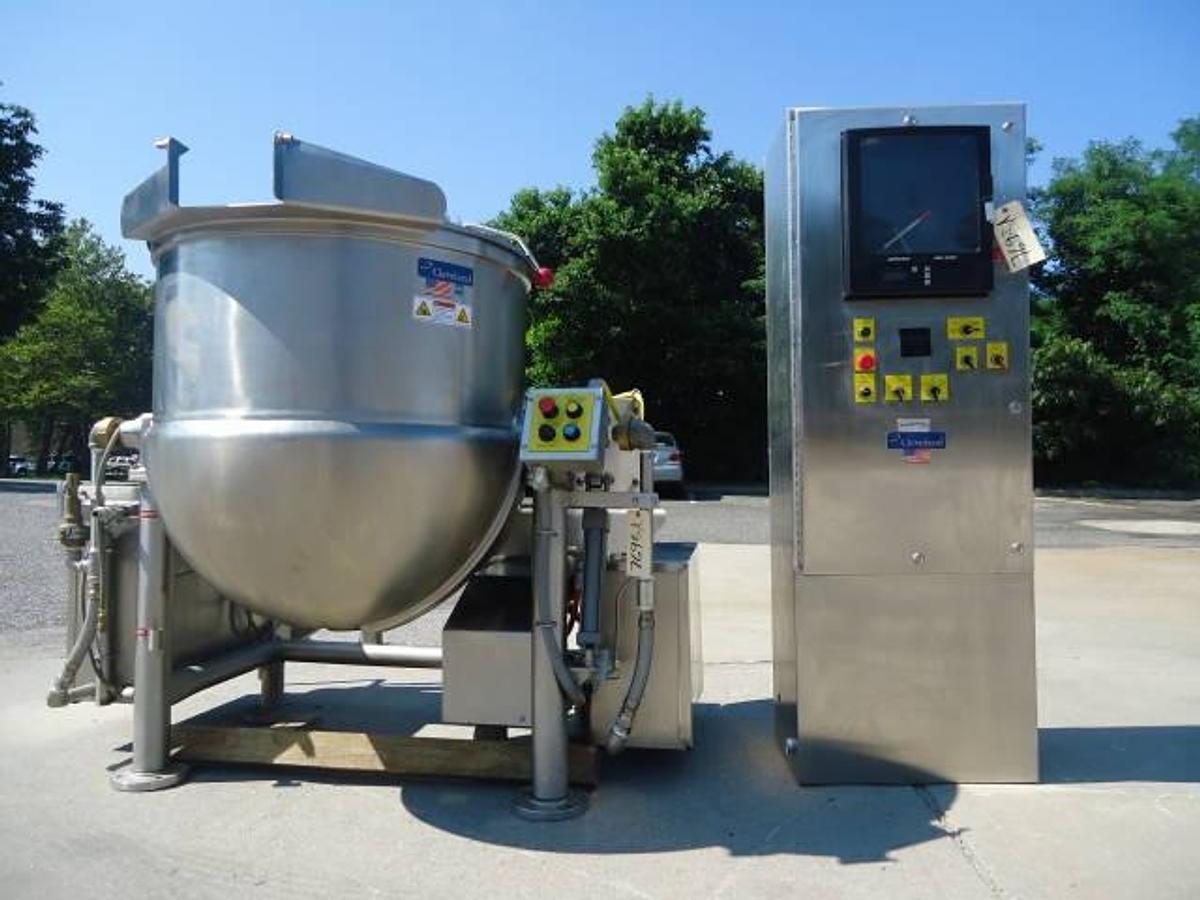
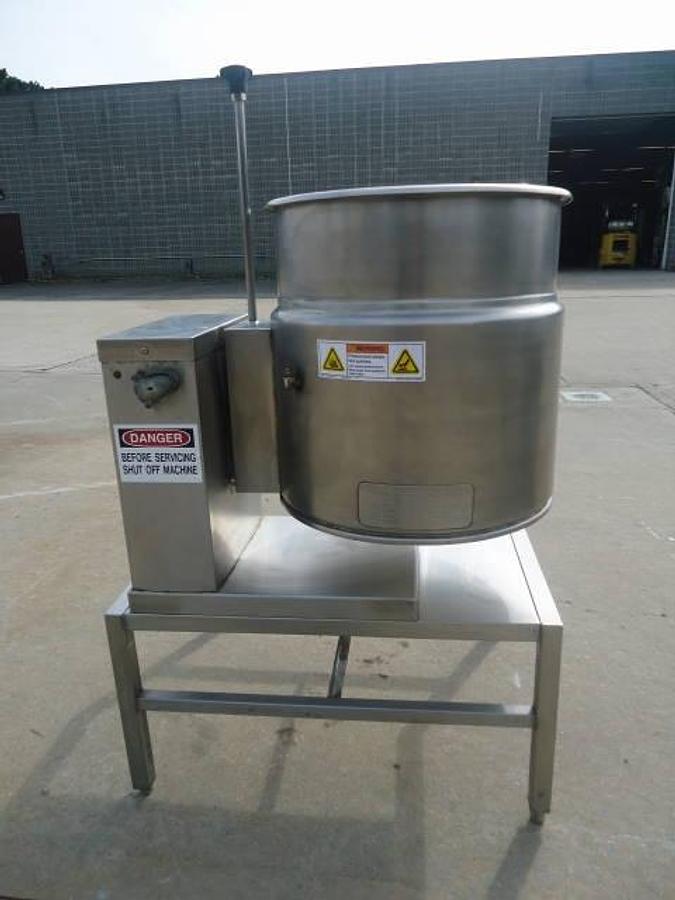
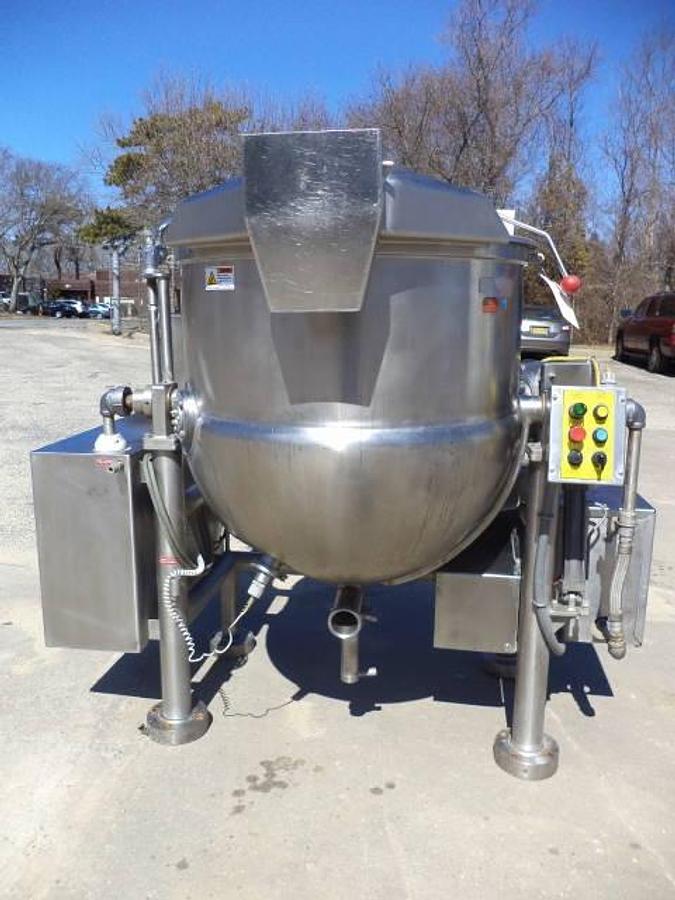
Cleveland Range has built its reputation primarily around steam-based cooking equipment, and that's reflected in what shows up most often on the used market. The most common pieces include jacketed steam kettles in a wide range of capacities (typically 12 to 100 gallons), tilting kettles, scraper-agitated kettles, cook/chill systems, and combination gas/electric ovens such as the Convotherm line. You'll also find twin-action kettles, self-contained gas-fired units, and USDA-rated agitated tilt kettles designed for institutional food production environments.
Capacity and configuration vary considerably. Smaller 12 to 25 gallon tilt kettles are common in mid-sized restaurant and catering operations, while 60 to 100 gallon units are typically found in large institutional kitchens, food processing facilities, hospitals, and school nutrition programs. Many used listings also specify jacket pressure ratings (such as 50 PSI or 100 PSI) and material grades like 316 stainless steel, which is relevant for operators working with acidic or high-salinity recipes. Buyers should review these specs carefully, as they directly affect the unit's suitability for specific cooking applications.
Is used Cleveland Range equipment a reliable choice for a commercial kitchen?
Cleveland Range has a long track record in commercial foodservice, and the durability of their kettles and steamers is one reason used units hold up well over time. Many of these machines are built with heavy-gauge stainless steel, robust jacketing systems, and industrial-grade components designed for continuous, high-volume use. A well-maintained Cleveland Range kettle or steamer can remain fully functional for decades, which is why used examples continue to appear in working commercial kitchens long after their initial purchase.
That said, reliability on the used market depends heavily on the machine's history, how it was maintained, and whether it was properly decommissioned. Buyers should request as much documentation as possible about the unit's service history, and take advantage of any inspection opportunities offered by the dealer. Many used equipment dealers accommodate in-person or video inspections so buyers can assess the machine's current condition before committing. Consulting with a Cleveland Range service technician or the manufacturer directly can also help buyers understand what parts and support are available for a specific model and age of equipment, since older models may have more limited parts availability.
What should I inspect before buying a used Cleveland Range kettle?
A thorough pre-purchase inspection of a used Cleveland Range kettle should cover several key areas. Start with the jacket integrity: the steam jacket surrounding the kettle bowl is what makes these units function, and any signs of corrosion, prior repairs, or pressure rating inconsistencies should be flagged. Check the jacket pressure rating stamped on the unit and verify it matches what's listed. For scraper-agitated models, examine the agitator mechanism for wear, alignment, and smooth operation. Tilt mechanisms on tilting kettles should operate freely without binding or grinding.
Inside the kettle bowl, look for pitting, deep scratches, or discoloration that might indicate heavy wear or chemical damage, especially on 316 stainless steel units intended for corrosive ingredients. Check all valves, fittings, and drain assemblies for leaks or signs of past repairs. If the unit is still connected at a facility, ask whether an operational demonstration is possible. Keep in mind that most used equipment dealers do not have the production permits required to run full product tests on-site, so a functional check of heating elements, controls, and mechanical components is typically the best available verification. Requesting photos or video of the unit running, if it's still in service, is a reasonable ask.
What is the typical price range for used Cleveland Range commercial cooking equipment?
Pricing for used Cleveland Range equipment spans a wide range depending on the type of unit, its capacity, age, condition, and configuration. Smaller electric tilt kettles in the 12 to 25 gallon range might be found in the low thousands, while mid-capacity jacketed kettles (40 to 60 gallons) in good working condition typically fall somewhere in the range of several thousand dollars. Large 100-gallon agitated cook/chill kettles, especially those with 316 stainless steel construction and high-pressure jackets, can command significantly more, sometimes approaching or exceeding the price of lower-end new equipment from other manufacturers.
Combo units like the Convotherm gas/electric oven also tend to carry higher price tags given their multi-function capability and the complexity of the equipment. It's worth noting that the landed cost of used equipment includes more than the purchase price. Rigging, crating or palletization, freight, and any installation or commissioning costs can add meaningfully to the total. Buyers should request a full breakdown of these costs from the dealer before finalizing a purchase to avoid surprises.
What utilities do Cleveland Range kettles and steamers require?
Cleveland Range produces equipment across a range of utility configurations, so the specific requirements depend on the model. Steam jacketed kettles are available in both gas-fired and electric versions. Gas-fired kettles require a natural gas or LP gas connection and proper venting, while electric models need adequate electrical service, which for larger units can mean three-phase power at significant amperage. Some self-contained models generate their own steam internally, while others require a facility steam supply.
For combo units like the Convotherm line, which can operate on gas or electric depending on configuration, buyers need to verify the specific utility requirements of the exact model they're purchasing. This is especially important with used equipment, since the unit may have been configured for a utility setup that differs from what's available at the buyer's facility. Checking the data plate on the machine and cross-referencing with the manufacturer's documentation for that model is the most reliable way to confirm utility requirements before purchase. A licensed commercial kitchen equipment installer or plumber familiar with foodservice equipment should be involved in the hookup process.
Does Cleveland Range equipment require professional installation?
Yes, professional installation is strongly recommended and in most cases required by local codes. Cleveland Range kettles and steamers involve pressurized steam systems, gas lines, high-amperage electrical connections, or some combination of these, all of which fall under regulated trade work in most jurisdictions. Improper installation can create safety hazards, void any applicable manufacturer support, and cause equipment damage that's expensive to repair.
Beyond the technical requirements, proper installation also affects performance. A kettle that isn't level, a steam connection that isn't sealed correctly, or an electrical hookup that doesn't meet the unit's specifications can all lead to operational problems that might be mistaken for equipment faults. Buyers should budget for installation costs as part of the total acquisition expense and work with technicians who have experience with commercial foodservice equipment specifically. Some used equipment dealers can recommend qualified service technicians in the buyer's area, which can simplify the process.
Are replacement parts and service support available for used Cleveland Range equipment?
Cleveland Range, which operates under the Welbilt umbrella, has maintained a presence in the commercial foodservice market for many decades, and parts availability is generally considered reasonably good for models that are not too far out of production. Common wear items like gaskets, valves, agitator components, and control parts are often available through authorized service channels and commercial foodservice parts distributors. However, availability can vary significantly based on the age and specific model of the equipment.
Before purchasing a used Cleveland Range unit, it's worth contacting the manufacturer or an authorized service agent directly to ask about parts availability and service support for that particular model. This is especially relevant for older or discontinued models, where some components may be harder to source. A qualified commercial kitchen equipment technician familiar with Cleveland Range products can also assess the unit's condition and advise on what maintenance or repairs might be needed after acquisition. Factoring potential service costs into the purchase decision is a practical step that experienced buyers of used foodservice equipment routinely take.
What is the difference between a scraper-agitated kettle and a standard jacketed kettle?
A standard jacketed steam kettle uses a steam-filled outer jacket to heat the contents of the kettle bowl indirectly and evenly. This design works well for soups, stocks, sauces, and similar liquid-heavy preparations where the product flows freely and doesn't stick. The jacketed design provides consistent, gentle heat distribution and is a workhorse of institutional and large-scale food production.
A scraper-agitated kettle adds a motorized scraper or agitator mechanism that continuously moves product along the inner surface of the kettle bowl while it cooks. This is particularly valuable for thick, dense, or starchy products like mashed potatoes, puddings, gravies, or tomato-based sauces that would otherwise scorch against the heated surface. The scraper action prevents product buildup and burning while also keeping the mixture homogeneous throughout the cook cycle. Cleveland Range offers both types, and the choice between them should be driven by the specific products a kitchen prepares most frequently. For operations that cook a mix of products, some facilities invest in both types to handle different menu items efficiently.
What does the jacket pressure rating mean on a Cleveland Range kettle, and why does it matter?
The jacket pressure rating on a Cleveland Range kettle refers to the maximum operating pressure the steam jacket is designed and certified to handle, expressed in PSI (pounds per square inch). Common ratings on used units include 50 PSI and 100 PSI. Higher jacket pressure allows for higher cooking temperatures, which can reduce cook times for certain applications and is particularly relevant in cook/chill production environments where throughput and speed matter.
This rating is also a safety specification. The jacket is a pressure vessel, and operating it beyond its rated pressure is dangerous and non-compliant with regulatory standards. When buying a used kettle, verifying that the pressure rating stamped on the unit matches the listing description is an important step. Buyers should also confirm that the unit has been properly maintained and that its pressure relief valves and safety systems are in working order. For facilities that use a central steam supply, the supply pressure must be compatible with the kettle's rated operating range. A kettle rated for 50 PSI connected to a 100 PSI steam supply without a proper pressure-reducing valve is a serious safety concern.
How does the shipping and delivery process work for large used Cleveland Range equipment?
Shipping large commercial cooking equipment like Cleveland Range kettles and combo ovens involves more complexity than standard freight. These units are heavy, often awkwardly shaped, and require careful packaging to prevent damage in transit. Depending on the size and weight of the unit, the dealer will typically arrange for palletization or custom crating. Heavier or more fragile units may require full wooden crates with internal bracing, which adds to the shipping cost but significantly reduces the risk of transit damage. Buyers should ask the dealer specifically what packaging method will be used and what the associated costs are.
For very large units such as 100-gallon kettles or floor-model ovens, specialized rigging equipment may be required for both loading at the origin and unloading at the destination. Rigging costs are typically separate from freight charges and should be confirmed upfront. Most used equipment dealers require full payment before the equipment ships. Once the equipment arrives, the buyer is responsible for having the appropriate equipment and personnel on-site to receive it safely. Buyers who are not experienced with receiving large freight shipments should arrange for a rigger or equipment mover at their facility to handle unloading.