Category
Manufacturer
Model
FAQ:
What types of used Clawson tanks are typically available on the secondary market?
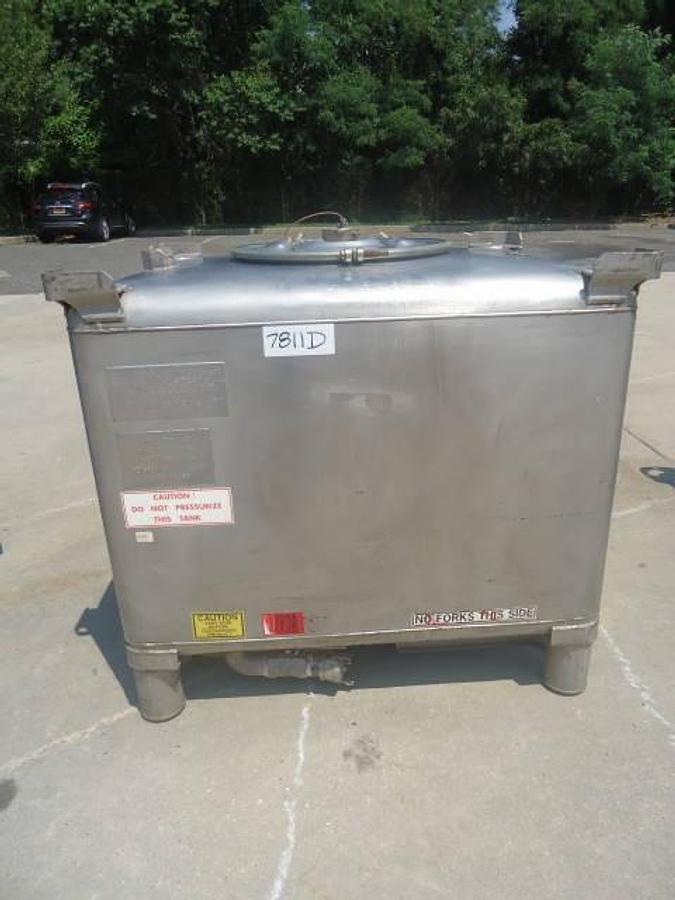
Used Clawson Tank Company equipment found on the secondary market spans a fairly wide range of configurations, reflecting the breadth of what the company has historically produced. Common listings include above-ground storage tanks, pressure vessels, stackable stainless steel totes, and custom-fabricated steel tanks built for industrial or municipal use. Specific examples that turn up include 316 stainless steel stackable totes in capacities around 275 gallons, which are popular in food processing, chemical handling, and pharmaceutical applications where corrosion resistance is critical.
Buyers searching for used Clawson equipment should expect inventory to shift frequently, since the secondary market for industrial tanks depends heavily on facility decommissioning, plant upgrades, and equipment liquidations. Checking with specialized used equipment dealers who focus on tanks and process equipment is the most reliable way to find current availability. Dealers who concentrate on this category tend to have better sourcing networks and can often locate specific configurations that general industrial equipment resellers cannot.
What materials are Clawson tanks made from, and does material type matter when buying used?
Clawson Tank Company has produced tanks in several materials over the years, with carbon steel and stainless steel being the most common. Stainless steel variants, particularly those built from 304 or 316 alloys, are well suited for corrosive contents, food-grade applications, and chemical storage where contamination risk must be minimized. Carbon steel tanks are more typical in petroleum storage, water storage, and agricultural settings where cost efficiency takes priority over corrosion resistance.
Material condition becomes especially important when buying used tanks. With stainless steel, buyers should look for signs of pitting, weld discoloration, or surface contamination that could compromise product integrity. With carbon steel, internal and external corrosion inspection is critical, particularly if the tank was previously used for water or chemical storage. Requesting detailed photos of interior surfaces, welds, and fittings before purchase is a reasonable precaution, and many used equipment dealers can arrange video inspections or in-person walkthroughs to give buyers an accurate picture of current condition.
What size and capacity options are available when shopping for used Clawson tanks?
Clawson Tank Company built tanks across a broad capacity spectrum during its production history, which means buyers on the secondary market can sometimes find options ranging from relatively small totes in the 275-gallon range up to large-format storage tanks designed for petroleum, municipal water, or bulk chemical applications. The 275-gallon 316 stainless stackable tote is one of the more commonly encountered used configurations, partly because these units were produced in volume and hold up well over time.
Capacity availability on the used market is inherently unpredictable since it depends on what facilities are liquidating at any given time. Buyers with specific volume requirements should communicate those needs clearly to used equipment dealers, who can sometimes source equipment through their networks even if it is not currently listed. It also helps to consider whether a used tank's physical footprint, inlet and outlet configurations, and mounting style are compatible with the intended installation before committing to a purchase, since retrofitting connections on used tanks adds cost and complexity.
What industries commonly use Clawson tanks, and does prior use affect suitability for a new application?
Clawson tanks have historically served a wide range of industries including petroleum storage, chemical processing, agricultural operations, municipal water systems, and food and beverage production. The specific alloy and construction method used in a given tank often reflects its intended industry, so a 316 stainless tote is more likely to have a food-grade or pharmaceutical history, while a carbon steel vessel is more commonly associated with fuel or agricultural use.
Prior use matters considerably when repurposing a used tank. A vessel that previously held petroleum products may require thorough cleaning and inspection before it is suitable for water or food-contact applications, and some residues are difficult to fully remediate. Buyers should ask the selling dealer for whatever documentation is available about prior contents and service history. Even when documentation is limited, a careful inspection of interior surfaces, residue, and odor can provide useful clues. Consulting with a process engineer or tank inspector before committing to a cross-application repurpose is a sound practice.
Are used Clawson tanks compliant with ASME, UL, or other industry standards?
Clawson Tank Company built many of its products to meet recognized industry standards including ASME (American Society of Mechanical Engineers) codes for pressure vessels and UL (Underwriters Laboratories) listings for applicable storage tank categories. Whether a specific used tank retains valid certification depends on its age, condition, service history, and whether any modifications were made after it left the factory. Certifications are tied to the original build specifications, and alterations or significant wear can affect a tank's compliance status.
Buyers who require certified equipment for regulated applications, such as petroleum storage subject to state environmental oversight or pressure vessels in an OSHA-regulated facility, should verify certification status carefully before purchase. This typically means reviewing any available documentation, checking for stamped data plates on the vessel, and potentially engaging a third-party inspector or the relevant certifying body to assess whether the tank still meets applicable standards in its current condition. A reputable used equipment dealer will be upfront about what documentation is available and what is not.
How does the inspection process work when buying a used Clawson tank?
Inspection options for used industrial tanks generally fall into three categories: in-person visits, virtual walkthroughs conducted via video call, and video or photo packages provided by the dealer. In-person inspection is the most thorough approach and is worth arranging for higher-value purchases or tanks that will be used in critical applications. Some used tanks are still located at the facility where they were last in service, which means an inspection may need to be coordinated between the dealer and the current site owner.
It is worth understanding that most used equipment dealers are not set up to test tanks under actual production conditions. Running a tank with product requires permitting and infrastructure that a typical equipment dealer does not have. What inspections can realistically cover includes visual condition of welds, fittings, and surfaces; verification of dimensions and connection sizes; assessment of structural integrity; and review of any available data plates or documentation. Buyers should ask specifically what the inspection will include and request documentation of findings before making a purchase decision.
What should buyers know about shipping and delivery costs for used industrial tanks?
Shipping costs for used tanks vary considerably based on the size and weight of the equipment, the distance between origin and destination, and the level of packaging or crating required to protect the tank in transit. Smaller units like 275-gallon totes are more straightforward to palletize and ship via standard freight carriers. Larger tanks may require flatbed trucking, specialized rigging for loading and unloading, and potentially permits for oversized loads, all of which add to the total landed cost.
Buyers should request a detailed breakdown of packaging, rigging, and freight charges from the dealer before finalizing a purchase. Understanding the full landed cost, not just the equipment price, is essential for accurate budgeting. Dealers will typically require the buyer to arrange freight or will quote shipping as a separate line item. For very large or heavy tanks, having a rigger or crane service lined up at the receiving end before the equipment ships is a practical step that prevents delays and damage on arrival.
What payment terms are typical when purchasing used tanks from an equipment dealer?
Most used industrial equipment dealers require full payment prior to shipping. This is standard practice in the industry and reflects the logistical reality that once a tank ships, recovering it in the event of a payment dispute is costly and complicated. Wire transfer is the most common payment method for transactions of this size, though some dealers accept other forms depending on the purchase amount and the buyer's relationship with the dealer.
Repeat customers or buyers with an established history with a particular dealer may occasionally be offered payment terms, but this is the exception rather than the rule for first-time transactions. Buyers should clarify payment expectations early in the purchasing conversation to avoid surprises. It is also reasonable to ask whether a deposit structure is available for large purchases, where a portion is paid to hold the equipment and the balance is due before shipping.
How do stackable stainless steel totes differ from standard fixed tanks, and what are they used for?
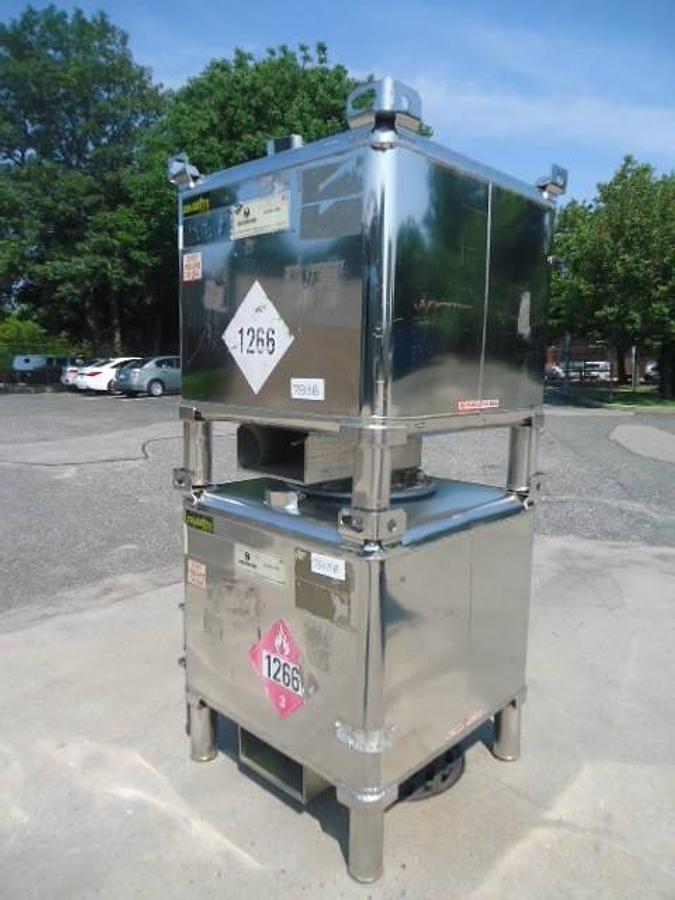
Stackable totes, sometimes called intermediate bulk containers or IBCs in industrial settings, are designed for storage and transport flexibility that fixed tanks cannot offer. The stackable design allows multiple units to be stored vertically, which saves floor space in warehouses and production facilities. Stainless steel construction, particularly in 316 alloy, makes them suitable for contents that would corrode carbon steel or contaminate plastic, including certain chemicals, food ingredients, pharmaceutical intermediates, and high-purity liquids.
Used stainless stackable totes in the 275-gallon range, like those produced under the Clawson/Sta-Brite line, are sought after because stainless steel holds up well over time and the units can often be cleaned and returned to service with minimal refurbishment. Buyers should inspect fittings, valves, and any gasket materials carefully, as these components wear faster than the tank body itself and may need replacement. The condition of the frame or pallet base is also worth checking, since structural damage there can affect stackability and safe storage.
How should buyers evaluate a used equipment dealer when purchasing Clawson tanks?
Selecting the right dealer is one of the most important decisions in a used tank purchase, particularly because used equipment is sold without manufacturer backing and the buyer takes on responsibility for assessing condition. Dealers with a long track record in industrial tanks and process equipment are generally better positioned to accurately describe what they are selling, source documentation when it exists, and facilitate inspections in a straightforward way. A dealer who specializes in tanks and vessels will understand the technical details that matter, such as alloy grades, pressure ratings, and fitting standards, in a way that general industrial resellers may not.
Buyers should look for dealers who are transparent about condition, forthcoming with photos and inspection access, and willing to answer detailed technical questions without evasion. Red flags include vague condition descriptions, resistance to inspection requests, and pressure to close quickly without adequate review time. Checking how long a dealer has been operating, whether they have verifiable customer references, and whether they focus specifically on the type of equipment being purchased are all reasonable due diligence steps before committing to a transaction.