Category
Manufacturer
Model
Circle
Circle is a prominent provider of manufacturing equipment known for its robust offerings in the automotive and aerospace industries. The company specializes in supplying high-precision machining tools, such as CNC systems and automated production lines, which enhance efficiency and accuracy in production. Circle’s innovative solutions help streamline complex manufacturing processes, making them a go-to choice for precision engineering projects.
FAQ:
What types of products can Circle packaging machines handle?
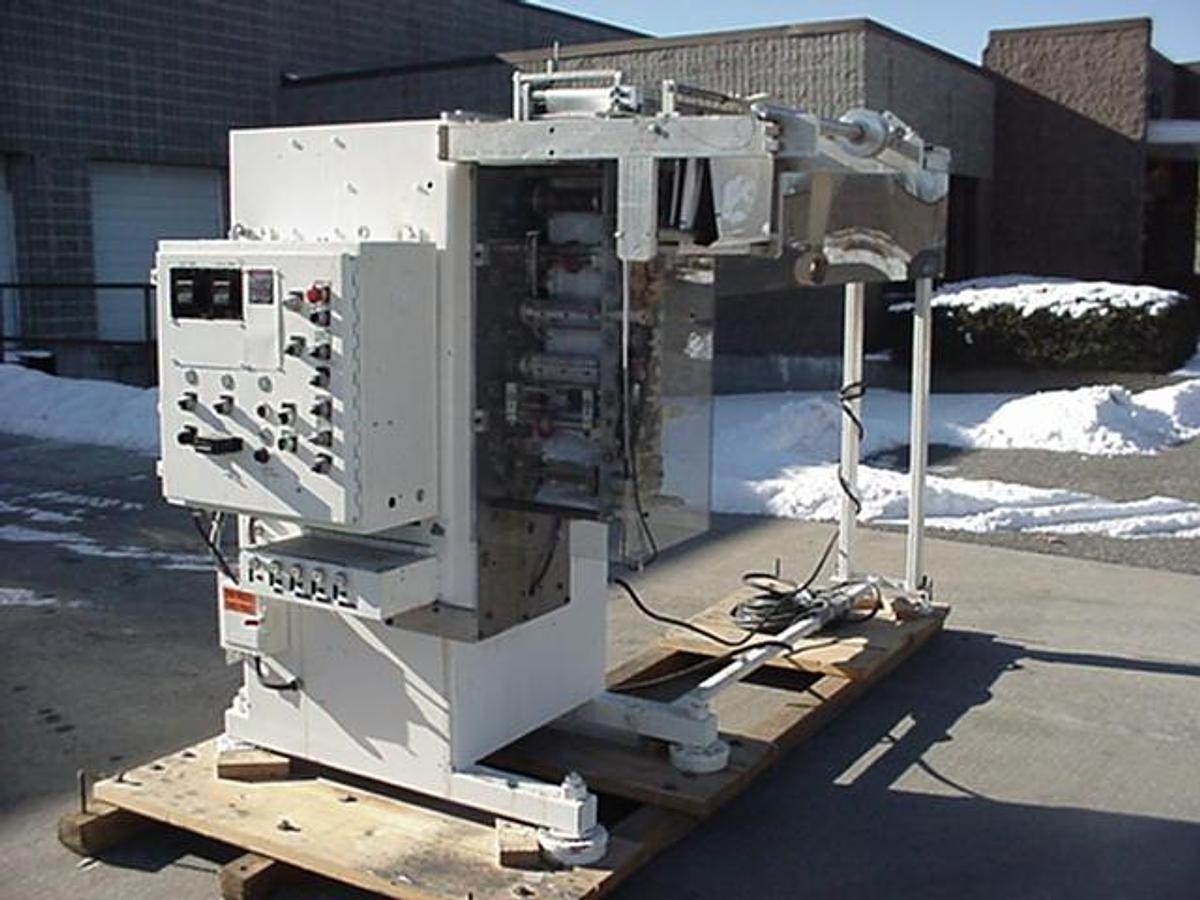
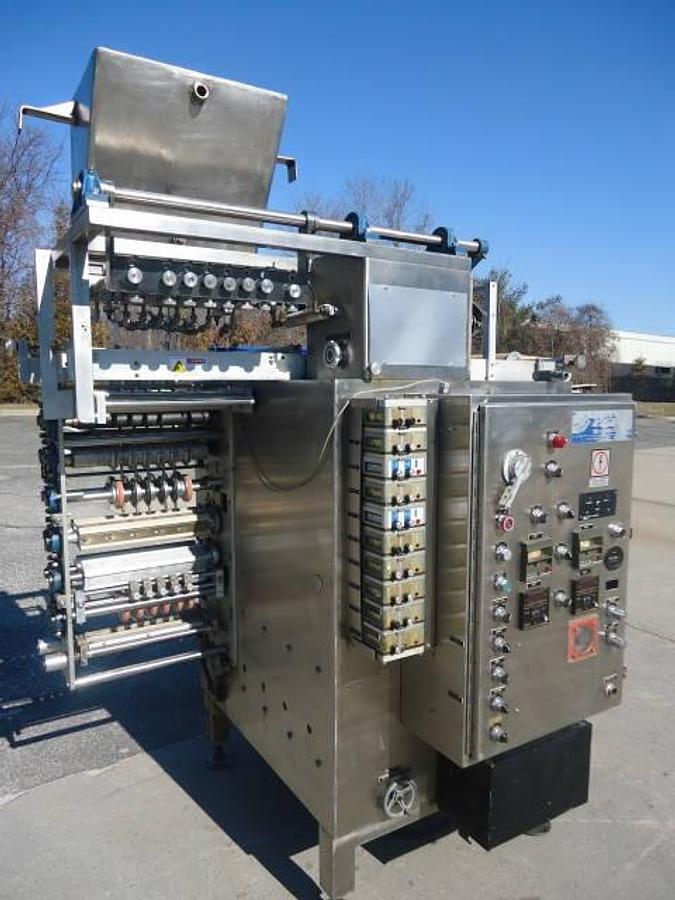
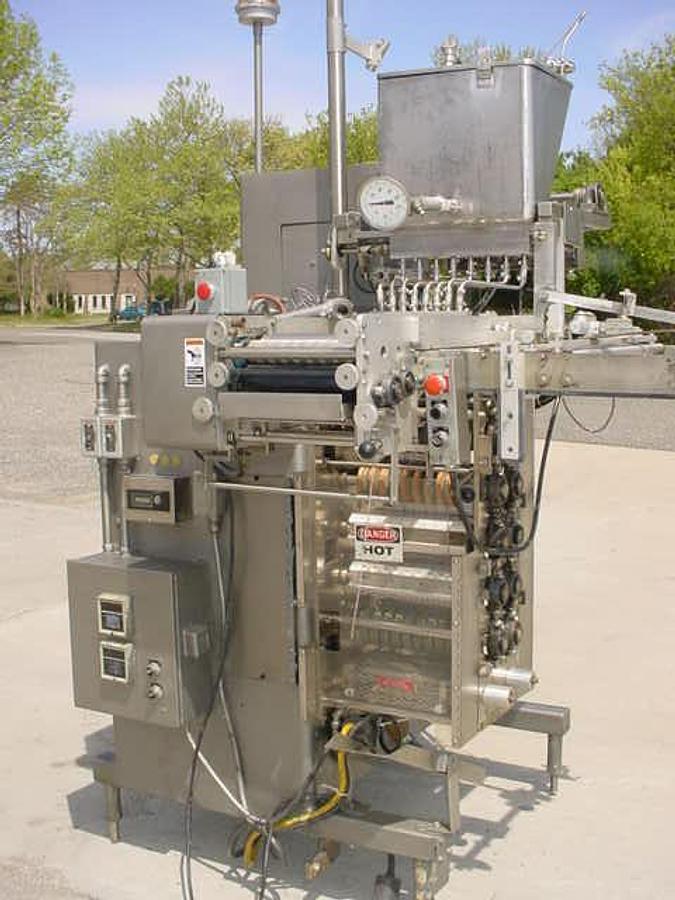
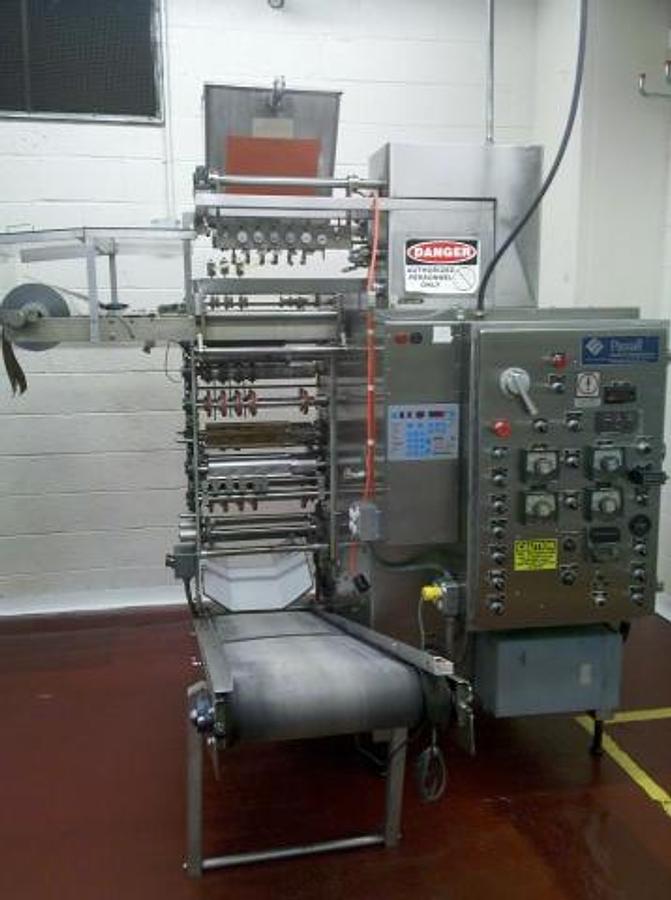
Circle packaging machines are designed to handle a wide range of liquid, gel, cream, and semi-liquid products. The lineup includes machines like the Circle V12 and V10 Vertical Form/Fill/Seal machines for liquids and gels, the V16h8s and V12h6c for creams and liquids, and the V6n20 specifically configured for towelette packaging. This makes Circle equipment a practical choice for personal care, cosmetic, pharmaceutical, and food-adjacent applications where precise fill volumes and hygienic packaging are critical.
Beyond the liquid and cream category, Circle's vertical pouch machines such as the V16h4 are built for flexible pouch formats that work across a broad range of viscosities. The piston-based fill systems found on models like the V12h6c (which runs 8 pistons) allow for consistent dosing of thicker creams and gels that would clog or misfeed on simpler volumetric systems. Buyers sourcing used Circle equipment should confirm which fill head configuration a specific machine carries, since the same model designation can sometimes reflect different piston counts or tooling setups depending on how the original production line was configured.
What is the typical price range for used Circle packaging machines?
Used Circle vertical form/fill/seal and pouching machines vary considerably in price depending on the model, condition, age, and included tooling. Entry-level or older semi-automatic configurations can start in the range of a few thousand dollars, while fully equipped, higher-throughput models with PLC controls and multiple fill heads can reach $30,000 to $50,000 or more on the secondary market. The V-series machines from Circle, particularly those with piston filling systems and touchscreen interfaces, tend to hold value well because of their reputation for precision in liquid and cream applications.
When budgeting for a used Circle machine, the purchase price is only part of the total cost. Buyers should also factor in freight and rigging, any refurbishment or parts needed after inspection, and the cost of format changeover tooling if the machine needs to run a different pouch size than it was previously set up for. Consulting directly with the selling dealer about the machine's production history and last known run condition will give a clearer picture of what additional investment may be needed to bring it up to production-ready status.
What is the difference between semi-automatic and fully automatic Circle packaging machines?
Semi-automatic Circle packaging machines typically require an operator to handle one or more steps in the packaging cycle, such as manually loading film, positioning product, or initiating each fill cycle. These machines are generally more affordable and can be a good fit for lower-volume production runs or facilities that are scaling up gradually. Fully automatic models, by contrast, run the entire sequence, film forming, filling, sealing, and cutting, with minimal operator intervention once the machine is set up and running.
The Circle V-series machines available on the used market are predominantly vertical form/fill/seal systems, which are by design more automated than tabletop or semi-auto alternatives. Models like the V16h8s and V12h6c incorporate piston-based filling and automated sealing, which puts them firmly in the automatic category. For buyers evaluating used equipment, the key distinction to verify is whether the machine's PLC and control system are intact and functional, since the automation features are only as reliable as the controls driving them. A video inspection or in-person review of the machine running through a cycle is the most reliable way to assess this before purchase.
What packaging speeds can Circle vertical form/fill/seal machines achieve?
Packaging speed on Circle VFFS machines depends heavily on the product being filled, the pouch format, and the fill volume per cycle. In general, vertical form/fill/seal machines in this class are capable of producing anywhere from 20 to 100 or more pouches per minute under optimal conditions. Machines running lighter liquids in smaller pouch formats will typically cycle faster than those filling thicker creams or larger-volume pouches, since dwell time for sealing and fill time both increase with viscosity and volume.
For used Circle machines specifically, rated speeds from the manufacturer reflect ideal production conditions that may not always translate directly to a buyer's specific product and packaging film. It is worth asking the selling dealer about the machine's last known production rate and what product it was running at the time. Some machines will have cycle counters or production logs that can provide a realistic baseline. Buyers should also account for the fact that changeover to a different pouch size or film type may require tuning time before the machine reaches its full output potential in a new production environment.
What should buyers know about inspecting a used Circle packaging machine before purchasing?
Inspecting a used Circle packaging machine before committing to a purchase is one of the most important steps a buyer can take. Reputable used equipment dealers will typically offer in-person inspections, virtual walkthroughs, or video recordings of the machine in its current state. If the machine is still installed at a production facility, it may be possible to arrange a viewing while it is still running, which gives the most accurate picture of its mechanical condition. Machines that have been decommissioned can still be inspected, though testing with actual product is generally not feasible at a dealer's location since full production operations require permitting that equipment dealers do not hold.
During an inspection, buyers should pay close attention to the condition of the sealing jaws, fill pistons, film drive components, and the control system. Worn sealing jaws or damaged piston seals are common wear items that affect output quality and may require replacement before the machine can run reliably. Checking the condition of the HMI or PLC interface is also important, since control system issues on older machines can be difficult and expensive to resolve. Buyers who cannot inspect in person should request detailed video of the machine cycling, close-up footage of wear surfaces, and any available maintenance or service records to make as informed a decision as possible.
What film and material types are compatible with Circle VFFS packaging machines?
Circle vertical form/fill/seal machines are designed to run flexible packaging films, most commonly laminated multi-layer films that provide the heat-seal properties needed for pouch formation. Common film structures used with liquid and cream VFFS machines include polyethylene-based laminates, foil laminates for products requiring barrier protection, and various co-extruded films depending on the product's shelf life and compatibility requirements. The V-series Circle machines, which are built around liquid and cream filling, are typically configured for films in the range of 50 to 120 microns, though the specific compatible range will vary by model.
When sourcing film for a used Circle machine, buyers should confirm the film width range the machine's forming tube and sealing system are set up for, since not all film widths will work without a format changeover. It is also worth verifying whether the machine's sealing temperature and dwell settings are adjustable, as different film structures require different seal parameters. If the machine was previously running a specific film type, asking the dealer or prior operator for that film specification can serve as a useful starting point for sourcing compatible materials.
What are the power requirements for Circle packaging machines?
Circle vertical form/fill/seal machines are industrial-grade equipment and typically require three-phase electrical power. Most machines in this class operate on 208-240V or 380-480V three-phase service, depending on the model and the market it was originally configured for. Buyers in North America should confirm whether a particular used machine is wired for domestic voltage standards or whether it was imported and may require a transformer or rewiring to operate on local power. This is a detail worth clarifying with the selling dealer before purchase, as electrical conversion can add meaningful cost and lead time.
In addition to the main electrical service, Circle VFFS machines with pneumatic components will require a compressed air supply. Piston-based filling systems and pneumatically actuated sealing jaws are common on models like the V12h6c and V16h8s, and these require a clean, dry air supply at adequate pressure and volume to function correctly. Buyers should request the machine's utility specifications sheet if available, or ask the dealer to confirm the air pressure and flow requirements so that the installation site can be properly prepared before the machine arrives.
How difficult is it to set up and operate a used Circle packaging machine?
Circle VFFS machines are built for production environments and are generally operated by trained line technicians rather than general labor. Initial setup involves threading the film through the forming tube and drive system, setting seal temperatures and dwell times for the film being used, calibrating the fill system for the target fill weight or volume, and confirming that the pouch dimensions are correct. On machines with PLC controls and touchscreen interfaces, many of these parameters can be saved as recipes, which makes changeover between product runs faster once the machine has been dialed in.
For buyers acquiring a used Circle machine without prior experience running that specific model, the learning curve can be steeper than with a machine that comes with full documentation and operator training. Requesting any available manuals, wiring diagrams, and parameter records from the selling dealer is strongly recommended. Some dealers can also connect buyers with third-party technicians who have experience with Circle equipment and can assist with installation and initial commissioning. Reaching out to the manufacturer directly is also worth considering, as they can advise on the level of technical support available for a specific model given its age and configuration.
Do used Circle packaging machines come with a warranty?
Used packaging equipment is typically sold on an as-is basis by equipment dealers, meaning there is no warranty coverage comparable to what a manufacturer would provide on new equipment. Manufacturer warranties are generally tied to the original sale and do not transfer through the secondary market. This puts the responsibility of assessing the machine's condition squarely on the buyer, which is why thorough inspection before purchase is so important.
The best way to manage risk when buying a used Circle machine is to work with a dealer who has a long track record in the packaging or processing equipment space and who specializes in this category of machinery. Dealers with industry-specific expertise are better positioned to accurately represent a machine's condition and history. Buyers should also contact Circle directly to understand what parts availability and technical support look like for the specific model they are considering, since older or discontinued models may have limited manufacturer support regardless of who is selling the machine.
What should buyers expect for shipping and freight costs on a used Circle packaging machine?
Shipping costs for used Circle packaging machines depend on the machine's size and weight, the origin and destination, and the level of packaging required to protect the equipment in transit. Smaller VFFS machines may ship on a standard pallet with appropriate blocking and bracing, while larger or heavier models may require custom crating to prevent damage. The cost of crating, if required, is typically an added charge on top of the freight rate and should be confirmed with the dealer upfront so there are no surprises in the final landed cost.
For larger machines, loading and unloading may require a forklift or rigging equipment, which can add to the overall logistics cost depending on what facilities are available at both the origin and destination. Buyers should ask the selling dealer for a detailed breakdown of packaging, rigging, and freight charges before finalizing a purchase. Getting clarity on these costs early makes it easier to compare the true total cost of different machines that may be listed at similar prices but located in different parts of the country or internationally.