Category
Manufacturer
Model
Chemineer
Chemineer is a leader in the production of mixing technology and systems, serving industries like pharmaceutical, chemical, and water treatment. They are recognized for their comprehensive range of mixers and agitators tailored to optimize processing conditions.
FAQ:
What types of Chemineer mixers and agitators are commonly available on the used equipment market?
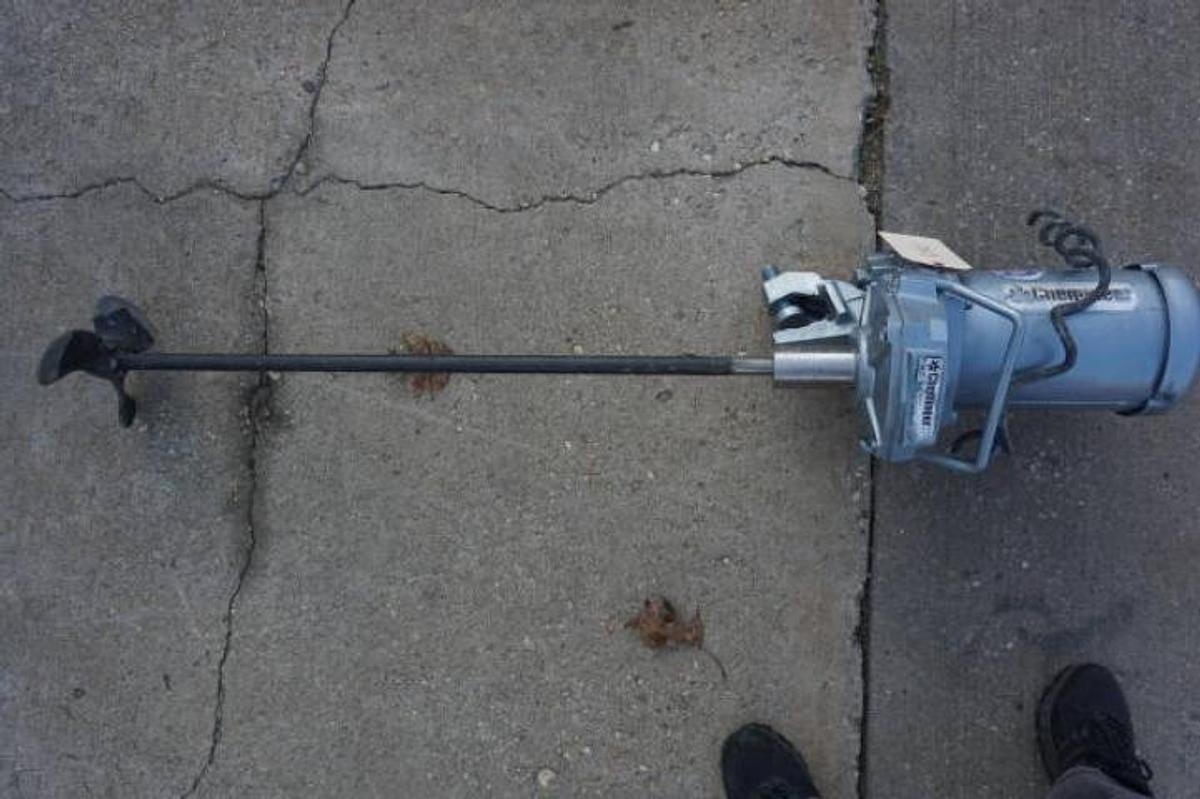
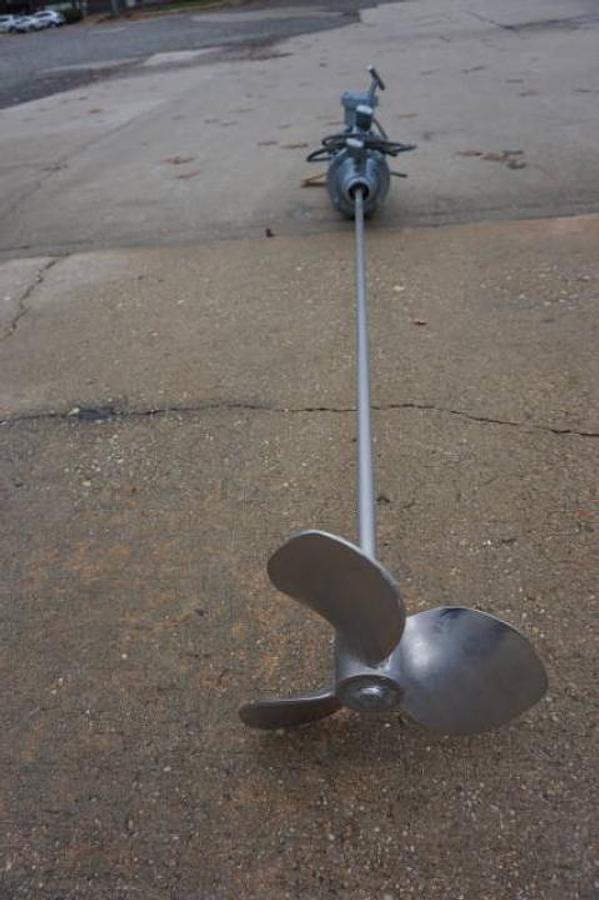
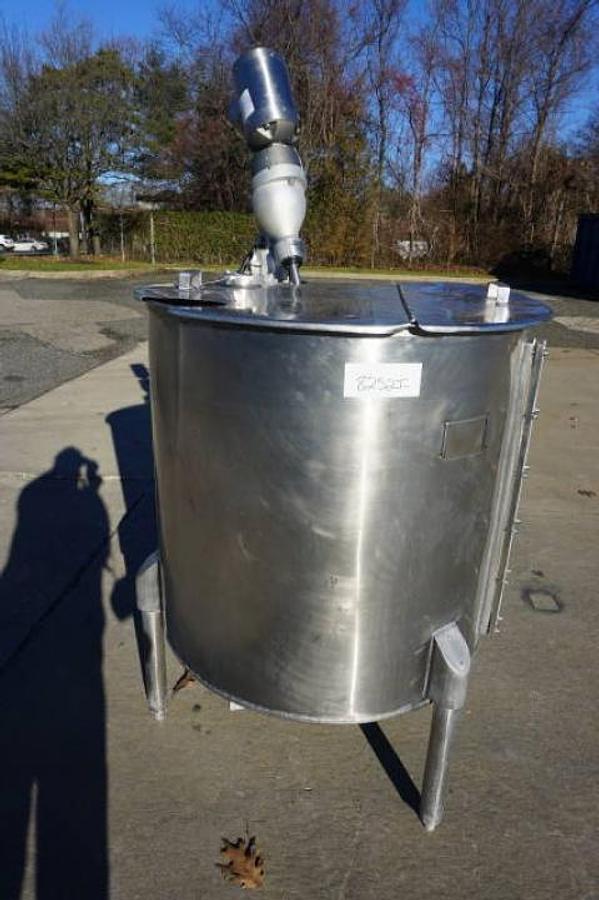
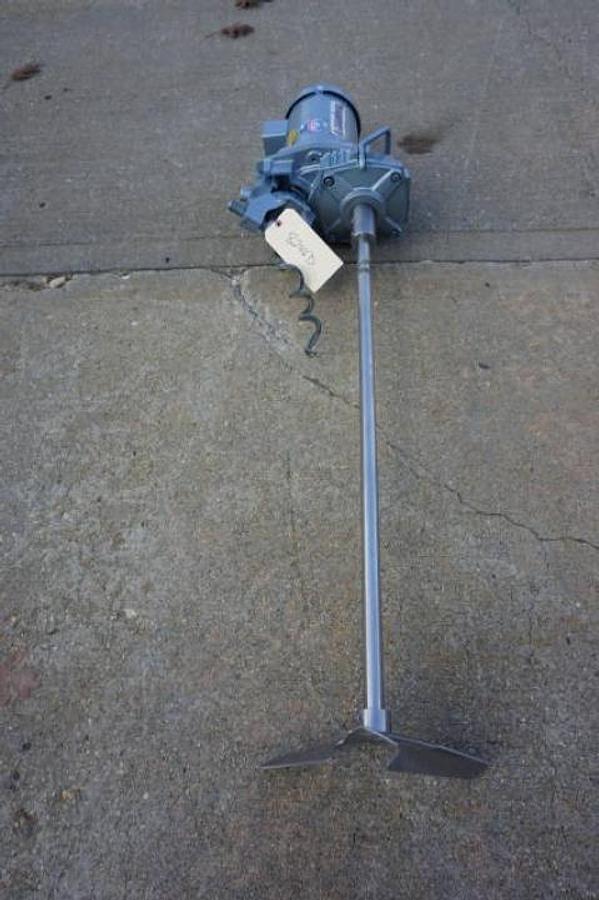
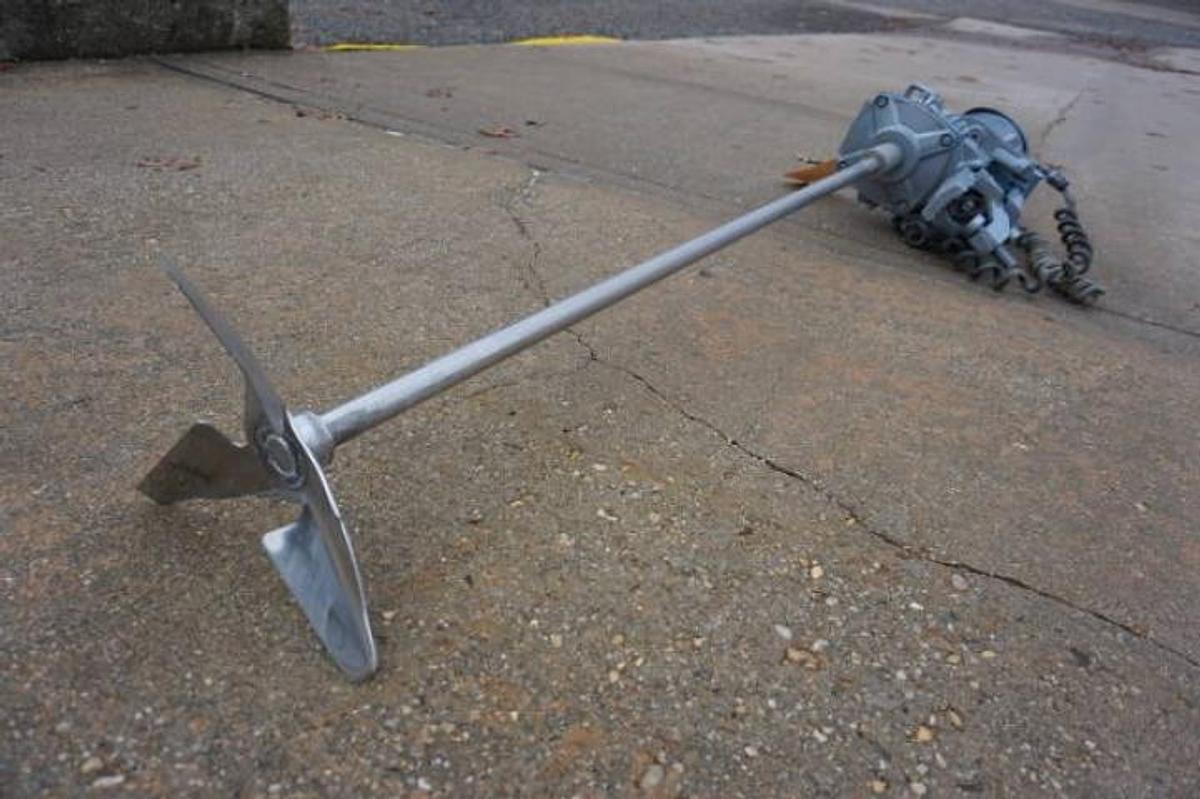
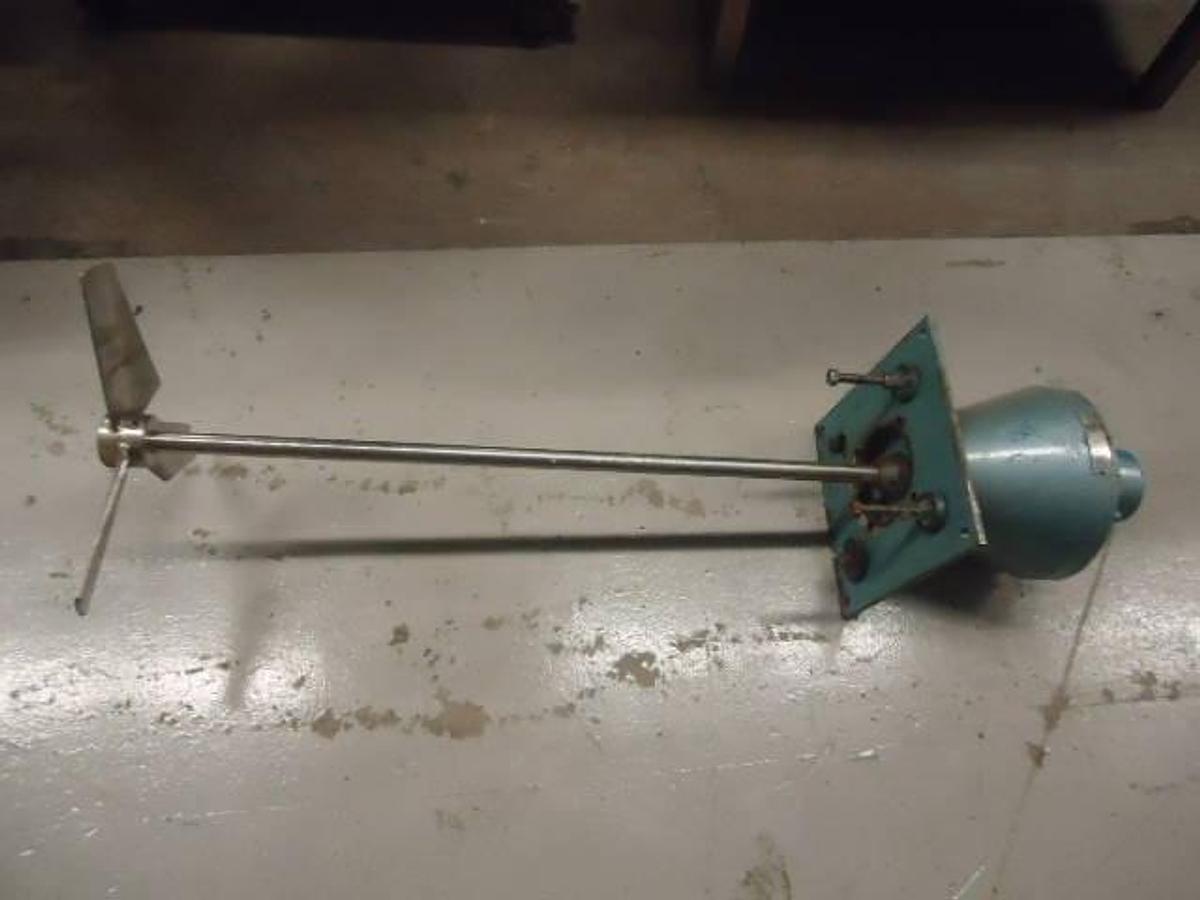
The used equipment market for Chemineer mixing technology tends to include a fairly wide range of configurations, from portable clamp-on mixers to fixed-mounted agitators and complete mix tank assemblies. Common finds include clamp-on portable agitators in the 1 HP range with various blade diameters (typically 7 to 10 inches), air-operated fixed-mounted agitators, explosion-proof models rated for hazardous environments, and stainless steel mix tank setups with integrated prop agitators. Horsepower ratings in the used market span from fractional HP units up through large industrial agitators designed for high-torque, high-viscosity applications.
Chemineer's product lineup historically covers several distinct series, including the Series 20, Series 40, Series 70, and HT/HS agitators, each built for different process intensities and fluid viscosities. Impeller styles vary as well, with options like the MaxFlo and CD-6 high-efficiency impellers that are designed to reduce energy draw while maintaining effective mixing. Buyers sourcing used Chemineer equipment should pay close attention to the model series, blade diameter, drive configuration, and motor enclosure type to confirm the unit matches their process requirements before purchasing.
What industries use Chemineer mixers and agitators?
Chemineer has built its reputation across a broad set of process industries, largely because its equipment is engineered to handle demanding mixing conditions that vary significantly from one application to the next. The most common industries include chemical processing, pharmaceutical manufacturing, food and beverage production, wastewater and water treatment, oil and gas, and pulp and paper. Each of these sectors presents unique mixing challenges, whether that involves blending corrosive chemicals, maintaining sterile conditions in pharmaceutical tanks, or handling high-viscosity slurries in paper mills.
For buyers sourcing used Chemineer equipment, understanding the original application context of a machine can be valuable. A mixer previously used in a pharmaceutical facility, for example, will likely be built from sanitary-grade stainless steel with smooth, cleanable surfaces, while a unit from a chemical plant may be constructed for corrosion resistance rather than sanitary compliance. Asking the seller about the machine's service history and prior application helps buyers assess whether a particular used unit is a practical fit for their own process environment.
Why do buyers choose used Chemineer equipment over purchasing from other brands?
Chemineer has earned a strong reputation for mechanical durability and long service life, which makes its equipment particularly attractive in the used and surplus machinery market. Industrial buyers often find that a well-maintained used Chemineer agitator still has many years of reliable service ahead of it, and the brand's long track record means that OEM replacement parts, impellers, and seal components are generally available through authorized channels. This parts availability is a meaningful consideration, since buying used equipment from a brand with discontinued or hard-to-find parts can create costly maintenance headaches down the road.
Cost savings are the other major driver. Used Chemineer mixers and agitators can be acquired at a fraction of the cost of comparable new equipment, which matters significantly for capital-constrained projects, pilot operations, or facilities that need to replace a unit quickly without waiting on long manufacturing lead times. The combination of brand reliability, parts support, and price advantage makes Chemineer one of the more sought-after names in the used industrial mixing equipment space.
What should buyers inspect when purchasing a used Chemineer agitator?
A thorough inspection is the most important step a buyer can take before committing to a used Chemineer mixer or agitator. Key areas to evaluate include the condition of the gearbox (checking for unusual noise, oil leaks, or worn seals), the motor's insulation resistance and bearing condition, the shaft for straightness and surface wear, and the impeller or propeller blades for erosion, corrosion, or physical damage. The mechanical seal or packing assembly should also be examined, as seal replacement can be a significant cost depending on the model. If the unit includes a mounting flange or clamp assembly, inspect those components for cracks or deformation as well.
Reputable used equipment dealers will typically accommodate in-person inspections at their facility or arrange video inspections for remote buyers. In some cases, the equipment may still be installed at the original plant, which allows buyers to observe it operating under production conditions. Keep in mind that most dealers do not have the permitting or production setup to run actual process tests, so inspections are generally visual and mechanical rather than full performance trials. Buyers should also consult with Chemineer directly to understand what level of technical support and parts availability they can expect for the specific model and age of the unit they are considering.
What are the horsepower and torque ranges typically found in Chemineer agitators?
Chemineer agitators span a very wide performance range, which is one reason the brand is used across so many different industries and tank sizes. On the lighter end, portable clamp-on mixers are commonly available in 1 HP configurations suited for small tanks, batch blending, or laboratory-scale applications. Mid-range units typically fall between 2 HP and 25 HP and are used in standard industrial mixing tanks for blending, suspension, and heat transfer applications. Heavy-duty agitators for high-viscosity or large-volume applications can reach well above 100 HP, with torque outputs designed to handle thick slurries, pastes, or high-density fluids.
Torque capacity is often a more meaningful specification than horsepower alone, particularly for viscous mixing applications where the fluid resistance on the impeller is the limiting factor rather than rotational speed. Chemineer's HT/HS series, for example, is specifically engineered for high-torque, high-shear requirements. When evaluating a used unit, buyers should confirm not just the motor HP but also the gearbox's rated output torque and the design speed range, since mismatching these parameters to a new application can lead to premature gearbox wear or inadequate mixing performance.
What is the difference between a Chemineer clamp-on portable mixer and a fixed-mounted agitator?
Clamp-on portable mixers are designed for flexibility. They attach to the rim of an open tank using a clamp mechanism, which means a single unit can be moved between multiple tanks or repositioned as process needs change. These are typically lower-horsepower units (often 1 HP or less) and are well-suited for applications like blending liquids, preventing settling in storage tanks, or mixing small batches. The propeller or blade diameter on portable units tends to be smaller, generally in the 7 to 10-inch range, to keep the overall footprint manageable.
Fixed-mounted agitators, by contrast, are permanently installed on a tank via a flange, mounting plate, or support structure. They are designed for continuous or semi-continuous operation and are available in much larger sizes and horsepower ratings than portable units. Fixed agitators can be configured for top-entry, side-entry, or bottom-entry mounting depending on the tank geometry and process requirements. For buyers sourcing used equipment, it is important to confirm the mounting configuration of a fixed agitator and whether it matches the tank nozzle or flange specifications at their facility, since retrofitting a mismatched mount can add significant cost and engineering effort.
What does 'explosion proof' mean on a Chemineer mixer, and when is it required?
An explosion-proof motor enclosure is designed to contain any internal sparks or ignition within the motor housing, preventing them from reaching the surrounding atmosphere. This classification is required in environments where flammable vapors, gases, or combustible dusts may be present, such as chemical plants handling solvents, petroleum refineries, pharmaceutical facilities working with alcohol-based compounds, or any area classified as a hazardous location under NEC or ATEX standards. Chemineer offers explosion-proof configurations across several of its mixer and agitator lines to meet these safety requirements.
For buyers sourcing used Chemineer mixers, the explosion-proof rating (typically designated as 'XP' or 'EXP' in the model description) is a critical specification to verify if the intended installation site is a classified hazardous area. The motor nameplate should show the specific hazardous location classification (Class, Division, and Group in North American standards, or Zone and Category under ATEX). Buyers should also confirm that the enclosure rating has not been compromised by prior modifications or damage, since a physically intact but improperly repaired explosion-proof housing may no longer meet the original safety classification. Consulting with the relevant safety authority at the installation site before finalizing a purchase is always advisable.
How are used Chemineer mixers and agitators typically shipped, and what should buyers expect for costs?
Shipping costs and logistics for used industrial mixing equipment depend heavily on the size and weight of the unit. Smaller portable clamp-on mixers can often be palletized and shipped via standard LTL (less-than-truckload) freight at relatively modest cost. Larger fixed-mounted agitators with substantial gearboxes, long shafts, or heavy motor assemblies may require custom crating to prevent damage in transit, and the cost of that crating is typically passed on to the buyer. Very large units may require flatbed trucking, crane or forklift rigging for loading and unloading, and in some cases, specialized heavy-haul transport.
Buyers should ask the seller for a clear breakdown of all costs involved before finalizing a purchase, including packaging, rigging, freight, and any unloading requirements at the destination. These landed costs can add meaningfully to the purchase price of a large agitator and should be factored into the overall budget from the start. Payment for used equipment is generally required in full before the seller arranges shipment, though some dealers may extend terms to repeat customers with an established relationship.
Can a used Chemineer agitator be adapted for a different tank size or process than its original application?
Adapting a used Chemineer agitator to a different tank or process is certainly possible in many cases, but it requires careful engineering evaluation. The key variables to assess include the impeller diameter relative to the tank diameter (typically the impeller should be between one-quarter and one-half of the tank diameter for most applications), the shaft length and whether it can be modified to suit the new tank depth, the motor HP and gearbox output speed relative to the mixing intensity required, and the mounting configuration. Chemineer equipment is generally well-documented, and the manufacturer's published engineering data can help buyers or their process engineers calculate whether a given unit is a reasonable match for a new application.
Impeller changes are one of the more common adaptations made to used agitators. Swapping from a standard propeller to a high-efficiency impeller like the MaxFlo, or from a low-shear axial impeller to a high-shear radial design like the CD-6, can significantly alter mixing performance without replacing the entire drive assembly. Shaft extensions or reductions are also feasible but should be handled by a qualified machine shop to maintain proper balance and alignment. Buyers considering significant modifications should consult with a mixing equipment engineer before purchasing, since a unit that looks right on paper may have gearbox speed or torque limitations that make it unsuitable for the intended new service.
How should buyers evaluate the reputation and reliability of a used Chemineer equipment dealer?
The used industrial equipment market varies widely in terms of dealer quality, and the absence of manufacturer warranties on used machinery means the buyer's due diligence on the seller matters as much as the inspection of the equipment itself. A reputable dealer should have a verifiable track record of selling industrial process equipment, ideally with a specialization in mixing and agitation or the broader chemical and process industries. Long-standing dealers with years of transaction history, verifiable customer references, and a physical facility where equipment can be inspected are generally more trustworthy than anonymous online listings or dealers with no industry-specific background.
Buyers should look for dealers who are transparent about the condition of their equipment, willing to provide detailed photos, video walkthroughs, or in-person inspection access, and able to provide whatever documentation they have on the machine's history, including any prior service records or nameplate data. Dealers who specialize in process equipment will typically have a better understanding of what makes a particular Chemineer unit suitable or unsuitable for a given application, which adds real value beyond simply transacting the sale. Checking industry forums, trade associations, and professional networks for feedback on a dealer's reputation is a reasonable step before making a significant purchase.