Category
Manufacturer
Model
Capsugel
Capsugel, now part of Lonza, is a global leader in advanced capsule technologies for the pharmaceutical industry. They offer innovative capsule solutions that enable efficient drug delivery and enhance bioavailability. Capsugel is renowned for its high-quality gel and hard capsule products tailored to meet complex formulation challenges.
FAQ:
What is Capsugel and who makes Capsugel capsule filling machines?
Capsugel is a globally recognized pharmaceutical equipment and capsule technology brand that has been a trusted name in drug delivery solutions for decades. The company is now part of Lonza Group, a Swiss multinational life sciences company, following an acquisition that brought Capsugel's capsule technologies under a larger pharmaceutical services umbrella. Capsugel built its reputation on high-quality hard and soft gelatin capsule products, as well as the encapsulation machinery designed to fill them at both small and industrial scale.
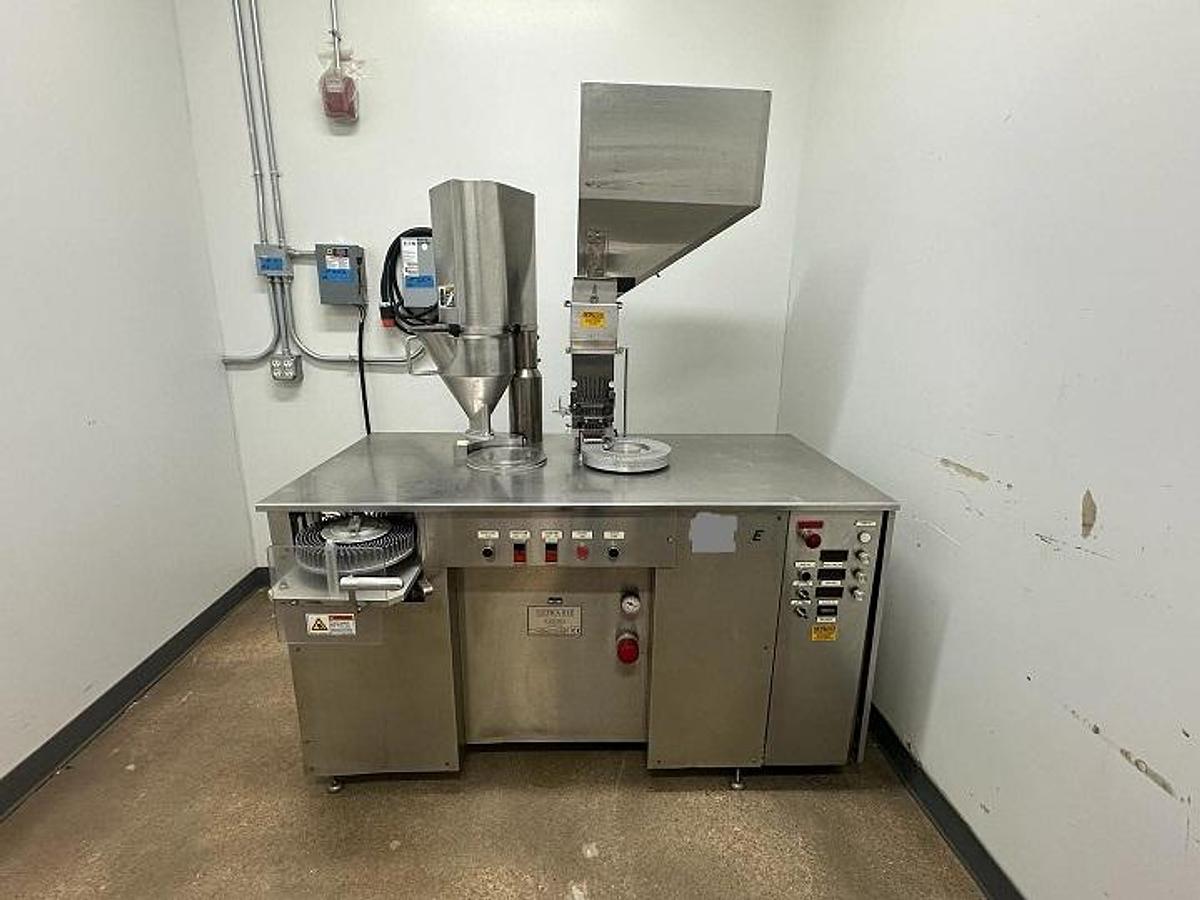
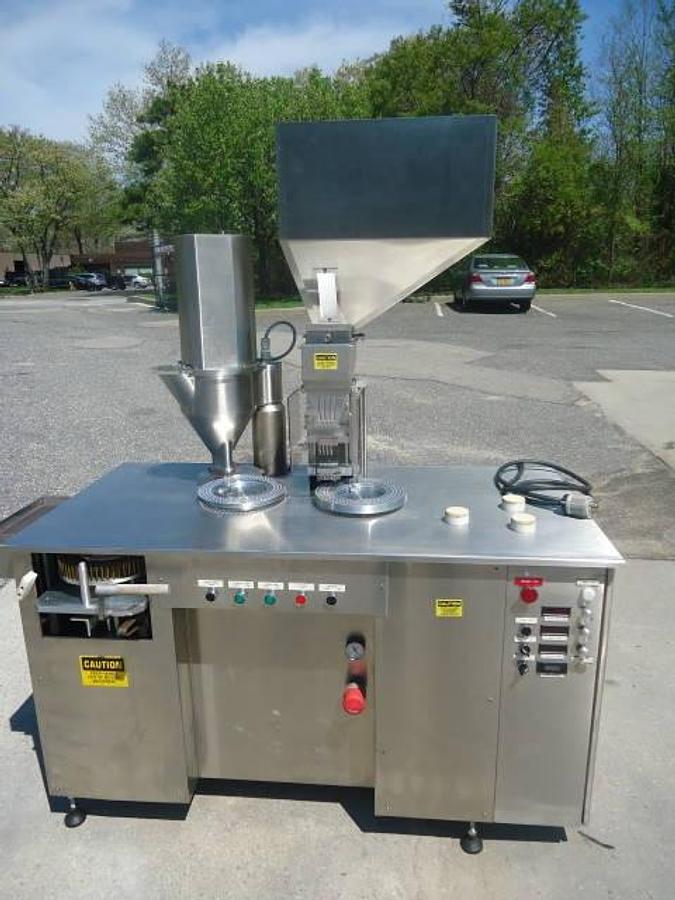
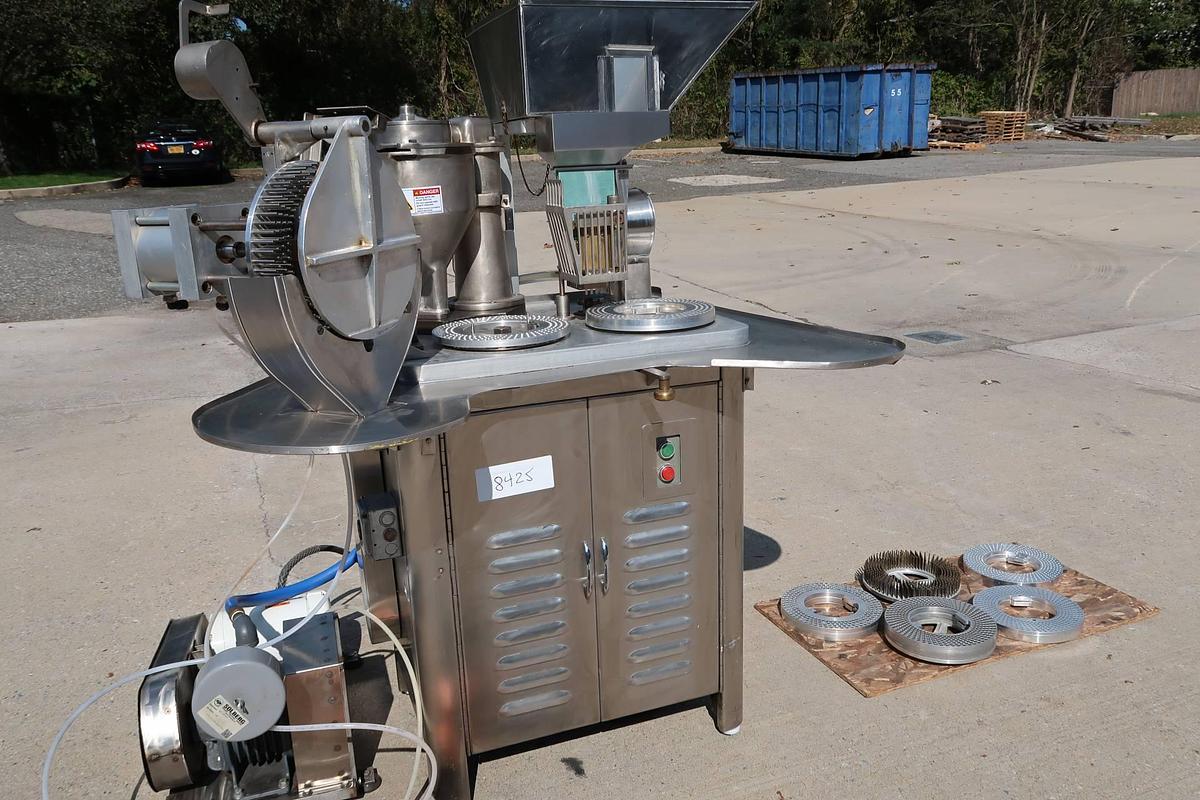
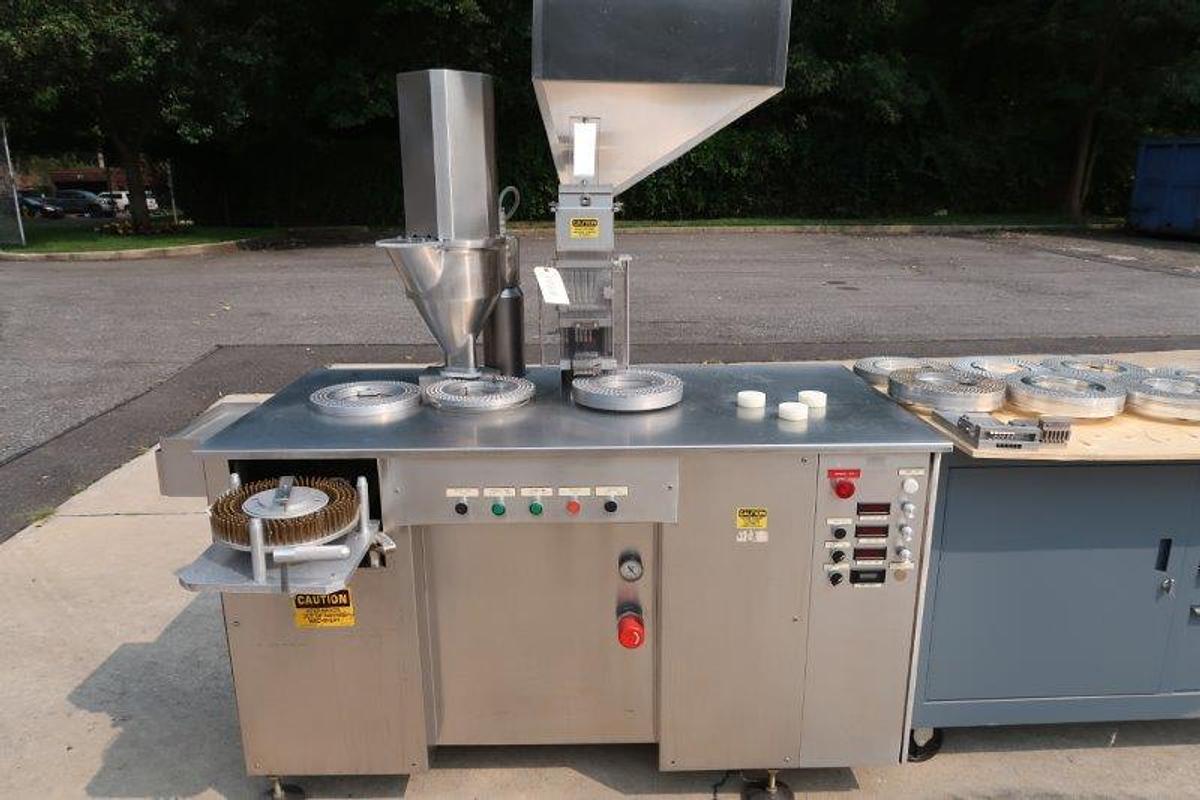
On the equipment side, Capsugel filling machines are found in pharmaceutical manufacturing plants, compounding pharmacies, nutraceutical producers, and research and development labs around the world. Models like the Ultra 8, Ultra 8 II, PD-8, CAP8, and Type 8 represent different generations and configurations of their encapsulation technology, each designed for specific throughput requirements and levels of automation. Because these machines are built to pharmaceutical-grade standards, they tend to hold their value well on the used equipment market, making them a practical option for buyers who need proven, GMP-aligned encapsulation equipment without the cost of purchasing directly from a manufacturer.
What is the production capacity of Capsugel capsule filling machines?
Capsugel machines cover a wide range of production capacities depending on the model and configuration. Semi-automatic models, such as the Capsugel Type 8 and PD-8, are designed for lower-volume operations and typically produce in the range of a few thousand capsules per hour. These are well-suited for compounding pharmacies, clinical trial production, or small-batch nutraceutical manufacturing where flexibility and operator control matter more than raw throughput.
At the higher end of the range, fully automatic models like the Capsugel Ultra 8 and Ultra 8 II are capable of producing approximately 25,000 capsules per hour, and larger industrial Capsugel platforms can reach outputs well above 100,000 capsules per hour in continuous production environments. The Ultra 8 II, one of the more commonly available models on the used market, is rated at 25,000 capsules per hour and represents a strong mid-to-high volume option for pharmaceutical manufacturers looking to scale production efficiently. Buyers should verify the specific tooling and configuration of any used machine, as output rates can vary based on capsule size tooling installed and the type of fill material being processed.
What capsule sizes are compatible with Capsugel filling machines?
Capsugel filling machines are designed with interchangeable tooling systems, which means a single machine can be adapted to run multiple capsule sizes by swapping out the size-specific tooling sets. Standard hard capsule sizes range from size 5 (the smallest) through size 000 (the largest), with sizes 0, 00, and 1 being the most common in pharmaceutical and nutraceutical applications. For example, the Capsugel CAP8 listed on the used market is tooled for size 0 capsules, while other Ultra 8 II units have been configured with size 00 tooling or multi-size tooling packages covering sizes 0, 1, and 00.
When purchasing a used Capsugel machine, it is important to confirm exactly which tooling is included with the unit. Tooling sets are a significant component of the machine's overall value and utility. If a buyer needs to run a capsule size that differs from what is currently installed, additional tooling will need to be sourced separately, which adds to the total cost of the equipment. Reputable used equipment dealers will typically list the included tooling sizes in the machine specifications, but buyers should always verify this detail before completing a purchase.
What fill materials can Capsugel capsule filling machines handle?
One of the reasons Capsugel machines are so widely adopted across the pharmaceutical and nutraceutical industries is their ability to process a broad variety of fill materials. The most common fill type is dry powder, including active pharmaceutical ingredients blended with excipients, and Capsugel machines are engineered to handle powders with varying flow characteristics, from free-flowing granules to more cohesive or sticky formulations. Beyond powders, these machines can also be configured to fill pellets, micro-tablets, beads, and granules, which is particularly useful for modified-release drug formulations.
More advanced Capsugel models and configurations can also handle semi-solid fills, pastes, and in some cases liquid fills, though liquid filling typically requires specific pump and sealing attachments. This versatility makes Capsugel equipment a practical investment for operations that produce multiple product types or anticipate changing their formulation strategies over time. When evaluating a used Capsugel machine, buyers should confirm that the specific model and any installed accessories are compatible with their intended fill material, as not all configurations support every fill type out of the box.
What is the difference between semi-automatic and fully automatic Capsugel filling machines?
Semi-automatic Capsugel machines, such as the Type 8 and PD-8 models, require an operator to be involved in key steps of the filling process. This typically includes manually loading capsule bodies into the machine, overseeing the fill cycle, and in some cases manually closing or ejecting filled capsules. These machines are generally more compact, lower in cost, and easier to validate for small-scale or variable production environments. They are a practical choice for compounding pharmacies, pilot-scale manufacturing, and operations that produce smaller batches across a wide variety of formulations.
Fully automatic machines like the Ultra 8 and Ultra 8 II handle the entire encapsulation process with minimal operator intervention. Capsules are automatically separated, bodies are filled according to preset dosing parameters, caps are replaced, and finished capsules are ejected and collected, all in a continuous cycle. This level of automation translates directly into higher throughput (the Ultra 8 II, for example, runs at approximately 25,000 capsules per hour), greater dosing consistency, and lower labor costs per unit produced. The tradeoff is higher equipment cost, greater complexity in setup and changeover, and more involved maintenance requirements. For high-volume pharmaceutical manufacturing, the efficiency gains of a fully automatic machine typically justify the additional investment.
Are Capsugel capsule filling machines GMP-compliant and suitable for pharmaceutical manufacturing?
Capsugel designs its encapsulation equipment to meet the requirements of Good Manufacturing Practice (GMP) standards, which are the regulatory guidelines governing pharmaceutical production in the United States, European Union, and most other regulated markets. GMP compliance in the context of filling equipment generally means the machine is constructed from pharmaceutical-grade materials (typically stainless steel contact parts), is designed for cleanability and validation, and produces consistent, auditable results. Capsugel machines are widely used in FDA-regulated manufacturing environments, and the brand is recognized within the pharmaceutical industry as a supplier of production-grade equipment.
That said, buyers of used Capsugel equipment should understand that a machine's GMP suitability in a new production environment depends on more than just the equipment's original design. Proper installation qualification (IQ), operational qualification (OQ), and performance qualification (PQ) will typically need to be conducted at the buyer's facility to satisfy regulatory requirements. The age of the machine, its maintenance history, and the availability of replacement parts and manufacturer support are all factors that can affect how straightforward the validation process will be. Consulting with Lonza/Capsugel directly about support and parts availability for a specific model and serial number is a recommended step before finalizing a purchase.
Do Capsugel filling machines work with both gelatin and vegetarian (HPMC) capsules?
Capsugel filling machines are mechanically compatible with both gelatin-based hard capsules and hydroxypropyl methylcellulose (HPMC) vegetarian capsules, provided the capsules meet the dimensional tolerances required by the machine's tooling. Hard capsules, regardless of whether they are made from gelatin or HPMC, follow standardized size specifications, so the same tooling that handles gelatin capsules will generally accommodate HPMC capsules of the same nominal size. This makes Capsugel equipment a viable option for manufacturers producing vegetarian, vegan, or halal-certified products alongside conventional gelatin-based formulations.
There are some practical differences to be aware of when running HPMC capsules. HPMC capsules can behave differently during the separation and filling process compared to gelatin capsules, particularly in terms of static charge and brittleness under certain humidity conditions. Some operators find that minor adjustments to machine settings or environmental controls (such as humidity in the filling room) are needed when switching between capsule shell materials. Consulting with the capsule shell supplier and reviewing the machine's operating documentation for material-specific guidance is advisable when running HPMC capsules on equipment that was previously configured for gelatin.
What should buyers look for when evaluating a used Capsugel capsule filling machine?
Buying a used Capsugel machine requires more due diligence than purchasing new equipment, since the buyer assumes responsibility for assessing the machine's condition. The most important step is arranging a thorough inspection before committing to a purchase. Reputable used equipment dealers will typically offer in-person inspections, video walkthroughs, or detailed photo documentation of the machine. If the equipment is still installed at the facility where it was last used, it may even be possible to observe it running in production, which gives the clearest picture of its current operating condition. Keep in mind that most equipment dealers are not set up to run actual pharmaceutical product during a demonstration, as that requires production-level permitting they do not hold.
Beyond the physical inspection, buyers should verify several key details: the capsule size tooling included with the machine, the overall condition of contact parts and seals, the availability of spare parts and technical documentation from Lonza/Capsugel, and whether the model is still supported by the manufacturer for service and parts. Older or discontinued models may have limited parts availability, which can complicate maintenance down the line. It is also worth asking the dealer about the machine's history, including how many operating hours it has logged, what it was last used to produce, and whether any major components have been replaced or refurbished. Taking the time to gather this information upfront significantly reduces the risk of unexpected costs after the purchase.
What is the typical price range for used Capsugel capsule filling machines?
Pricing for used Capsugel capsule filling machines varies considerably based on the model, age, condition, included tooling, and current market availability. Semi-automatic models like the PD-8 or Type 8 generally represent the lower end of the price spectrum and can be a cost-effective entry point for smaller operations. Fully automatic models like the Ultra 8 and Ultra 8 II command higher prices given their throughput capacity and mechanical complexity, though they still typically sell for significantly less than comparable equipment purchased directly from a manufacturer.
The condition of the machine has a major impact on price. A well-maintained Ultra 8 II with multiple tooling sets and complete documentation will be priced differently than a unit sold as-is with unknown history and missing components. Included tooling is a meaningful part of the value calculation, since individual tooling sets for pharmaceutical encapsulators can represent a substantial additional cost if they need to be sourced separately. Buyers should always calculate the total landed cost of the equipment, factoring in shipping, rigging, any necessary refurbishment, and requalification costs, before comparing prices across available units. Contacting the dealer directly for current pricing is the most reliable approach, as used equipment inventory and pricing change frequently.
What are the shipping and inspection considerations when buying a used Capsugel encapsulator?
Capsule filling machines are precision pharmaceutical instruments, and proper packaging is critical to preventing damage during transit. Depending on the size and weight of the specific Capsugel model, shipping requirements can range from standard palletization with protective wrapping to full custom crating. Larger, heavier automatic machines like the Ultra 8 II may also require specialized rigging equipment for loading and unloading, which adds to the overall shipping cost. Buyers should ask the dealer for a detailed breakdown of packaging, rigging, and freight charges before finalizing a purchase, since these costs can be significant and should be factored into the total acquisition budget.
For inspections, most reputable used equipment dealers will accommodate either an in-person visit to their facility or a virtual inspection via video call or recorded walkthrough. If the machine is still located at the facility where it was last used in production, the dealer may be able to arrange an inspection at that site, potentially allowing the buyer to see the equipment in its operational context. It is worth noting that even if a machine can be observed running, dealers generally cannot run actual pharmaceutical product during a demonstration due to the permitting and regulatory requirements involved in pharmaceutical production. Buyers should use the inspection to evaluate mechanical condition, verify included tooling and accessories, review maintenance records if available, and assess the overall state of wear on critical components like dosing discs, tamping pins, and capsule separation mechanisms.