Category
Manufacturer
Model
Capmatic
Capmatic is a leader in the world of liquid filling and capping equipment for the pharmaceutical and cosmetics industries. Their versatile machines accommodate a broad range of bottle sizes and closure types, ensuring accuracy and speed in production lines. Capmatic’s innovations address the need for high reliability in liquid packaging.
FAQ:
What types of Capmatic equipment are typically available on the used market?
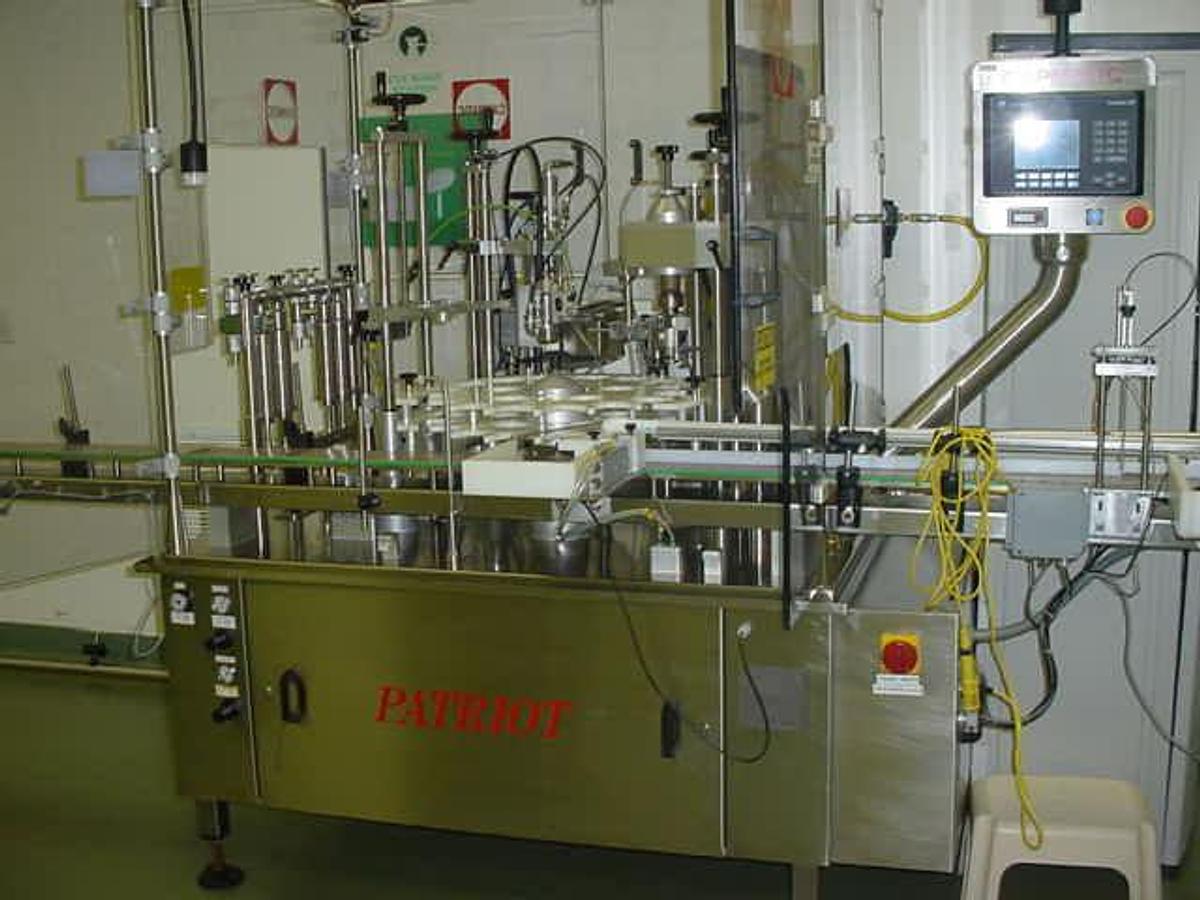
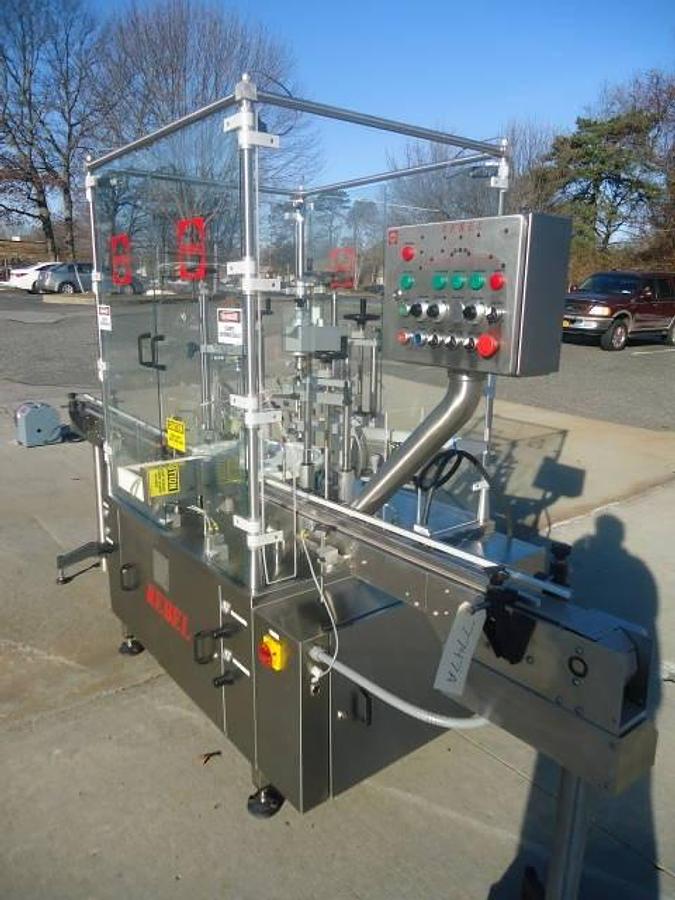
Capmatic produces a range of liquid filling, capping, and packaging machines, and several of these turn up regularly on the used equipment market. The most common types include monoblock fill/cap systems, rotary cappers, inline cappers, and vial packaging machines. Monoblock configurations are particularly sought after because they combine multiple functions, such as filling, plugging, and capping, into a single integrated unit, which saves floor space and reduces the number of separate machines a facility needs to manage. Specific models like the Capmatic Rebel Monoblock Vial Packaging Machine and the Capmatic Patriot Monoblock Fill/Plug/Cap are examples of the kind of used equipment that surfaces through specialized dealers.
Capmatic also produced standalone liquid fillers and labeling systems that complement their capping equipment, so buyers building out a complete packaging line sometimes source multiple pieces from the same manufacturer to simplify integration. Because Capmatic has a long production history, used machines span a wide range of ages and configurations. Buyers should pay close attention to the specific model and build specifications when evaluating a used unit, since features, format compatibility, and available manufacturer support can vary considerably from one generation to the next.
What industries use Capmatic filling and capping machines?
Capmatic equipment was designed with regulated industries in mind, and the pharmaceutical and cosmetics sectors have historically been the primary markets. Pharmaceutical manufacturers rely on Capmatic machines for filling and capping vials, bottles, and other containers with the kind of precision and repeatability that GMP (Good Manufacturing Practice) compliance demands. The stainless steel construction found on many Capmatic models, such as the all-stainless Patriot Monoblock, is a direct response to the sanitary requirements of drug manufacturing environments where contamination control is critical.
Beyond pharma and cosmetics, Capmatic equipment also finds use in food and beverage production, particularly for liquid products packaged in bottles with threaded or press-on closures. The machines' ability to handle a broad range of bottle sizes and closure types makes them adaptable across product categories. When buying a used Capmatic machine, it is worth confirming that the specific model and its materials of construction are appropriate for the intended application, since some configurations are better suited to pharmaceutical-grade environments while others are built for general industrial or consumer goods production.
What should buyers know about purchasing used Capmatic equipment versus buying from the manufacturer?
Buying used Capmatic equipment through a secondary market dealer is fundamentally different from a direct manufacturer purchase, and understanding those differences helps buyers make better decisions. Used machines are sold as-is, meaning there is no manufacturer backing on the transaction itself. The condition of the equipment reflects its history, including how well it was maintained, how heavily it was run, and whether any modifications were made during its service life. This places real responsibility on the buyer to evaluate the machine thoroughly before committing.
The upside is cost. Used Capmatic equipment typically sells at a significant discount compared to the cost of sourcing equivalent new machinery, which can make high-quality pharmaceutical-grade packaging equipment accessible to smaller operations or companies scaling up on a budget. To protect themselves, buyers should work only with dealers who have a verifiable track record in packaging and pharmaceutical equipment, request detailed inspection opportunities, and contact Capmatic directly to understand what level of technical support and parts availability they can expect for the specific model and serial number they are considering. Age and model generation can have a real impact on whether the manufacturer can still supply replacement components.
What is the production speed of Capmatic filling and capping machines?
Production speeds vary considerably across the Capmatic product line depending on the machine type, configuration, and the product being run. Some monoblock systems are rated for speeds in the range of 60 to 120 units per minute under optimal conditions. The Capmatic Rebel Monoblock Vial Packaging Machine, for example, is listed with a capacity of 120 units per minute, which positions it as a mid-to-high throughput solution for pharmaceutical vial lines. Rotary capping machines in the Capmatic lineup are generally designed for continuous motion operation, which supports higher sustained speeds compared to inline or intermittent-motion alternatives.
For used machines, rated speeds should be treated as reference points rather than guaranteed performance figures. Actual output on a used unit depends on the machine's current mechanical condition, the specific bottle and closure formats being run, and how well the machine has been maintained and calibrated. Buyers evaluating used Capmatic equipment for a specific throughput requirement should discuss realistic production expectations with the seller, ideally after an inspection that includes observing the machine in operation if it is still installed at a production facility.
Can Capmatic machines handle different bottle sizes and cap types?
Format flexibility is one of the characteristics that made Capmatic equipment popular in multi-SKU production environments. Many Capmatic models were engineered to accommodate a range of bottle sizes and closure types through the use of changeover parts, sometimes called format kits or change parts. These allow operators to reconfigure the machine for different container diameters, heights, and neck finishes without requiring a completely different machine for each product. Closure compatibility typically includes threaded caps, press-on closures, and in some pharmaceutical configurations, rubber stoppers or plugs followed by aluminum crimp caps.
For a used machine, the availability of change parts is an important practical consideration. Buyers should ask the seller whether format kits are included with the machine or available separately, and whether additional sets can still be sourced from Capmatic or third-party tooling suppliers. If a buyer needs to run a specific set of containers and closures that differ from the formats the machine was previously set up for, confirming that compatible tooling exists before purchase can prevent costly delays after the equipment arrives.
How should buyers inspect used Capmatic equipment before purchasing?
A thorough inspection is the most important step a buyer can take when purchasing any used packaging machine, and Capmatic equipment is no exception. Reputable dealers typically offer inspection options that include in-person visits, live video walkthroughs, or recorded video documentation of the machine. If the equipment is still installed at a production facility, it may be possible to observe it running product, which gives the clearest picture of its actual operating condition. For decommissioned machines, a mechanical inspection should cover the condition of the filling heads or capping chucks, the integrity of the conveyor and starwheel systems, the state of electrical panels and controls, and any visible signs of wear, corrosion, or prior repairs.
Buyers should also pay attention to the completeness of the machine. Used equipment sometimes arrives missing change parts, guards, documentation, or ancillary components that were separated from the main unit during decommissioning. Asking the seller for a detailed inventory of what is included, along with any available maintenance records or original technical manuals, helps establish a clearer picture of what you are actually buying. It is also worth noting that most equipment dealers are not set up to run full production trials, so inspections will generally focus on mechanical and electrical condition rather than live product testing.
What are the GMP compliance features found on Capmatic pharmaceutical packaging machines?
Capmatic built its pharmaceutical equipment with GMP compliance as a core design consideration rather than an afterthought. Common features include all-stainless steel product contact surfaces, which resist corrosion and are compatible with the cleaning and sanitizing protocols used in pharmaceutical manufacturing. Tool-free or minimal-tool disassembly of product contact parts is another feature on many models, making it easier to clean and validate the machine between product runs. Enclosed frame designs and smooth surface finishes reduce areas where particulates or residues can accumulate, which is relevant for both cleanliness and regulatory inspection.
For buyers sourcing used Capmatic equipment for a regulated environment, it is important to assess whether the machine's current condition still meets the standards required for their specific application. A machine that was well-maintained in a pharmaceutical facility may require only revalidation and cleaning before being put back into service, while one that came from a less controlled environment may need more significant refurbishment. Buyers should factor in the cost and effort of any required qualification or validation work when evaluating the total investment in a used pharmaceutical packaging machine.
What is the typical price range for used Capmatic equipment?
Pricing for used Capmatic machines varies widely based on the model, age, configuration, and condition of the equipment. Entry-level or older standalone capping machines might be found in the range of a few thousand dollars, while more complex monoblock systems designed for pharmaceutical production, such as vial filling and capping lines, can command prices well into the tens of thousands of dollars depending on their specifications and working condition. All-stainless pharmaceutical-grade monoblocks with higher throughput ratings generally sit at the higher end of the used market pricing spectrum.
Beyond the machine price itself, buyers should account for the full landed cost of the equipment. This includes shipping, crating or rigging fees, any format change parts needed for specific production requirements, and potential costs for installation, commissioning, or refurbishment once the machine arrives. Getting a complete cost picture before committing to a purchase helps avoid surprises and allows for a more accurate comparison between different machines or sourcing options. Contacting the seller directly for a detailed quote that breaks out these additional costs is always a good practice.
What are the shipping and logistics considerations for buying used Capmatic machinery?
Capmatic machines, particularly monoblock systems, are substantial pieces of industrial equipment that require careful handling during transport. Proper packaging is essential to prevent damage in transit, and the level of preparation required, whether standard palletization, custom crating, or full skidding with bracing, will affect the shipping cost. Buyers should ask the selling dealer specifically how the machine will be packaged and what that packaging is designed to protect against, since inadequate preparation is one of the more common causes of damage during machinery shipment.
For larger or heavier machines, professional rigging is typically required for both loading at the origin and unloading at the destination. This involves specialized equipment like forklifts or cranes rated for the machine's weight, and in some cases a rigging crew with experience handling industrial packaging equipment. These rigging costs are separate from freight charges and should be factored into the buyer's budget from the start. Before finalizing a purchase, buyers should request a complete breakdown of all shipping-related costs, including packaging, freight, and rigging at both ends, to understand the true delivered cost of the machine.
How can buyers confirm parts and technical support availability for older Capmatic models?
Parts availability is a legitimate concern with any used industrial machine, and it deserves direct attention before a purchase is finalized. The best approach is to contact Capmatic directly with the machine's model number and serial number and ask specifically what replacement components are still available and what level of technical support the manufacturer can offer for that particular unit. Capmatic, as a Canadian manufacturer with a long history in the industry, has supported its equipment over many years, but the availability of specific parts can depend heavily on the age of the machine and whether that model generation is still within the manufacturer's active support window.
Beyond the manufacturer, buyers should also explore whether third-party suppliers produce compatible replacement parts for common wear items like capping chucks, filling nozzles, seals, and conveyor components. For machines that are no longer fully supported by the manufacturer, having a clear understanding of which parts are most likely to need replacement and where those parts can be sourced is important for estimating the long-term cost of ownership. Dealers who specialize in pharmaceutical and cosmetic packaging equipment are often a useful resource here, as they may have experience sourcing parts for the specific Capmatic models they sell.