Category
Manufacturer
Model
Canco
Canco is recognized for its innovative canning equipment, primarily serving the food and beverage industry. They provide efficient solutions for sealing and processing canned goods, ensuring extended shelf life and product safety. Canco’s machinery is relied upon by manufacturers for their reliability and compliance with industry standards.
FAQ:
What types of Canco canning equipment are commonly available on the used market?
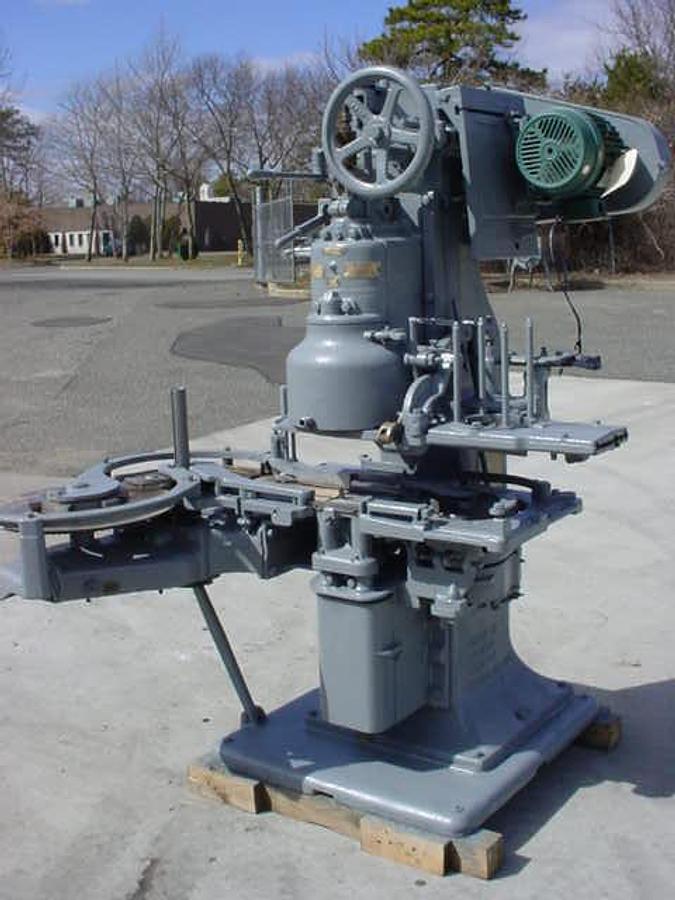
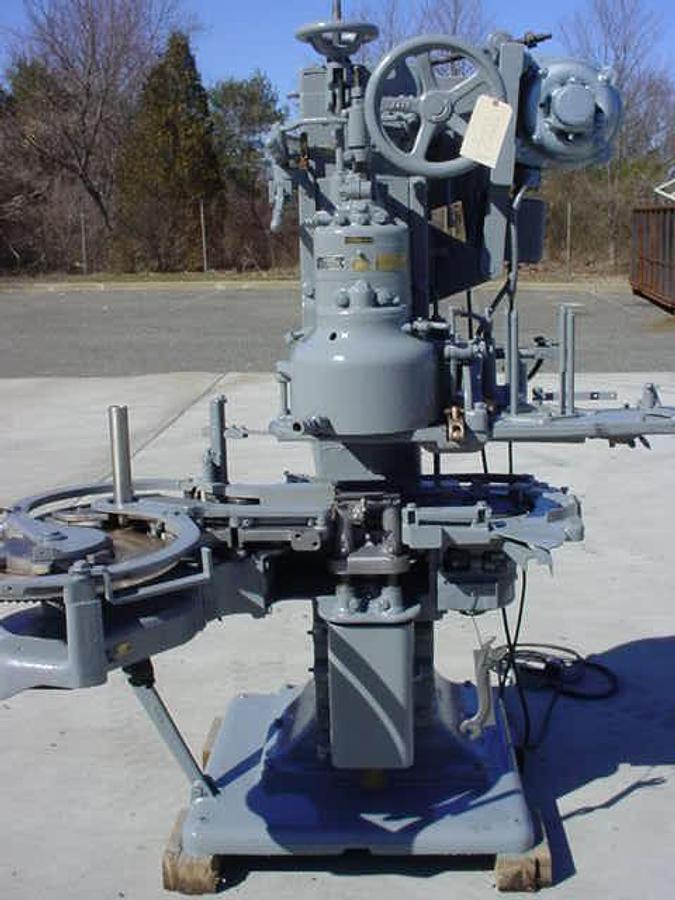
Canco built its reputation primarily around double seam closing machines and seaming equipment used across food, beverage, and industrial packaging operations. The most frequently traded models on the used market include automatic can closers designed for standard commercial can sizes, with the Canco 08 Automatic Can Closer being a well-known example. That particular model handles #10 cans at speeds up to 30 cans per minute, making it a practical choice for mid-volume food processing operations. Beyond closers, buyers occasionally find related seaming and processing equipment from Canco that supports various stages of the canning line.
The used market for Canco equipment tends to attract food manufacturers, co-packers, and contract packagers looking for reliable seaming capability without the cost of purchasing from a current production line supplier. Because Canco machines were built with durability in mind, many units circulating on the secondary market have logged significant production hours yet still offer meaningful remaining service life. When evaluating listings, buyers should pay close attention to the model number, seaming head configuration, and stated production speed, as these details directly determine whether a given machine fits the target application.
What production speeds can I expect from a used Canco can seamer?
Production speed on Canco seamers varies by model and configuration, but used units on the market typically range from smaller bench-top or semi-automatic machines suited for lower-volume operations up to fully automatic inline seamers capable of handling several hundred cans per minute in high-output facilities. The Canco 08 Automatic Can Closer, for example, is rated at 30 cans per minute for #10 cans, which positions it well for small to mid-scale food processing environments where throughput demands are moderate.
When assessing a used Canco seamer for speed, it is worth asking the seller whether the stated rate reflects the machine's design specification or its observed output under actual production conditions. Worn seaming rolls, chuck wear, and mechanical fatigue can reduce effective throughput over time. Requesting documentation such as prior maintenance records or a video of the machine running product, even at reduced speed, gives buyers a more realistic sense of what to expect after installation. Speed alone should not drive the purchase decision. Compatibility with your can diameter, lid type, and line integration requirements matters just as much as raw output.
What can sizes and formats does Canco seaming equipment support?
Canco designed its seaming equipment to handle a range of commercial can sizes, and the specific diameter and height compatibility depends on the model in question. Many Canco closers were engineered around standard industry can formats used in food processing, including common sizes like #10 cans, which are widely used in institutional food service and bulk food packaging. Some models support changeover between multiple can diameters through tooling swaps, while others are fixed to a single format.
Buyers sourcing used Canco equipment should confirm the exact can diameter range the machine supports before purchasing, since tooling is size-specific and changeover parts may be difficult to source for older models. If a listing does not specify the supported can sizes clearly, it is reasonable to ask the seller for the machine's original specification sheet or to request photos of the seaming chuck and rolls, which can help identify the configured format. Aftermarket tooling suppliers do manufacture replacement and conversion tooling for many Canco models, so expanding a machine's size range post-purchase is sometimes possible, though it adds to the total cost of ownership.
Is Canco seaming equipment compatible with both aluminum and steel cans?
Many Canco double seam closers were built to handle both aluminum and steel can bodies, which was a practical necessity given that commercial food and beverage processors work with both materials depending on the product and packaging format. The seaming operation itself, which involves rolling the can end and body flange together to form a hermetic double seam, is fundamentally the same process for both materials. However, seaming roll pressure settings and chuck profiles may need adjustment when switching between aluminum and steel, since the two materials behave differently under forming pressure.
For buyers purchasing a used Canco machine, it is worth clarifying what material the machine was running in its prior installation, as the rolls and chuck may be worn in a pattern specific to one material type. Having a qualified seaming technician evaluate chuck and roll wear before committing to a purchase is a sound practice. If the machine will be used for a different material than it previously ran, budget for potential tooling replacement or adjustment. Seam quality testing using a double seam inspection tool or teardown analysis should be performed during commissioning regardless of material type, to confirm the machine is producing seams within acceptable tolerances.
How do I find replacement parts for older Canco canning machines?
Sourcing parts for older Canco equipment can require some effort, particularly for models that have been out of active production for many years. The first step is to consult directly with the manufacturer to determine what level of parts support is still available for the specific model and serial number in question. Age and model generation significantly affect parts availability, and manufacturers are generally straightforward about which machines they can still support with factory components.
When manufacturer parts are limited or unavailable, buyers have two main alternatives. Aftermarket parts suppliers that specialize in canning and seaming equipment often carry or can machine compatible replacement components for common Canco models, including seaming rolls, chucks, drive components, and timing parts. The second option is to work with a local machine shop capable of reverse-engineering worn components from measurements or drawings. Before purchasing any used Canco machine, it is worth researching parts availability for that specific model as part of the due diligence process, since ongoing parts access directly affects the machine's long-term operating cost and uptime.
What should I inspect when evaluating a used Canco can closer before buying?
A thorough inspection of a used Canco can closer should cover several key areas. Start with the seaming rolls and chuck, as these are the highest-wear components in any double seam machine. Ask the seller for wear measurements on the rolls and chuck profile, or request a video showing the machine operating so you can observe whether the seaming action looks consistent and smooth. Uneven wear on seaming rolls can produce defective seams that fail hermetic integrity, which is a critical quality concern in food packaging.
Beyond the seaming tooling, inspect the drive system, timing components, and any feed or discharge mechanisms for signs of excessive wear, damage, or improvised repairs. Check that the machine's frame is straight and that there is no unusual vibration or noise during operation. If the machine is still installed at a production facility, an in-person inspection arranged through the seller is the most reliable way to assess its condition. If an in-person visit is not practical, a detailed video inspection covering all major components is a reasonable alternative. Keep in mind that most used equipment dealers are not set up to run actual production during inspections, so functional verification is typically limited to confirming that the machine powers on and cycles correctly rather than producing finished sealed cans.
What is the typical price range for used Canco canning equipment?
Pricing for used Canco canning equipment varies considerably based on model, age, condition, production speed, and the level of tooling or accessories included with the machine. Smaller semi-automatic or bench-top can closers tend to be more affordable entry points, while larger fully automatic inline seamers with higher throughput capacity command significantly higher prices. The used market generally offers meaningful cost savings compared to purchasing equivalent capability from a current-production supplier, which is a primary reason food processors and co-packers actively seek out used Canco equipment.
To get an accurate sense of current market pricing, buyers should review active listings from reputable used machinery dealers who specialize in food and beverage processing equipment. When comparing prices across listings, factor in the cost of shipping, rigging, any tooling changes needed for your specific can size, and potential parts or reconditioning expenses. A machine listed at a lower price may ultimately cost more once those additional factors are accounted for. Reaching out directly to a dealer to discuss the specific model and your application requirements is the most reliable way to understand the true landed cost of a particular machine.
What maintenance does Canco double seam equipment require to stay in good working order?
Regular maintenance on a Canco double seam closer centers on monitoring and replacing wear components before they degrade seam quality. Seaming rolls and chucks are the primary wear items and should be measured periodically against manufacturer specifications using appropriate gauging tools. When roll profiles wear beyond tolerance, the resulting seams may fail to meet the tightness and overlap standards required for hermetic integrity in food packaging. Establishing a scheduled inspection interval based on production volume is standard practice in commercial canning operations.
Beyond tooling wear, routine maintenance includes lubricating drive components and bearings on the schedule specified in the machine's service documentation, checking timing and drive belt or chain tension, and inspecting feed and discharge mechanisms for wear or misalignment. Keeping detailed maintenance logs is valuable both for managing the machine's uptime and for demonstrating its service history if the equipment is ever resold. For facilities that do not have in-house seaming expertise, periodic service visits from a qualified canning equipment technician can help catch developing issues before they result in downtime or product quality failures.
How does the used Canco equipment buying process typically work, including inspection, payment, and shipping?
Purchasing used Canco equipment generally starts with identifying a listing from a reputable dealer who specializes in food and beverage processing machinery. Once a machine of interest is found, buyers should request an inspection before committing to a purchase. Reputable dealers typically accommodate in-person inspections at their facility or at the plant where the equipment is currently located. If travel is not feasible, video inspections or detailed photo documentation of the machine's key components are a common alternative. The goal of any inspection is to get an accurate picture of the machine's current mechanical condition, including the state of the seaming tooling, drive components, and overall structural integrity.
On the payment side, most used equipment dealers require full payment prior to shipping, which is standard practice in the industry. Once payment is confirmed, the dealer arranges packaging and freight. Canning machines vary widely in size and weight, so shipping costs depend on whether the machine requires basic palletization or heavier-duty crating, and whether specialized rigging equipment is needed for loading and unloading at either end. Buyers should ask the dealer for a detailed breakdown of packaging, rigging, and freight costs upfront to understand the full landed cost before finalizing the purchase. Larger or heavier machines may require a freight carrier with flatbed or specialized equipment capability, which adds to the logistics cost.
Why do food processors choose used Canco seamers over other canning equipment brands?
Canco built a strong reputation in the commercial canning industry over many decades, and that reputation carries over into the used equipment market. The brand is recognized for producing machines with durable construction and consistent seaming performance, which are qualities that matter a great deal in food processing where seam integrity directly affects product safety and shelf life. Many Canco seamers have remained in active production well beyond what might be expected from lighter-duty equipment, which is part of why they continue to attract buyers even as used units.
From a practical standpoint, choosing a well-known brand like Canco on the used market also makes parts sourcing and technical support somewhat more predictable than purchasing an obscure or discontinued brand with little documentation or aftermarket support. Buyers who are already familiar with Canco equipment from prior experience in the industry often have an established sense of how to maintain and operate these machines, which reduces the learning curve after installation. That combination of proven reliability, brand familiarity, and the potential to find aftermarket tooling and service support makes used Canco equipment a recurring choice for food processors looking to add or expand seaming capacity cost-effectively.