Category
Manufacturer
Model
CCL
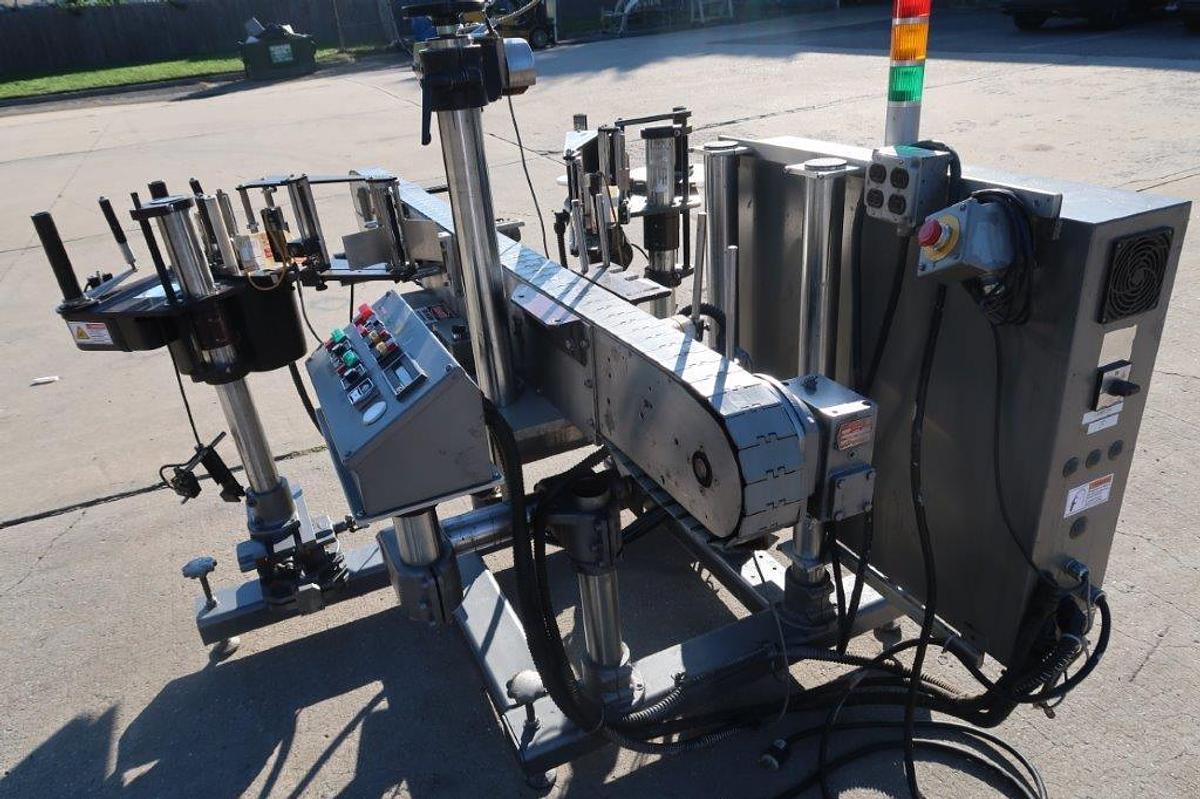
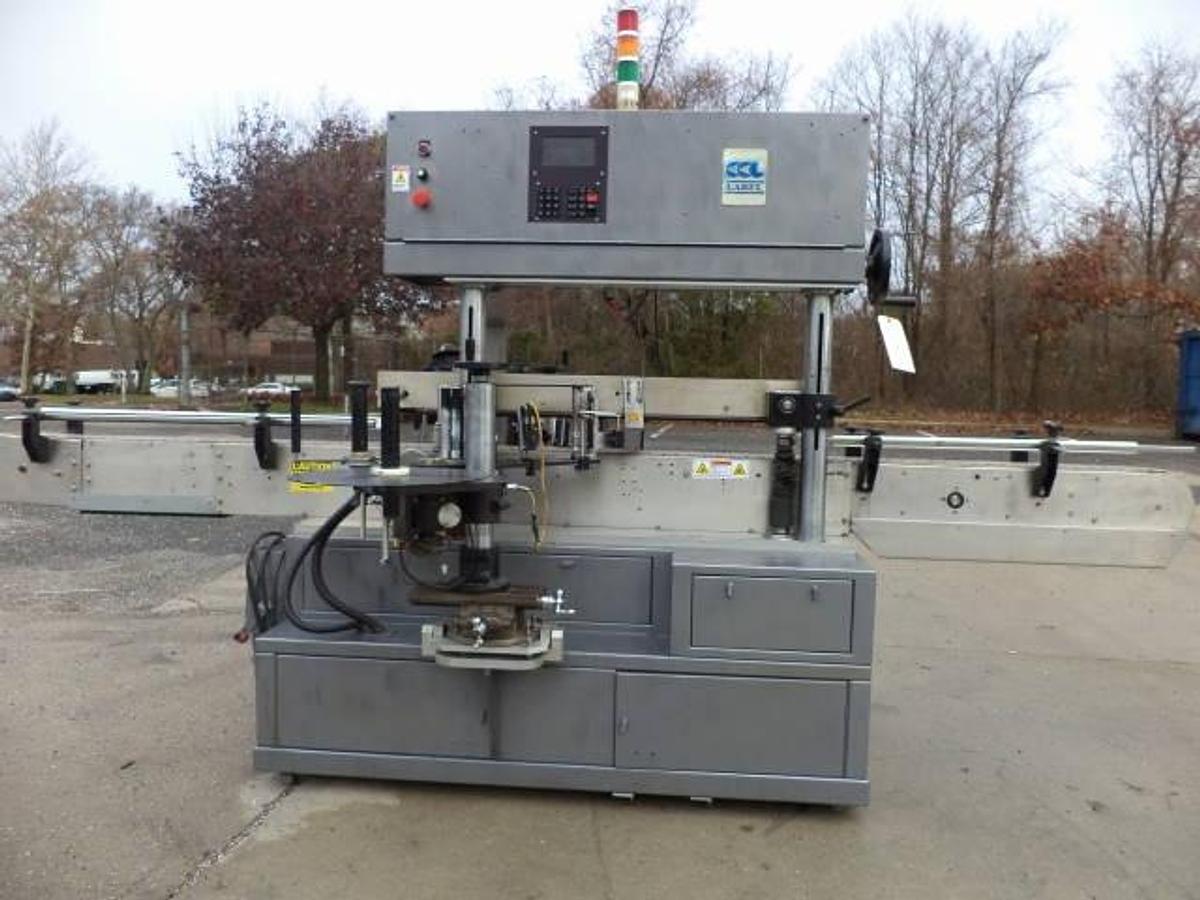
CCL specializes in providing labeling and packaging solutions for a wide range of industries including food, beverage, and consumer goods. They are renowned for their expertise in creating innovative labeling technologies and comprehensive packaging equipment to enhance brand presentation.
FAQ:
What is a CCL labeling machine and what industries use them?
CCL is a major name in labeling and packaging solutions, with equipment designed to handle the demands of food, beverage, pharmaceutical, cosmetics, chemical, and consumer goods manufacturing. Their machines are built around pressure sensitive labeling technology, which applies pre-cut labels from a liner using a peel plate and applicator head. The result is fast, consistent label placement across a wide range of container types and sizes.
Because CCL has focused heavily on industrial-scale labeling for decades, their equipment tends to be well-regarded for durability and precision. Buyers across many sectors seek out CCL machines specifically because the brand has a long track record in high-volume production environments. Used CCL labeling machines are particularly attractive to operations that want proven, production-tested equipment without the lead times associated with ordering purpose-built machinery.
What types of CCL labeling machines are available on the used equipment market?
The used market for CCL equipment typically includes automatic pressure sensitive labeling machines, front and back labelers, wrap-around labelers, and specialty applicators designed for specific container geometries. Automatic models dominate the used market because they were originally deployed in high-volume production lines and tend to be built to a higher mechanical standard than lighter-duty alternatives. Front and back labelers, for example, apply labels to two sides of a container in a single pass, which is common in food, beverage, and personal care packaging.
Semi-automatic configurations also appear on the used market and are a practical choice for smaller operations or facilities that run lower volumes or need more flexibility between product changeovers. The specific models available at any given time depend on what production facilities are decommissioning or upgrading. Buyers should monitor reputable used equipment dealers who specialize in packaging machinery, as inventory turns over regularly and desirable models can move quickly.
What labeling speeds can buyers expect from used CCL labeling machines?
Labeling speed varies considerably depending on the model, configuration, and condition of the machine. High-speed automatic CCL labeling machines used in beverage or consumer goods lines can reach several hundred containers per minute in their original production context, while mid-range automatic models typically operate in the range of 50 to 200 containers per minute. Semi-automatic models are slower by design, often handling 20 to 60 containers per minute depending on operator pace and container type.
When evaluating a used machine, buyers should ask the dealer about the rated speed of that specific model and, where possible, review any available documentation or nameplate data. Keep in mind that actual throughput on a used machine may differ from the rated specification depending on wear, the label material being used, and how the machine has been maintained. Inspecting the machine, either in person or via video, is the best way to get a realistic picture of its current operating condition before committing to a purchase.
What label sizes and materials are compatible with CCL pressure sensitive labeling machines?
CCL pressure sensitive labeling machines are generally engineered to handle a broad range of label dimensions, from small product identification labels to larger full-panel wraps. Label width and length compatibility depends on the specific model and the adjustability of the label feed system, unwind reel, and applicator head. Many machines can be adjusted to accommodate labels ranging from roughly 1 inch to 8 or more inches in width, though the actual range should be confirmed against the specifications of the individual unit being considered.
In terms of materials, pressure sensitive labeling machines are compatible with paper, polypropylene film, polyester film, foil laminates, and other flexible label stocks as long as the material is supplied on a standard liner. Certain models include features like heated applicators or specialized rollers that expand compatibility with difficult materials. Buyers sourcing used equipment should confirm which label stocks the machine was originally configured for and whether any tooling or components would need adjustment to handle their specific label material.
Can CCL labeling machines handle both round containers and flat-sided packaging?
Yes, many CCL labeling machine models are designed to handle multiple container geometries, though the specific capability depends on the model. Machines built for round containers, such as bottles, jars, and cans, typically use a wrap-around labeling mechanism that applies the label as the container rotates against a belt or roller. Front and back labelers are designed for flat or slightly curved surfaces and apply labels to two opposing faces of a container in a single pass, which is common for boxes, pouches, and rectangular bottles.
Some machines include adjustable guides, changeable star wheels, and interchangeable tooling that allow operators to switch between container types with relatively minimal downtime. On the used market, it is worth asking the dealer whether the machine comes with any additional tooling or change parts that were used in production, as these components can add significant practical value and reduce the cost of adapting the machine to a different product line.
What should buyers look for when inspecting a used CCL labeling machine?
A thorough inspection should cover the mechanical condition of the conveyor system, label feed mechanism, applicator head, drive components, and any sensors or vision systems included with the machine. Wear on belts, rollers, and guide rails is normal on used production equipment but should be assessed relative to the asking price. Electrical components, including control panels, servo drives, and PLCs, deserve particular attention since sourcing replacement parts for older control systems can be challenging and expensive.
Buyers should request an in-person inspection or, where that is not practical, a detailed video walkthrough that shows the machine cycling through its motions. Some machines may still be installed in an active facility where a live demonstration can be arranged. Keep in mind that most used equipment dealers are not set up to run actual production, so a full product trial with live labels and containers may not be possible. In that case, a visual inspection combined with a review of the machine's maintenance history and any available service records provides the next best level of confidence before purchase.
Do used CCL labeling machines come with a warranty?
Used labeling machines are typically sold on an as-is basis, which is standard practice across the used industrial equipment industry. Warranties are generally only offered by original manufacturers on new equipment, and used equipment dealers do not typically extend the same coverage. This places the responsibility for evaluating the machine's condition squarely on the buyer, which is why inspection, either in person or via video, is so important before finalizing any purchase.
To reduce risk, buyers should prioritize dealers who have a long track record in the packaging machinery space and who specialize in labeling and packaging equipment rather than general industrial surplus. It is also worth contacting CCL or the relevant machine manufacturer directly to understand what level of technical support, parts availability, and documentation can be expected for the specific model and age of the machine being considered. Older models may have limited parts availability, while more recent models may still be supported with documentation and spare components through the manufacturer or authorized service networks.
What is the typical price range for used CCL labeling machines?
Pricing for used CCL labeling machines varies widely based on the model type, age, configuration, and overall condition of the equipment. Entry-level semi-automatic units can be found at relatively modest price points, sometimes in the low thousands of dollars, while high-speed automatic systems with advanced controls, vision systems, and full change part sets can command prices well into the tens of thousands. Front and back labelers and fully integrated automatic lines tend to sit at the higher end of the range due to their complexity and original production value.
Buyers should factor in more than just the purchase price when budgeting for used labeling equipment. Shipping, rigging, crating, and any reconditioning or spare parts needed to bring the machine up to production readiness are all real costs that affect the total landed price. Getting a clear picture of these additional costs from the dealer before committing to a purchase is an important part of making an accurate cost comparison between different machines or sourcing options.
How does shipping and delivery work for used CCL labeling machines?
Shipping a used labeling machine requires careful planning because these are heavy, precision pieces of equipment that can be damaged if improperly packaged or handled. Most dealers will palletize or crate the machine prior to shipping, and the level of packaging required, whether a simple pallet wrap or a full custom crate, will affect the shipping cost. Larger or heavier machines may require specialized freight carriers, liftgate service, or even flatbed transport depending on the dimensions and weight.
Buyers should ask the dealer for a detailed breakdown of packaging, rigging, loading, and freight costs before finalizing the purchase so there are no surprises when the invoice arrives. For large machines, rigging at the destination is also a consideration, particularly if the machine needs to be moved into a production area that requires equipment like forklifts or overhead cranes. Understanding the full landed cost, including all handling and delivery expenses, is essential for making an accurate buying decision.
What payment terms should buyers expect when purchasing a used CCL labeling machine?
The standard practice among used equipment dealers is to require payment in full before the machine is released for shipping. This applies to most transactions, particularly with buyers who are purchasing from a dealer for the first time. Some dealers may offer extended terms or payment arrangements to established repeat customers, but this is not the norm and should not be assumed without a direct conversation with the dealer.
Buyers should clarify payment expectations early in the negotiation process to avoid delays once a purchase agreement is reached. Accepted payment methods vary by dealer but commonly include wire transfer, ACH, and in some cases business checks, though personal checks may require a clearing period before shipment is authorized. Understanding the payment timeline and any conditions tied to it, such as inspection approval before funds are released, is an important part of structuring a purchase that protects both parties.