Category
Manufacturer
Model
Burt
Burt, or its variants, is well-regarded for their labeling machinery that serves primarily in the food and pharmaceutical industries. Their equipment is flexible, supporting a variety of labeling formats and packaging types designed for accuracy and high-speed applications. Burt’s labeling solutions enhance packaging aesthetics and compliance with labeling standards, vital for market readiness.
FAQ:
What types of labeling machines does Burt make?
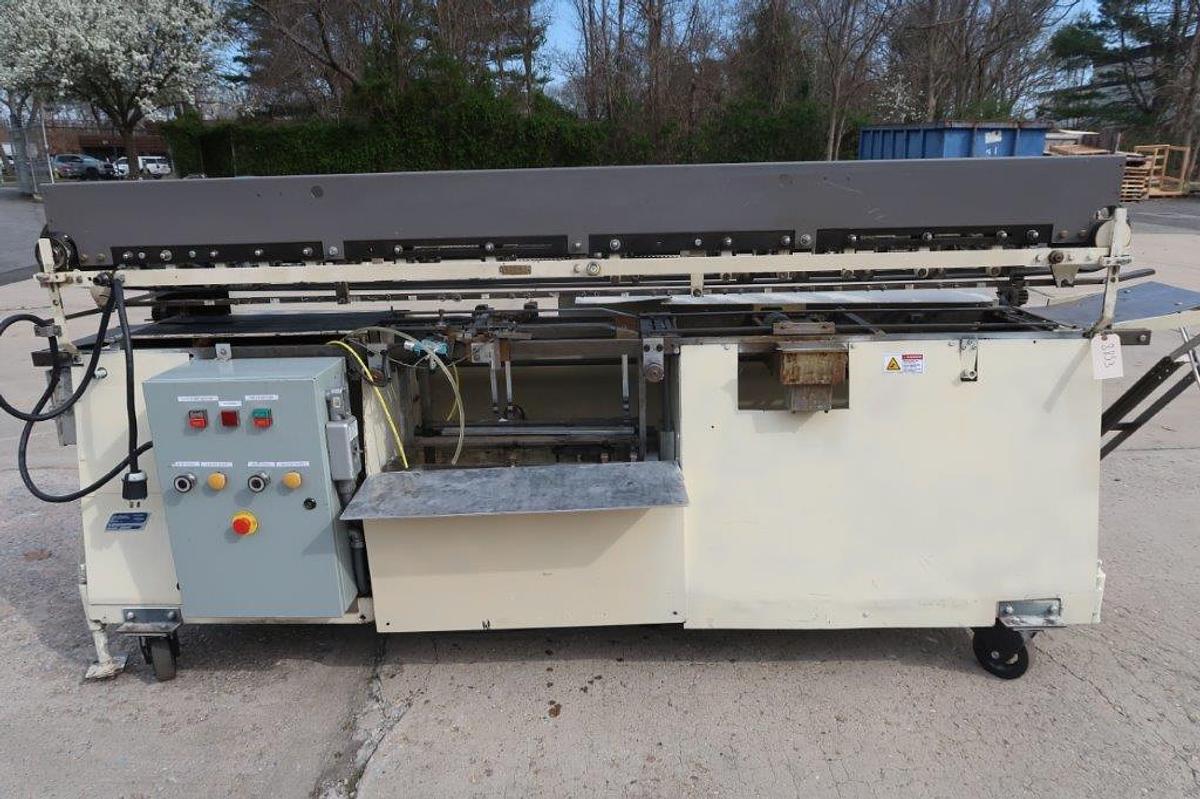
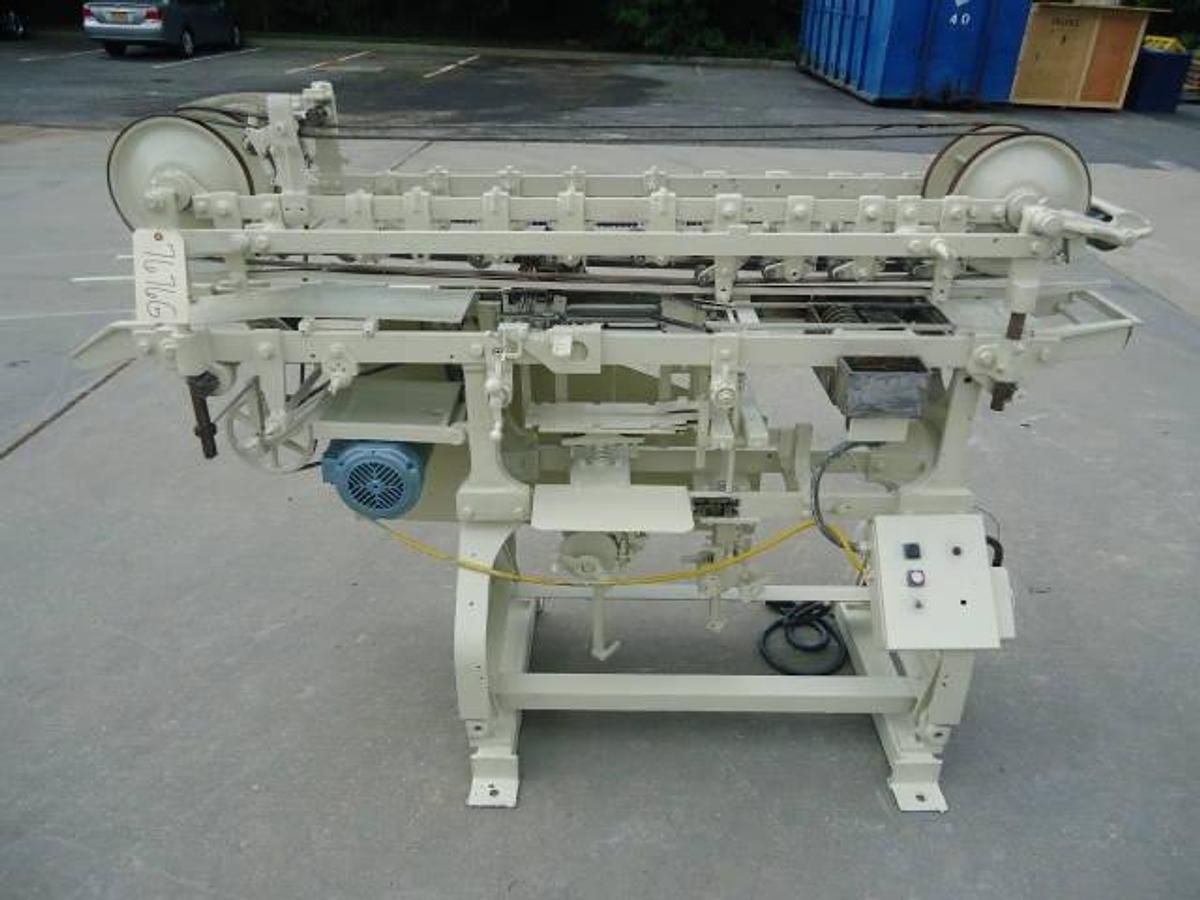
Burt produces labeling machinery designed for industrial and semi-industrial packaging lines, with a particular focus on can labeling and high-speed label application systems. Two well-known examples include the Mateer Burt Roll-Through 704D Horizontal Can Labeling Machine and the Burt Horizontal Can Labeler, both of which are built for accuracy and consistent throughput on demanding production lines. Their equipment supports a variety of labeling formats and packaging types, making the lineup adaptable across different container shapes and label configurations.
Beyond can labeling, Burt's broader product range is recognized for flexibility in handling different label materials and packaging substrates. The machines are engineered to meet the compliance and aesthetics requirements that food and pharmaceutical manufacturers depend on for market readiness. Buyers looking at used Burt equipment will typically find horizontal labelers and roll-through systems as the most commonly available models on the secondary market.
What industries are Burt labeling machines designed for?
Burt labeling machinery has a strong track record in the food and beverage and pharmaceutical industries, where accurate, high-speed label application and regulatory compliance are non-negotiable. In these sectors, labeling errors can trigger recalls or compliance failures, so the precision built into Burt equipment makes it a practical choice for facilities with strict quality control requirements. The machines are also used in chemical and cosmetics manufacturing, where consistent label placement on cylindrical or irregularly shaped containers is equally important.
The versatility of Burt's labeling solutions is a big part of why they remain sought after on the used equipment market. A single machine can often handle multiple container types and label formats with the right changeover tooling, which reduces the need to purchase separate equipment for different product lines. This cross-industry applicability means buyers from a wide range of manufacturing backgrounds actively look for Burt machines when expanding or upgrading their packaging operations.
What should buyers know about purchasing used Burt labeling machinery?
Buying used Burt labeling equipment is a practical way to access industrial-grade labeling capability at a fraction of the cost of comparable machinery, but it requires careful due diligence. All used machines are sold as-is, which means the condition, age, and maintenance history of a specific unit will vary. Buyers should request detailed photos, videos, or an in-person inspection before committing to a purchase. Reputable used equipment dealers with a long track record in the packaging machinery space are the safest source, as they are more likely to accurately represent the condition of what they are selling.
It is also worth contacting Burt or the relevant manufacturer directly to understand what level of technical support, spare parts, and documentation is available for a particular model. Older machines may have limited parts availability, which can affect long-term maintenance costs. Asking the dealer about the machine's last known operational status, whether it was decommissioned or pulled from active production, and whether any recent repairs were made will give buyers a clearer picture of what they are acquiring.
How fast are Burt labeling machines, and why does speed matter when buying used?
Machine speed, typically measured in labels per minute (LPM) or containers per minute (CPM), is one of the most critical specifications to evaluate before purchasing any labeling equipment. Burt labeling machines are built for high-speed applications, and specific throughput ratings will vary by model and configuration. For example, horizontal can labelers in this class commonly operate at speeds ranging from several hundred to over a thousand containers per minute depending on container size, label type, and line configuration. Buyers should always confirm the rated speed of a specific unit with the dealer and ask whether the machine was running at or near that speed before it was decommissioned.
For used equipment, actual throughput may differ from the manufacturer's rated specs due to wear, component age, or prior modifications. During an inspection, asking to see the machine run (if it is still in an active facility) or reviewing any available production records can help set realistic expectations. Matching the machine's realistic output to your actual production requirements prevents the common mistake of either over-buying capacity you don't need or under-buying and creating a bottleneck on your line.
What label sizes and materials are compatible with Burt labeling equipment?
Burt labeling machines are designed with flexibility in mind, supporting a range of label sizes and materials suited to the food, pharmaceutical, and industrial packaging environments they were built for. Pressure-sensitive labels, roll-fed paper labels, and film-based labels are among the common formats these machines handle. The specific label width, length, and material compatibility will depend on the model and how it was configured for its previous application, so buyers should ask dealers for the original specifications or any available documentation that outlines the label parameters the machine was set up to run.
Changeover capability is another factor worth examining closely. Many buyers prioritize equipment that can switch between different label formats and container sizes without excessive downtime or tooling costs. For used Burt machines, it is worth asking whether changeover parts are included with the sale, since missing guides, mandrels, or rollers can add unexpected costs after purchase. If the machine was previously dedicated to a single product format, budget for the time and parts needed to adapt it to a different label or container configuration.
Are Burt labeling machines suitable for smaller production operations, or are they built strictly for large-scale facilities?
Burt labeling machinery is primarily engineered for industrial-scale production environments, where consistent high-speed output and durability under continuous operation are the priority. That said, the used equipment market opens up access to these machines for mid-sized operations that could not justify the cost of purchasing comparable equipment at full industrial pricing. A facility running a few shifts per week rather than 24/7 continuous production can still benefit significantly from the precision and build quality that Burt machines offer, even if they are not running at maximum rated capacity.
The more important question for smaller buyers is whether the machine's minimum practical speed and footprint fit their operation. High-speed industrial labelers are optimized for volume, and running them well below their rated capacity over long periods can sometimes create maintenance considerations. Buyers from smaller facilities should discuss their actual production volumes with the dealer and, if possible, consult with a packaging engineer or the manufacturer to confirm that a specific Burt model is a practical fit for their line speed and container types before purchasing.
How does the inspection process work when buying used Burt labeling machinery?
Inspections are a standard part of buying used industrial labeling equipment, and most reputable dealers will accommodate in-person visits, live video walkthroughs, or recorded video of the machine. The goal is to get an accurate, honest picture of the machine's current condition, including the state of mechanical components, electrical systems, and any visible wear. If the machine is still installed at the facility where it was last used, some dealers can arrange for the buyer to observe it in its production environment, which gives a much clearer sense of how it was maintained and operated.
Buyers should go into any inspection with a checklist that covers the drive systems, label feed mechanisms, sensors, control panels, and any pneumatic or conveyor components included with the machine. Keep in mind that most used equipment dealers are not set up to run a full production test with actual product, since that requires different facility permitting and resources. The inspection is primarily a mechanical and visual assessment. Bringing a qualified technician familiar with labeling machinery, or consulting with the manufacturer about what to look for on a specific model, can make the inspection far more productive.
What are the typical costs involved in buying and shipping used Burt labeling machinery?
The purchase price of used Burt labeling equipment will vary based on the model, age, condition, and current market demand, but used industrial labelers generally represent significant savings compared to equivalent machinery purchased through other channels. Beyond the purchase price, buyers need to account for the full landed cost of the machine, which includes packaging, rigging, freight, and any unloading or installation costs at the destination facility. These additional costs can add up quickly for large, heavy labeling systems that require specialized rigging equipment for loading and unloading.
Dealers will typically require full payment before a machine ships, though some may offer terms to buyers with an established purchase history. Packaging costs will depend on how the machine needs to be prepared for transit, whether a standard pallet is sufficient or a custom crate is required to prevent damage. Buyers should ask the dealer for a detailed breakdown of all shipping and handling costs before finalizing the purchase, so there are no surprises when the machine arrives. For international purchases, import duties and customs clearance fees should also be factored into the total cost calculation.
How should buyers evaluate spare parts availability for used Burt labeling machines?
Spare parts availability is one of the most important long-term cost factors when purchasing any used industrial labeling machine, and it deserves serious attention before completing a purchase. The age and model of a specific Burt machine will directly affect how readily parts can be sourced. Contacting the manufacturer or an authorized service network to ask about parts support for a particular model is a practical step that many buyers overlook until after they have already taken delivery of the equipment.
For older Burt models, some components may need to be sourced from third-party suppliers or fabricated, which can increase both cost and downtime when repairs are needed. Buyers should ask the dealer whether any spare parts, tooling, or documentation are included with the machine, as manuals and electrical schematics can be difficult to track down for discontinued models. Building a small inventory of wear parts, such as belts, rollers, and sensors, at the time of purchase is a common practice among experienced buyers of used packaging machinery and can prevent costly production stoppages down the line.
What documentation should buyers request when purchasing used Burt labeling equipment?
Documentation is often undervalued in used machinery transactions, but it plays a significant role in how quickly a machine can be installed, operated, and maintained after purchase. Buyers should request the operator's manual, maintenance manual, and any available electrical schematics or parts lists for the specific Burt model they are purchasing. These documents are essential for training operators, troubleshooting problems, and ordering replacement components. If the dealer does not have the original documentation, it is worth reaching out directly to the manufacturer to determine whether copies are available for that model.
Additionally, any service records, calibration logs, or records of prior repairs can provide useful context about how the machine was maintained and what components may be approaching the end of their service life. Some sellers will also include changeover tooling, spare parts, or ancillary equipment with the machine, and buyers should confirm in writing exactly what is included in the sale before payment is made. A clear bill of sale that itemizes all included components protects both parties and eliminates ambiguity about what was agreed upon.