Category
Manufacturer
Model
Buflovak
Buflovak specializes in thermal processing equipment, providing solutions for industries like food, chemical, and pharmaceutical. Their products include vacuum dryers, evaporators, and heat exchangers that optimize product drying and processing operations. Buflovak is committed to delivering solutions that improve energy efficiency and processing precision in thermal applications.
FAQ:
What types of Buflovak equipment are available on the used market?
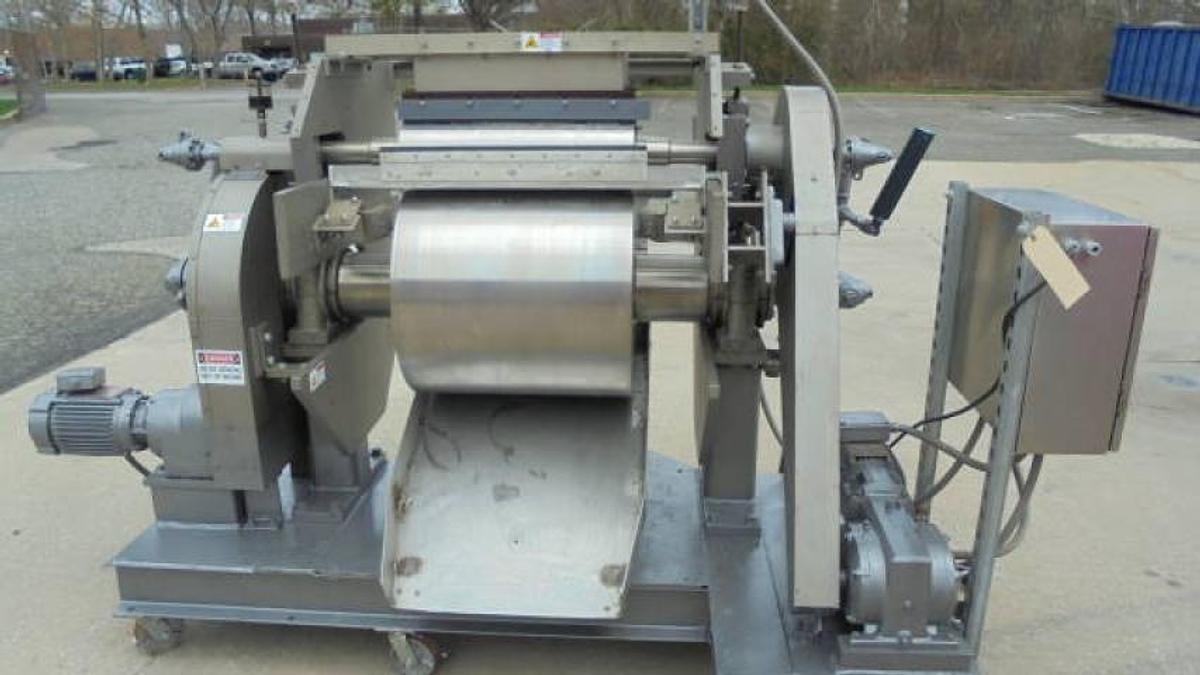
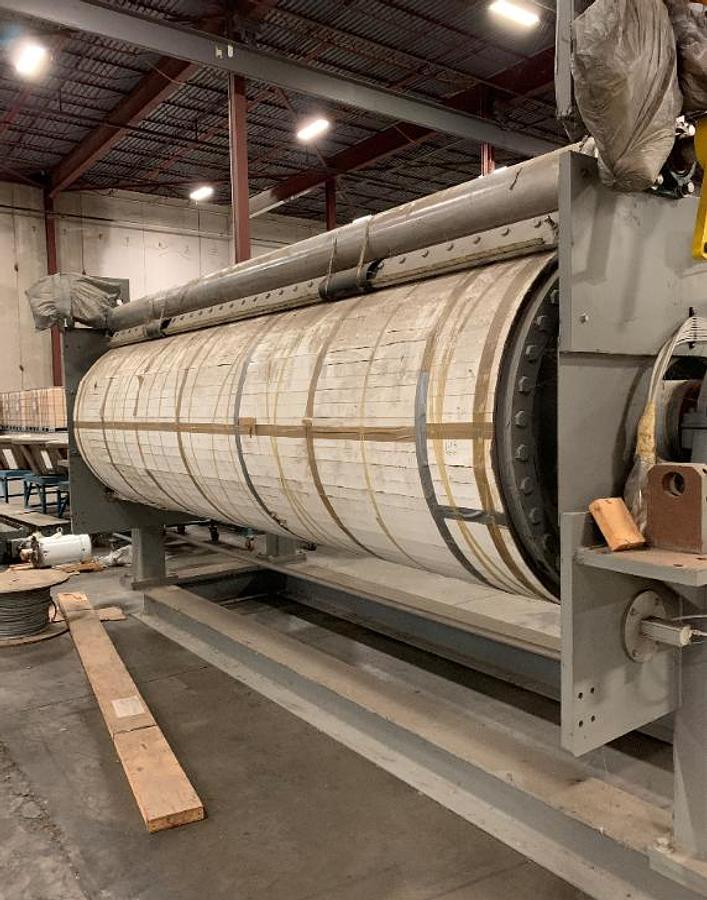
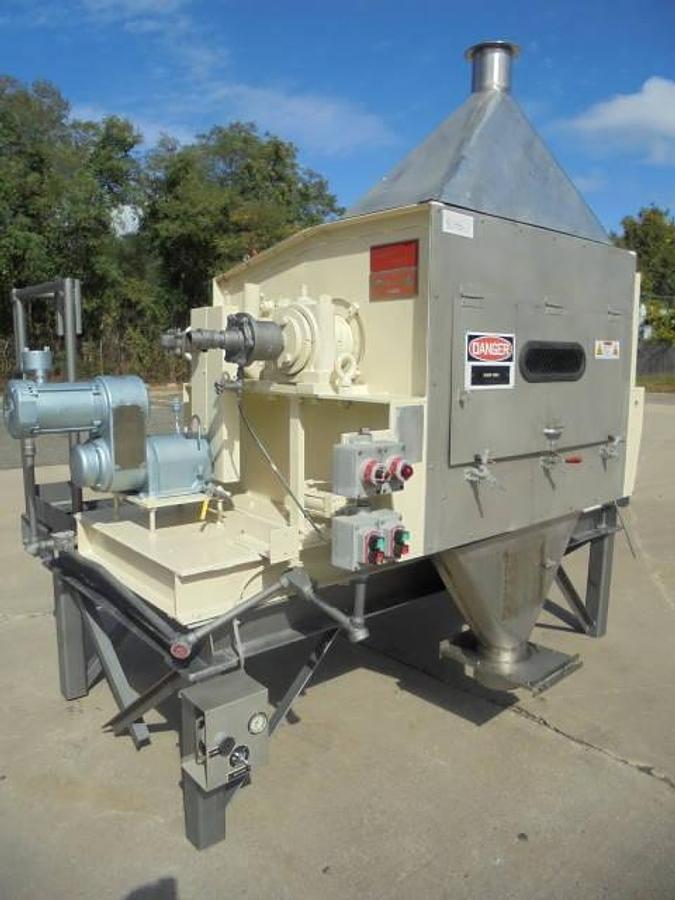
Buflovak produces a focused range of thermal processing equipment, and the used market regularly sees several of their core product lines come up for sale. The most commonly available units include drum flakers, double drum dryers, vacuum shelf dryers, evaporators, and heat exchangers. Smaller units like 24-inch drum flakers appear alongside larger industrial systems such as 48-inch by 156-inch double drum dryers. Vacuum shelf dryers, sometimes listed by square footage of drying area rather than physical dimensions, are another type that surfaces with some regularity, particularly units suited for pharmaceutical and chemical batch processing.
The specific configuration matters quite a bit when sourcing used Buflovak equipment. Drum flakers, for instance, may be listed as food-grade or standard chemical-grade depending on their construction materials and prior application. Stainless steel construction is common on food and pharmaceutical units and typically commands a premium on the secondary market. Buyers looking for a specific model or capacity should work with dealers who specialize in thermal processing equipment, as they are more likely to have relevant inventory and the technical knowledge to match the right machine to a given application.
What industries use Buflovak equipment?
Buflovak equipment serves a broad cross-section of industries that require precise thermal processing, drying, or evaporation. The chemical processing industry is one of the heaviest users, relying on Buflovak drum dryers and evaporators to handle everything from specialty chemicals to bulk commodity materials. Pharmaceutical manufacturers use Buflovak vacuum shelf dryers and related equipment for batch drying of active ingredients and intermediates where temperature control and contamination prevention are critical. Food processing operations also make significant use of Buflovak drum flakers and dryers, particularly for products like starches, dairy ingredients, and other heat-sensitive materials that require gentle, controlled drying.
Beyond those three core sectors, Buflovak equipment also finds application in specialty materials production, including adhesives, resins, and certain agricultural chemical formulations. The brand's reputation for energy-efficient thermal processing and precise temperature management makes it attractive in any industry where product quality is directly tied to how evenly and consistently material is dried or processed. This broad industrial applicability is one reason used Buflovak machines hold their value reasonably well on the secondary market and attract buyers from multiple sectors when they become available.
What is the typical price range for used Buflovak dryers and evaporators?
Pricing for used Buflovak equipment spans a wide range depending on the type of machine, its size, age, condition, and the materials of construction. Smaller units, such as a 24-inch drum flaker in standard carbon steel, may be available in the range of a few thousand to tens of thousands of dollars. Mid-size systems in stainless steel construction, particularly those with food or pharmaceutical-grade provenance, tend to sit in the $20,000 to $75,000 range. Large-scale systems like a 48-inch by 156-inch double drum dryer or a substantial vacuum shelf dryer with significant square footage can exceed $100,000, especially if the unit is in good mechanical condition or was recently decommissioned from active production.
It is worth keeping in mind that the listed price is rarely the full cost of acquisition. Rigging, crating, freight, and any reconditioning work needed before the machine goes back into service all add to the total landed cost. Buyers should request detailed information from the selling dealer about the machine's current condition, any known issues, and what packaging or rigging will be required for shipment. Getting a clear picture of those additional costs upfront prevents surprises and allows for a more accurate comparison between available units.
How do I verify the condition of used Buflovak equipment before purchasing?
Verifying the condition of used industrial equipment like Buflovak dryers and evaporators requires a deliberate approach, since these machines involve precision-machined surfaces, heating systems, and in some cases vacuum or pressure components that may not show obvious wear at a glance. The most reliable method is an in-person inspection at the location where the machine is currently stored or still in service. If the equipment is still running at a production facility, there may be an opportunity to observe it operating under real conditions, which gives the clearest picture of mechanical health. If the machine has been decommissioned, a thorough physical inspection of drum surfaces, seals, bearings, heating elements, and drive components is essential.
For buyers who cannot travel for an in-person visit, reputable dealers typically offer video inspections or recorded walkthroughs of the equipment. These can cover the same key components and give a reasonable sense of condition, though they are a step removed from being there in person. Buyers should ask specific questions during any inspection: How long was the machine in service? What was it processing? Were there any known mechanical issues at the time of decommissioning? It is also worth contacting Buflovak directly to ask about parts availability and technical support for the specific model under consideration, since older units may have limited manufacturer support depending on their age and configuration.
Does used Buflovak equipment come with a warranty?
Used industrial equipment, including Buflovak dryers, flakers, and evaporators, is typically sold on an as-is basis by equipment dealers. Warranties in the traditional sense are generally only offered by manufacturers on their own production, and that coverage does not transfer through the secondary market. This means the responsibility for assessing the machine's condition falls squarely on the buyer before the purchase is completed. That is not a reason to avoid the used market, but it does underscore why thorough pre-purchase inspections are so important.
The practical way to protect yourself when buying used Buflovak equipment is to work with dealers who have a long, verifiable track record in the thermal processing or industrial equipment space. Established dealers with years of experience in this category tend to represent their equipment accurately and are more likely to accommodate detailed inspections, whether in person or by video. Before finalizing any purchase, buyers should also reach out to Buflovak to understand what level of manufacturer support, parts availability, and technical assistance they can expect for the specific model and vintage of the machine they are considering. That information can significantly affect the long-term value and usability of the equipment.
What should I know about shipping and rigging used Buflovak equipment?
Buflovak thermal processing equipment ranges from relatively compact drum flakers to large double drum dryers that can span several feet in length and weigh several tons. The logistics of moving this kind of machinery are meaningfully different from shipping standard commercial goods. Proper packaging, whether palletization or full custom crating, is essential to prevent damage to precision surfaces like drum faces and heat exchanger components during transit. The level of packaging required will vary by machine size and configuration, and dealers will typically factor this into the shipping quote.
For larger Buflovak systems, specialized rigging equipment is often needed for both loading at the origin and unloading at the destination. This can include forklifts rated for heavy industrial loads, cranes, or skidding equipment, and those services carry their own costs that are separate from freight charges. Buyers should ask dealers for a complete breakdown of packaging, rigging, and freight costs before committing to a purchase so they have an accurate picture of the total landed cost. If the destination facility does not have heavy rigging capabilities, arranging for that in advance is critical to avoid delays or damage when the machine arrives.
Are replacement parts and technical support available for older Buflovak machines?
Parts availability for older Buflovak equipment varies depending on the model, its age, and how widely that particular design was produced. Buflovak has been manufacturing thermal processing equipment for decades, and many of their core mechanical designs have remained relatively consistent over time, which means some components are interchangeable across generations of equipment. Common wear items like seals, bearings, and drive components may be available either directly from the manufacturer or through industrial parts suppliers who stock compatible equivalents. More specialized components, such as custom drum surfaces or proprietary heating elements, are more likely to require direct manufacturer sourcing.
Before purchasing a used Buflovak machine, particularly an older unit, it is strongly advisable to contact Buflovak's service and parts department directly. They can confirm whether parts are still stocked or producible for that specific model and what level of technical support is available. This step is often overlooked by buyers focused on the machine itself, but parts availability can make the difference between a productive long-term asset and an expensive paperweight if a critical component fails down the road. Dealers who specialize in thermal processing equipment may also have useful insight into the serviceability of specific Buflovak models based on their experience with similar machines.
What is the difference between a drum flaker and a double drum dryer, and which Buflovak configuration is right for my application?
Drum flakers and double drum dryers are related but distinct pieces of thermal processing equipment, and Buflovak produces both. A drum flaker is designed to solidify a molten or liquid material into thin, solid flakes by applying it to the surface of a rotating, internally cooled drum. The solidified material is then scraped off as flakes. This process is common for materials like fatty acids, waxes, resins, and certain food ingredients that need to be converted from a liquid state into a free-flowing solid form. A double drum dryer, by contrast, uses two heated drums rotating in close proximity to dry a slurry, paste, or liquid feed into a dried solid product. The material is applied to the drum surfaces, dried by conduction, and scraped off as a dried sheet or flake.
Choosing between the two comes down to the physical and thermal properties of the material being processed and the desired end product form. If the goal is to solidify a melt into flakes, a drum flaker is the appropriate choice. If the goal is to remove moisture from a liquid or semi-liquid feed, a drum dryer is the right direction. Single drum versus double drum configurations also matter: double drum dryers handle higher throughput and are suited for materials that can be fed between the two drums, while single drum setups offer more flexibility for certain feed consistencies. Consulting with a dealer who has hands-on experience with Buflovak equipment and understanding the specific material properties involved is the most reliable way to match the right machine to the application.
What is a vacuum shelf dryer and what is it used for in industrial processing?
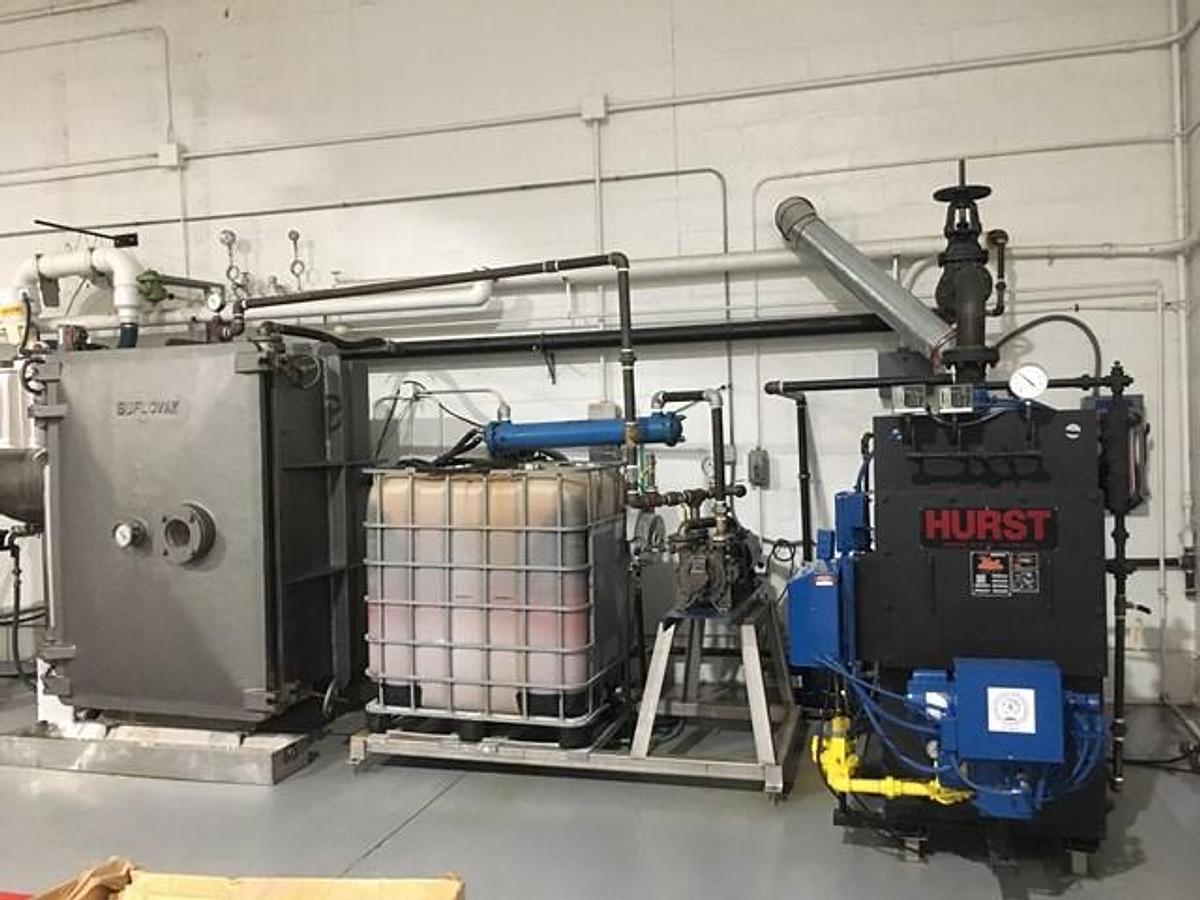
A vacuum shelf dryer is a batch drying system that uses a combination of reduced pressure and heated shelves to remove moisture or solvents from a product without exposing it to high temperatures. The product is spread across trays that rest on hollow shelves through which hot water or steam circulates. Because the drying takes place under vacuum, the boiling point of the liquid being removed is significantly reduced, allowing heat-sensitive materials to be dried at much lower temperatures than would be required in an atmospheric dryer. This makes vacuum shelf dryers particularly valuable in pharmaceutical and specialty chemical applications where product degradation, oxidation, or loss of volatile components at high temperatures is a concern.
Used Buflovak vacuum shelf dryers are often listed by their total shelf area in square feet, which is a direct indicator of batch capacity. A unit with 196 square feet of shelf area, for example, is a substantial industrial system capable of handling meaningful batch volumes. These dryers are also used in food processing for certain specialty ingredients and in chemical manufacturing for products that require solvent recovery during the drying process. Because vacuum shelf dryers involve pressure vessels and vacuum systems, buyers considering used units should pay particular attention to the condition of seals, the vacuum pump, and the shelf heating connections during any pre-purchase inspection.
What payment terms should I expect when buying used Buflovak equipment from a dealer?
Payment practices in the used industrial equipment market are fairly consistent across reputable dealers. In most cases, full payment is required before the equipment is released for shipment. This is standard practice in the industry and applies regardless of the size or value of the transaction. Some dealers may extend payment terms to established customers with a prior purchasing history, but buyers approaching a dealer for the first time should plan for full prepayment as the default expectation. Wire transfer is the most common payment method for transactions of this size, though dealers may also accept other forms of verified funds.
For larger purchases involving significant capital outlay, some buyers work with equipment financing companies that specialize in industrial machinery. These third-party lenders can sometimes facilitate the transaction in a way that allows the buyer to spread the cost over time while the dealer still receives full payment upfront. It is worth asking the dealer whether they have relationships with financing partners if that is a consideration. Regardless of payment method, buyers should ensure they have a clear written agreement covering the machine's description, condition as represented, any included components, and the logistics of pickup or delivery before funds are transferred.