Category
Manufacturer
Model
Bock
Bock offers specialized equipment for the dairy and beverage industries, known for their robust pasteurizers, cheese vats, and process tanks. Their equipment is designed to ensure high hygiene standards, quality control, and energy efficiency. Bock’s solutions enable producers to maintain consistent and safe dairy products, supporting the needs of both artisanal and large-scale processing operations.
FAQ:
What is a Bock basket centrifuge and what is it used for?
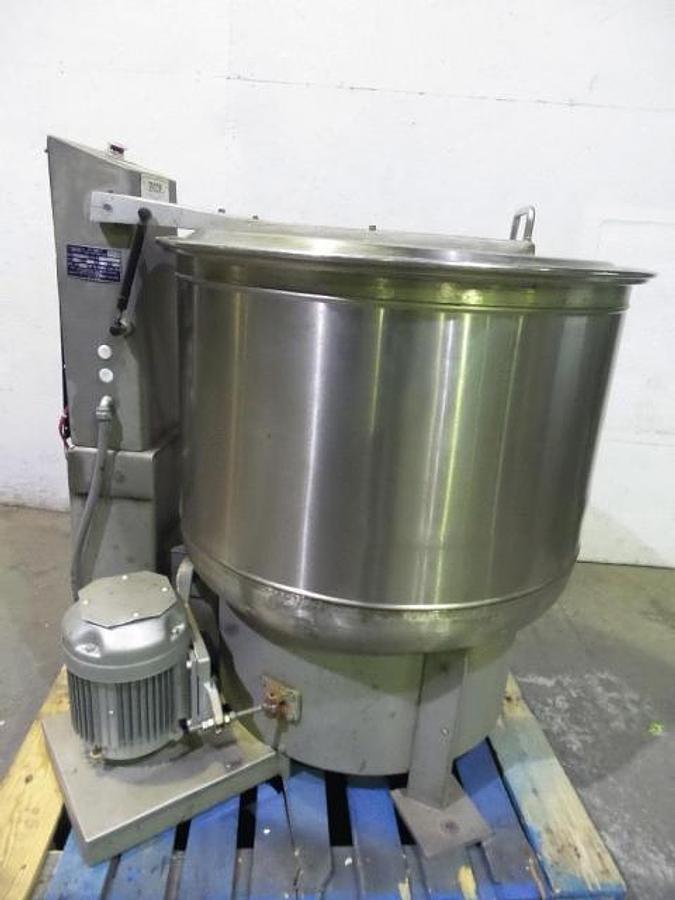
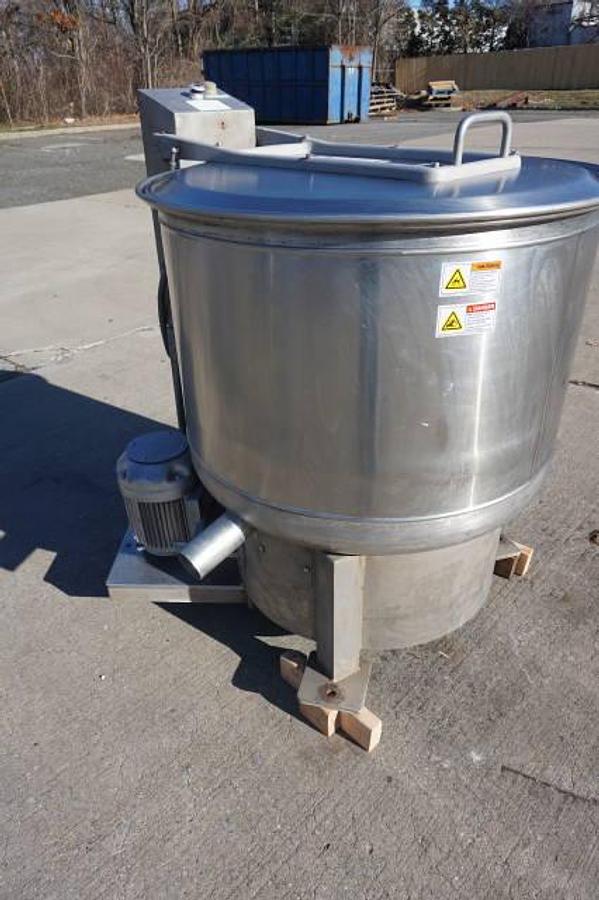
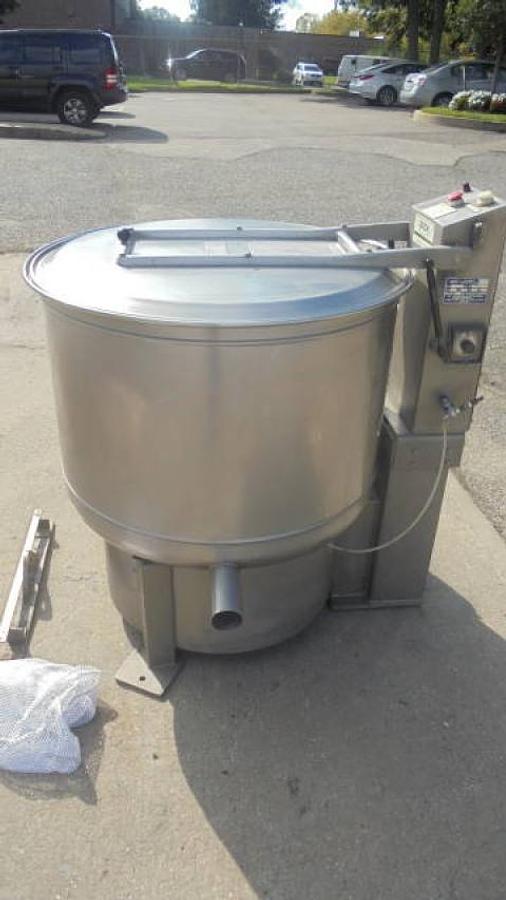
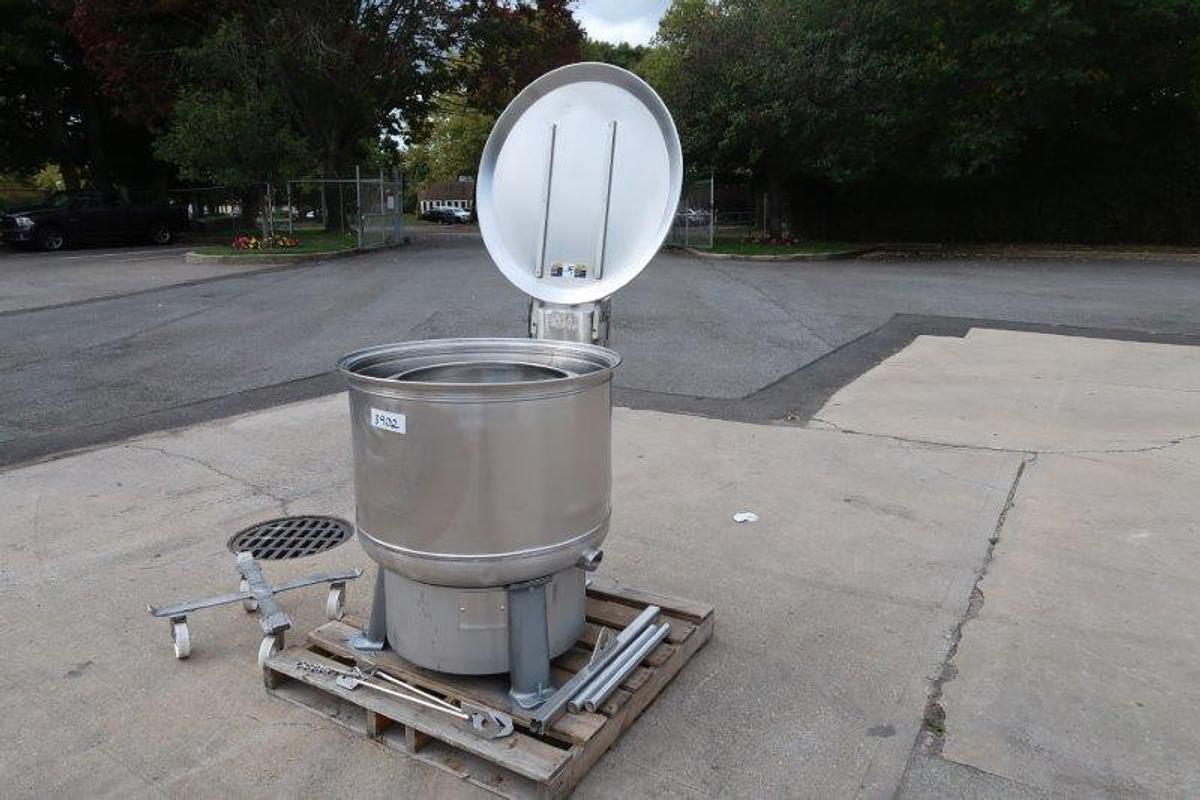
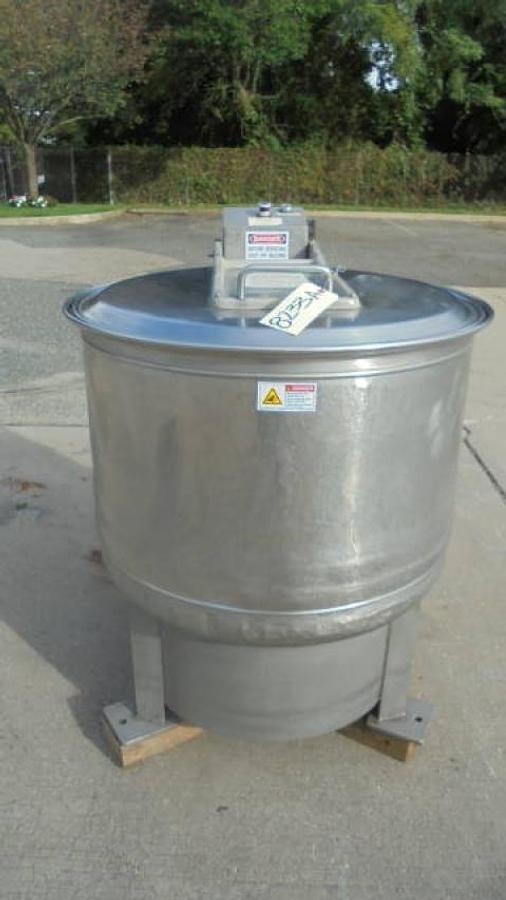
A Bock basket centrifuge is an industrial solid-liquid separation machine produced by Bock, a manufacturer with a strong reputation in food processing and dairy equipment. The machine works by spinning a perforated basket at high speed, using centrifugal force to push liquid through the basket wall while retaining solids inside. This makes it highly effective for separating crystalline, granular, or fibrous materials from their liquid phase in a controlled, repeatable way.
Bock basket centrifuges are particularly well-suited to food processing applications, including dairy production, where hygiene standards and product consistency are non-negotiable. The FP-90 and FP-900 model lines, for example, are designed specifically for food-grade environments, and their stainless steel construction supports the strict cleanliness requirements of those operations. Beyond food and dairy, basket centrifuges of this type also find use in chemical processing, pharmaceutical manufacturing, and similar industries where clean, efficient solid-liquid separation is a core production step.
What industries commonly use Bock basket centrifuges?
Bock basket centrifuges are most closely associated with the dairy and beverage industries, where Bock has built a long track record supplying processing equipment designed around high hygiene standards and energy efficiency. In dairy applications, basket centrifuges are used to separate whey solids, process cheese curds, and handle other separation tasks that require gentle but effective mechanical action without contaminating the product stream.
Beyond dairy and food processing, basket centrifuges in general are widely used across chemical manufacturing, pharmaceutical production, textile processing, and mining operations. Any process that involves separating a solid from a liquid, particularly when the solid is crystalline, granular, or fibrous, is a candidate for basket centrifuge technology. The stainless steel construction common to Bock's food-grade models also makes them attractive in pharmaceutical and specialty chemical environments where corrosion resistance and cleanability are critical requirements.
What models of used Bock basket centrifuges are typically available on the market?
The Bock FP-90 and FP-900 series are among the most commonly encountered models when shopping the used equipment market. The FP-90 is a food processing basket centrifuge typically equipped with a 5 HP motor, and it appears in multiple configurations, including the FP-90-A variant. The FP-900 is a perforated basket centrifuge built in stainless steel, suited to higher-volume or slightly different process requirements than the smaller FP-90 units. Bock also produced 30-inch diameter stainless steel perforated basket centrifuges with 5 HP motors, which represent a physically larger footprint for operations needing greater basket capacity.
Because these machines are sold as used equipment, availability at any given time depends on what has come off production lines and entered the secondary market. It is worth checking with reputable used equipment dealers who specialize in food processing and dairy machinery, as they tend to carry a more curated and relevant selection than general industrial surplus sources. Specifications such as basket diameter, motor horsepower, discharge configuration, and material of construction should all be confirmed directly with the dealer before purchase, since individual units can vary.
What should buyers know about purchasing a used Bock basket centrifuge versus buying new equipment?
Buying a used Bock basket centrifuge can offer significant cost savings compared to sourcing equivalent new equipment, but it requires more diligence on the buyer's part. Used machines are sold as-is, meaning there is no manufacturer warranty backing the purchase. The responsibility for assessing the machine's condition, remaining service life, and suitability for the intended application falls squarely on the buyer. Selecting a dealer who specializes in food processing or dairy equipment, and who has a verifiable track record, is one of the most important risk-reduction steps a buyer can take.
Before committing to a purchase, buyers should request an inspection, either in person, via video call, or through detailed video footage of the machine. Some units may still be installed at an active production facility, which can actually be an advantage since the equipment can be observed running under real conditions. Buyers should also contact Bock or authorized service providers to understand what level of technical support, spare parts availability, and documentation can be expected for the specific model and age of machine they are considering, since older models may have more limited parts support than more recent ones.
What materials are Bock basket centrifuges constructed from, and why does that matter?
Bock basket centrifuges designed for food processing applications are typically constructed from stainless steel, which is the standard material for equipment that contacts food products, dairy streams, or pharmaceutical ingredients. Stainless steel resists corrosion from acidic or saline process streams, is non-porous so it does not harbor bacteria, and can withstand the cleaning chemicals and sanitizing cycles common in regulated production environments. The perforated basket itself, the bowl, and the product-contact surfaces are generally all fabricated from food-grade stainless steel in Bock's FP-series machines.
For buyers evaluating used equipment, the condition of the stainless steel surfaces is an important inspection point. Pitting, cracking, or heavy surface wear on the basket or bowl can affect both hygiene compliance and mechanical performance. Buyers should ask for close-up visual documentation of the basket, seals, and interior surfaces as part of any pre-purchase inspection. For applications outside of food or pharmaceutical processing, such as certain chemical or mining uses, the stainless construction still offers corrosion resistance advantages, though the specific grade of stainless and its compatibility with the process chemistry should be verified before assuming suitability.
How does a perforated basket centrifuge differ from other types of centrifuges?
A perforated basket centrifuge separates solids from liquids by retaining the solid phase inside a spinning basket that has holes or slots through its wall. As the basket spins, centrifugal force drives the liquid outward through the perforations while the solids accumulate as a cake on the inner basket wall. This design is well-suited to processes where recovering a relatively dry solid is the goal, such as separating sugar crystals, cheese curds, or chemical precipitates. The cake can then be discharged manually or automatically depending on the centrifuge configuration.
This differs from solid-bowl or decanter centrifuges, which use a solid rotating bowl and are better suited to continuous processing of fine or difficult-to-filter slurries. Tubular and disc-stack centrifuges, by contrast, are optimized for clarifying liquids or separating two liquid phases rather than producing a dry solid cake. Basket centrifuges tend to be the preferred choice when batch processing is acceptable, when the solid particles are coarse enough to form a stable cake, and when relatively high solids dryness is required from the separation step. Bock's food-processing basket centrifuges are designed with these batch-oriented, solid-recovery applications in mind.
What maintenance does a Bock basket centrifuge require, and are spare parts available for used machines?
Basket centrifuges require routine maintenance focused on bearings, seals, drive components, and the basket itself. Bearings are the most wear-sensitive components given the high rotational speeds involved, and they should be inspected and lubricated or replaced on a schedule appropriate to the machine's duty cycle. Seals and gaskets, particularly in food-grade machines that undergo frequent cleaning cycles, also wear over time and need periodic replacement to maintain hygiene integrity and prevent leaks. The drive belt or coupling, motor, and braking system are additional areas that require regular attention.
For used Bock machines, parts availability depends significantly on the model and its age. Buyers are strongly encouraged to contact Bock or an authorized service network before purchasing a used unit to confirm which components are still available and at what lead times. Older or discontinued models may require sourcing parts from specialty suppliers or fabricating certain components. A dealer who specializes in food processing centrifuges can often provide guidance on known maintenance issues for specific models and may be able to source common wear parts. Getting clarity on parts availability before purchase is one of the most practical ways to avoid costly downtime after the machine is installed.
What should buyers ask about shipping and logistics when purchasing a used Bock basket centrifuge?
Basket centrifuges are heavy, precision machines, and shipping them requires more planning than standard freight. The machine needs to be properly prepared for transit, which typically involves draining all fluids, securing or removing any loose components, and crating or palletizing the unit in a way that protects it from vibration and impact damage. The level of packaging required, and therefore the cost, varies depending on the size of the machine and the shipping distance. Buyers should ask the dealer specifically how the machine will be packaged and what that preparation includes.
Larger centrifuges may require specialized rigging equipment for loading at the origin and unloading at the destination, which adds to the total landed cost. Buyers should request a fully itemized shipping quote that covers rigging, crating, freight, and any required permits for oversized loads before finalizing their purchase decision. International shipments add customs documentation and import duties to that calculation. Understanding the complete landed cost, not just the machine price, is essential for accurate budget planning when buying used industrial equipment.
What payment terms are typical when buying used industrial centrifuges from equipment dealers?
Most used equipment dealers require full payment before a machine is released for shipment. This is standard practice in the secondary equipment market and reflects the fact that used machinery transactions do not carry the same financing infrastructure as new equipment sales. Buyers should expect to pay in full prior to the machine leaving the dealer's facility or the seller's plant, and should factor this into their cash flow planning, particularly for higher-value centrifuge purchases.
Some dealers may offer extended terms or payment flexibility to buyers with whom they have an established purchasing history, but this is not the norm for first-time transactions. Wire transfer is the most common payment method for used industrial equipment. Buyers who are unfamiliar with a particular dealer should take steps to verify the dealer's reputation and track record before sending funds, including checking references, reviewing their history in the industry, and confirming that the equipment exists and matches its description through inspection before payment is finalized.
How can buyers inspect a used Bock basket centrifuge before purchasing?
Reputable used equipment dealers typically offer several inspection options: in-person visits to the dealer's facility, live video inspections conducted via video call, or detailed pre-recorded video walkthroughs of the machine. The goal of any inspection is to get an accurate picture of the machine's current mechanical condition, the state of its wear components, and whether it matches the listed specifications. Buyers should request footage or live views of the basket interior, motor, drive system, seals, and any control panel or instrumentation included with the unit.
In some cases, the centrifuge may still be installed and operating at a production facility, in which case the dealer can arrange an inspection at that location. Observing the machine running under production conditions is particularly valuable because it allows the buyer to assess vibration, noise, and basic operational function firsthand. However, buyers should understand that most equipment dealers are not set up to run product trials or full performance tests, as operating a production machine requires facility permits and resources that a dealer typically does not have. The inspection is meant to confirm mechanical condition and physical integrity, not to replicate a full production run.