Category
Manufacturer
Model
Blentech
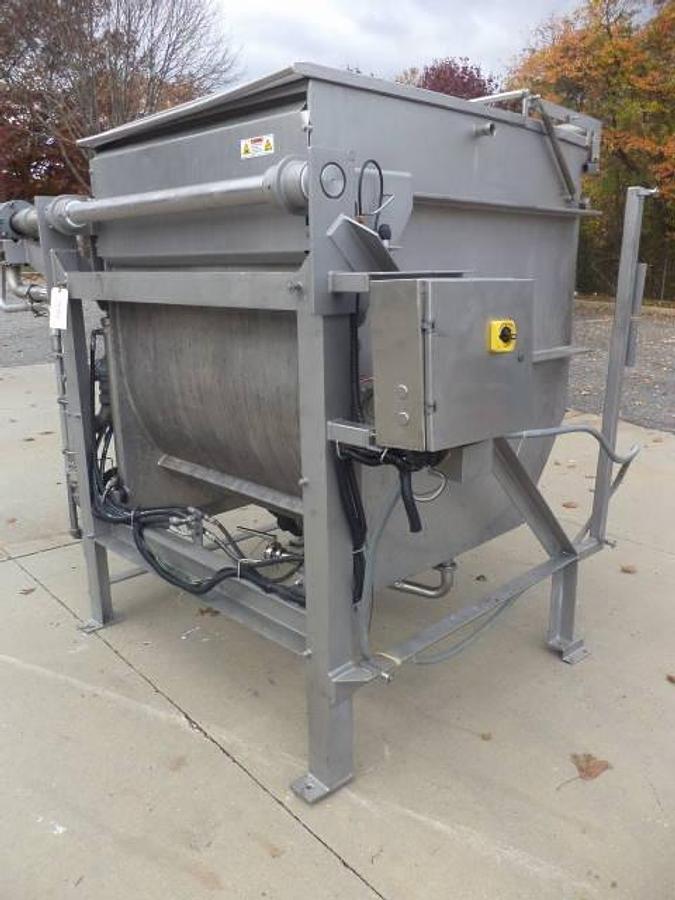
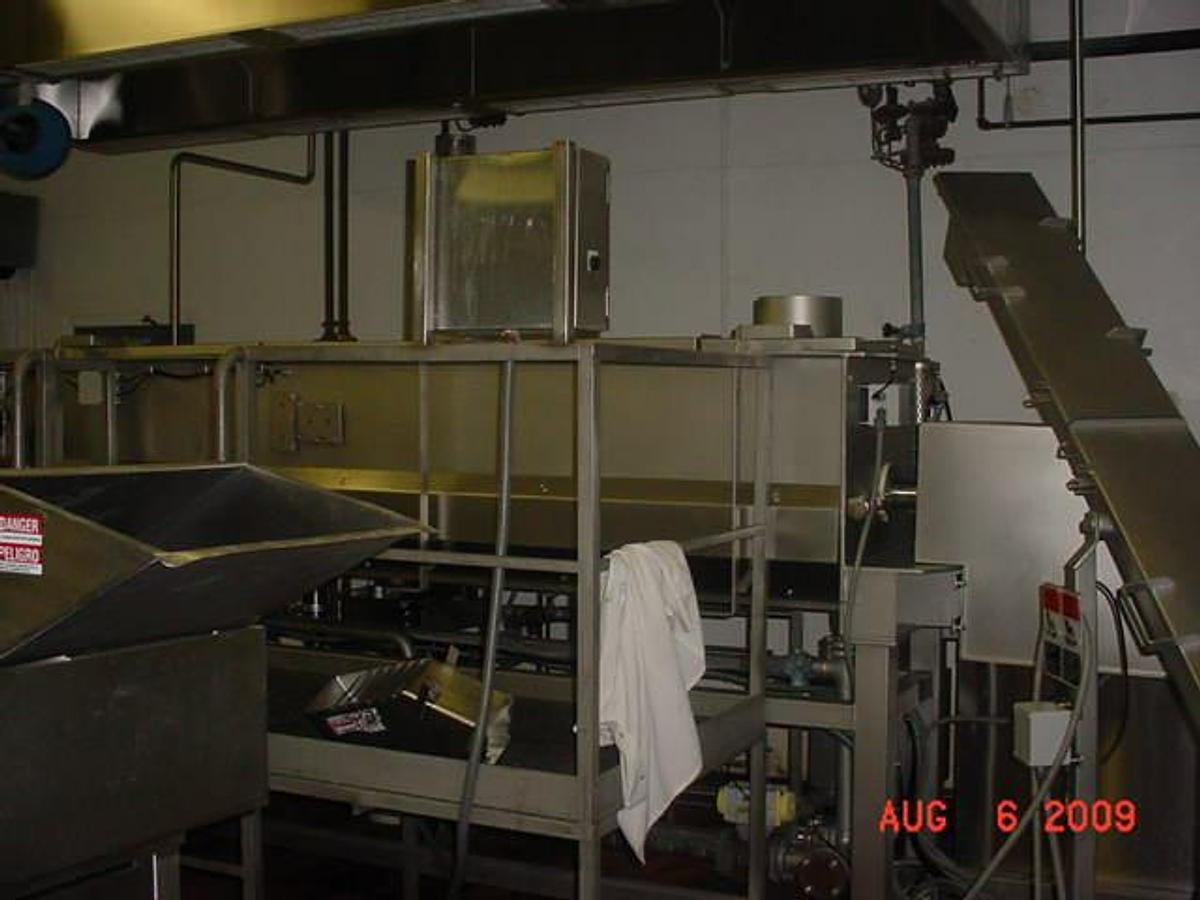
Blentech is a pioneer in designing processing systems for the food industry, known for their advanced cooking and mixing equipment tailored to a myriad of food products. Their solutions include continuous vacuum cookers, steam jacketed kettles, and blending tanks that are optimized for safety, efficiency, and product quality. Blentech’s expertise aids in the production of consistent, high-quality foods while optimizing energy and resource use.
FAQ:
What types of Blentech food processing equipment are commonly available on the used market?
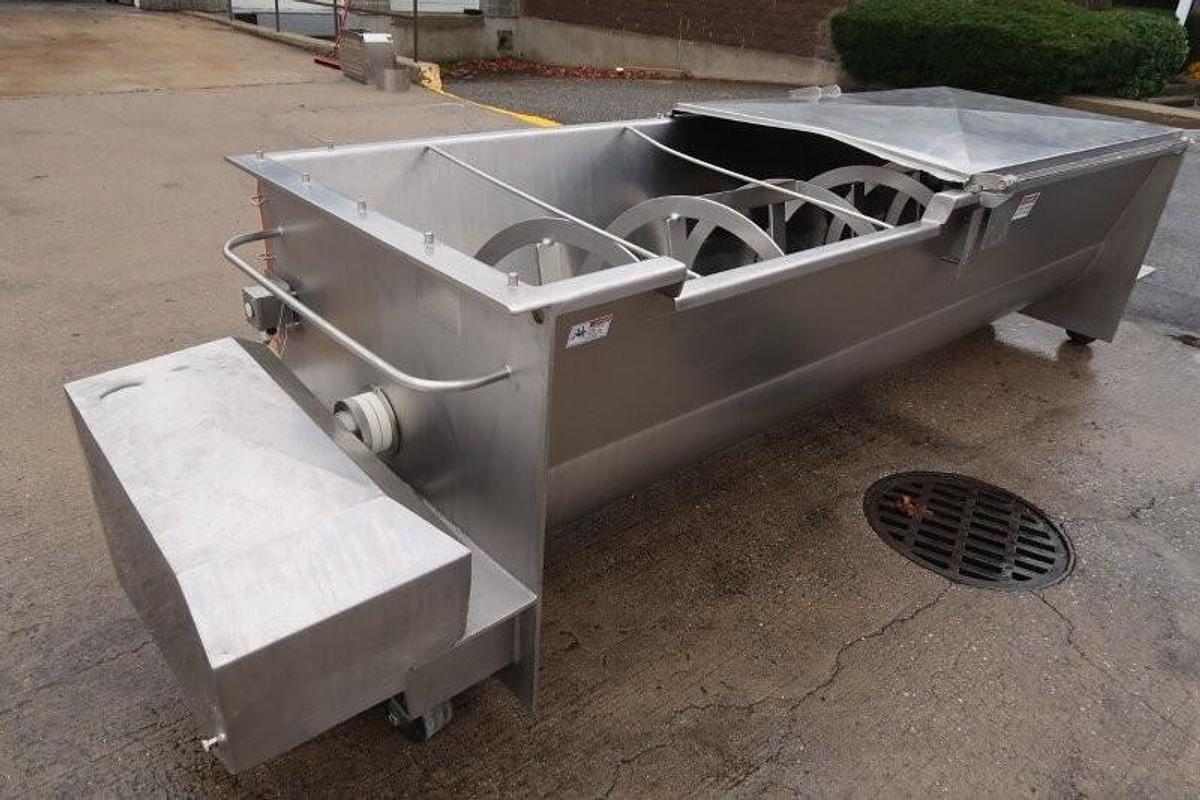
Blentech produces a range of thermal processing and mixing systems that show up regularly on the used equipment market. The most frequently available machines include continuous vacuum cookers, steam jacketed kettles, ribbon blenders, and multi-function continuous cookers like the Blentech Continutherm, which combines cooking, cooling, and mixing in a single unit. Blending tanks, horizontal cookers, and portable ribbon blenders are also common finds, and these machines are built from heavy-duty stainless steel, which means they tend to hold up well even after years of production use.
Blentech built its reputation in high-volume food manufacturing, so most of their equipment is designed for serious production environments rather than small-scale operations. When browsing used listings, buyers will often find machines that were previously deployed in protein processing plants, prepared foods facilities, and commercial kitchens. Each listing typically includes the model, key specifications like cubic footage or vessel capacity, and photos of the current condition, which gives buyers a reasonable starting point for evaluating whether a particular machine fits their needs.
What food products and industries is Blentech equipment best suited for?
Blentech has a particularly strong track record in protein processing, covering beef, pork, poultry, seafood, and increasingly, plant-based meat alternatives. Their continuous cookers and steam jacketed kettles are well-suited for applications like sous vide cooking, marinating, tumbling, sauce production, and large-scale blending of seasoned or sauced proteins. The equipment is also used in prepared foods manufacturing, where consistent cook temperatures and mixing uniformity are critical to product quality and food safety compliance.
Beyond proteins, Blentech systems are used in the production of soups, stews, gravies, pet food, and other thermally processed products that require precise temperature control and thorough mixing. Their ribbon blenders, for example, work across dry and semi-moist applications, making them useful in spice blending, dry rubs, and ingredient premixing. Because the equipment is built to food-grade stainless steel standards and designed with cleanability in mind, it fits naturally into USDA and FDA-regulated production environments. Buyers from a wide range of food segments, from contract manufacturers to private label producers, regularly seek out Blentech machines for this reason.
What should buyers know about purchasing used Blentech equipment instead of sourcing directly from the manufacturer?
Buying used Blentech equipment offers a meaningful cost advantage compared to sourcing equivalent capacity through a manufacturer, often at a fraction of the price for machines that still have significant useful life remaining. Blentech builds to heavy-duty commercial standards, and stainless steel construction means the core structure of most machines ages well. That said, buying used shifts the responsibility of due diligence entirely to the buyer. Used equipment is typically sold as-is, so the condition of motors, seals, heating elements, and control systems needs to be assessed before purchase rather than assumed.
The most important step a buyer can take is working with a reputable used equipment dealer that specializes in food processing machinery and has a verifiable track record. Dealers who focus on the food processing segment understand how Blentech machines are used, what wear patterns to look for, and how to represent condition accurately. Buyers should also contact Blentech directly to understand what parts and technical support are available for the specific model and production year they are considering, since older or discontinued models may have more limited support than recent ones. Going in with that information makes it much easier to assess the true long-term cost of a used purchase.
Does used Blentech equipment come with a warranty?
Warranties on used food processing equipment work differently than they do on equipment purchased directly from a manufacturer. Manufacturer warranties are tied to the sale of equipment and generally do not transfer to subsequent owners. Used equipment dealers typically sell machinery on an as-is basis, meaning no warranty is implied or provided. This is standard practice across the used industrial equipment market, not specific to Blentech or any particular dealer.
Because there is no warranty safety net, buyers carry the full responsibility of inspecting equipment before committing to a purchase. This makes the inspection process especially important. Reputable dealers will accommodate in-person inspections, video walkthroughs, or video captures of the equipment so buyers can evaluate condition thoroughly. Before finalizing a purchase, it is also worth contacting Blentech directly to ask about parts availability and service support for the specific model in question. Age and model generation can affect how much manufacturer support remains available, and knowing that upfront helps buyers make a more informed decision about the long-term viability of the machine.
How should buyers inspect used Blentech equipment before purchasing?
A thorough inspection is the most important step in any used food processing equipment purchase, and Blentech machines are no exception. Reputable dealers typically offer buyers the option of an in-person inspection, a live video walkthrough, or recorded video footage of the machine. If the equipment is still installed at a production facility, it may be possible to arrange an inspection at the plant itself, where the machine might still be running in production or recently decommissioned. Seeing the equipment in its actual environment gives a much clearer picture of its operating condition than photos alone.
During an inspection, buyers should pay close attention to the condition of the stainless steel vessel or housing, the state of seals and gaskets, the functionality of heating or cooling jackets, and the condition of any drive motors or gearboxes. Control panels and automation components deserve particular scrutiny, since electrical and controls work can be expensive to repair or replace. One thing to keep in mind is that most equipment dealers do not have the permits or production infrastructure to run actual food through the machine during an inspection. What buyers can typically verify is mechanical operation, not full production output. Factoring in a budget for any necessary reconditioning after purchase is a reasonable approach when buying used equipment of any kind.
What is the typical price range for used Blentech food processing equipment?
Pricing for used Blentech equipment varies considerably depending on the machine type, capacity, age, and condition. Smaller portable ribbon blenders or individual kettles can fall in a lower price range, while large-scale continuous cookers like the Continutherm or sizable horizontal jacketed cookers represent a significantly higher investment. As a general frame of reference, used commercial food processing equipment of this caliber can range from tens of thousands of dollars for smaller standalone units to well over one hundred thousand dollars for large, complex continuous processing systems.
The best way to get accurate pricing is to request quotes directly from dealers listing specific machines, since condition and included components (controls, stands, ancillary parts) can shift the value significantly. Buyers should also factor in the full landed cost, which includes shipping, rigging, and any crating or palletization required to move the equipment safely. For large Blentech systems, heavy-duty rigging for loading and unloading can add meaningful cost beyond the purchase price. Getting a clear picture of total acquisition cost before committing helps avoid surprises after the sale.
What are the shipping and logistics considerations when buying used Blentech equipment?
Blentech food processing equipment tends to be heavy, often built from thick-gauge stainless steel, and some units are quite large. This makes shipping logistics a meaningful part of the total purchase cost. Machinery should be properly packaged to prevent damage in transit, and the level of packaging required, whether standard palletization or full crating, will affect the shipping cost. Buyers should ask the dealer specifically what packaging is included in the quoted price and what, if anything, falls outside of it.
For larger machines like continuous cookers or full-size ribbon blenders, heavy-duty rigging is typically required for both loading at the dealer's location and unloading at the buyer's facility. Rigging costs are usually separate from the base shipping charge and should be confirmed upfront. Buyers who have not arranged equipment moves of this scale before may benefit from working with a freight broker or third-party rigger experienced in industrial machinery. Getting a full breakdown of packaging, rigging, freight, and any applicable fuel surcharges before finalizing the purchase ensures there are no surprises when the machine arrives.
Is parts availability a concern when buying older used Blentech equipment?
Parts availability is a legitimate factor to evaluate before purchasing any used food processing equipment, and Blentech machines are no different. Blentech is an established U.S.-based manufacturer with a history in continuous and batch thermal processing, which generally works in the buyer's favor. However, the availability of parts, technical support, and service documentation can vary depending on the age of the machine and whether the model is still in active production or has been discontinued.
The most direct way to get clarity on this is to contact Blentech with the model number and approximate production year before completing a purchase. They can advise on what replacement parts are stocked or available to order, whether documentation exists for that model, and what level of technical support a buyer can realistically expect. Wear items like seals, gaskets, agitator components, and heating elements are often the first things to need replacement, so knowing those are available before buying is worth the effort. For machines with proprietary controls or automation systems, it is also worth asking whether the controls are still supported or whether a retrofit might eventually be necessary.
What sanitation and cleaning requirements apply to Blentech food processing equipment?
Blentech equipment is built with food-grade stainless steel construction, which is the standard material for commercial food processing machinery that must withstand repeated cleaning, sanitizing, and exposure to food acids, marinades, and cleaning chemicals. Stainless steel resists corrosion and bacterial adhesion better than most alternatives, and the smooth, crevice-minimizing designs common in Blentech equipment are intended to support cleanability in regulated production environments. Most Blentech machines are designed for use in USDA and FDA-regulated facilities, and their construction reflects those requirements.
For buyers acquiring used Blentech equipment, it is worth inspecting the interior surfaces, welds, and any gaskets or seals carefully during the pre-purchase inspection. Worn or damaged seals can create harborage points that complicate sanitation, and pitted or corroded stainless can be difficult to clean to regulatory standards. On a used machine, these are the areas most likely to show wear from years of production and cleaning cycles. Reconditioning work like seal replacement or surface polishing is often straightforward, but knowing the scope of that work before purchase helps buyers budget accurately and avoid compliance issues once the equipment is back in production.
What payment terms should buyers expect when purchasing used Blentech equipment from a dealer?
Payment practices in the used industrial equipment market are fairly consistent across dealers. Most require payment in full before the equipment is released for shipping. This protects the dealer and ensures the transaction is complete before the machine leaves their facility or the seller's plant. Wire transfer is the most common payment method for transactions of this size, though some dealers may accept other forms depending on the relationship and the purchase amount.
Buyers who have an established history with a particular dealer may occasionally be offered extended payment terms, but this is not standard practice and is handled on a case-by-case basis. For first-time buyers, full payment upfront is the norm. It is worth asking the dealer about their specific payment process early in the conversation so there are no delays once a purchase decision is made. Buyers financing the acquisition through a third-party lender should also confirm the dealer's requirements around payment timing, since lender disbursement timelines can sometimes complicate a straightforward transaction if not coordinated in advance.