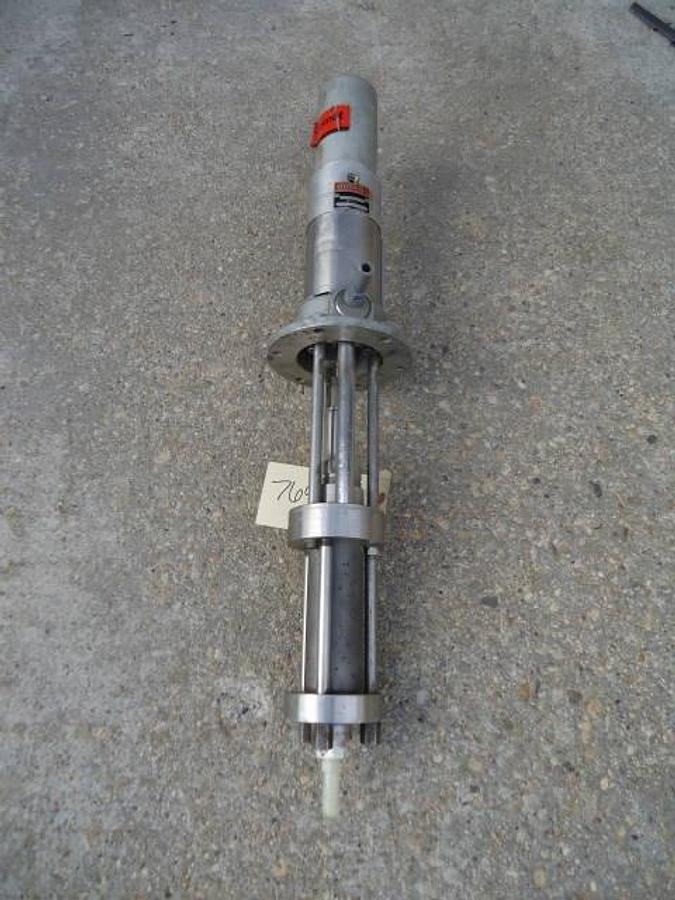
Category
Subcategory
Manufacturer
Model
Binks
Binks has established a reputation in the manufacturing sector for their advanced spray finishing and paint application equipment. Catering primarily to the automotive and industrial coatings industries, Binks is renowned for their state-of-the-art spray guns, fluid handling pumps, and related accessories. Their equipment is designed to deliver precision and efficiency, ensuring superior finishes for vehicles, machinery, and other industrial products.
FAQ:
What types of Binks spray finishing equipment are commonly available on the used market?
Binks has built out a broad product line over its long history, so buyers shopping the used market will typically find a wide range of equipment types. The most common categories include HVLP (High Volume Low Pressure) spray guns, conventional air spray guns, airless sprayers, pressure feed systems, plural component equipment, and fluid handling pumps such as air-operated drum pumps. Accessories like pressure pots, regulators, and fluid handling components also surface regularly. Popular product lines like the Binks Mach 1 and Trophy series tend to appear frequently because they were widely adopted across automotive refinishing shops, industrial manufacturing facilities, and woodworking operations.
Buyers should pay attention to the specific model and configuration when evaluating used Binks equipment, since the product line spans everything from entry-level production guns to heavy-duty industrial finishing systems. A spray gun designed for waterborne automotive coatings, for example, will have different fluid tip and needle specifications than one built for high-viscosity industrial enamels. Consulting the manufacturer's documentation for a given model is a practical way to confirm the equipment's intended application before committing to a purchase.
What is the difference between Binks HVLP and conventional spray guns?
The core difference comes down to how each type atomizes coating material. Conventional air spray guns operate at higher atomizing air pressures, typically above 10 PSI at the air cap, which produces a very fine, consistent mist. This makes conventional guns popular for high-gloss automotive finishes and lacquers where an exceptionally smooth result is the priority. The tradeoff is lower transfer efficiency, meaning a larger percentage of the coating material becomes overspray rather than landing on the target surface. Binks has manufactured highly regarded conventional guns for well over a century, and used examples remain sought after in automotive and industrial finishing environments.
HVLP guns, by contrast, use a high volume of air delivered at low pressure (typically 10 PSI or less at the air cap) to atomize the coating. This dramatically improves transfer efficiency, often reaching 65 percent or higher, which reduces material waste and lowers overall coating costs on production runs. Binks HVLP models have been widely adopted in woodworking shops, furniture manufacturing, and facilities subject to VOC regulations that reward high transfer efficiency. For buyers evaluating used Binks equipment, understanding which technology suits their specific coating, substrate, and production environment is an important first step before selecting a model.
What industries and applications are Binks spray finishing systems used for?
Binks equipment has been in continuous industrial use since the company was founded in 1890, and that longevity reflects how broadly applicable their spray finishing systems are. The most prominent industries include automotive refinishing, where Binks spray guns have long been a standard tool in body shops for applying basecoats, clearcoats, and primers. Industrial manufacturing facilities use Binks pressure feed systems and plural component equipment for coating metal fabrications, heavy machinery, agricultural equipment, and structural steel. Woodworking and furniture production operations rely on Binks HVLP guns for applying lacquers, stains, and waterborne finishes to cabinetry and millwork.
Beyond those core markets, Binks equipment also appears in general maintenance painting, aerospace component finishing, and marine coatings applications. The diversity of the product line, from lightweight production spray guns to high-capacity drum pumps and plural component systems, means that used Binks equipment can serve both small custom shops and large-scale manufacturing lines. Buyers sourcing used equipment should identify which specific application they need to support, since a gun optimized for fine furniture lacquer will have different specifications than a system designed for two-component epoxy coatings in an industrial plant.
What air compressor requirements do Binks spray guns need to operate properly?
Air supply requirements vary considerably across the Binks product line, so there is no single answer that applies to every model. Conventional Binks spray guns typically require a compressor capable of delivering between 8 and 15 CFM (cubic feet per minute) at the rated operating pressure, which usually falls in the 40 to 60 PSI range at the gun inlet. HVLP models move a higher volume of air at lower pressure, and some turbine-driven HVLP systems have their own dedicated air source rather than relying on a shop compressor. Operators running multiple guns simultaneously on a production line will need to size their compressor to meet the combined CFM demand of all active guns, plus a buffer for pressure drop across hose runs.
For used Binks equipment specifically, buyers should locate the technical specification sheet for the model they are purchasing and verify that their existing air supply infrastructure can meet those requirements. An undersized compressor will cause pressure drops that result in poor atomization, inconsistent patterns, and uneven finishes. Hose diameter and length also affect delivered pressure, so longer runs may require upsizing the supply hose. Reputable used equipment dealers can often provide model documentation or point buyers toward manufacturer resources to confirm air supply compatibility before the equipment ships.
What materials can be sprayed with Binks finishing equipment?
Binks spray systems are designed to handle a wide spectrum of coating materials, which is part of why the brand has maintained a presence across so many industries. Common materials include solvent-based lacquers, nitrocellulose finishes, alkyd enamels, epoxy primers, urethane topcoats, and two-component catalyzed systems. Waterborne coatings, which have become increasingly common due to VOC regulations, are also compatible with many Binks models, though waterborne materials typically require stainless steel or other corrosion-resistant fluid passages to prevent degradation of the gun's internal components over time.
Higher-viscosity materials like gel coats, textured coatings, and some industrial primers may require pressure feed setups, larger fluid tips, or dedicated airless or plural component systems rather than a standard gravity or siphon feed gun. Buyers evaluating used Binks equipment should confirm that the fluid tip size, needle, and air cap configuration of a specific unit are appropriate for the material they plan to spray. These components are often interchangeable within a given gun model, but it is worth verifying availability of the correct tip set for the intended application, especially with older or discontinued models.
What should buyers inspect when purchasing used Binks spray equipment?
Buying used spray finishing equipment requires a more hands-on evaluation approach than purchasing off a shelf. The most critical areas to inspect on a used Binks spray gun or fluid handling system include the condition of the fluid tip and needle (look for wear, scoring, or corrosion), the air cap (check for damage to the horn holes that would disrupt the spray pattern), the needle packing and fluid seal (worn packings cause leaks and inconsistent material flow), and the trigger mechanism (it should move freely without sticking or excessive play). On larger systems like pressure pots or drum pumps, inspect the fluid passages, seals, and any hose connections for signs of chemical degradation or cracking.
Reputable used equipment dealers will typically accommodate in-person inspections at their facility, or offer video walkthroughs that document the machine's current condition. Some equipment may still be installed in an operating production environment, which allows for a more complete assessment of working order. Keep in mind that most dealers are not set up to run actual coating tests with production materials, since that would require permits and infrastructure beyond what a resale operation typically maintains. Buyers should also contact Binks directly to confirm parts availability for the specific model under consideration, since support and parts access can vary depending on the age and production status of a given product line.
How does buying used Binks equipment compare to buying a brand-new spray system?
The primary advantage of buying used Binks equipment is cost. A well-maintained used Binks spray gun or pressure feed system can be acquired for a fraction of what an equivalent current-production unit would cost, which makes used equipment an attractive option for shops looking to expand capacity, replace a worn unit, or equip a secondary production line without a large capital outlay. Binks equipment is also known for being built to last, so older units in good condition can still deliver reliable performance for years of continued use. The brand's long history means that many models have a well-documented track record, and experienced finishers often have strong preferences for specific older Binks guns that they consider superior to later alternatives.
The tradeoffs are worth understanding clearly. Used equipment is sold as-is, which shifts the inspection and evaluation responsibility to the buyer. There are no manufacturer warranties on used machines, so buyers need to do their homework on the condition of the unit before purchasing. Parts availability can also be a consideration with older models, and it is worth checking with the manufacturer before buying to understand what service support exists for a particular model. Selecting a used equipment dealer with a solid track record and industry-specific expertise helps reduce the risk, since experienced dealers tend to represent equipment more accurately and are better positioned to answer technical questions about the machines they sell.
What is the price range for used Binks spray finishing equipment?
Pricing on used Binks equipment spans a wide range depending on the type of equipment, its age, condition, and configuration. Individual spray guns, such as used Binks conventional or HVLP production guns, can sell anywhere from a few hundred dollars for a basic siphon feed model up to several hundred dollars or more for a well-preserved professional-grade gun with a full complement of fluid tips and accessories. Pressure feed systems, plural component equipment, and larger fluid handling systems like drum pumps command higher prices, often running into the thousands of dollars depending on capacity and complexity.
Buyers should factor in more than just the purchase price when calculating the total cost of acquiring used spray equipment. Shipping, palletization or crating, and any rigging required for heavier systems add to the landed cost. If the equipment needs reconditioning, replacement seals, or new fluid tips before it is production-ready, those costs should be estimated in advance. Requesting a detailed quote from the dealer that breaks out equipment price, packaging, and freight separately is a practical way to get an accurate picture of total acquisition cost before committing to a purchase.
How is used Binks spray equipment typically shipped, and what should buyers expect for freight costs?
Shipping spray finishing equipment requires careful packaging to prevent damage in transit, and the level of protection needed varies with the size and fragility of the equipment. Individual spray guns and smaller accessories are typically palletized and shrink-wrapped, while larger systems like pressure pots, drum pumps, or multi-component finishing units may require custom crating to protect fluid passages, gauges, and other precision components from impact damage. The cost of packaging is generally passed on to the buyer and will vary based on the materials and labor involved in preparing the shipment properly.
For heavier or bulkier equipment, loading at the dealer's facility may require a forklift or other rigging equipment, and unloading at the destination can be an additional cost if the buyer's facility is not equipped with a loading dock or lift gate. Buyers should ask the dealer for a complete breakdown of packaging, rigging, and freight charges before finalizing a purchase so there are no surprises in the total landed cost. Most used equipment dealers require full payment prior to shipment, though some may offer terms to repeat customers with an established purchase history. Getting all shipping details in writing before the transaction closes is a straightforward way to protect both parties.
Can replacement parts and accessories be sourced for used Binks spray guns?
Parts availability is one of the more practical considerations when buying used Binks equipment, and the answer varies by model. Binks has been manufacturing spray finishing equipment since 1890, and the brand has gone through several ownership changes and product line updates over the decades. For many of the more widely used production models, fluid tips, needles, air caps, packings, and trigger components remain available through authorized Binks distributors and industrial finishing supply houses. The Mach 1 and Trophy series, for example, have had broad enough adoption that parts tend to be reasonably accessible.
For older or discontinued models, parts availability can be more limited, and buyers should verify what is in stock before purchasing a used unit that may need reconditioning. Contacting the manufacturer directly is the most reliable way to get accurate information on what service parts exist for a specific model and serial number range. Some dealers who specialize in spray finishing equipment will also be able to advise on parts availability based on their experience with similar machines. Going into a used equipment purchase with a clear picture of parts access helps avoid situations where a capable machine sits idle because a worn seal or tip set cannot be sourced.