Category
Manufacturer
Model
Bartelt
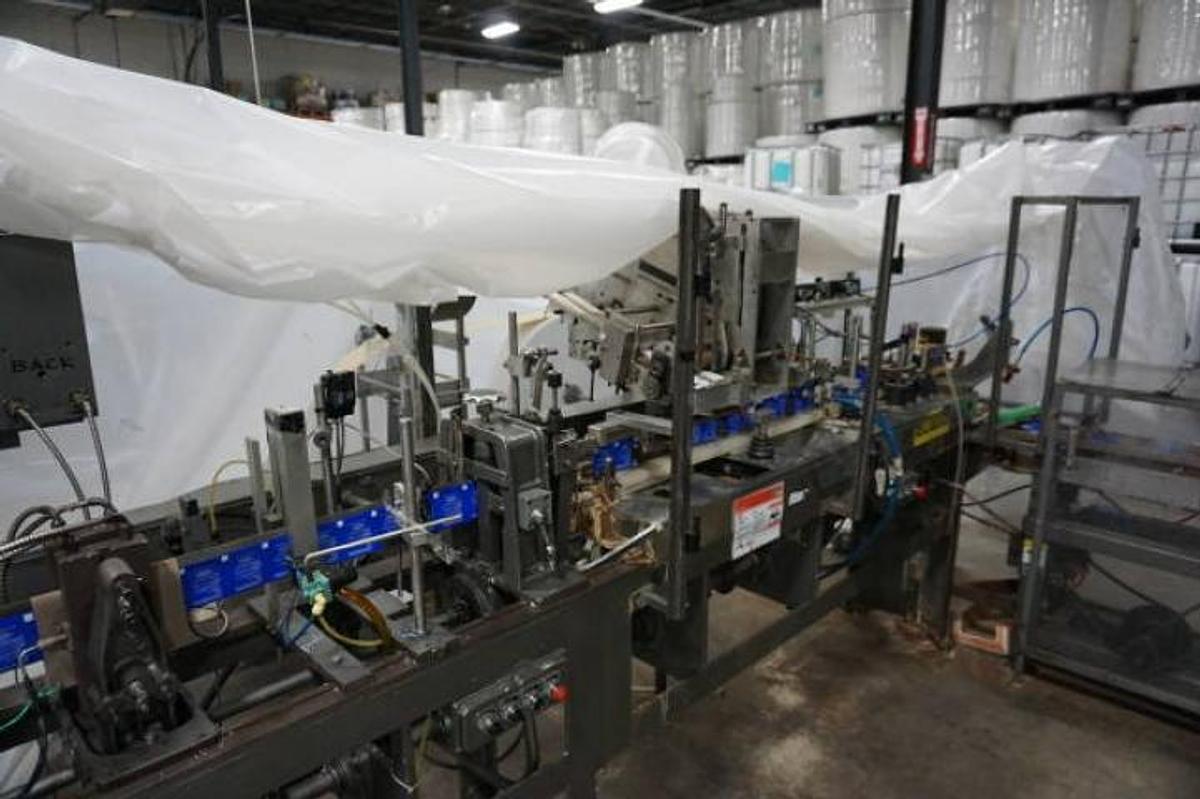
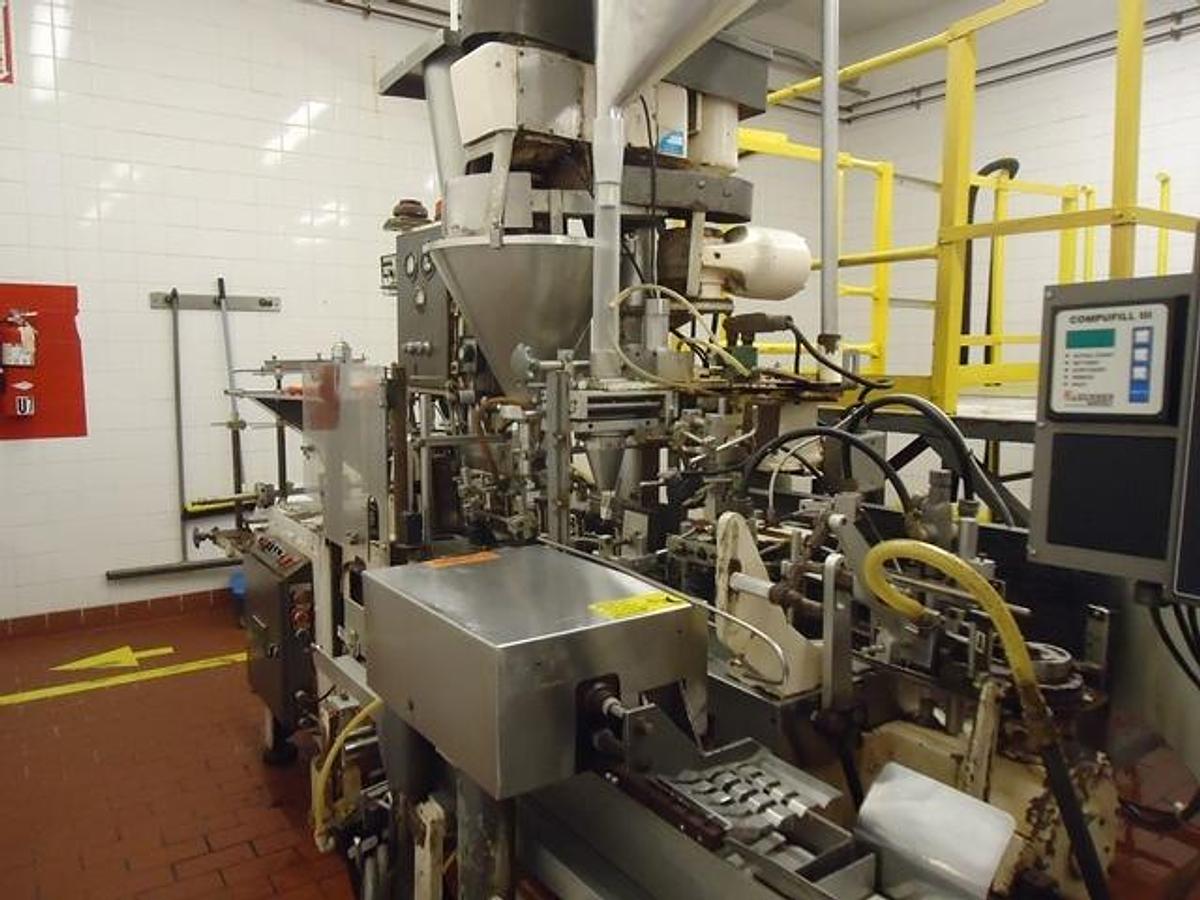
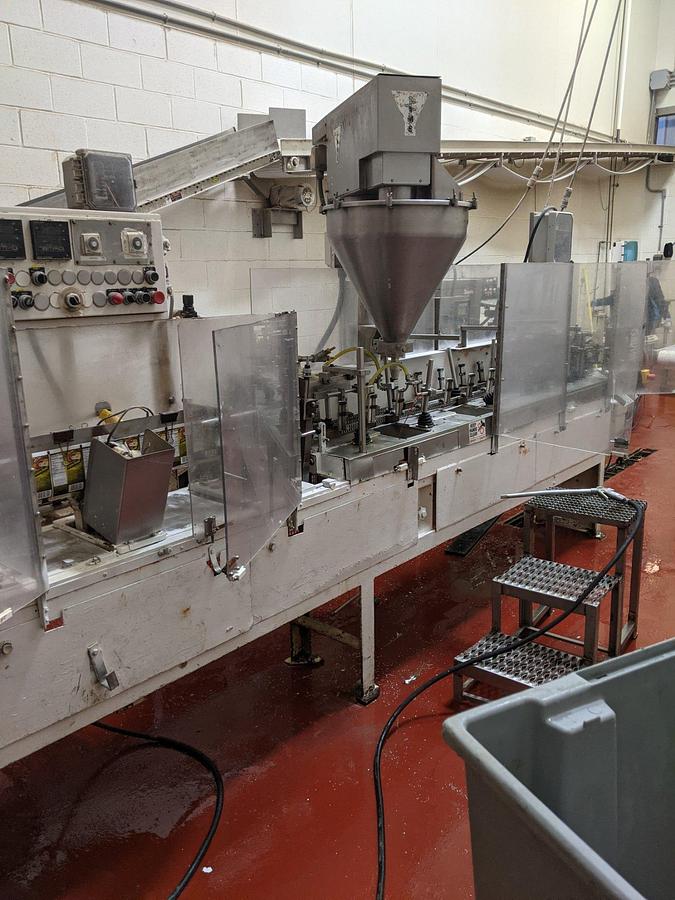
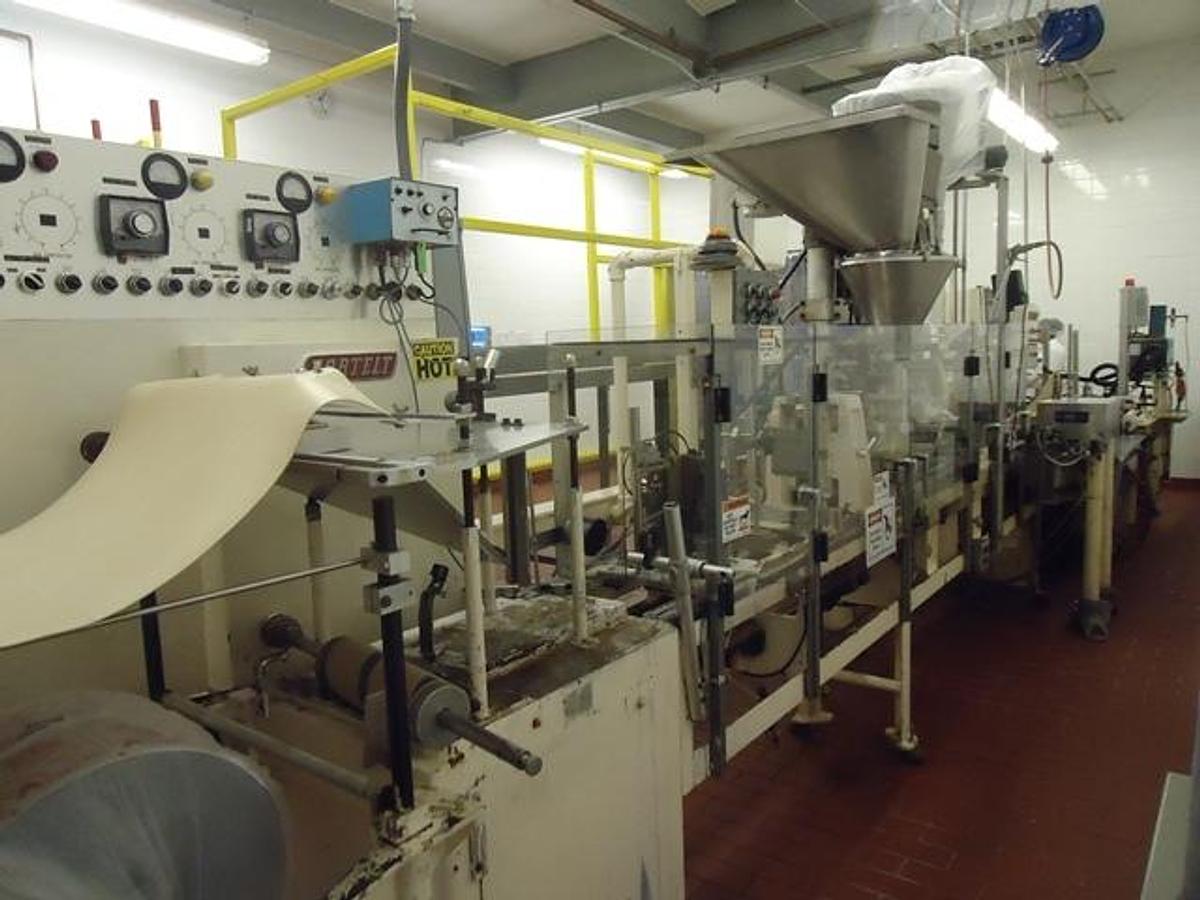
Bartelt is recognized for its high-performance packaging machinery, serving industries such as food, personal care, and pharmaceuticals. The company is known for its horizontal form fill and seal (HFFS) machines which provide efficient packaging solutions tailored to the industry’s needs. Bartelt’s advanced technology is designed for precision and speed, making them a trusted name in reliable packaging systems.
FAQ:
What types of packaging does Bartelt machinery support?
Bartelt machinery is primarily known for horizontal form-fill-seal (HFFS) technology, which supports a wide range of flexible pouch formats. This includes flat pouches, stand-up pouches, zipper pouches, and specialty formats like wet wipe sachets and towelette packaging. The IM-series machines, which are among the most commonly traded models on the secondary market, are designed to handle both dry and wet product fills, making them adaptable across a broad range of packaging applications.
Beyond basic pouch styles, Bartelt equipment is frequently paired with hot melt cartoners and auger filling systems to create complete packaging lines. This flexibility is a big reason why the brand remains in demand across the food, personal care, and pharmaceutical industries. Buyers sourcing used Bartelt machinery should confirm which pouch formats and fill types a specific machine is configured for, as changeover tooling and format parts may or may not be included with the sale.
What industries commonly use Bartelt packaging equipment?
Bartelt packaging machinery has found strong adoption across several industries where flexible pouch packaging is the preferred format. Food and snack manufacturers, coffee producers, pet food companies, and nutraceutical brands are among the most common users. The pharmaceutical and personal care sectors also rely heavily on Bartelt equipment, particularly for wet wipe and towelette applications where the IM7-14 platform is well suited.
The brand's reputation for precision and speed at the machine level has made it a go-to choice for production environments that require consistent output across high-volume runs. On the used equipment market, machines from these industries frequently become available as production lines are updated or facilities are consolidated, giving buyers access to equipment that has often been well-maintained in regulated manufacturing environments.
What is the difference between Bartelt horizontal form-fill-seal and rotary pouch machines?
Bartelt's horizontal form-fill-seal (HFFS) machines create pouches from a flat roll of film by forming, filling, and sealing in a continuous horizontal motion. This approach is well suited for products that need to be deposited into the pouch from the top or side during the forming process, and it tends to work efficiently with both liquid and dry fills. The IM-series machines are the most recognized example of this platform and are widely available on the secondary market.
Rotary pouch machines, such as the IMR series, take a different approach by using pre-made pouches that are loaded onto a rotating carousel. Each station on the carousel performs a separate function, such as opening, filling, and sealing. This format is often preferred when working with stand-up pouches or when the product requires more precise filling control. Both machine types have distinct tooling and changeover requirements, so buyers evaluating used Bartelt equipment should clarify which platform fits their production needs before purchasing.
What production speeds can I expect from used Bartelt packaging equipment?
Production speed on Bartelt machinery varies depending on the specific model, the pouch format being run, and the condition of the machine. Generally speaking, Bartelt HFFS machines are capable of producing anywhere from 40 to over 150 pouches per minute under optimal conditions. Higher-end models and those configured for simpler pouch formats tend to reach the upper end of that range, while machines handling more complex fills or larger pouch sizes typically run at lower speeds.
It is worth noting that used machines may not perform at the same speeds as when they were first installed, particularly if they have accumulated significant run hours or have not been recently serviced. Buyers should ask dealers for any available documentation on the machine's production history and request a video inspection or in-person review to assess the current operating condition. Consulting with a qualified technician before purchase can also help set realistic expectations for throughput after the machine is installed and running.
What are the most commonly available Bartelt models on the used equipment market?
The Bartelt IM-series machines are by far the most frequently traded models on the secondary market. This includes the IM-6, IM-7, IM7-14, IM-8, IM8-14, and IM-9 platforms, each representing incremental advances in speed, format flexibility, and control systems. The IM7-14 is particularly sought after for wet wipe and towelette applications, while the IM-9 is popular among buyers who need higher-output pouch packaging for food and nutraceutical products. The IMR 9-10 rotary pouch packager also appears regularly on the used market and is valued for its ability to handle pre-made pouches across multiple formats.
Availability of specific models fluctuates based on what facilities are decommissioning or upgrading at any given time. Buyers with a specific model in mind should work with dealers who specialize in packaging machinery, as they are more likely to have access to a broader inventory and can sometimes source machines that are not yet publicly listed. Knowing the exact model number and any associated filling or cartoning equipment in the line is helpful when communicating requirements to a dealer.
What should I look for when inspecting a used Bartelt machine before buying?
A thorough inspection of a used Bartelt machine should cover both mechanical and electrical condition. Key areas to examine include the sealing jaws and forming components, which experience the most wear during normal operation, as well as the film drive system, filling station, and any integrated hot melt or cartoning components. Asking for the machine's run history, including estimated hours of operation and any major repairs or part replacements, gives a clearer picture of its overall condition.
Reputable used equipment dealers will typically accommodate in-person inspections at their facility or arrange access to the machine at the plant where it is currently located. Video inspections and recorded walkthroughs are also commonly offered when travel is not practical. Keep in mind that most dealers do not have the permitting or setup to run actual production during an inspection, so the review will generally focus on mechanical operation rather than a full production run. Buyers should also consult with Bartelt's manufacturer support team to understand what level of technical assistance and parts availability they can expect for the specific model and age of machine being considered.
Are replacement parts still available for older Bartelt packaging machines?
Parts availability is one of the more important considerations when buying an older Bartelt machine, and it varies depending on the model and its age. For many of the more widely used IM-series models, parts can still be sourced through the manufacturer's support channels, though availability may be more limited for machines that are several decades old. Third-party parts suppliers and aftermarket vendors also serve the Bartelt market, offering wear components, sealing elements, and electrical parts for many common models.
Before committing to a purchase, buyers should contact the manufacturer directly to ask about parts support for the specific model and serial number they are considering. Some older machines may require custom fabrication for certain components, which adds cost and lead time to any future repairs. Asking the selling dealer whether they have any spare parts inventory associated with the machine is also a practical step. Dealers who specialize in packaging equipment are often better positioned to advise on parts sourcing and can sometimes supply a kit of common wear parts along with the machine.
Is used Bartelt machinery compatible with existing filling equipment and production lines?
Bartelt machines are designed to integrate with a range of upstream and downstream equipment, but compatibility with an existing production line depends on several factors including the machine model, the filling system type, and the pouch format being run. Many Bartelt HFFS machines have been paired with auger fillers, liquid fill heads, and combination weighers in production settings, and the used market frequently includes machines that were part of complete packaging lines. When available, purchasing a machine that already includes matched filling and cartoning equipment can simplify integration.
For buyers looking to connect a used Bartelt machine to equipment they already own, it is advisable to share detailed specifications with a packaging engineer or the equipment dealer before finalizing the purchase. Key compatibility factors include film width and thickness ranges, fill volume capacity, conveyor height and speed, and electrical requirements. Some machines may need control system updates or mechanical modifications to work effectively with newer filling or sealing equipment. Factoring in the cost of any integration work is an important part of calculating the true landed cost of the machine.
What is the typical price range for used Bartelt packaging machines?
Pricing for used Bartelt machinery varies considerably based on the model, age, condition, included accessories, and current market demand. Older or higher-hour machines in basic working condition can be found at lower price points, while well-maintained machines with recent service records, format parts, and integrated filling or cartoning systems command significantly higher prices. Complete packaging lines that include a Bartelt HFFS machine along with matched filling and cartoning equipment are priced higher than standalone machines.
Because used equipment pricing is driven by supply and demand at any given time, buyers should compare listings across multiple reputable dealers who specialize in packaging machinery rather than relying on a single source. It is also worth factoring in costs beyond the machine price itself, including freight, rigging, any required refurbishment or parts replacement, and installation. Getting a clear picture of the total landed cost before committing to a purchase helps avoid surprises and allows for a more accurate return-on-investment calculation.
What should I know about shipping and payment when buying used Bartelt equipment?
Shipping costs for used Bartelt machinery depend on the size and weight of the machine, the distance it needs to travel, and the level of packaging required to protect it in transit. Smaller machines may be palletized, while larger or more complex equipment typically requires custom crating. Heavy machines often need professional rigging for both loading at the dealer's facility and unloading at the buyer's location, which adds to the total freight cost. Buyers should ask dealers for a detailed breakdown of packaging, rigging, and shipping charges before finalizing a purchase so there are no surprises on the landed cost.
On the payment side, most used equipment dealers require full payment before a machine is released for shipping. Some dealers may extend payment terms to established repeat customers, but this is the exception rather than the rule for first-time transactions. Because these machines are sold as-is, the responsibility for verifying condition falls on the buyer prior to purchase. Selecting a dealer with a long track record in packaging machinery and a clear inspection process is one of the most practical ways to reduce risk when buying used equipment.