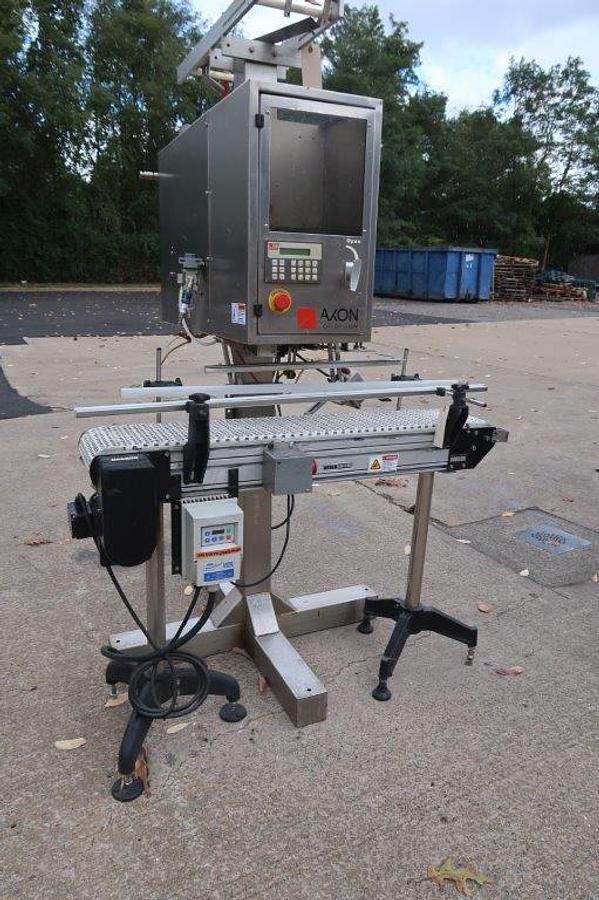
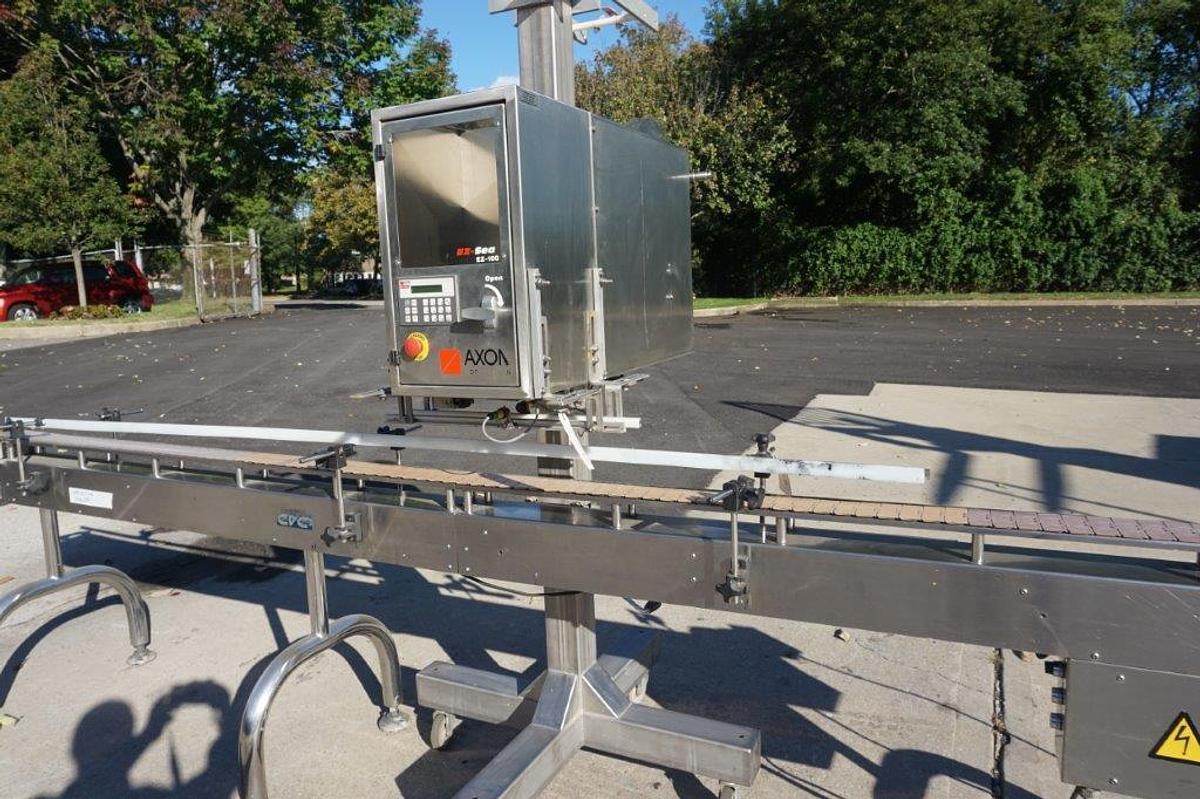
Category
Manufacturer
Model
Axon
Axon is an industry leader in the packaging machinery market, focusing on shrink-sleeve labels and tamper-evidence banding. Serving a wide range of industries, from food and beverage to personal care, Axon is praised for its versatile and adaptable machinery that can be integrated into existing production lines to improve efficiency. They are particularly known for their advanced heat-shrink tunnel systems, which deliver consistent and high-quality packaging solutions.
FAQ:
What types of packaging machinery does Axon manufacture?
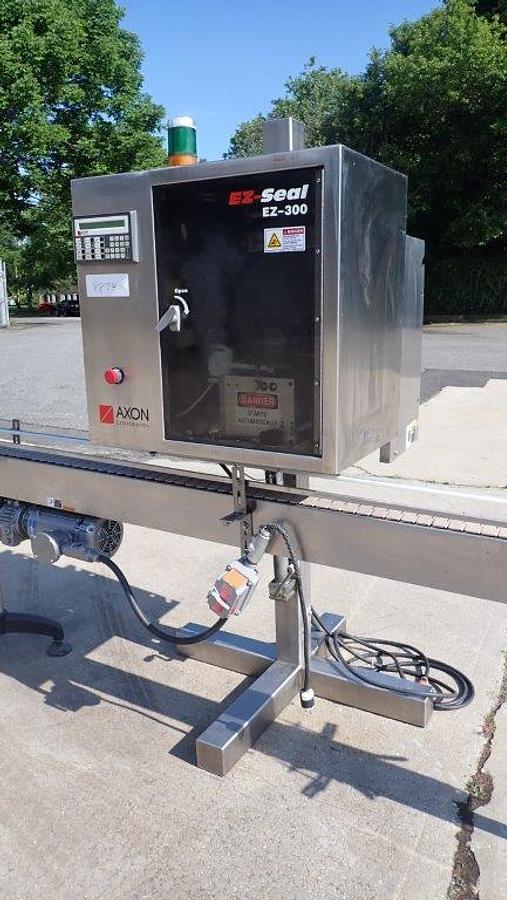
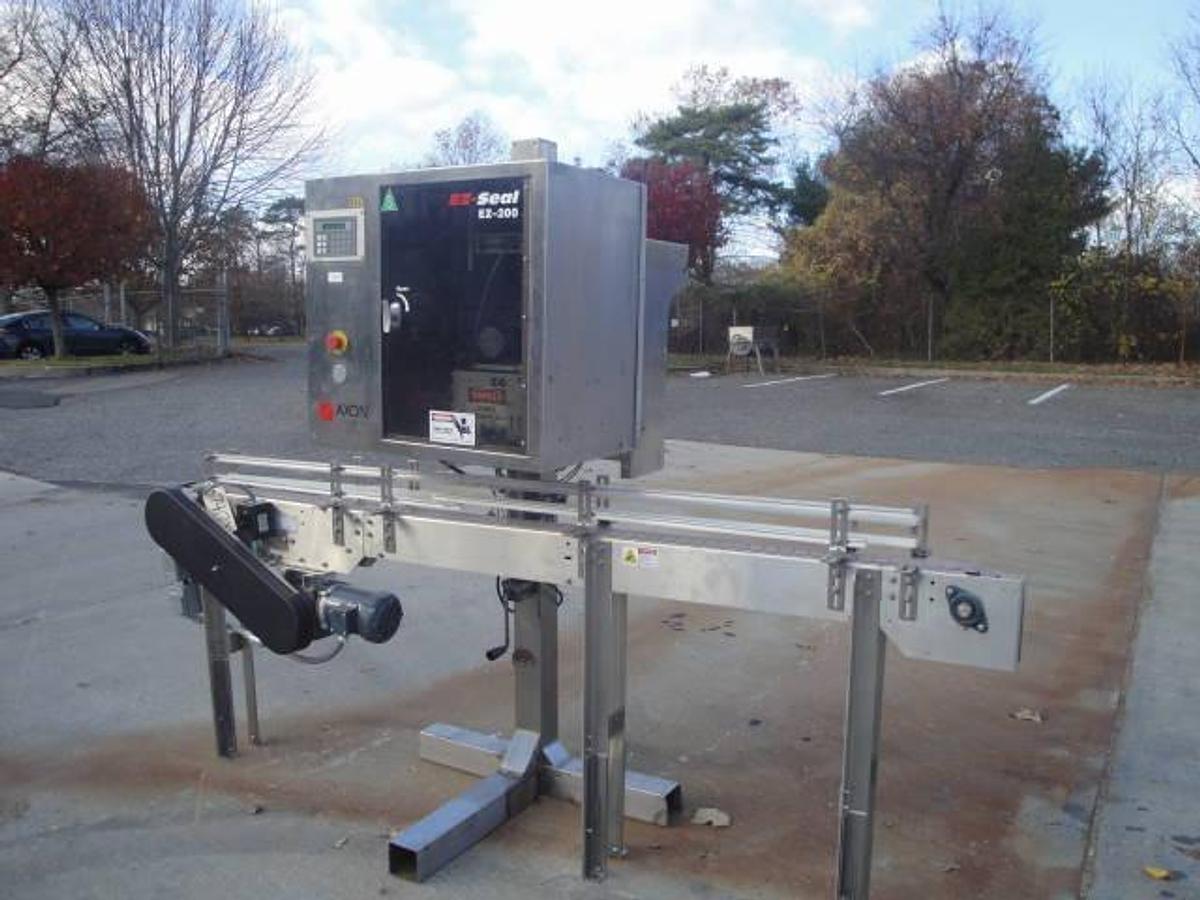
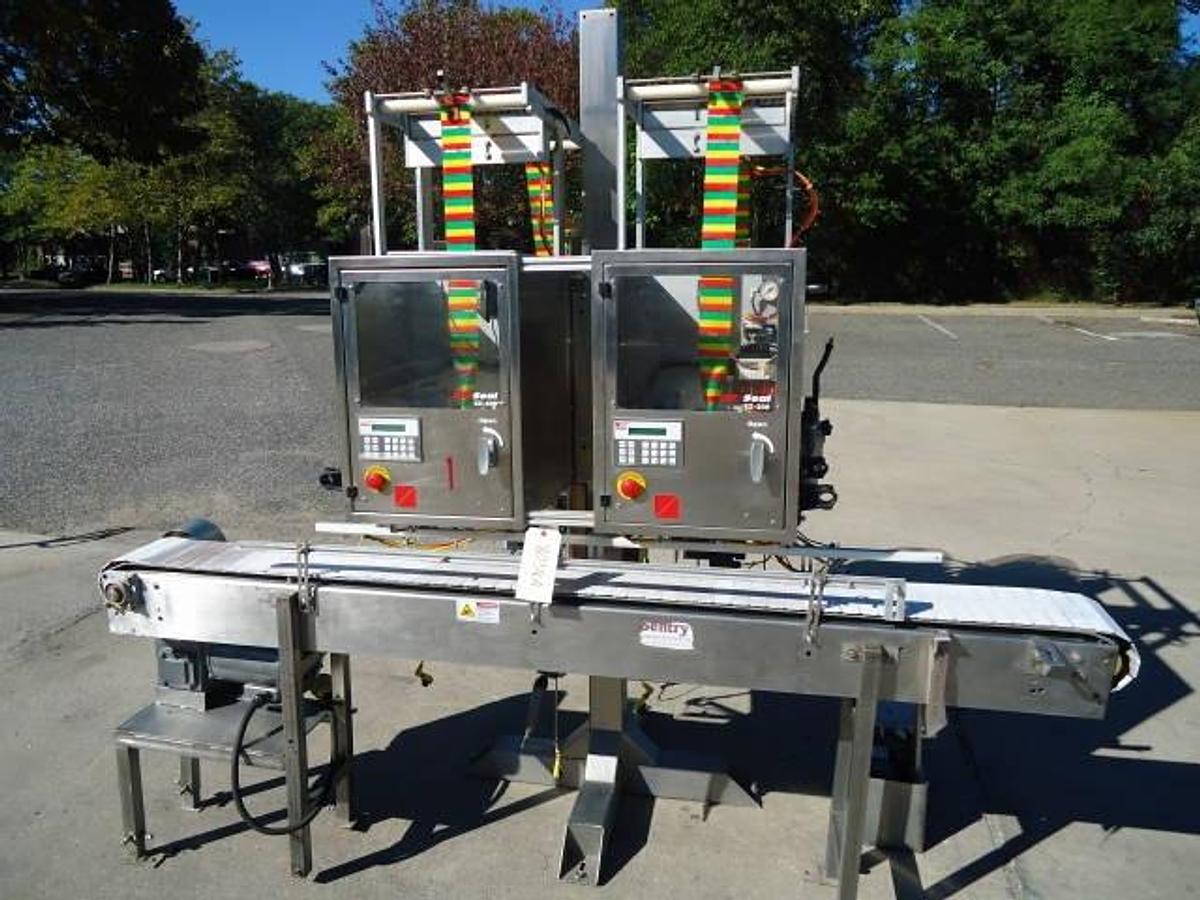
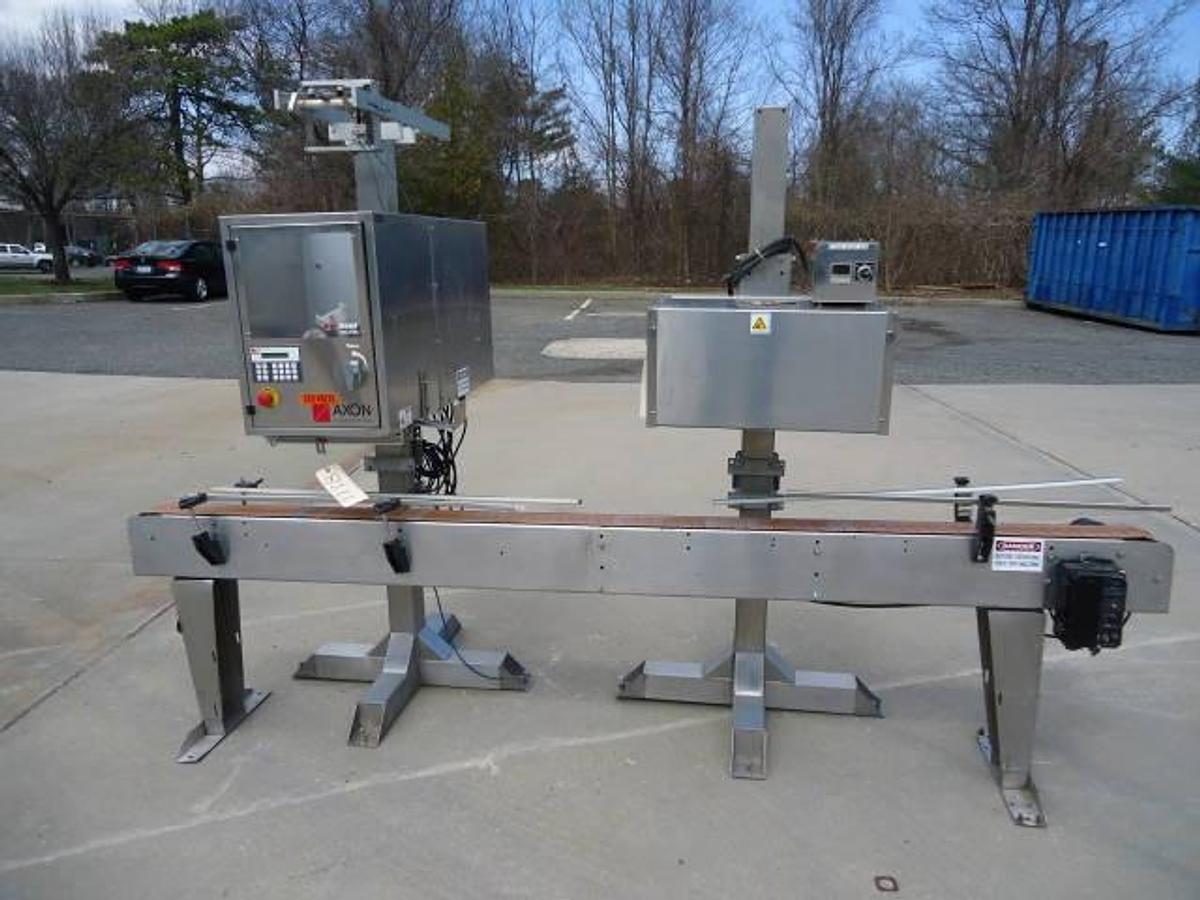
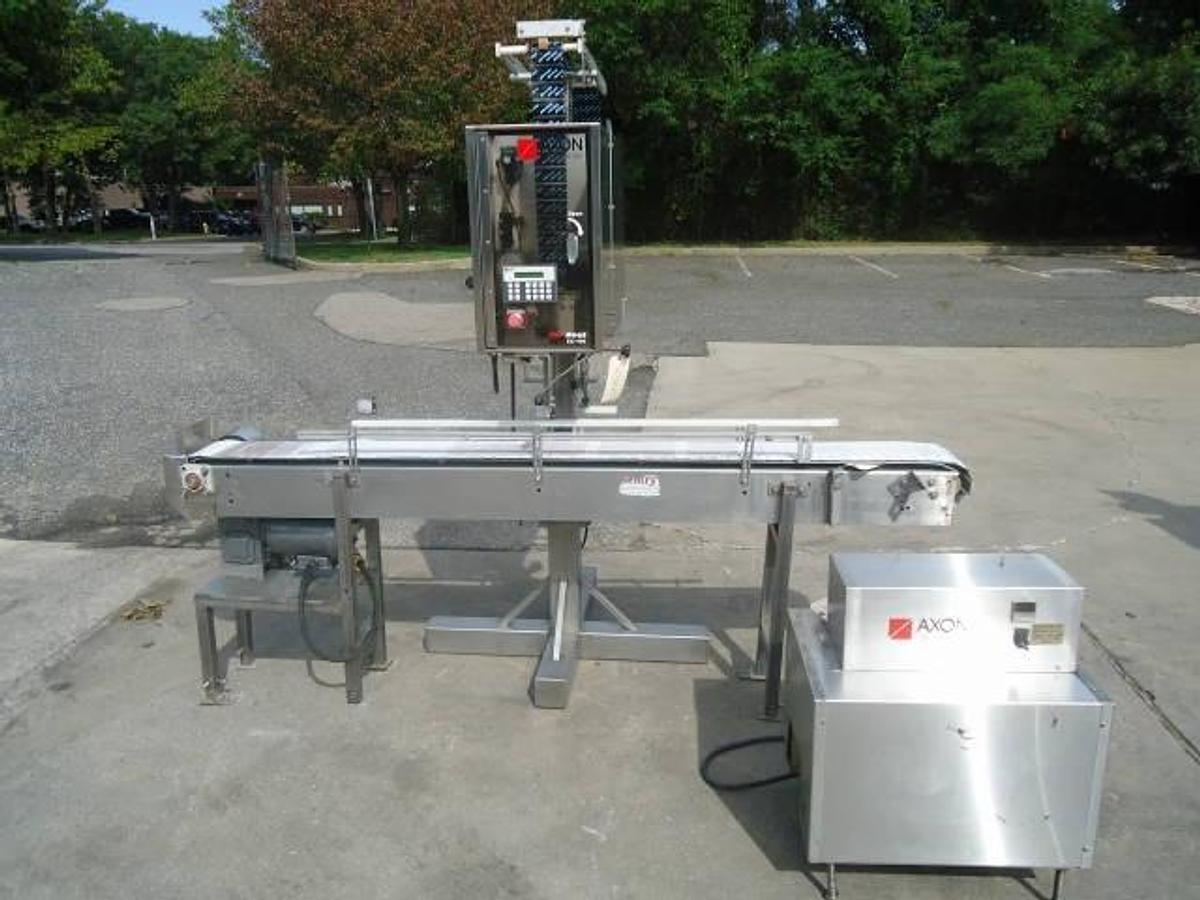
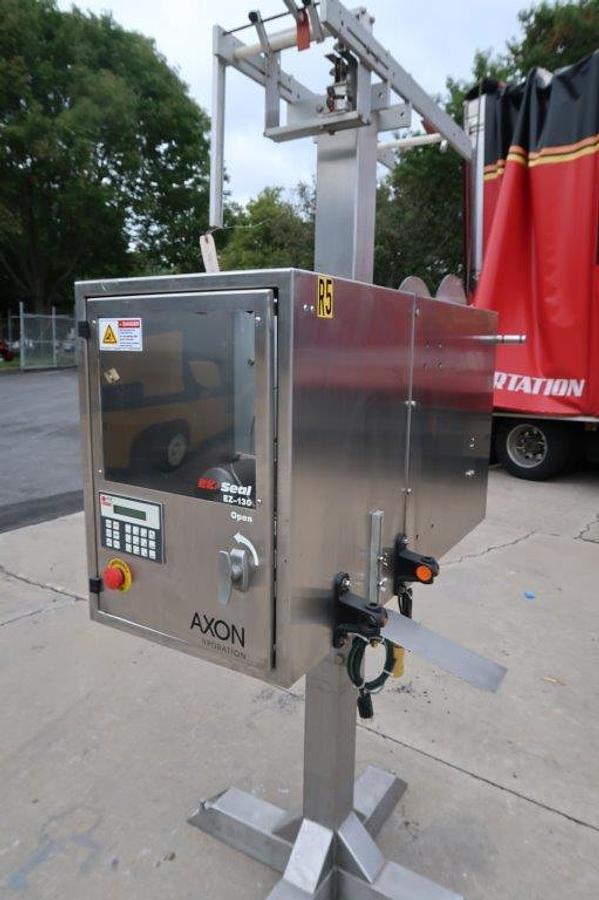
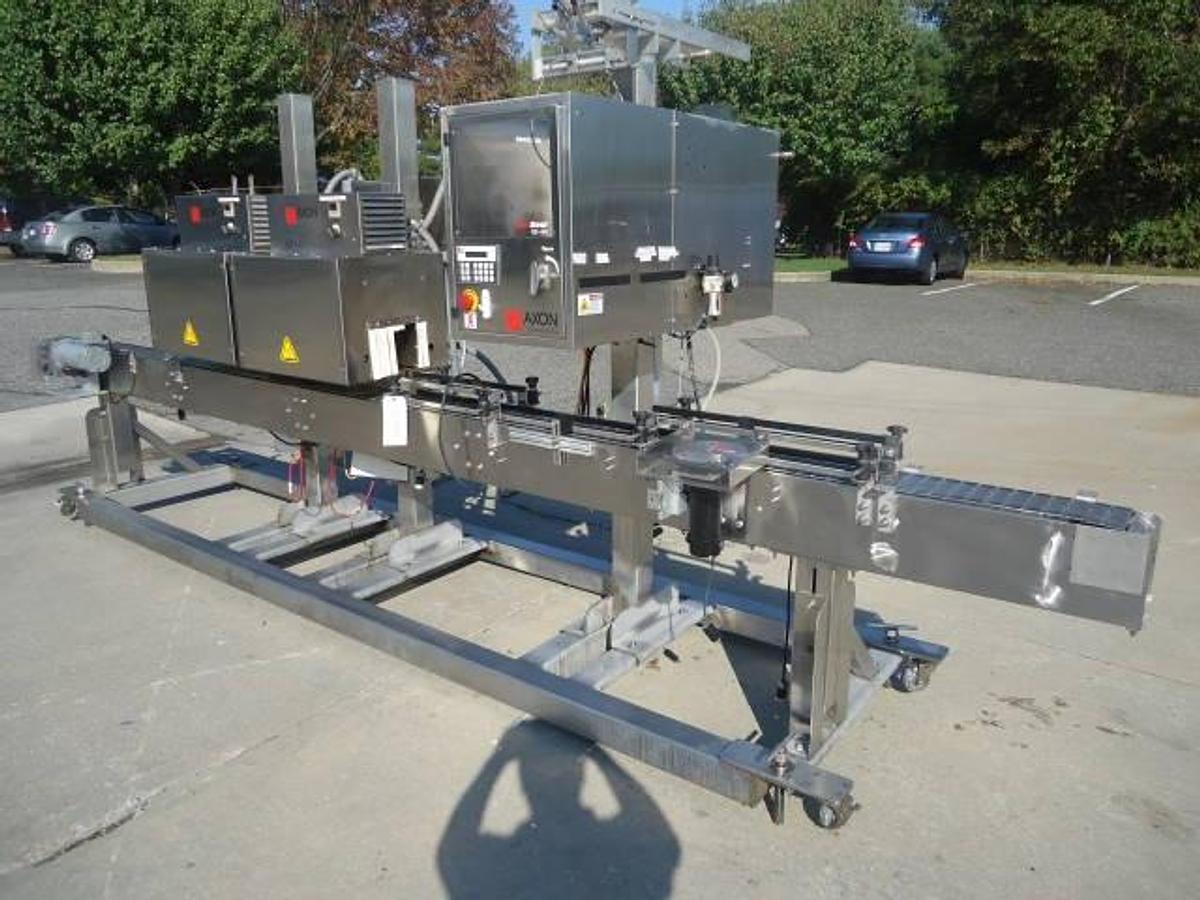
Axon specializes in shrink-sleeve label applicators, tamper-evident neck banders, and heat-shrink tunnel systems. Their product line is built around applying shrink film to containers, whether as a full-body sleeve label or a tamper-evident band around a cap or neck. Models like the EZ-100, EZ-130, EZ-200, and EZ-300 represent a range of throughput capacities and configurations, from single-station units to dual-station systems capable of higher production volumes. Some configurations include integrated shrink tunnels, while others are designed to pair with a separate tunnel already in a production line.
Axon is a division of Pro Mach, one of the largest packaging machinery groups in North America, which has contributed to the brand's reputation for consistent build quality and parts availability. Their machines are built in stainless steel configurations suitable for food-grade and washdown environments, and they are designed to integrate into existing production lines rather than requiring a complete line rebuild. This flexibility is a big reason why Axon equipment appears frequently in both active production facilities and on the used machinery market.
What industries use Axon shrink sleeve and banding equipment?
Axon packaging machinery is used across a broad range of industries, with the heaviest concentration in food and beverage, personal care, nutraceuticals, and pharmaceuticals. In food and beverage, shrink sleeve labels are popular because they allow full 360-degree graphics on irregularly shaped containers, and tamper-evident banding is a regulatory and consumer safety requirement for many product categories. Personal care brands use sleeve labels heavily for promotional packaging and product differentiation on retail shelves.
Pharmaceutical and nutraceutical manufacturers rely on Axon's tamper-evident neck banders to meet compliance requirements and build consumer trust. The machines' stainless steel construction and compatibility with sanitary production environments make them practical in facilities with strict hygiene standards. Because Axon equipment is designed to handle a wide variety of container sizes and shapes, it also sees use in household products, automotive fluids, and specialty chemical packaging, anywhere a producer needs a reliable sleeve or band applied at consistent production speeds.
What should buyers know about purchasing used Axon packaging machinery?
Buying used Axon equipment can be a cost-effective way to add proven shrink-sleeve or banding capability to a production line, but buyers need to approach the process carefully. Used machines are sold as-is, meaning there is no manufacturer-backed coverage on the equipment. The condition of the machine at the time of sale is what the buyer receives, so the quality of the inspection process before purchase is critical. Reputable used equipment dealers with a track record in the packaging machinery segment are a much safer choice than general auction platforms, because specialized dealers understand the machines and can speak to their condition more accurately.
Buyers should request an in-person or video inspection of any used Axon machine before committing to a purchase. Some machines may still be in active production at a facility, which gives a buyer the opportunity to see the equipment running. Others may be decommissioned, in which case a thorough visual and mechanical inspection is especially important. It is also worth contacting Axon directly to ask about parts availability and support for the specific model and serial number range being considered, since age and model generation can affect what service resources are realistically available.
What are the speed and throughput capabilities of Axon sleeve applicators?
Axon sleeve applicators cover a meaningful range of production speeds, making them suitable for both mid-volume and higher-volume packaging lines. The EZ-130, for example, is capable of processing up to 150 containers per minute in certain configurations, which positions it well for production environments that need reliable output without investing in the largest industrial-scale systems. The EZ-100 is a more compact option suited to lower throughput requirements, while the EZ-200 and EZ-300 models step up capacity and can include dual-station configurations for even higher output.
When evaluating a specific used Axon machine, throughput ratings should be understood as the machine's rated capacity under ideal conditions with the right film, container, and tunnel combination. Actual production speed in a real facility depends on container geometry, film type, conveyor speed, and how well the shrink tunnel is matched to the applicator. Buyers should review the full system specs, including whether a shrink tunnel is included or needs to be sourced separately, since the tunnel is what activates the sleeve and directly affects finished package quality and line speed.
How do Axon shrink tunnels work and what role do they play in the packaging process?
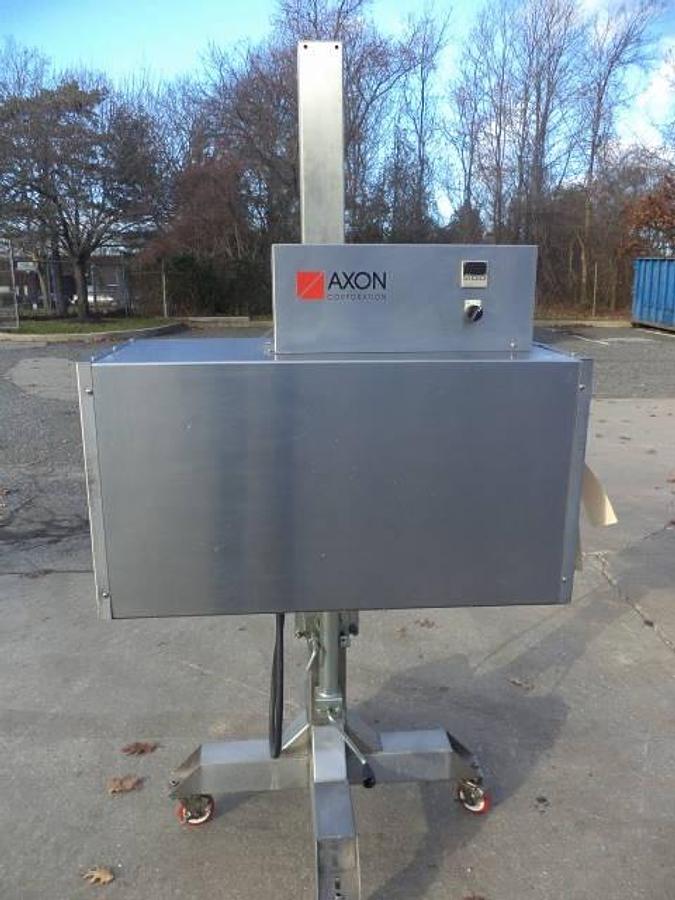
A shrink tunnel applies controlled heat to a container after a sleeve or band has been applied by the applicator. As the container passes through the tunnel on a conveyor, the heat causes the film to contract and conform tightly to the shape of the container. The result is a smooth, wrinkle-free label or a secure tamper-evident band that cannot be removed without visible damage. The tunnel's temperature, airflow pattern, and conveyor speed all need to be calibrated to the specific film and container combination being run.
Axon produces stainless steel shrink tunnels, including portable models like the EZ-36, which can be used independently or paired with an Axon sleeve applicator as part of a complete system. Some used Axon listings include the applicator and tunnel together, which simplifies integration since the two components have already been matched to each other. Buyers who are sourcing a tunnel separately should verify that the tunnel's aperture, heat output, and conveyor width are compatible with both their containers and their existing or planned applicator. Mismatched systems are a common source of quality problems in shrink-sleeve packaging lines.
What is the difference between a shrink sleeve applicator and a tamper-evident neck bander?
A shrink sleeve applicator places a full or partial sleeve of film over a container, which is then heat-shrunk to conform to the container's shape. This is commonly used for full-body labels that wrap the entire container, or for partial sleeves that cover a specific portion. The result is a label that can carry complex graphics and conform to unusual container shapes that a pressure-sensitive label cannot easily cover. Sleeve labels are widely used in beverages, personal care products, and food packaging.
A tamper-evident neck bander applies a much smaller band of film specifically around the cap and neck of a container. The purpose is not primarily decorative but functional: the band provides visible evidence if a cap has been opened or tampered with. Once heat-shrunk, the band cannot be removed without tearing or visibly distorting it. Many Axon models, including the EZ-100 and EZ-130 series, are designed to perform both functions depending on the tooling and film used, which makes them versatile assets for facilities that run multiple product types or need to switch between full-sleeve and banding applications.
Are replacement parts available for used Axon packaging equipment?
Parts availability for Axon equipment is generally considered one of the stronger points of the brand, largely because Axon operates under the Pro Mach umbrella, which maintains a broad service and parts network across North America. For more recent model generations, parts are typically available directly through Axon or authorized service channels. That said, availability can vary depending on the age of the machine and whether a particular model is still within an active service lifecycle.
Buyers considering a used Axon machine should contact the manufacturer directly before purchasing to ask specifically about parts support for the model and approximate production year of the unit they are evaluating. This is a step that many buyers skip and later regret, particularly with older machines where certain components may be obsolete or require custom fabrication. A used equipment dealer who specializes in packaging machinery can also be a useful resource here, since experienced dealers often carry common wear parts or can point buyers toward reliable third-party suppliers for components like film guides, cutting blades, and conveyor belts.
What should buyers inspect when evaluating a used Axon sleeve applicator or bander?
A thorough inspection of a used Axon machine should cover both mechanical condition and control system functionality. On the mechanical side, key areas to examine include the film feed and cutting mechanism, the mandrel or forming tube that shapes the film before application, the conveyor system, and any sensors or timing components that synchronize the applicator with the production line. Worn cutting blades, damaged film guides, and belt wear are common issues on machines that have seen heavy production use, and they affect both output quality and downtime frequency.
The control panel and electrical components deserve equal attention. Axon machines use programmable controls that allow operators to store recipes for different container and film combinations. Buyers should verify that the HMI (human-machine interface) is functional, that stored programs can be accessed and edited, and that there are no fault codes or error conditions present. If the machine is still in production at a facility, watching it run through a full cycle is the most valuable inspection possible. If it is decommissioned, a video inspection capturing the machine being powered up and manually cycled through its functions is the next best option. Dealers who specialize in packaging equipment can typically facilitate either type of inspection.
What does the shipping and delivery process look like for used Axon packaging machinery?
Shipping used packaging machinery involves more logistical complexity than shipping standard freight. Axon sleeve applicators and shrink tunnels range from relatively compact benchtop-style units to larger floor-standing systems, and the packaging required to protect them in transit scales accordingly. Smaller units may ship on a standard pallet with appropriate blocking and bracing, while larger systems typically require custom crating to prevent damage to the film-handling components, conveyor sections, and control panels. The level of packaging directly affects the shipping cost, and buyers should ask the dealer specifically what packaging method will be used and what the associated charges are before finalizing a purchase.
For larger or heavier Axon systems, rigging is often required for both loading at the dealer's or seller's facility and unloading at the buyer's location. Rigging costs are typically separate from freight charges and should be factored into the total landed cost of the equipment. Buyers who do not have a dock or forklift at their facility need to arrange for that capability in advance. Most used equipment dealers require full payment before the machine ships, so coordinating payment, packaging, and freight logistics in the right sequence is important to avoid delays.
How does used Axon equipment compare to entry-level shrink sleeve machinery from other brands?
Axon occupies a mid-to-high tier in the shrink-sleeve and banding equipment market. Machines are built to handle the demands of continuous production environments, with stainless steel construction, robust film-handling components, and control systems that support multiple product changeovers. This positions them above entry-level imported machines that may offer lower upfront costs but typically lack the build quality, parts support, and throughput consistency needed for serious production volumes. For facilities that run multiple shifts or need reliable output with minimal downtime, the difference in build quality between Axon and lower-tier alternatives tends to become apparent quickly.
On the used market, buying a well-maintained used Axon machine often provides better long-term value than buying a cheaper entry-level machine at a similar price point. The key variables are the condition of the specific unit and the availability of support for that model. A used Axon EZ-130 or EZ-200 that has been properly maintained and inspected can deliver years of reliable service in a production environment where an entry-level machine might require frequent repairs or produce inconsistent results. Buyers should weigh the machine's condition and service history against the purchase price rather than comparing list prices alone.