Category
Manufacturer
Model
Automation Devices
FAQ:
What sizes of Automation Devices vibratory bowl feeders are typically available on the used market?
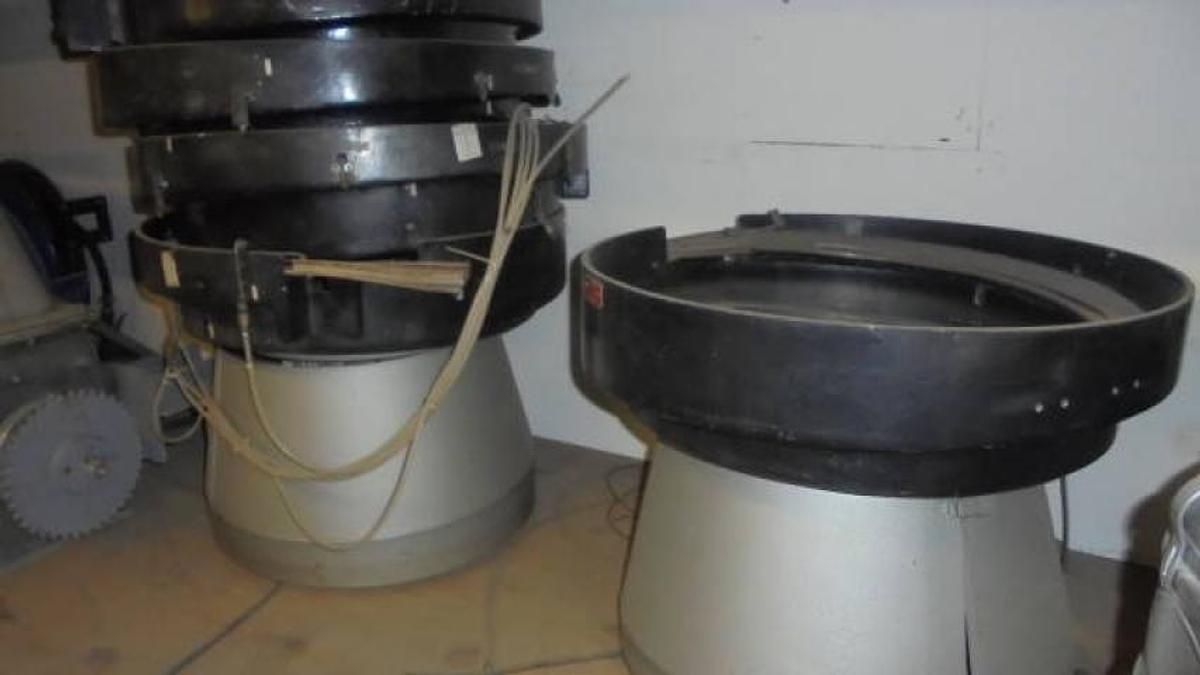
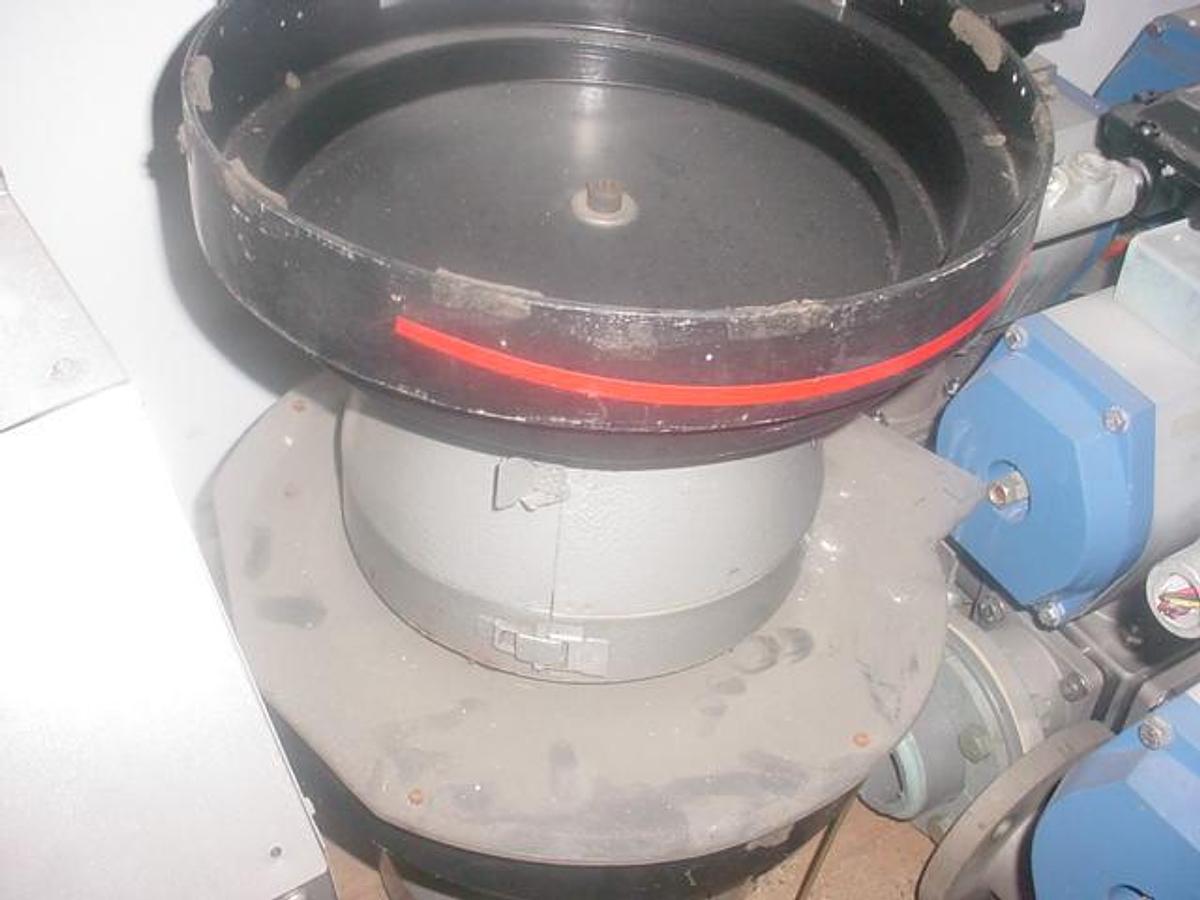
Automation Devices vibratory bowl feeders appear on the used market in a range of bowl diameters, with 17-inch and 28-inch diameter units among the more commonly listed sizes. The 17-inch bowls are generally suited to smaller, lighter parts that require precise orientation at moderate feed rates, while the 28-inch bowls handle a wider variety of part sizes and are often found in higher-volume production environments. Bowl diameter is one of the most important specs to match to your application, since it directly affects capacity, feed rate, and the physical footprint of the feeder in your line.
When shopping for used Automation Devices feeders, it pays to look at more than just the bowl size. The condition of the bowl tooling, the drive unit, and the controller all factor into how quickly the machine can be put back into production. Sellers of used equipment can typically provide photos, videos, or in-person inspection opportunities so buyers can assess the current state of the tooling and the drive mechanism before committing to a purchase.
What industries commonly use Automation Devices vibratory feeders?
Automation Devices vibratory feeders have a long track record across a wide range of manufacturing sectors. Automotive assembly, medical device manufacturing, electronics assembly, pharmaceutical packaging, and consumer goods production are among the most common industries that rely on these machines. In each of these sectors, the ability to automatically orient and feed small parts at consistent rates is critical to keeping production lines running efficiently and reducing manual handling.
The versatility of ADI feeders comes largely from their electromagnetic drive technology, which allows feed rate adjustments without mechanical changes, and from the bowl tooling that can be configured for specific part geometries. A feeder that was previously used in a pharmaceutical application, for example, might be retooled and redeployed in an electronics assembly line with the right modifications. Buyers sourcing used units should consider whether the existing tooling matches their parts or whether retooling will be required, as this affects the total cost of getting the machine into production.
How does the electromagnetic drive technology in Automation Devices feeders work, and what are its maintenance advantages?
Automation Devices vibratory feeders use electromagnetic drive technology to generate the vibration that moves parts along the bowl track. Rather than relying on rotating motors or mechanical eccentrics, the electromagnetic drive uses a coil and armature assembly to create a precise oscillating motion. The frequency and amplitude of this vibration can be adjusted through the controller, giving operators fine-grained control over feed rate without physically modifying the machine. This makes it straightforward to dial in the right speed for different parts or production requirements.
From a maintenance standpoint, the absence of rotating mechanical parts is a significant advantage. There are no bearings, gears, or belts to wear out in the drive itself, which reduces the frequency and cost of routine maintenance compared to mechanically driven feeders. On a used machine, this means the drive unit is often in serviceable condition even after years of production use, provided it has been reasonably maintained. Buyers should still inspect the drive springs, the coil gap, and the controller when evaluating a used unit, as these components do wear over time and affect performance.
What is the difference between a vibratory bowl feeder and a linear feeder from Automation Devices?
A vibratory bowl feeder uses a circular bowl mounted on a drive base to sort, orient, and deliver parts to a feed point. Parts are loaded in bulk into the bowl, and the vibratory motion moves them up a spiral track along the bowl wall while tooling features sort out incorrectly oriented parts. By the time parts reach the exit point, they are singulated and oriented consistently. Bowl feeders are the right choice when parts need to be oriented from a random bulk supply before entering an assembly process.
A linear feeder, by contrast, is typically used downstream of a bowl feeder to carry already-oriented parts along a straight track to the pick point or assembly station. Linear feeders use the same electromagnetic vibration principle but move parts in a straight line rather than a spiral. In a complete feeding system, the bowl feeder handles the bulk feeding and orientation work, while the linear feeder provides the final, controlled delivery to the machine or operator. When buying used equipment, it is worth considering whether you need a complete system (bowl plus linear feeder) or just one component, since both are commonly available separately on the used market.
Can used Automation Devices vibratory feeders be customized or retooled for different parts?
Yes, vibratory bowl feeders are designed to be retooled for different part geometries, and this applies equally to used machines. The bowl tooling consists of features machined or fabricated into the bowl track that sort, orient, and singulate parts as they travel up the spiral. When a feeder is repurposed for a different part, the tooling is modified or replaced to match the new part's dimensions and orientation requirements. This is standard practice in manufacturing environments where production lines change over time.
For buyers purchasing a used Automation Devices feeder, the key question is whether the existing tooling matches their parts or whether retooling will be needed. If the tooling does not match, the cost of retooling should be factored into the total purchase budget. Retooling is typically handled by the buyer's own tooling shop or by a third-party feeder tooling specialist. The bowl itself and the drive unit are generally reusable across many applications, so a used feeder with worn or mismatched tooling can still represent good value if the mechanical components are sound. Inspecting the bowl surface condition and the drive unit carefully before purchase helps buyers understand what investment will be needed to put the machine into production.
What should buyers inspect when evaluating a used Automation Devices vibratory feeder?
A thorough inspection of a used vibratory feeder covers several key areas. The bowl itself should be examined for wear, cracks, or damage to the track surface and tooling features, since worn tooling directly affects orientation efficiency. The drive springs, which are responsible for the vibratory motion, should be checked for cracks or fatigue, as worn springs reduce performance and require replacement. The coil gap in the electromagnetic drive should be within specification, and the controller should be tested to confirm it responds correctly across the adjustment range.
Reputable used equipment dealers typically accommodate in-person inspections, virtual walkthroughs, or video captures of the machine so buyers can assess its condition before purchase. Some machines may still be installed and running at a production facility, which provides the opportunity to see the feeder operating under real conditions. Keep in mind that most dealers are not set up to run production tests with actual customer parts, since that requires different permitting and production infrastructure. Buyers should also contact Automation Devices directly to understand parts availability and technical support for the specific model and age of the unit they are considering, as this can vary by machine vintage.
Are replacement parts available for used Automation Devices vibratory feeders?
Parts availability for used Automation Devices feeders depends on the age and model of the specific unit. Automation Devices, Inc. is a long-established U.S. manufacturer based in Pittston, Pennsylvania, and has maintained production of many of its core product lines for decades. This continuity means that drive components, replacement springs, coils, and controllers are often still available through the manufacturer for many older models. Contacting ADI directly with the model number and serial number of a machine you are considering is the best way to get a clear picture of what support and parts you can expect.
For older or discontinued models, parts may need to be sourced from third-party suppliers or fabricated to spec. Buyers should factor parts availability into their purchasing decision, particularly for critical components like the electromagnetic drive assembly and the control unit. A machine with readily available parts is generally a lower-risk purchase than one where components are difficult to source. Asking the seller for any documentation, manuals, or spare parts that come with the machine is always worthwhile, as these can simplify future maintenance.
What are the typical power requirements for Automation Devices vibratory bowl feeders?
Automation Devices vibratory feeders are electrically powered, with the electromagnetic drive unit drawing power through a controller that regulates the voltage and frequency supplied to the coil. Most ADI feeder drives are designed to operate on standard industrial power supplies, commonly 115V or 230V single-phase AC, though specific requirements vary by model and drive size. The controller is the primary interface between the power supply and the drive, and it is important that the controller supplied with a used machine is compatible with both the drive unit and the available power at the installation site.
When purchasing a used feeder, buyers should confirm the power specifications of both the drive and the controller and verify that their facility can supply the required voltage and amperage. If the controller is missing or incompatible, replacement controllers are available from ADI and from third-party suppliers, but this adds to the total cost of getting the machine running. Asking the seller to confirm the power specs and to include any documentation or wiring diagrams that accompany the machine will help avoid surprises during installation.
How does buying a used Automation Devices vibratory feeder compare to purchasing a brand-new unit?
Used Automation Devices vibratory feeders are sold as-is, which is standard practice in the used industrial equipment market. This differs from purchasing directly from a manufacturer, where buyers receive a machine built to current specifications with the full backing of a manufacturer's support program. With a used machine, the buyer takes on the responsibility of inspecting the equipment carefully before purchase to understand its current condition, any wear on components, and what work may be needed to bring it into production. Selecting a dealer with a long track record in industrial automation equipment is an important way to reduce risk in this process.
The trade-off for accepting as-is condition is typically a significant cost advantage. Used vibratory feeders can be acquired at a fraction of the cost of a comparable machine built to order, which matters for operations running on tight capital budgets or needing to get a line running quickly without the lead time associated with a custom-built unit. For buyers whose parts are a standard size and geometry, finding a used feeder with compatible tooling already installed can mean minimal setup time. For others, the savings on the machine itself leave budget available for retooling or refurbishment. Either way, due diligence during the inspection process is what separates a good used equipment purchase from a costly one.
What should buyers understand about shipping and logistics for used vibratory feeders?
Shipping a used vibratory feeder involves more planning than standard freight because these machines are precision equipment with components that can be damaged if not properly secured during transit. The bowl, drive base, and controller are typically packaged separately or crated together depending on the size of the unit. Larger bowl feeders, such as 28-inch diameter units, require more substantial crating and may need forklift or rigging equipment for loading and unloading. The cost of packaging, crating, and rigging varies and should be discussed with the seller before finalizing a purchase so that buyers understand the full landed cost of the machine.
Buyers should ask sellers specifically about how the equipment will be packaged, what rigging is required at the origin point, and whether the buyer will need to arrange unloading equipment at the destination. Freight costs for industrial machinery are typically quoted based on weight, dimensions, and distance, and heavier or larger machines will cost more to ship. Getting a clear breakdown of all shipping-related costs upfront, including any special handling fees, prevents unexpected expenses and helps buyers make an accurate cost comparison between different machines or sellers.