Category
Manufacturer
Model
Automate Technologies
Automate Technologies specializes in smart automation systems that enhance production efficiency and quality control across diverse manufacturing sectors. They offer solutions ranging from robotic arms to integrated control systems that streamline operations and reduce production times. Automate Technologies supports companies in their transition to Industry 4.0 through advanced automation solutions.
FAQ:
What types of equipment does Automate Technologies offer?
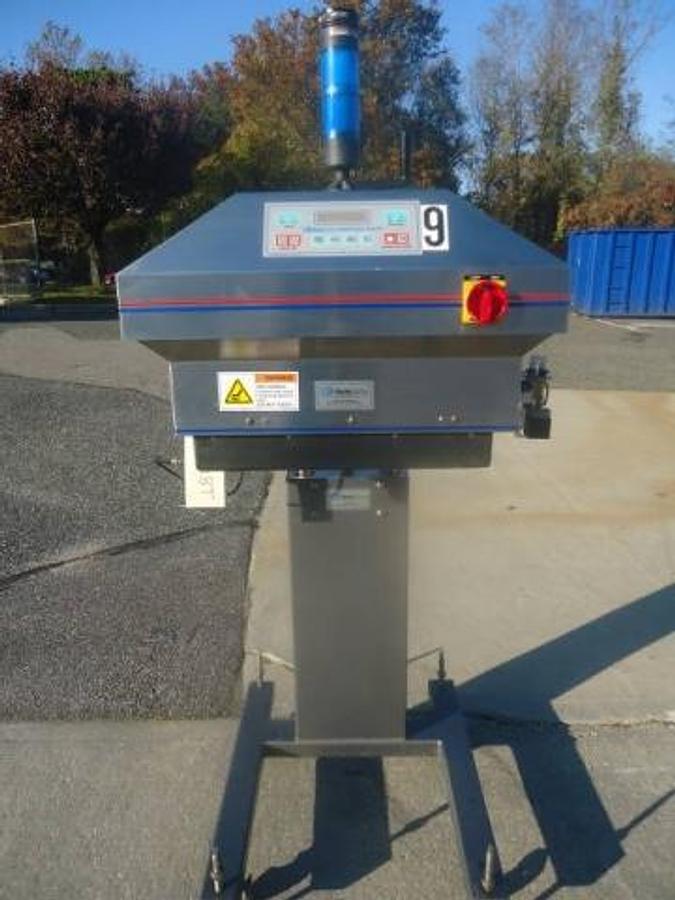
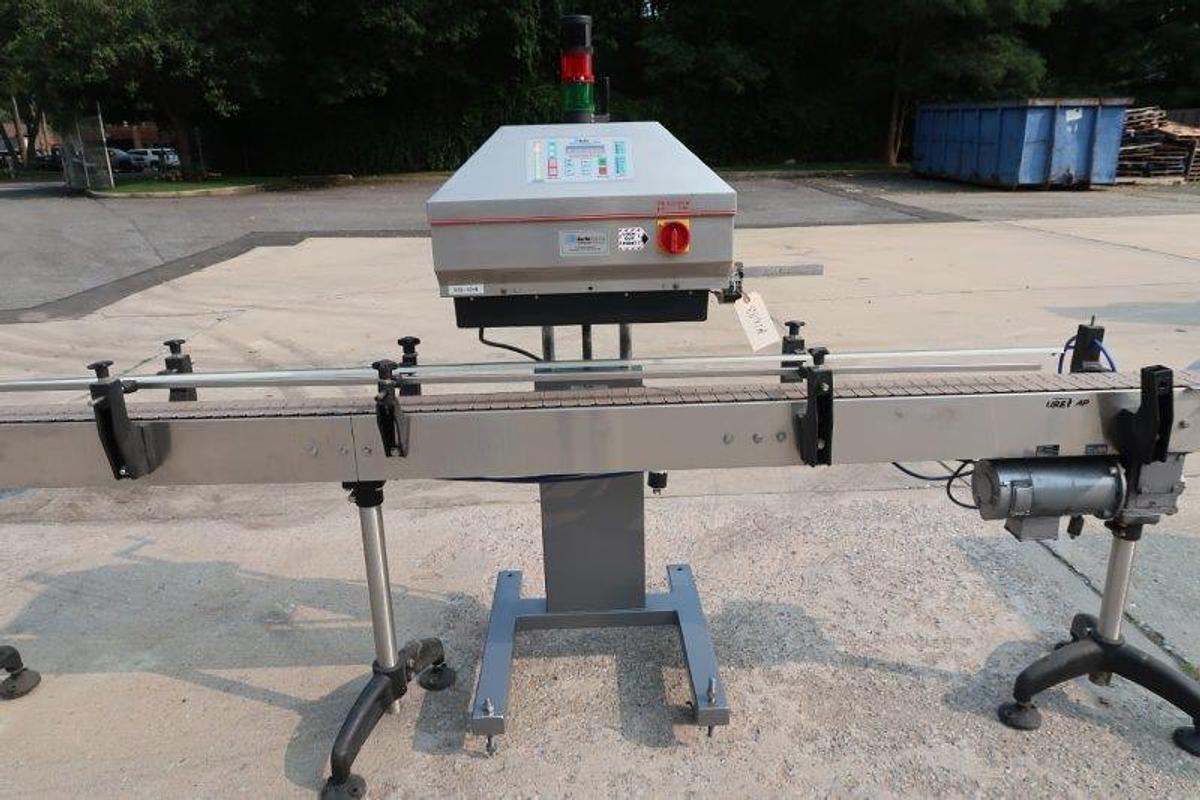
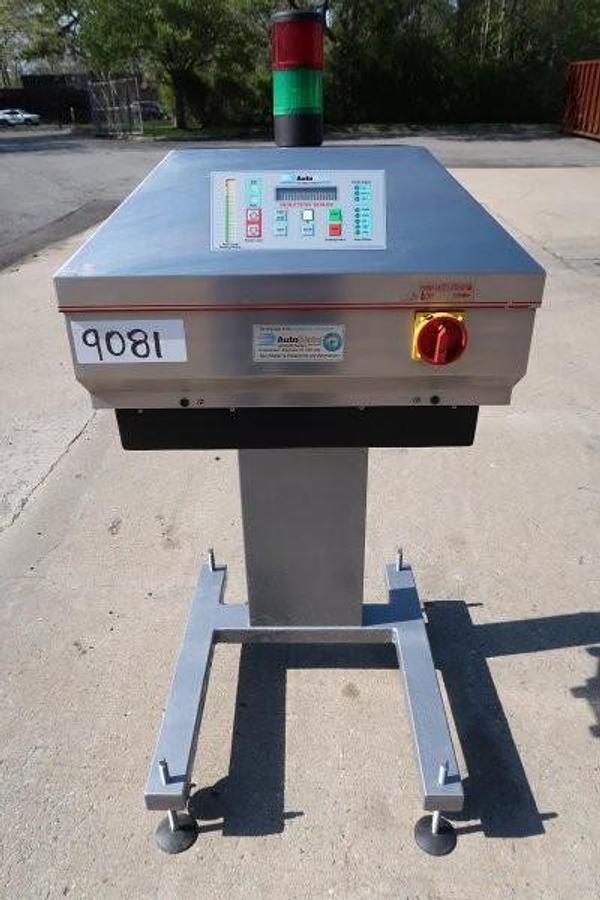
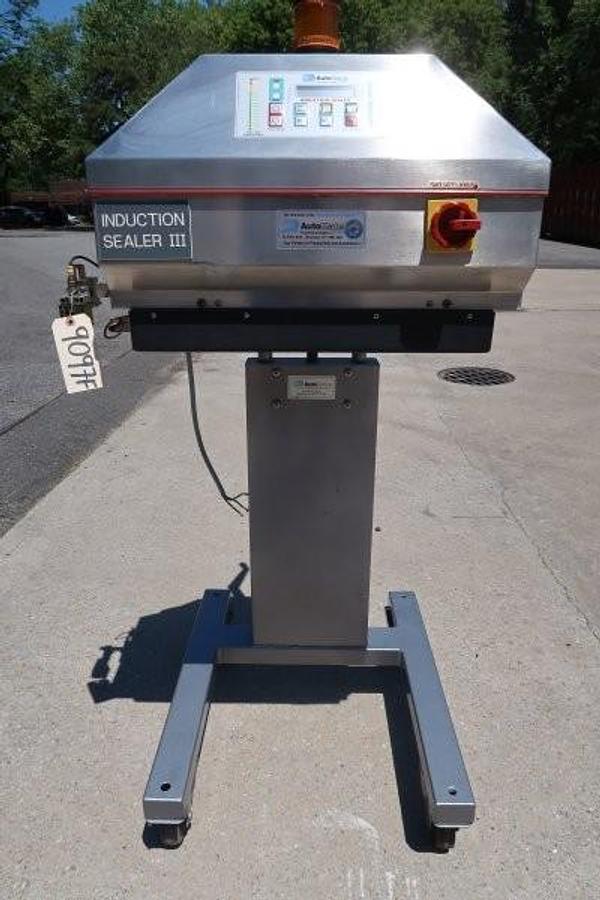
Automate Technologies produces smart automation systems designed to improve production efficiency and quality control across a range of manufacturing environments. Their product line includes robotic arms, integrated control systems, cap induction sealers, bottling and cap inspection centers, and automatic demand label applicators. These machines are built to streamline operations, reduce production cycle times, and support the transition toward Industry 4.0 manufacturing standards.
On the used equipment market, the models that appear most frequently include the AM-250 Cap Induction Sealer, the AM-20 Induction Sealer, the AM-DA Bottling and Cap Inspection Center, and the SJF-3 Automatic Demand Label Applicator. The AM-250 and AM-20 sealers are particularly common in portable configurations, making them attractive for facilities that need flexible deployment across multiple production lines. Buyers looking for specific models should check current inventory listings closely, as availability of used Automate Technologies equipment shifts regularly depending on what comes to market.
What industries use Automate Technologies equipment?
Automate Technologies designs its automation systems to serve a broad range of manufacturing sectors. Their equipment is particularly well-suited to food and beverage production, pharmaceutical packaging, cosmetics, and consumer goods manufacturing, where consistent sealing, labeling, and quality inspection are critical to product integrity and regulatory compliance. Cap induction sealers and bottling inspection systems, for example, are standard tools in any facility that packages liquids in capped containers.
Beyond packaging-focused industries, Automate Technologies also supports general industrial manufacturing through integrated control systems and robotic automation. Any facility pursuing greater production throughput, tighter quality control, or a reduction in manual labor can benefit from this type of equipment. Procurement teams in contract manufacturing, private label production, and high-volume distribution operations are among the most active buyers of Automate Technologies machines on the used equipment market, largely because the cost savings compared to buying unused machinery can be substantial.
What should buyers know about purchasing used Automate Technologies equipment?
Buying used industrial automation equipment requires a different level of due diligence than purchasing other types of machinery. Automate Technologies machines sold through used equipment dealers are sold in as-is condition, meaning the buyer takes on the responsibility of thoroughly evaluating the machine before committing to a purchase. This makes the reputation and track record of the dealer a critical factor. Buyers should look for dealers who specialize in industrial automation and packaging equipment, have a verifiable history of transactions, and are willing to accommodate detailed inspections.
Condition transparency is especially important for automation equipment because the cost of unexpected repairs or downtime can quickly erode the savings gained by buying used. Buyers should request detailed photographs, video documentation of the machine in operation if available, and a full accounting of any known issues or prior repairs. Serial numbers, like the A-27290 noted on certain AM-250 listings, can sometimes be used to trace a machine's service history with the manufacturer. Consulting directly with Automate Technologies about parts availability and support for a specific model and serial number before purchasing is a practical step that experienced buyers consistently recommend.
How does an Automate Technologies cap induction sealer work?
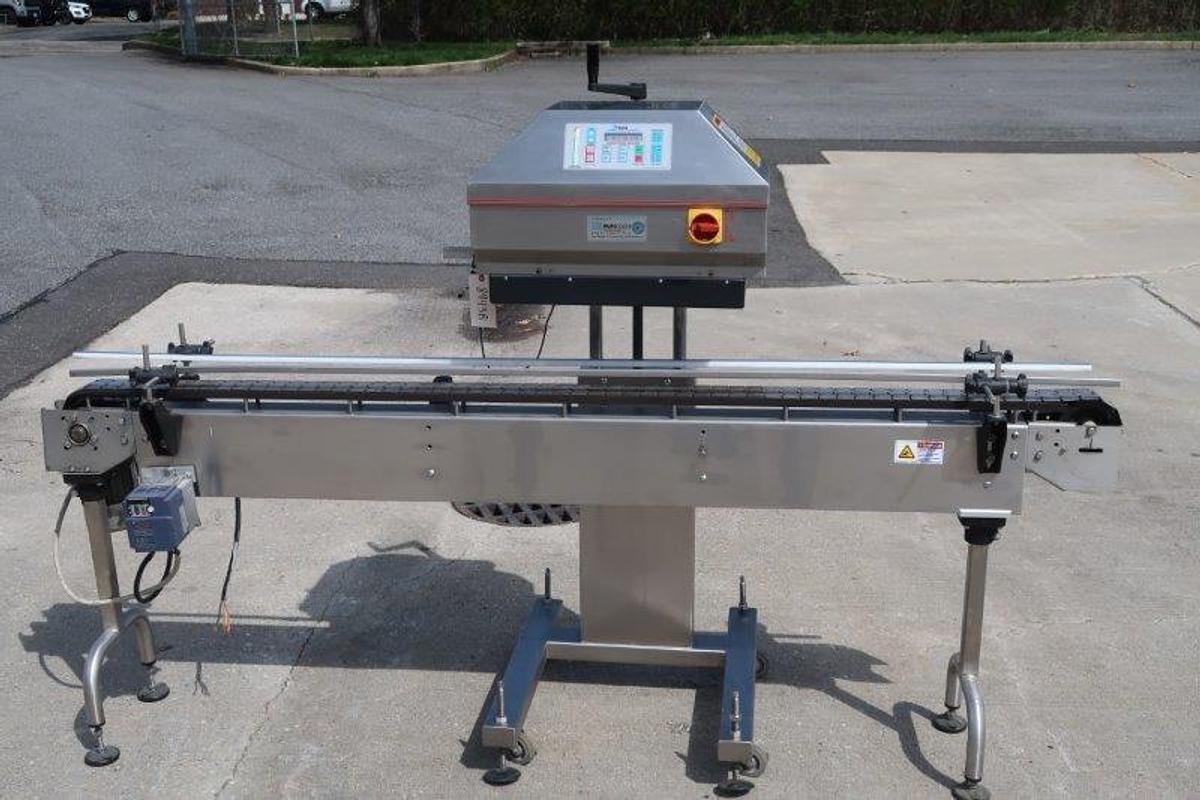
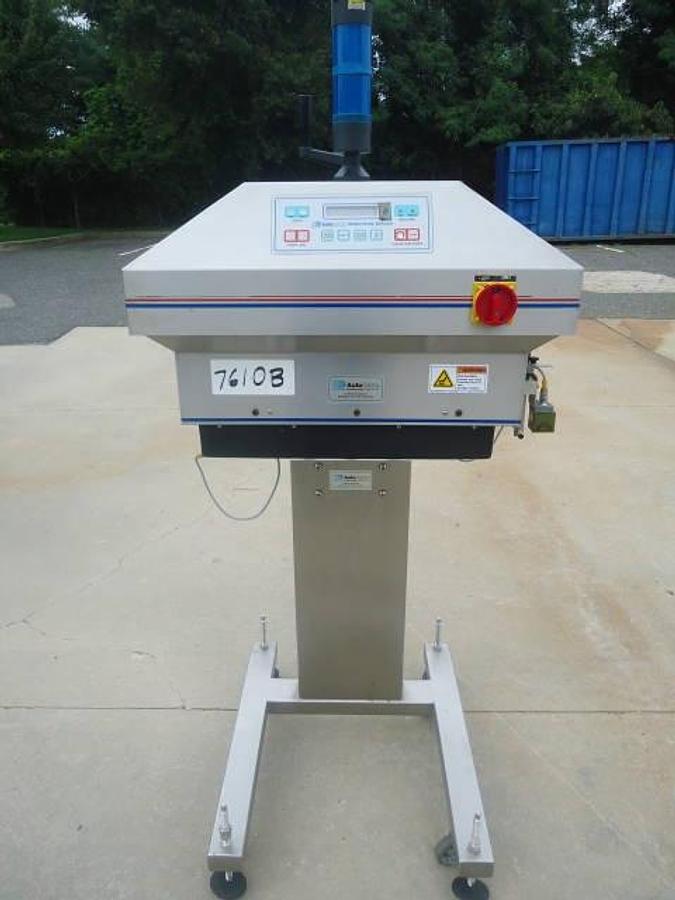
Cap induction sealers use electromagnetic induction to create an airtight seal between a cap and a container without direct contact. The machine generates a high-frequency electromagnetic field that heats a foil liner inside the cap. That heat activates an adhesive layer on the foil, bonding it to the rim of the container as it passes under the sealing head. The entire process happens in a fraction of a second and requires no heat applied directly to the product or container, which makes it suitable for heat-sensitive contents.
Automate Technologies produces both bench-top portable sealers, like the AM-20 and AM-250 models, and larger integrated systems. The portable units are designed for lower-volume or flexible production environments where the sealer needs to move between lines or products. The AM-250 handles a wider range of cap diameters than the AM-20, making it more versatile for facilities that run multiple container sizes. When evaluating a used induction sealer, buyers should confirm that the sealing head and power supply are functioning correctly, as these are the components most subject to wear in high-cycle production environments.
What is the difference between the Automate Technologies AM-20 and AM-250 induction sealers?
The AM-20 and AM-250 are both portable cap induction sealers from Automate Technologies, but they differ in capacity and application range. The AM-20 is a compact unit suited to lower-volume operations or facilities that seal a limited range of container sizes. It is a practical choice for small-batch production, laboratory settings, or operations where portability and simplicity are the primary requirements. The AM-250 is a more capable unit designed to handle a broader range of cap diameters and higher production demands, making it the more common choice for mid-volume packaging lines.
Both models appear frequently on the used equipment market, and both are available in portable configurations that allow them to be positioned and repositioned without major installation work. When comparing used listings for these two models, buyers should pay close attention to the condition of the sealing coil and the control panel, as these components directly affect sealing consistency. A machine that has seen heavy production use may require coil replacement or calibration before it performs reliably. Asking the dealer for specifics on how the machine was used and how many hours it has logged can help buyers make a more informed comparison between available units.
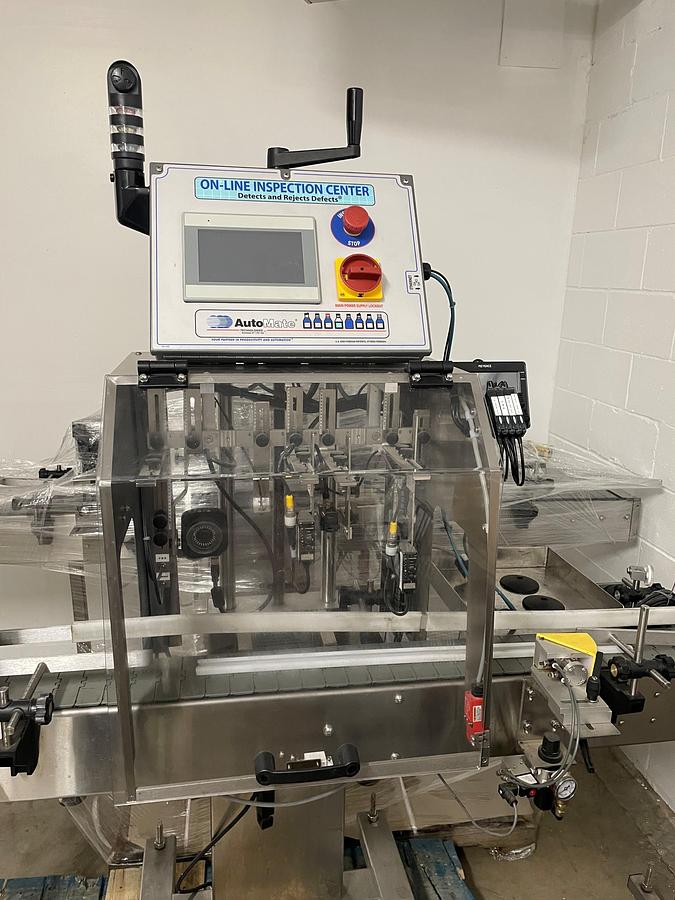
What is a bottling and cap inspection center, and what does the Automate Technologies AM-DA do?
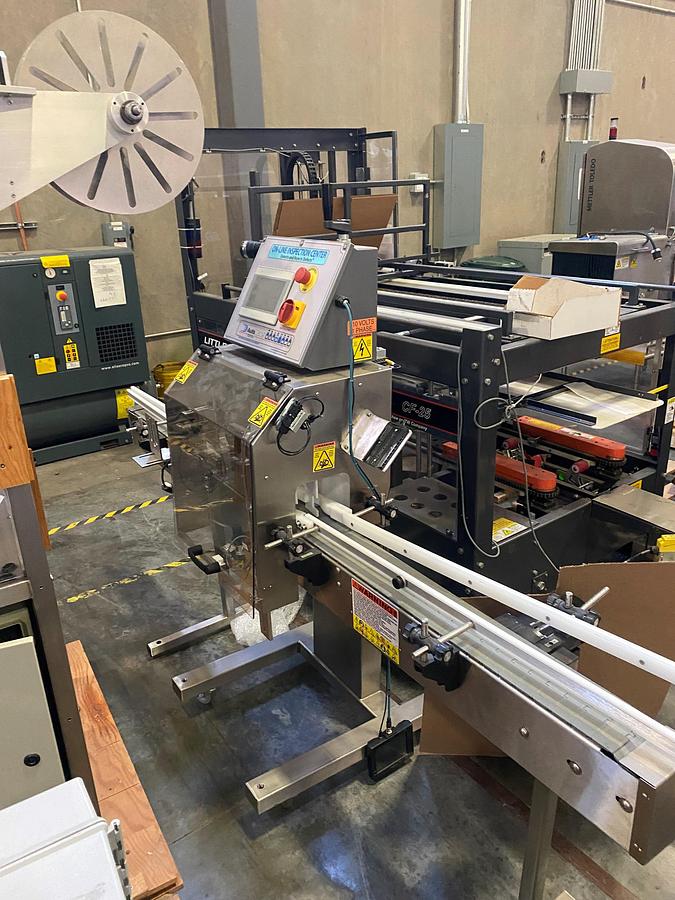
A bottling and cap inspection center is an automated quality control system that checks capped containers for sealing defects, fill level accuracy, cap alignment, and other packaging integrity issues. These systems use sensors, cameras, or a combination of both to inspect each unit as it moves through the production line, rejecting any containers that fall outside acceptable parameters. In industries like pharmaceuticals, food, and beverages, this type of inspection is often a regulatory requirement as well as a practical quality assurance measure.
The Automate Technologies AM-DA is the company's bottling and cap inspection center, designed to integrate into existing packaging lines and provide automated defect detection without requiring manual visual inspection at every station. Used AM-DA units appear on the market when facilities upgrade to higher-capacity systems or consolidate production lines. Because inspection systems rely on calibrated sensors and vision components, buyers evaluating a used AM-DA should ask specifically about the condition of the sensing and detection components, and whether the system can be inspected under live or simulated production conditions before purchase.
What should buyers ask about inspecting used industrial automation equipment before buying?
Inspection is one of the most important steps in any used automation equipment purchase, and buyers should approach it with a clear checklist of what they need to verify. At a minimum, buyers should request a video of the machine powered on and, where possible, running through its normal operating cycle. For more complex systems like inspection centers or integrated control systems, a video walkthrough of the control interface and any diagnostic readouts is also valuable. If the machine is still installed at a production facility, some dealers can arrange an in-person visit where the buyer or their technician can observe the equipment in operation.
It is worth knowing that most used equipment dealers do not have the permits or production infrastructure to run actual product through a machine during an inspection. What they can typically demonstrate is that the machine powers up correctly, that mechanical components move as intended, and that there are no obvious signs of damage or neglect. Buyers should also ask about the machine's history, including what it was used to produce, how long it was in service, and whether any major components have been replaced. This information, combined with a consultation with the manufacturer about parts availability for that specific model, gives buyers the most complete picture possible before committing to a purchase.
How is used industrial automation equipment typically shipped, and what costs should buyers anticipate?
Shipping used automation equipment involves more variables than standard freight, and buyers should request a detailed breakdown of all costs before finalizing a purchase. The base freight charge will depend on the size and weight of the machine, the origin and destination, and the shipping method. Smaller portable units like the AM-20 or AM-250 induction sealers can often be palletized and shipped via standard LTL freight. Larger or more complex systems may require custom crating to prevent damage in transit, which adds to the overall cost.
For heavier or more fragile equipment, rigging services are often required for both loading at the origin and unloading at the destination. Rigging involves the use of specialized equipment and trained personnel to safely move machinery that cannot be handled with standard forklifts or pallet jacks. These costs are typically separate from the freight charge and can vary significantly depending on the complexity of the move. Buyers should ask the dealer specifically about packaging standards, rigging requirements, and whether the quoted price includes delivery to a loading dock or requires inside delivery arrangements. Understanding the full landed cost of the equipment before purchase avoids surprises and allows for accurate budget planning.
What payment terms are typical when buying used automation equipment from a dealer?
Used equipment dealers generally require full payment before a machine is released for shipping. This is standard practice in the industry and reflects the fact that used equipment transactions do not carry the same contractual protections as purchases from manufacturers with formal credit terms. Buyers should expect to pay in full prior to any shipping arrangements being made, and should confirm the accepted payment methods with the dealer early in the process, as wire transfers are common for transactions of this size.
Some dealers extend payment terms to repeat customers or buyers with an established purchasing history, but this is the exception rather than the rule for first-time transactions. Buyers who need financing should explore third-party equipment financing options through banks or specialty lenders that focus on industrial machinery. These arrangements are handled between the buyer and the lender, with the lender paying the dealer directly upon closing. Regardless of how the transaction is funded, buyers should ensure that the purchase agreement clearly documents the condition of the equipment, the agreed price, and any representations made by the dealer about the machine's operating status before funds are transferred.
How can buyers verify the compatibility of used Automate Technologies equipment with their existing production systems?
Compatibility verification starts with collecting the full technical specifications of the used machine, including its electrical requirements, control system type, communication protocols, and physical dimensions. For automation equipment that needs to integrate with PLCs, SCADA systems, or existing conveyor and packaging lines, buyers should compare these specifications against their current infrastructure before purchasing. Automate Technologies machines built for Industry 4.0 environments may support standard industrial communication protocols, but the specific capabilities of a given model and production year can vary, so confirming the details of the exact unit being purchased is essential.
The most reliable way to assess compatibility is to have a qualified automation engineer or systems integrator review the machine's documentation alongside the buyer's existing system specs. Some dealers can provide manuals, wiring diagrams, or control system documentation to support this review. It is also worth contacting Automate Technologies directly with the model number and serial number of the unit in question. The manufacturer can often confirm what software versions, replacement parts, and technical support resources are available for that specific machine, which directly affects how smoothly it can be integrated and maintained after installation.