Category
Manufacturer
Model
Amsco
Amsco, part of STERIS Corporation, manufactures advanced sterilization equipment, servicing healthcare and laboratory sectors. Known for their steam sterilizers and washing systems, Amsco products ensure that health and safety standards are met in various medical and laboratory environments.
FAQ:
What is Amsco and who makes these sterilizers?
Amsco is a brand under STERIS Corporation, one of the most recognized names in sterilization and infection prevention equipment. The Amsco line covers steam sterilizers, autoclaves, and washing systems designed primarily for healthcare and laboratory environments. STERIS has built the Amsco brand around meeting strict health and safety standards across a wide range of medical and laboratory applications, which is a big part of why these machines remain in high demand even on the used equipment market.
The Amsco product line has served hospitals, surgery centers, dental offices, veterinary clinics, pharmaceutical facilities, and research labs for decades. Models like the Amsco Eagle series, the Century series, and the 3013 and 3021 are particularly well-known in hospital sterile processing departments. Their reputation for durability and long service life is exactly why used Amsco sterilizers hold their value and continue to be actively sought out by budget-conscious facilities looking for reliable sterilization equipment.
What is the difference between a gravity cycle and a pre-vacuum cycle on an Amsco autoclave?
Gravity displacement and pre-vacuum (also called dynamic air removal or prevac) are the two primary sterilization cycle types found on Amsco autoclaves, and each is suited to different types of loads. In a gravity cycle, steam enters the chamber and displaces air downward and out through a drain. This method works well for unwrapped solid instruments, glassware, and liquid loads where complete air removal is less critical. It is a simpler cycle and is often the right choice for labs and facilities processing straightforward, non-porous items.
Pre-vacuum cycles use a vacuum pump to actively pull air out of the chamber before steam is introduced, which allows steam to penetrate porous materials and wrapped instrument sets far more effectively. This makes prevac cycles the standard for sterile processing departments handling surgical instrument trays, textile packs, and other complex loads. Facilities that process a mix of load types often look for Amsco models capable of running both cycle types, since that flexibility covers a broader range of sterilization needs without requiring separate equipment.
What types of loads can Amsco autoclaves process?
Amsco autoclaves are designed to handle a wide variety of load types, which is one reason they are used across so many different facility types. Wrapped surgical instrument sets, porous loads like textile packs and gowns, unwrapped solid instruments, glassware, and certain liquid loads can all be processed depending on the model and cycle configuration. The specific cycles available on a given unit determine what it can handle safely and effectively, so understanding the cycle capabilities of a particular machine is important before purchase.
For facilities that need to sterilize liquids, gravity displacement cycles are the standard approach since liquids require controlled cooling after sterilization to prevent boiling over. Wrapped and porous loads, on the other hand, require pre-vacuum cycles for reliable steam penetration. Research labs and pharmaceutical facilities often have specialized requirements, and matching the autoclave's cycle capabilities to the intended load types is a key step in selecting the right used Amsco unit for a given application.
Are Amsco sterilizers compliant with AAMI, ANSI, and CDC sterilization standards?
Amsco sterilizers are built to meet the sterilization standards that govern healthcare and laboratory environments in the United States. AAMI ST79 is the primary guidance document for steam sterilization in healthcare facilities, and Amsco equipment has historically been designed and validated in alignment with those requirements. Compliance with CDC sterilization guidelines and Joint Commission standards is a top priority for institutional buyers, and Amsco's long track record in hospital sterile processing departments reflects that alignment.
That said, when purchasing a used Amsco autoclave, buyers should be aware that maintaining ongoing compliance depends on proper installation, cycle validation, and routine biological indicator testing, not just the machine itself. A used unit that has been decommissioned or relocated will typically need to go through qualification testing at the new facility before it is used in a clinical or regulated environment. Consulting with a biomedical engineer or sterile processing professional during the evaluation process is a practical step for any facility with strict compliance requirements.
What sizes and chamber capacities are available for used Amsco autoclaves?
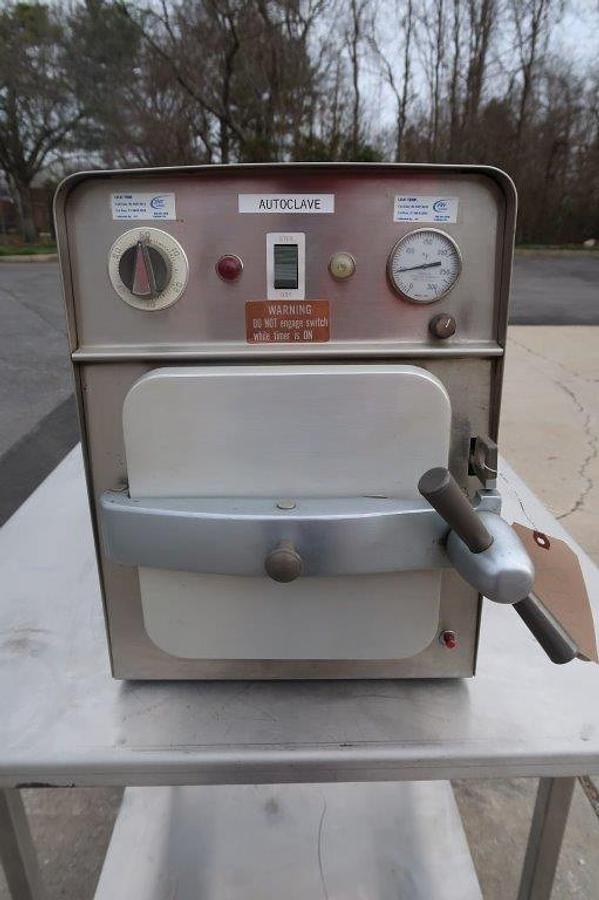
Used Amsco autoclaves come in a fairly wide range of chamber sizes, from compact tabletop units suited to dental offices and small clinics all the way up to large floor-standing sterilizers used in hospital sterile processing departments and pharmaceutical manufacturing. Tabletop models are typically designed for smaller instrument loads and fit into tighter spaces, making them popular with veterinary practices, outpatient clinics, and research labs that do not have the throughput demands of a full hospital SPD.
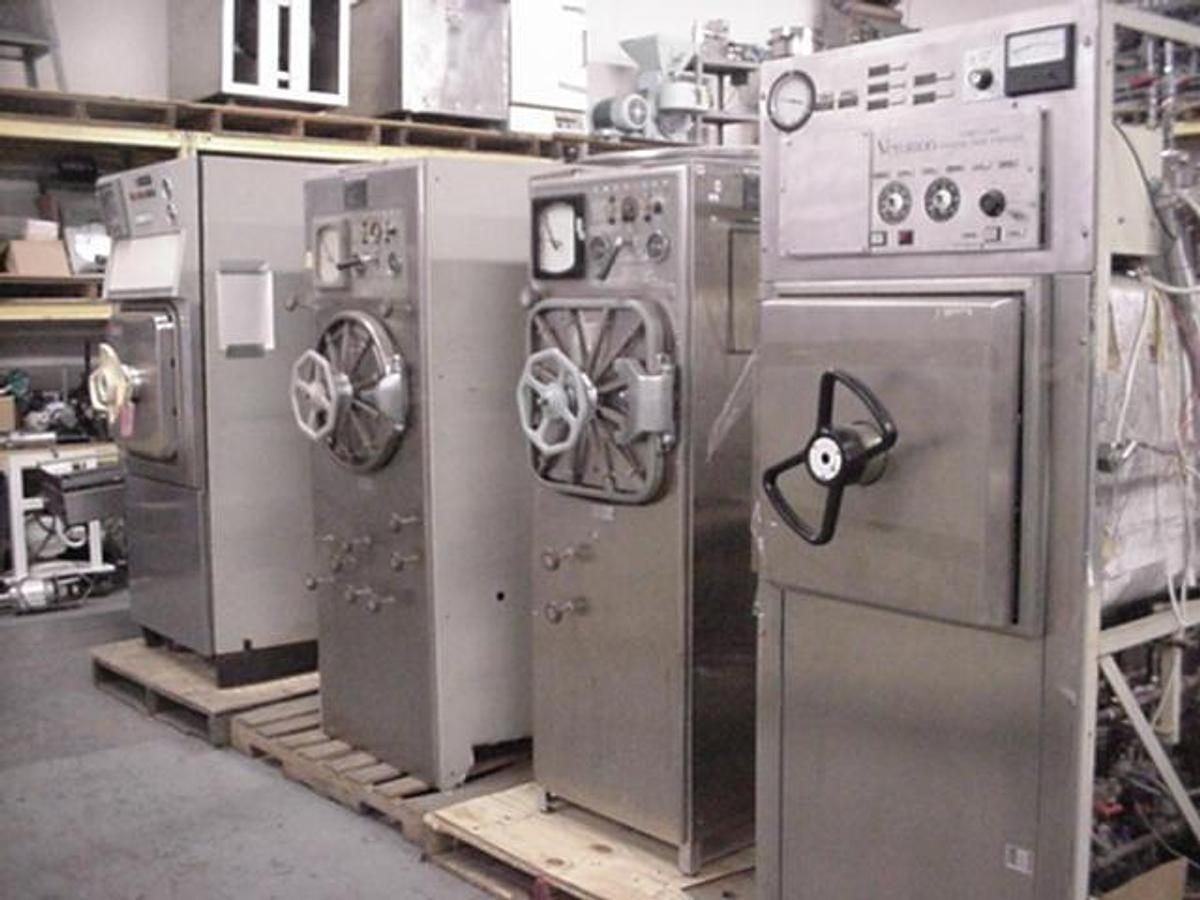
Larger floor-mounted Amsco units, such as those in the Eagle and Century series, offer significantly more chamber volume and are built for high-throughput environments. Chamber dimensions are usually expressed in inches or liters, and buyers should match the chamber size to the largest load configuration they expect to run. A unit like the Amsco 15-inch wide by 16-inch high by 25-inch deep autoclave is a good example of a mid-range chamber size that works well for moderate-volume applications. Knowing your load dimensions and daily sterilization volume before shopping for a used unit helps narrow down the right capacity range quickly.
How do I choose the right Amsco model for my facility?
Choosing the right Amsco autoclave starts with understanding the specific sterilization demands of your facility. A dental office processing a handful of instrument cassettes per day has very different needs than a hospital sterile processing department running dozens of instrument trays per shift. Key factors to consider include chamber size, cycle types (gravity vs. pre-vacuum), throughput volume, available utilities (steam supply, electrical service, drain access), and the types of loads you will be processing on a regular basis.
For smaller facilities like dental offices, veterinary clinics, or outpatient surgery centers, a tabletop or smaller floor-standing Amsco unit is often sufficient and more cost-effective. Larger facilities with high instrument turnover should look at the bigger Eagle or Century series units that offer faster cycle times and larger chamber capacities. It is also worth thinking about the age and model of the unit relative to parts availability, since older machines may have more limited support. Reaching out to the seller for detailed specifications and asking about the machine's history and last known operational status will help you make a more informed decision.
What are the installation requirements for an Amsco autoclave?
Amsco autoclaves have specific utility requirements that vary by model, and confirming these before purchase is an important part of the buying process. Most steam sterilizers require a dedicated electrical circuit, with larger floor-standing units often needing three-phase power. Steam supply is another critical consideration: some models are designed to connect to a facility's existing steam plant, while others have built-in steam generators that run on standard electrical service. Drain connections, water supply lines, and adequate ventilation are also part of the typical installation picture.
Space requirements matter too, since many Amsco floor-standing units need clearance on the sides and rear for service access, not just the footprint of the machine itself. Tabletop models are considerably simpler to install and typically run on single-phase electrical service, which makes them easier to place in smaller facilities without major utility modifications. Before finalizing a purchase, buyers should obtain the full technical specification sheet for the specific model and review it with a facilities engineer or biomedical equipment technician to confirm that the installation site can support the machine's requirements.
What should I look for when inspecting a used Amsco sterilizer before buying?
Inspecting a used Amsco autoclave thoroughly before purchase is one of the most important steps a buyer can take. The chamber interior is a good starting point: look for corrosion, pitting, or mineral deposits that could affect performance or indicate a history of poor water quality or neglect. The door gasket and door mechanism should operate smoothly, and the control panel should be checked for functionality across the available cycle types. Plumbing connections, the steam trap, and the drain should also be examined for signs of leaks or wear.
Reputable used equipment dealers will typically offer in-person inspections, virtual walk-throughs, or video documentation of the machine so buyers can assess its condition remotely. Some units may still be installed at a production or clinical facility where an operational demonstration can be arranged. Keep in mind that most equipment dealers do not have the permitting required to run actual sterilization production, so full cycle validation testing is usually something the buyer will need to arrange after installation. Asking the seller about the machine's service history, last known use, and whether any documentation is available can also provide useful context for evaluating the unit's condition.
What should buyers understand about purchasing used Amsco autoclaves without a warranty?
Used sterilization equipment is typically sold as-is, which is standard practice in the used machinery market. Warranties are generally only offered by equipment manufacturers on their products, and used equipment dealers do not typically extend those protections. This means the responsibility for evaluating the machine's condition falls on the buyer, which is why a thorough inspection before purchase is so important. Selecting a dealer with a long track record of selling medical and laboratory equipment, and one that specializes in sterilization equipment specifically, significantly reduces the risk of a bad purchase.
Buyers should also contact STERIS directly to ask about parts availability and technical support for the specific Amsco model they are considering. The age of the unit and its model generation can affect how readily parts and service documentation are available, which in turn affects the long-term cost of ownership. Older or discontinued models may have more limited manufacturer support, so factoring that into the purchase decision is a practical step. A dealer who is transparent about the machine's history and accommodates inspection requests is a good sign that the transaction is being handled professionally.
What are the typical shipping and logistics considerations for used Amsco autoclaves?
Shipping a used autoclave involves more planning than a typical freight shipment, especially for larger floor-standing units. Tabletop models can often be palletized and shipped via standard LTL freight with relatively straightforward packaging. Larger Amsco sterilizers, however, may require custom crating, heavy-duty rigging for loading and unloading, and specialized freight carriers experienced with medical equipment. The total landed cost of the machine includes not just the purchase price but also packaging, rigging, freight, and any unloading equipment needed at the destination.
Buyers should ask the seller for a detailed breakdown of packaging methods and shipping costs before committing to a purchase, since these costs can vary significantly based on machine size, distance, and the level of protection required. Some dealers will arrange full turnkey shipping including crating and rigging, while others may require the buyer to coordinate certain logistics independently. Getting clarity on who is responsible for each part of the shipping process, and what the machine will look like when it arrives, helps avoid surprises and ensures the equipment reaches its destination in the condition expected.