Category
Manufacturer
Model
Amfec
Amfec specializes in meat processing equipment, renowned within the food processing industry for their reliable mixing and grinding machines. Their state-of-the-art equipment facilitates efficient meat preparation processes, ensuring quality and consistency in production lines.
FAQ:
What types of equipment does Amfec manufacture for meat processing?
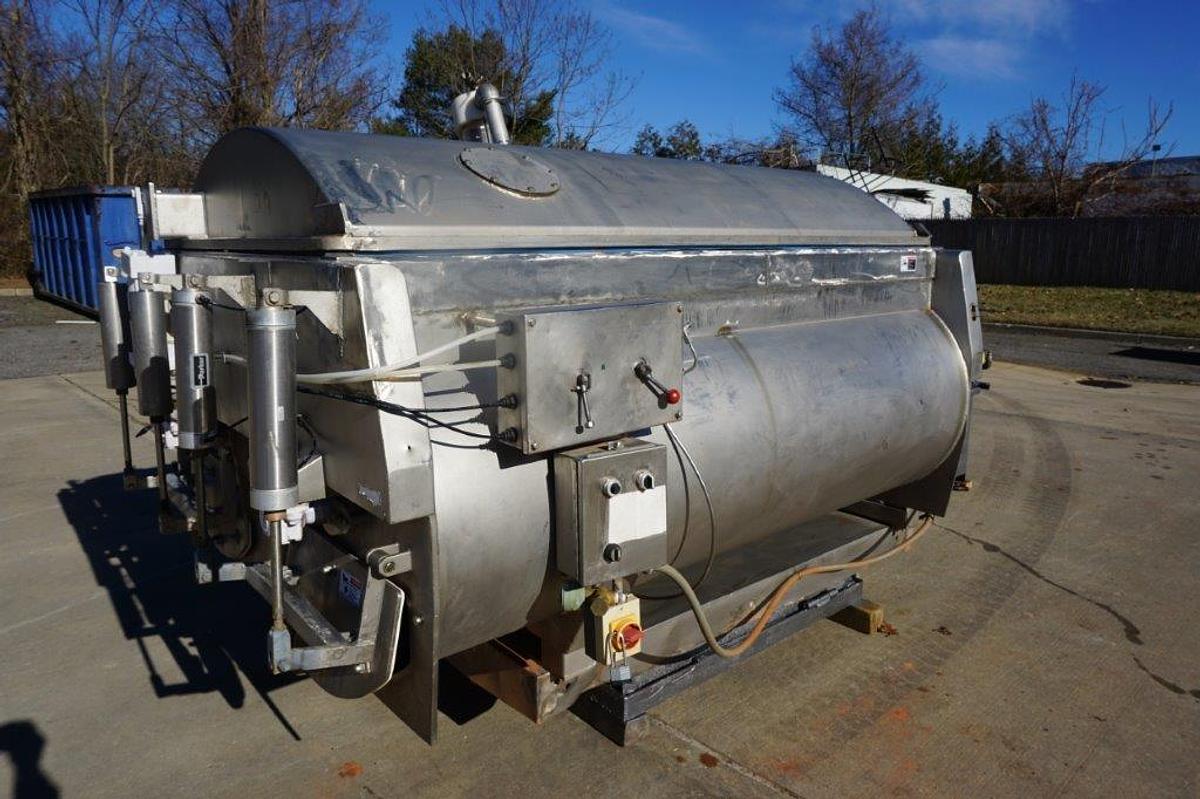
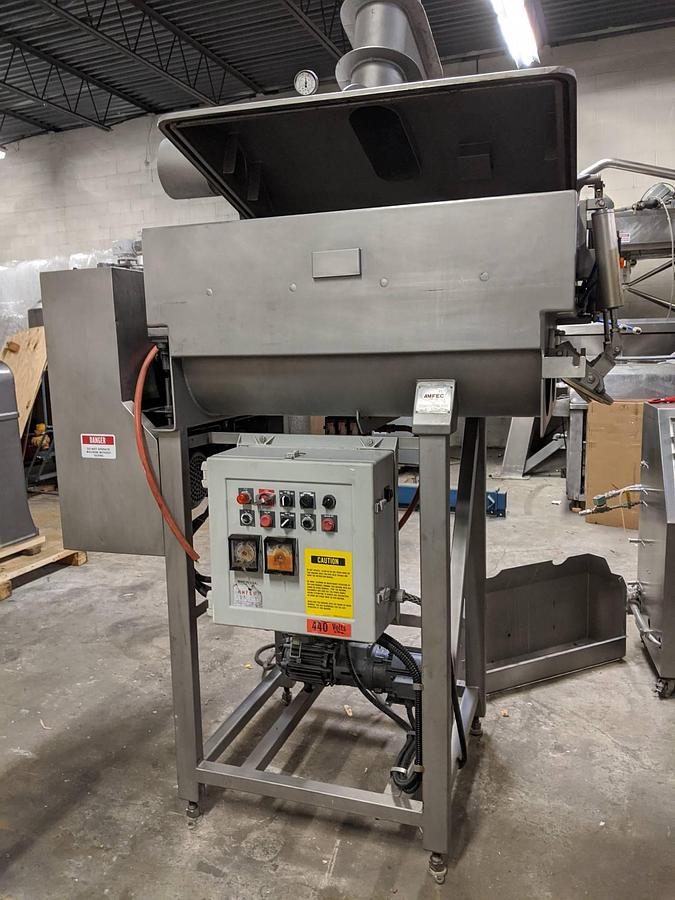
Amfec specializes in meat processing equipment, with a particular focus on mixing and grinding machines. Their product line includes vacuum mixers and dual shaft vacuum ribbon blenders, which are designed to handle large-scale meat preparation tasks with consistency. The vacuum mixer design is especially valued in commercial meat processing because it reduces air incorporation during mixing, which helps maintain product texture, color, and shelf life. Dual shaft ribbon blenders are commonly used for thorough, even blending of seasonings, binders, and other ingredients into ground or chunked meat.
Amfec machines are built with stainless steel construction, which is standard for food-grade processing equipment because it resists corrosion, tolerates repeated washdowns, and meets sanitation requirements. Their equipment is found in production environments that demand reliable throughput, and the brand has built a reputation within the food processing industry for producing durable, consistent machinery. Buyers looking at used Amfec equipment will most commonly encounter vacuum mixers in capacities ranging from several hundred to several thousand pounds, reflecting the brand's orientation toward mid-to-large commercial production volumes.
What is a vacuum mixer used for in meat processing?
A vacuum mixer is a piece of processing equipment that mixes meat under reduced atmospheric pressure. By pulling a vacuum inside the mixing chamber, the machine removes air from the product during the mixing cycle. This matters because air trapped in ground or emulsified meat can accelerate oxidation, which causes discoloration and faster spoilage. Vacuum mixing also improves protein extraction, which helps bind the meat more effectively and produces a tighter, more consistent texture in the finished product. It is widely used in the production of sausages, deli meats, marinated products, and formed meat items.
From an operational standpoint, vacuum mixers are preferred in facilities where product quality and shelf life are priorities. The equipment typically features a sealed stainless steel bowl or drum, a vacuum pump, and mixing paddles or ribbons that work the meat without overheating it. Capacity varies considerably across models, with commercial units ranging from a few hundred pounds per batch to several thousand pounds. When evaluating a used vacuum mixer, buyers should pay close attention to the condition of the vacuum seals, the pump's ability to hold pressure, and the integrity of the mixing paddles, since these components are most subject to wear in daily production use.
What is a dual shaft ribbon blender and how is it used in meat processing?
A dual shaft ribbon blender uses two counter-rotating ribbon agitators mounted on parallel shafts inside a trough-style mixing chamber. The ribbons move material in opposite directions simultaneously, which creates a thorough, rapid blend without requiring excessive mixing time. In meat processing, this type of blender is commonly used to incorporate spices, cure mixes, phosphates, and other dry or liquid ingredients into ground or diced meat. The dual shaft configuration is particularly effective for dense, heavy materials like ground meat because the opposing motion prevents dead zones where ingredients might otherwise remain unmixed.
The ribbon blender design also tends to be gentler on product structure than paddle or auger mixers, which is relevant when processors want to blend without overworking the meat or raising its temperature significantly. Stainless steel construction is standard for food-grade applications, and most commercial units include cleanout doors or full-access covers to facilitate sanitation between batches. When buying a used dual shaft ribbon blender, inspecting the ribbon edges for wear, checking shaft seals for integrity, and verifying that the drive system operates smoothly are all important steps before committing to a purchase.
Is Amfec meat processing equipment suitable for smaller operations like butcher shops?
Amfec equipment spans a range of capacities, and some models are practical for smaller commercial operations. A 500-pound capacity ribbon blender, for example, can fit the production scale of a mid-sized butcher shop or a specialty sausage producer, while a 3,000-pound vacuum mixer is clearly oriented toward higher-volume industrial or wholesale production. The key factor is matching the machine's rated batch capacity to the operation's actual daily throughput requirements, since running a large machine at a fraction of its capacity is inefficient and can affect mixing quality.
For smaller operations considering used Amfec equipment, the appeal is often the ability to acquire commercial-grade, stainless steel machinery at a lower price point than buying comparable equipment manufactured to the same standard. That said, smaller facilities should carefully assess the physical footprint of the machine, the electrical service requirements, and the availability of local service technicians familiar with the brand before purchasing. Used equipment dealers specializing in food processing machinery can often help buyers evaluate whether a specific model is a practical fit for their production environment.
What should buyers know about purchasing used meat processing equipment?
Buying used meat processing equipment requires a more thorough due diligence process than purchasing other types of industrial machinery, largely because food safety regulations, sanitation standards, and production reliability are all at stake. Buyers should prioritize dealers with a demonstrated track record in the food processing equipment sector, since industry-specific expertise means the dealer is more likely to accurately represent the condition of the machine and understand which components are prone to wear. Reputable dealers will typically accommodate in-person inspections, video walkthroughs, or photo documentation of the equipment so buyers can assess its current state before committing.
Used equipment is sold as-is, which places the responsibility for evaluating condition squarely on the buyer. Before finalizing a purchase, it is worth consulting the equipment manufacturer to understand parts availability for the specific model and age of the machine, since older models may have limited support or discontinued components. Buyers should also factor in the total landed cost, including shipping, rigging, installation, and any refurbishment needed to bring the machine to production-ready condition. A lower purchase price can quickly erode if significant repair work is required after delivery.
How should buyers inspect used Amfec equipment before purchasing?
The inspection process for used meat processing equipment like Amfec mixers and blenders should cover both mechanical condition and food-contact surface integrity. On the mechanical side, buyers should look at the drive motor, gearbox, and any belts or chains for signs of wear, leakage, or damage. The mixing elements, whether paddles, ribbons, or augers, should be checked for deformation, cracks, or excessive wear that could affect blending performance. For vacuum mixers specifically, the vacuum pump and all associated seals should be tested to confirm the machine can achieve and hold the required vacuum level.
Food-contact surfaces deserve equal attention. Stainless steel bowls, troughs, and paddles should be free of deep pitting, cracks, or weld repairs that could harbor bacteria and complicate sanitation. Gaskets and seals on access doors or covers should be intact and pliable rather than brittle or compressed. Most used equipment dealers can arrange an in-person inspection at the storage or production facility where the machine is located, or provide a detailed video inspection if travel is not practical. Keep in mind that dealers typically do not have the production permits required to run actual product through the equipment during an inspection, so the evaluation focuses on mechanical function rather than a live production test.
What are the typical price ranges for used commercial meat processing equipment?
Pricing for used commercial meat processing equipment varies widely based on the type of machine, its capacity, age, condition, and the brand's reputation in the market. Smaller-capacity mixers and blenders in the 100 to 500-pound range might sell in the low thousands of dollars in used condition, while larger industrial units with capacities of 1,000 pounds or more can range from roughly $10,000 to $50,000 or higher depending on the model and its working condition. Vacuum mixers generally command higher prices than standard atmospheric mixers because of the additional mechanical complexity involved in the vacuum system.
Beyond the purchase price, buyers should account for the full landed cost of the equipment. Freight for heavy industrial machinery can be substantial, particularly if the machine requires specialized rigging for loading and unloading. Crating or custom palletization to protect the equipment in transit adds to the cost as well. Any refurbishment, replacement of wear parts, or electrical modifications needed to match the buyer's facility will also factor into the true cost of ownership. Getting a clear breakdown of all these costs from the dealer before purchasing helps avoid surprises and allows for a more accurate comparison between different machines or sources.
What certifications and food safety standards apply to commercial meat processing equipment?
Commercial meat processing equipment in the United States is typically expected to meet standards set by organizations like NSF International (formerly the National Sanitation Foundation) and to comply with USDA requirements for equipment used in federally inspected facilities. NSF/ANSI 8 is the standard most directly relevant to food processing equipment, covering material safety, surface finish requirements, and design features that facilitate cleaning and sanitation. Equipment used in USDA-inspected plants must meet AMI (American Meat Institute) equipment design guidelines or equivalent standards that address cleanability and the prevention of harborage points for pathogens.
For equipment exported to or used in European markets, CE marking and compliance with EU food machinery directives are relevant. When buying used equipment, buyers should research whether the specific model was originally built to meet applicable standards, and should verify that any modifications made over the machine's service life have not compromised its compliance. Stainless steel construction, smooth weld seams, and the absence of crevices or threads in food-contact zones are practical indicators of equipment designed with sanitation in mind. Consulting the manufacturer about the original design specifications for a particular model can help clarify what standards it was built to meet.
How does shipping and logistics work when buying large used meat processing equipment?
Shipping heavy meat processing equipment involves several steps that buyers should understand before finalizing a purchase. The dealer or seller is typically responsible for preparing the machine for transport, which may include draining any fluids, securing moving parts, and palletizing or crating the equipment to prevent damage in transit. The level of packaging required depends on the size and fragility of the machine, and costs will vary accordingly. Buyers should ask the dealer specifically what packaging is included in the quoted price and what additional charges might apply for custom crating or heavy-duty rigging.
Larger machines like industrial vacuum mixers often require a forklift or crane for loading at the origin and unloading at the destination. If the buyer's facility does not have appropriate unloading equipment, arranging for a rigging company or a freight carrier with liftgate service is necessary, and that cost falls to the buyer. Freight rates for heavy industrial equipment are calculated based on weight, dimensions, distance, and the freight class assigned to the shipment. Buyers should request a full landed cost estimate from the dealer that includes packaging, loading, freight, and any unloading or rigging charges, so the total investment is clear before the purchase is made.
Are replacement parts and ongoing support available for used Amfec meat processing equipment?
Parts availability is one of the most practical considerations when buying used equipment from any manufacturer, and it is worth investigating before committing to a purchase. The best starting point is to contact Amfec directly and provide the model number and approximate age of the machine in question. Manufacturers can typically advise on whether parts are still stocked, whether the model is still supported, or whether certain components have been superseded by updated versions. For older machines, some parts may no longer be available through the manufacturer, which means buyers would need to rely on third-party fabrication or aftermarket suppliers for certain components.
Wear items like seals, gaskets, mixing paddles, and drive belts are the components most likely to need replacement during the life of the machine, and these are also the parts most commonly available through third-party suppliers even when manufacturer support has lapsed. Buyers should also consider whether local service technicians or food processing equipment specialists in their area have experience working on the brand, since field service support matters as much as parts availability when a machine goes down during production. Asking the selling dealer about the machine's service history and any recent repairs or part replacements can provide useful insight into what maintenance attention the equipment may need in the near term.