Category
Manufacturer
Model
American Process Systems
American Process Systems is a provider of custom industrial mixing and blending solutions, serving industries like food, pharmaceuticals, and plastics. Known for their high-performance mixing equipment, they ensure consistency and quality in product processing and formulation.
FAQ:
What types of equipment does American Process Systems manufacture?
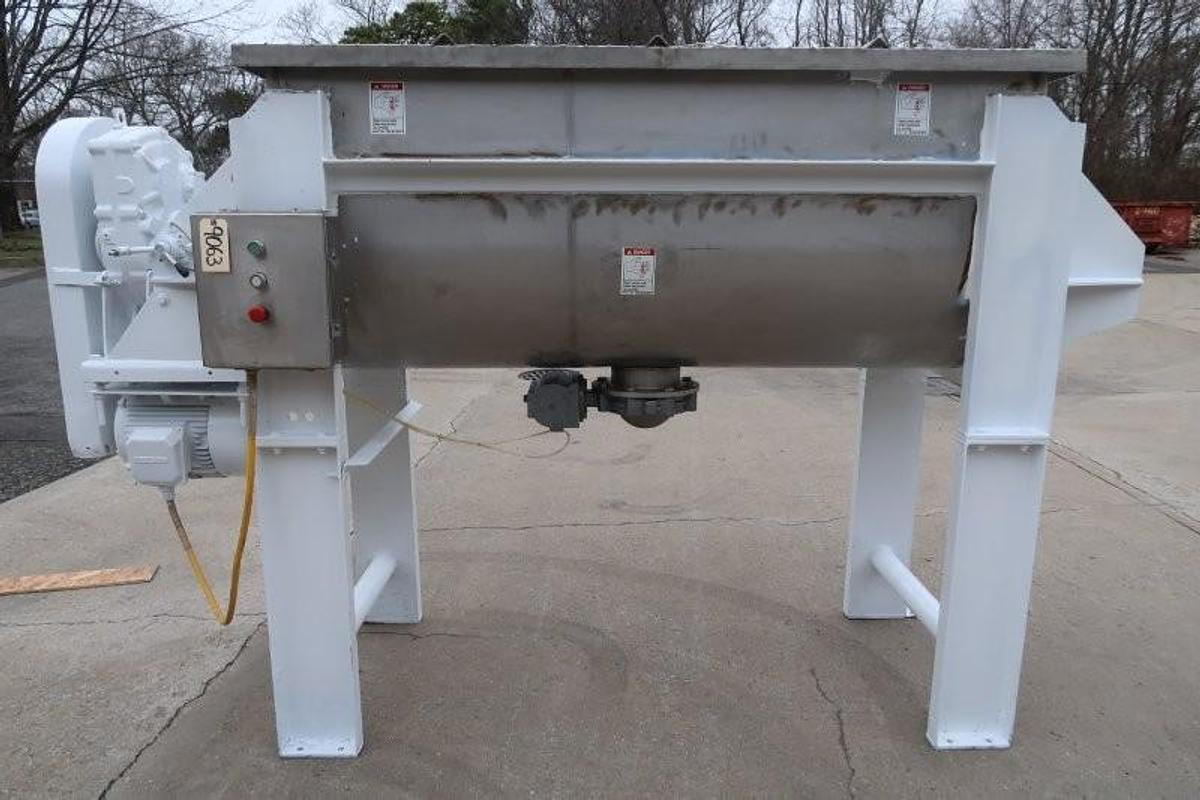
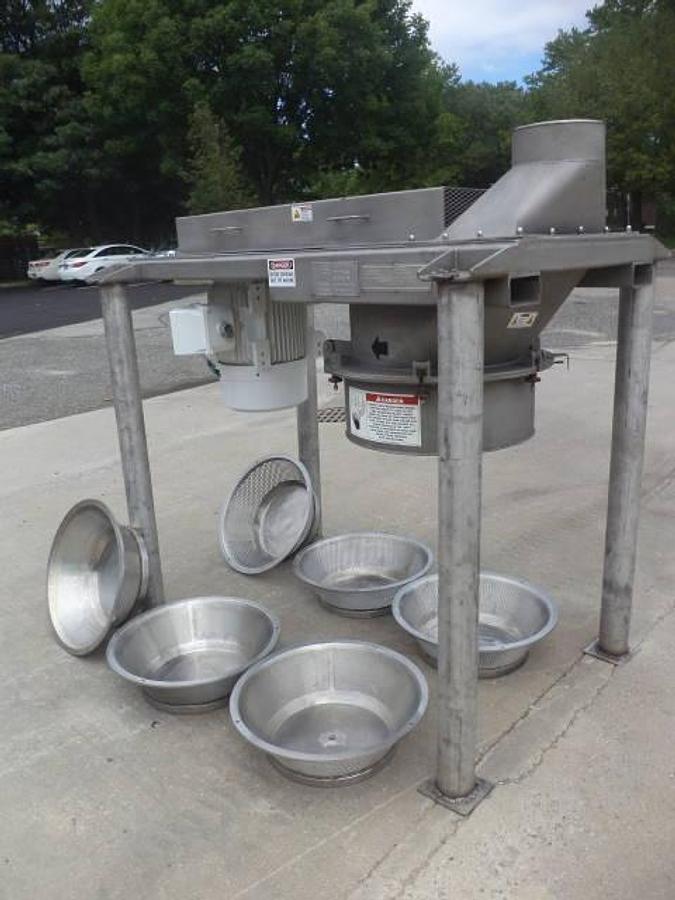
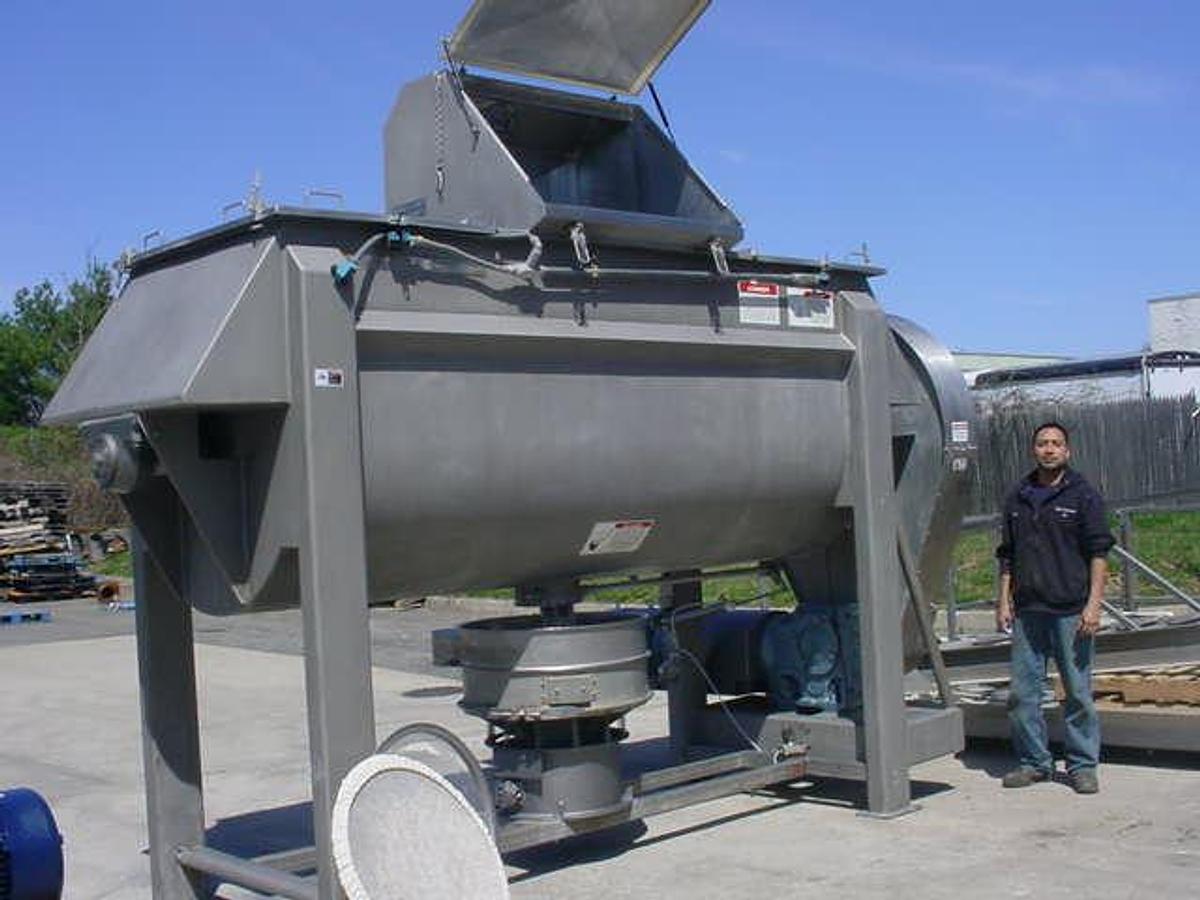
American Process Systems (APS) specializes in custom industrial mixing and blending equipment built for heavy-duty production environments. Their product line includes ribbon blenders, paddle blenders, conical finishers, and bulk material handling systems. Ribbon blenders are among their most recognized products, available in a wide range of capacities from compact lab-scale units to large industrial models exceeding 200 cubic feet. The CF-240 Conical Finisher is another well-known piece of APS equipment, used for finishing and refining bulk materials in continuous or batch processing workflows.
APS equipment is built with durability as a core design principle, which is a big reason so many units remain operational after decades of use. Many machines are constructed with stainless steel contact surfaces, making them suitable for sanitary processing environments. The company has historically focused on delivering consistent blending performance across a variety of dry and semi-dry materials, which has made their equipment a go-to choice for processors who need reliability in high-volume production settings.
What industries use American Process Systems blending and mixing equipment?
American Process Systems equipment serves a broad range of process industries, with particularly strong adoption in food processing, pharmaceuticals, plastics compounding, chemicals, and agriculture. In food manufacturing, APS ribbon blenders and paddle mixers are used to blend dry ingredients like spices, powders, flour mixes, and nutritional supplements. The stainless steel construction on many models meets the sanitary standards required for food-grade and pharmaceutical production environments, where contamination control and cleanability are non-negotiable.
In the chemical and plastics industries, APS equipment handles tasks like blending polymer pellets, pigments, fillers, and other bulk solids that require uniform distribution before downstream processing. Agricultural applications often involve blending fertilizers, seed coatings, and animal feed ingredients. The versatility of APS equipment across such different material types speaks to the engineering flexibility built into their designs, and it also explains why used APS machines hold their value well in the secondary market. Buyers from multiple industries actively seek out this equipment because it translates well across different processing applications.
What should I look for when buying used American Process Systems equipment?
Purchasing used industrial mixing or blending equipment requires a methodical approach to condition verification. For APS machines, key inspection points include the condition of the ribbon or paddle agitator (checking for wear, cracks, or deformation), the integrity of the trough or vessel (especially welds and surface finish on stainless steel models), the condition of shaft seals and end plates, and the operational state of the drive motor and gearbox. On stainless steel units intended for food or pharmaceutical use, buyers should also look closely at surface finish quality and whether any repairs or welds could create sanitary compliance issues.
Reputable used equipment dealers will typically accommodate in-person inspections or video walkthroughs of the machine. Some equipment may still be installed at an active production facility, in which case the dealer can often arrange a visit or live video session so you can observe the machine in its current state. Keep in mind that most dealers do not have production permits to run actual product through the equipment, so functional testing is generally limited to dry runs or motor checks. Asking for detailed photos, video footage, and any available maintenance history will help you build a clearer picture of what you are buying before committing.
What capacity ranges are available for used American Process Systems ribbon blenders?
Used APS ribbon blenders appear on the secondary market in a wide range of capacities, which is one reason they attract buyers from small specialty processors all the way up to large-scale industrial operations. Smaller units suited for pilot batches or limited-volume production can be found in the range of a few cubic feet, while mid-range commercial units commonly fall between 20 and 100 cubic feet. Heavy industrial models, including double ribbon blender configurations, can exceed 120 cubic feet and in some cases reach well beyond 200 cubic feet for high-throughput applications.
Capacity is typically one of the first filtering criteria buyers use when searching for used APS equipment, since the blender must match the batch size requirements of the production line. It is worth noting that the rated capacity of a ribbon blender reflects the total vessel volume, and actual working fill levels are usually recommended at around 50 to 75 percent of total capacity to ensure proper blending action. Buyers should confirm the working capacity specifications with the dealer and cross-reference them against their own batch weight and volume requirements before making a purchase decision.
Why is used American Process Systems equipment still widely available and in demand?
APS built a strong reputation over the years for manufacturing heavy-duty equipment that holds up through years of continuous industrial use. Many of their ribbon blenders and bulk handling systems were engineered with thick-gauge stainless steel construction and robust drive systems, which means a well-maintained unit can remain fully functional for decades. This longevity is a primary reason why the secondary market for APS equipment stays active. When food processors, chemical manufacturers, or pharmaceutical companies upgrade or consolidate operations, their decommissioned APS machines often still have significant useful life remaining.
The demand side of the equation is equally straightforward. Buying used APS equipment allows processors to acquire proven, heavy-duty machinery at a fraction of what comparable new equipment would cost. For companies scaling up production, running pilot programs, or replacing a failed unit quickly, the used market offers both cost savings and faster lead times compared to ordering custom-built equipment from a manufacturer. The combination of APS equipment's documented durability and the cost advantages of the secondary market keeps both supply and demand consistently healthy.
Is stainless steel construction standard on used American Process Systems equipment?
Many APS mixing and blending machines were built with stainless steel construction, particularly those intended for food, pharmaceutical, and sanitary processing applications. Stainless steel ribbon blenders and processing vessels resist corrosion, are easier to clean and sanitize, and meet the surface finish requirements that regulated industries typically mandate. When browsing used APS equipment, listings will often specify whether the unit is stainless steel or carbon steel construction, and this distinction has a meaningful impact on both the price and the range of industries the equipment is suitable for.
For buyers in food or pharmaceutical manufacturing, stainless steel construction is usually a firm requirement rather than a preference. It is worth confirming the specific grade of stainless steel (304 and 316 are the most common in sanitary equipment), as well as the interior surface finish, since scratches or rough welds can harbor bacteria and create compliance issues. Used equipment that has been used in non-sanitary applications may show surface wear or contamination that disqualifies it from food-grade use without significant refurbishment. Asking the dealer for detailed interior photos and any documentation about the machine's prior use history is a practical step before purchase.
Are replacement parts and manufacturer support available for older American Process Systems machines?
Parts availability and manufacturer support for older industrial equipment can vary significantly depending on the age of the machine and the current status of the manufacturer. Before purchasing a used APS unit, prospective buyers are well advised to contact the manufacturer directly to ask about parts availability for the specific model and serial number they are considering. Manufacturers can often indicate whether wear components like shaft seals, agitator ribbons, bearings, and drive components are still available through their parts program, or whether the model is old enough that support has been discontinued.
For machines where factory parts support is limited, buyers have a few practical alternatives. Many ribbon blender components are produced to relatively standard specifications, meaning aftermarket suppliers or machine shops can fabricate replacement parts based on measurements from the existing machine. Drive motors and gearboxes on APS equipment are typically sourced from major industrial suppliers and can often be replaced with equivalent units from multiple vendors. Establishing a relationship with a local industrial service shop familiar with bulk solids processing equipment is a smart move for any operation running older machinery, as it reduces dependence on a single parts source.
What should buyers understand about shipping and rigging costs for used APS equipment?
Industrial mixing and blending equipment can be heavy and awkwardly shaped, which makes logistics planning an important part of the total cost calculation when buying used. A large stainless steel ribbon blender, for example, may weigh several thousand pounds and require specialized rigging equipment for loading at the seller's location and unloading at the buyer's facility. Rigging services involve cranes, forklifts, or other heavy-lift equipment and are typically an added cost on top of the base freight charge. Buyers should ask the dealer upfront for a detailed breakdown of packaging, rigging, and freight costs to understand the full landed cost of the equipment before finalizing a purchase.
Packaging requirements also affect shipping costs. Smaller machines may ship on standard pallets, while larger or more fragile equipment may require custom crating to prevent damage in transit. The level of packaging protection required will depend on the transport method (flatbed truck, enclosed freight, LTL, or dedicated transport) and the distance involved. Getting a freight quote that accounts for the actual dimensions and weight of the machine, including any disassembly required for transport, will give buyers a realistic picture of total acquisition cost. Surprises in freight and rigging expenses are one of the more common issues buyers encounter when purchasing used industrial equipment, so asking detailed questions early in the process is worth the effort.
What payment terms are typical when buying used industrial processing equipment?
Used equipment transactions in the industrial machinery market generally follow a straightforward payment structure. Most dealers require full payment prior to releasing equipment for shipment. This is standard practice across the industry and reflects the fact that used machinery transactions involve significant sums and logistical coordination that dealers need to have secured before arranging loading and transport. Buyers who are new to a particular dealer should expect to pay in full upfront, typically by wire transfer, though accepted payment methods vary by seller.
For buyers who have an established purchasing history with a specific dealer, some flexibility on payment terms may be possible. Repeat customers occasionally have access to net terms or staged payment arrangements, but these are generally extended at the dealer's discretion rather than offered as a standard policy. Buyers working on larger acquisitions or purchasing multiple pieces of equipment at once may also find more room for negotiation. Regardless of payment structure, buyers should ensure they receive clear documentation of the transaction, including an itemized invoice, equipment description, and any agreed-upon conditions of sale, before funds are transferred.
How do I evaluate a used equipment dealer selling American Process Systems machinery?
The quality and trustworthiness of the dealer matters as much as the condition of the equipment itself in a used machinery transaction. Because used industrial equipment is sold without the manufacturer's warranty backing, the buyer carries the responsibility of due diligence. A dealer's track record, industry specialization, and willingness to facilitate thorough inspections are among the most important factors to evaluate. Dealers who have been operating in a specific industry segment for many years and who focus on process equipment rather than selling general surplus across dozens of unrelated categories tend to have deeper product knowledge and more reliable condition assessments.
Practical indicators of a reputable dealer include a well-documented inventory with detailed specifications and photos, responsiveness to technical questions about the equipment, and a clear willingness to arrange in-person or video inspections. Dealers who can speak knowledgeably about a machine's prior use, its configuration, and its current condition are generally more trustworthy than those offering only minimal information. Checking for reviews, industry references, or a history of transactions with known manufacturers and processors in the relevant industry can also help buyers gauge a dealer's credibility before committing to a purchase.