Category
Manufacturer
Model
American Can Co.
American Can Co., a historical leader in metal can manufacturing, has played a crucial role in the packaging industry, particularly for food and beverage cans. Their innovations have set standards in can-making processes, offering durability and safety for canned goods.
FAQ:
What is an American Can Co. can seamer and what was it designed to do?
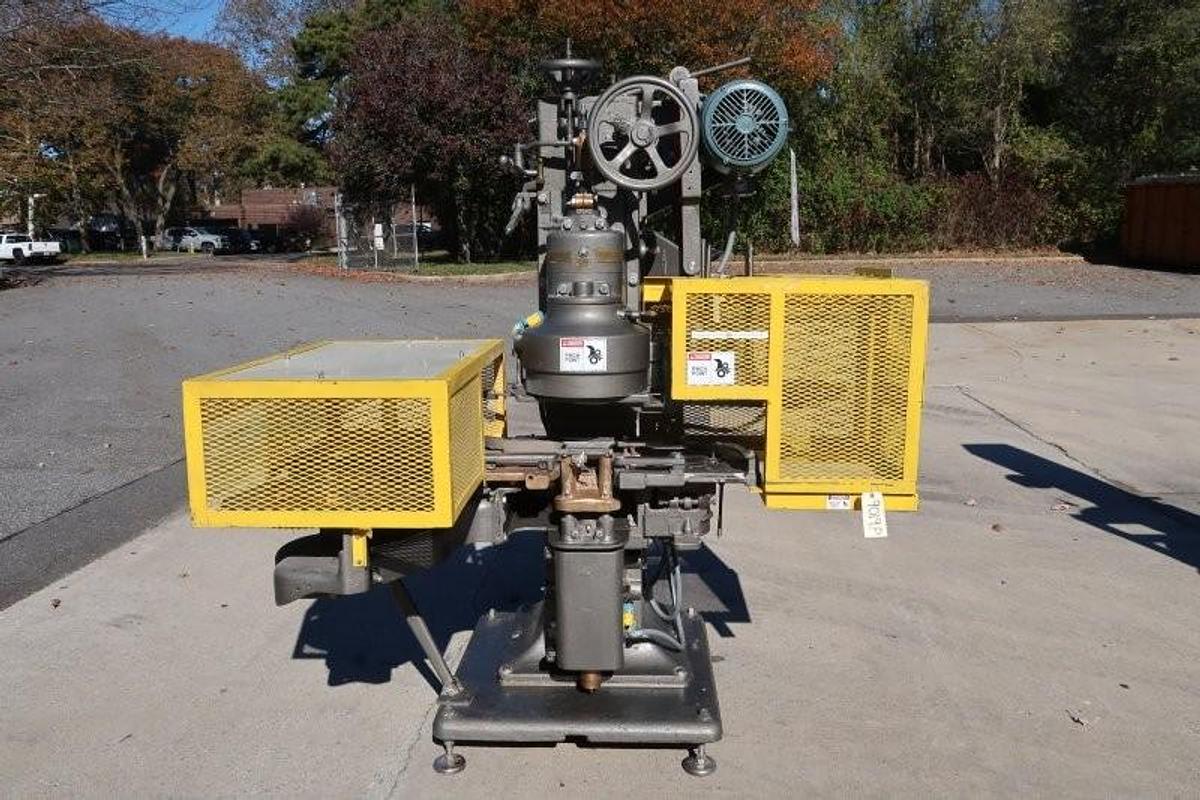
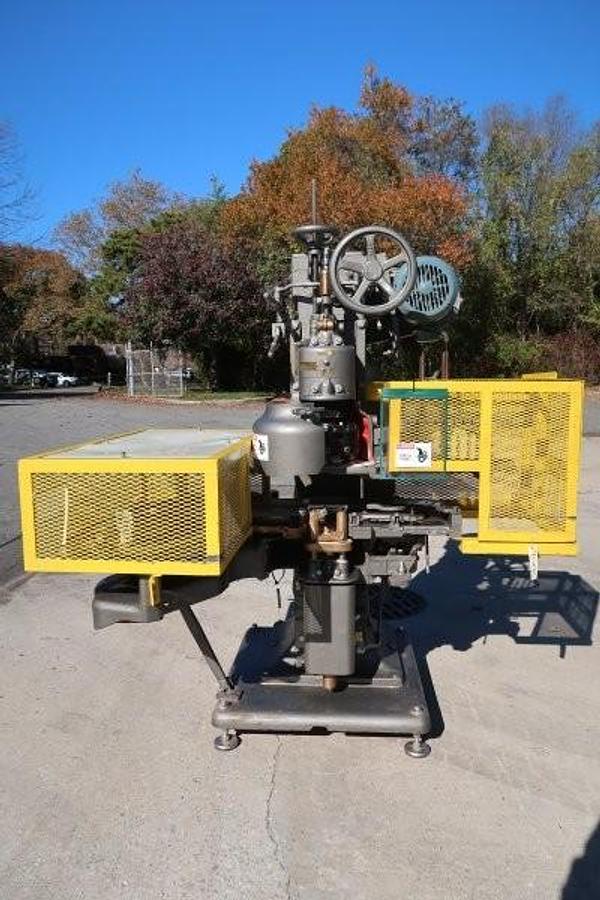
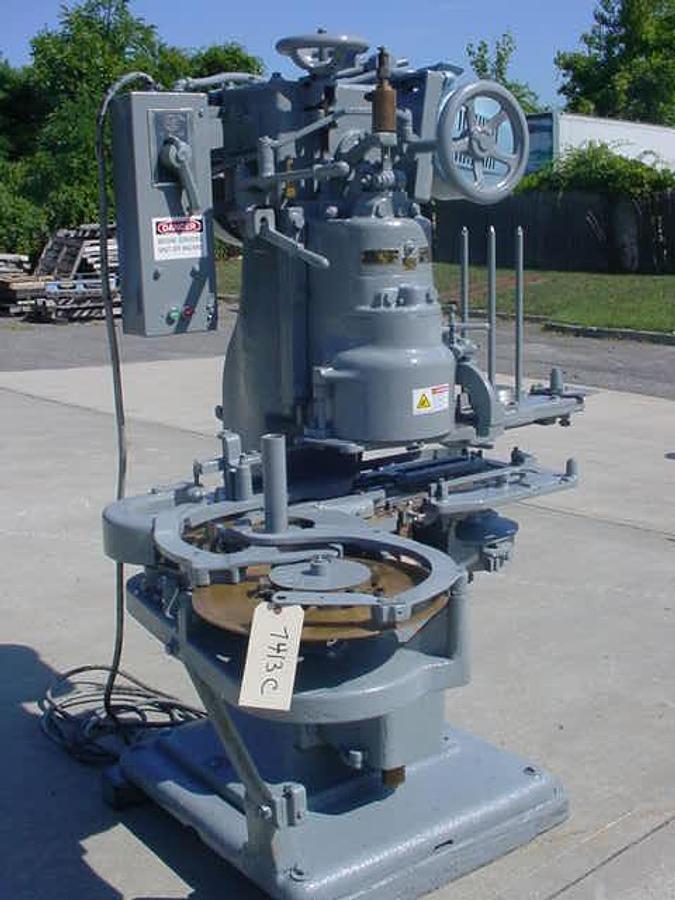
American Can Company, often referred to as AmCan, was one of the largest and most historically significant can manufacturers in the United States, operating from 1901 until its restructuring in the 1980s. The can seamers produced under the American Can Co. and Canco brand names were purpose-built industrial machines designed to create hermetically sealed double seams on metal cans, primarily for food and beverage packaging. These machines were engineered to handle high-volume commercial canning lines where speed, consistency, and seal integrity were critical requirements.
The double-seam process these machines perform involves two distinct rolling operations. The first operation hooks the can end curl into the flange of the can body, and the second operation compresses and irons the seam to create an airtight, pressure-resistant seal. This seaming standard became the foundation for modern canning technology across the food and beverage industry. Because American Can Co. set many of the early benchmarks in can-making processes, their equipment reflects heavy industrial construction and precision engineering standards that were ahead of their time, which is a large part of why many of these machines remain operational decades after they were manufactured.
What can sizes and diameters are American Can Co. seamers built to handle?
American Can Co. seamers were manufactured to handle specific can diameters, and each machine is typically configured for a particular size rather than being universally adjustable across a wide range. Common diameter designations seen on these machines include 401 (roughly 4 1/16 inches), 603 (roughly 6 3/16 inches), and configurations for #10 cans, which are the large-format cans widely used in food service and institutional canning. For example, the Canco 08 Can Seamer is available in both 401 and 603 diameter configurations, while the American Can Company 422-1e-00 Can Closer is set up for 401 diameter cans.
Buyers should pay close attention to the specific diameter and height specifications listed for any used American Can Co. seamer they are considering, because tooling and seaming rolls are matched to those dimensions. Running a can size outside the machine's designed range without proper retooling is not practical and can result in defective seams. If a buyer needs to process a can size that differs from the machine's current configuration, they should consult with a seaming equipment technician to determine whether the necessary tooling changes are feasible and what parts would be required.
What types of products and industries were American Can Co. seamers built for?
American Can Co. seamers were designed from the ground up for high-volume commercial and industrial canning operations. Their primary applications were in food processing facilities handling products like vegetables, fruits, soups, and other shelf-stable goods, as well as beverage operations requiring sealed metal cans. The machines were built to run continuously in production environments where throughput and seal reliability were non-negotiable. This industrial heritage means the equipment is physically substantial, often requiring dedicated floor space, proper electrical service, and skilled operators familiar with seaming mechanics.
Because of this industrial pedigree, these machines are generally not well-suited for small-scale craft operations or hobbyist use. A craft brewery or small-batch food producer looking to hand-pack a few hundred cans per run would find the scale, power requirements, and complexity of an American Can Co. seamer to be more than necessary for their needs. That said, mid-sized commercial operations that need proven, durable seaming equipment and have the technical staff to operate and maintain it may find a used American Can Co. seamer to be a cost-effective option compared to purchasing newer commercial equipment at full price.
Are replacement parts still available for vintage American Can Co. seamers?
Parts availability is one of the most important practical considerations when purchasing a used American Can Co. seamer. Since American Can Company no longer exists as a manufacturer, there is no factory parts program or direct manufacturer support to rely on. Buyers are generally limited to three sources for replacement components: aftermarket suppliers who have produced compatible parts over the years, machined custom parts fabricated by a qualified machine shop working from original specifications, or parts cannibalized from other American Can Co. units that are being sold for parts rather than production use.
The good news is that the double-seam technology these machines use follows principles that are well understood across the seaming equipment industry, so experienced technicians who specialize in canning equipment can often identify wear parts, measure critical dimensions, and source or fabricate what is needed. Seaming rolls, chucks, and drive components are the most commonly replaced items on any seamer, and these can sometimes be cross-referenced against parts from other manufacturers that used similar standards. Buyers should factor parts sourcing into their total cost of ownership calculation and, before purchasing, consult with a seaming equipment specialist to assess the condition of the machine's most wear-prone components and understand what replacements might be needed in the near term.
How do double-seam can seamers work, and why does seam quality matter?
A double-seam can seamer joins a can end to a can body through two sequential rolling operations performed by seaming rolls and a chuck. In the first operation, a seaming roll curls the flange of the can end and the flange of the can body together, creating an interlocking hook. In the second operation, a second seaming roll compresses and irons that hook tightly, producing a flat, layered seam that is airtight and mechanically strong. The chuck holds the can end in place against the can body during both operations to maintain alignment and consistent pressure.
Seam quality is critical in commercial canning because a defective seam can allow air, moisture, or microorganisms to enter the can, compromising product safety and shelf life. In food canning applications, regulatory standards govern seam dimensions including seam thickness, seam length, and countersink depth, and processors are typically required to perform regular seam teardown inspections to verify compliance. A properly functioning seamer produces consistent seams within tight tolerances across thousands of cans per run. This is why the condition of the seaming rolls, chuck, and drive components on any used seamer should be thoroughly evaluated before the machine is put into production.
What should buyers inspect when evaluating a used American Can Co. seamer?
A thorough inspection of a used American Can Co. seamer should cover both mechanical condition and operational history. Key mechanical areas to examine include the seaming rolls and chuck for wear, scoring, or pitting, since these components directly determine seam quality and are subject to significant wear in production use. The drive mechanism, including gears, cams, and bearings, should be checked for play, noise, and signs of deferred maintenance. The seaming head alignment and timing are also critical, as misalignment can produce defective seams even if individual components appear acceptable. Electrical components, motors, and controls should be evaluated for functionality and safety compliance.
Most used equipment dealers will accommodate in-person inspections or, where that is not possible, virtual inspections via video call or recorded video walkthroughs of the machine. Some machines may still be installed at a production facility where they can be observed running, which provides the best possible view of mechanical condition. Keep in mind that most dealers do not have the permitting or production capabilities to run actual product through a seamer during an inspection, so buyers should focus on assessing mechanical condition rather than expecting a full production trial. Consulting with an independent seaming equipment technician who can evaluate the machine alongside you is a worthwhile investment before committing to a purchase.
What is the typical seaming capacity of industrial can seamers like those made by American Can Co.?
Industrial can seamers designed for commercial canning operations, including those produced by American Can Company under the Canco brand, were built to handle production volumes far beyond what a manual or benchtop seamer could achieve. Depending on the specific model and configuration, commercial seamers of this era could typically process anywhere from several hundred to well over a thousand cans per minute in fully automatic configurations integrated into a canning line. Single-head seamers, which perform one can at a time through the seaming cycle, operate at lower throughput than multi-head turret-style machines, which can process multiple cans simultaneously.
The actual throughput a buyer can expect from a specific used machine depends on its model, the number of seaming heads, its mechanical condition, and how it is integrated into a production line. A machine that has been sitting idle or that requires reconditioning may not immediately achieve its rated capacity until it has been properly serviced and adjusted. Buyers should research the specific model they are considering and, if possible, speak with a seaming equipment technician who is familiar with that model to get a realistic sense of what production rates to expect after any necessary setup and adjustment work.
What maintenance does a commercial can seamer require to stay in proper working order?
Regular maintenance on a commercial can seamer focuses on lubrication, inspection, and adjustment of the components that directly affect seam quality. Seaming rolls and chucks should be inspected frequently for wear, since even minor surface degradation on these parts can translate into seam defects. Bearings throughout the drive train require periodic lubrication according to the manufacturer's specifications, and any bearings showing signs of wear or noise should be replaced before they cause more significant damage. Drive gears and cams should be checked for proper mesh and lubrication, and timing adjustments should be verified periodically to ensure the seaming operations occur in the correct sequence.
Beyond the mechanical components, seam quality itself should be monitored through regular teardown inspections, where sample cans are cross-sectioned and measured to verify that seam dimensions remain within acceptable tolerances. This practice is standard in commercial canning operations and serves as an early warning system for tooling wear or machine drift before it results in a batch of defective product. For vintage machines like those from American Can Co., where factory service support is not available, establishing a relationship with an independent seaming equipment technician who can perform periodic tune-ups and address wear as it develops is an important part of keeping the equipment running reliably.
What are the shipping and rigging considerations for purchasing a used American Can Co. seamer?
Commercial can seamers are heavy industrial machines, and the logistics of moving them require planning well beyond standard freight shipping. Depending on the model, these machines can weigh several hundred to several thousand pounds and may have a footprint that requires a full pallet or custom crating to protect during transit. Proper packaging is essential, as vibration and impact during shipping can damage precision components like seaming heads, chucks, and drive mechanisms that are difficult and expensive to repair or replace. Buyers should ask the selling dealer specifically what packaging, palletization, or crating will be provided and factor those costs into the total purchase price.
For larger or heavier machines, professional rigging services are typically required for both loading at the origin facility and unloading at the destination. Rigging costs vary based on machine size, weight, and site conditions, and they can add meaningfully to the landed cost of the equipment. Buyers should also consider what equipment they will need on their end to receive and position the machine, including forklifts or cranes rated for the machine's weight. Getting a complete picture of all shipping, rigging, and handling costs before finalizing a purchase helps avoid surprises and allows for accurate budgeting of the total investment.
What payment terms should buyers expect when purchasing used industrial canning equipment?
The standard practice in the used industrial equipment market is for dealers to require full payment before a machine is released for shipping. This applies across most transactions regardless of machine type or price point. Credit card payments, wire transfers, and other bank-to-bank payment methods are the most common forms accepted, though specific options vary by dealer. Buyers should confirm accepted payment methods early in the process to avoid delays once a purchase decision is made.
Some dealers may offer extended payment terms or other arrangements to established customers with a history of prior transactions, but this is not a standard offering for first-time buyers. Buyers who require financing should explore equipment financing options through third-party lenders who specialize in industrial machinery before beginning their search, so that funding is in place when they find the right machine. Because used equipment inventory moves and machines can sell quickly, having financing arranged in advance puts a buyer in a much stronger position to act decisively when the right piece of equipment becomes available.