Category
Manufacturer
Model
Aline
Aline offers customized conveyor systems and material handling solutions, catering to industries such as logistics, food processing, and manufacturing. They are known for their modular conveyor designs that enhance operational flexibility and efficiency in material transport and handling applications.
FAQ:
What types of packaging materials can Aline sealing machines handle?
Aline sealing machines are designed to work with a range of common packaging materials used across food processing, pharmaceutical, and retail applications. Depending on the specific model, these machines can typically handle polyethylene, polypropylene, laminated films, and vacuum bags. The HDV-48VS, for example, is built specifically for vacuum bag sealing, while the STS-7 and the Jaws TP-30 are designed for plastic tube sealing applications. Each machine is suited to a particular format, so matching the machine model to the intended packaging material is an important step before purchasing.
Temperature control is a key factor in material compatibility. Machines with adjustable heat settings give operators the flexibility to fine-tune seals for different film thicknesses and material compositions. Laminated or multi-layer films, for instance, often require different temperature settings than single-layer polyethylene. When evaluating a used Aline sealing machine, buyers should confirm which materials the specific model was designed for and verify that the heating elements and sealing bars are in good working condition, as these components directly affect seal quality and consistency.
What is the difference between the Aline HDV-48VS and the Aline STS-7?
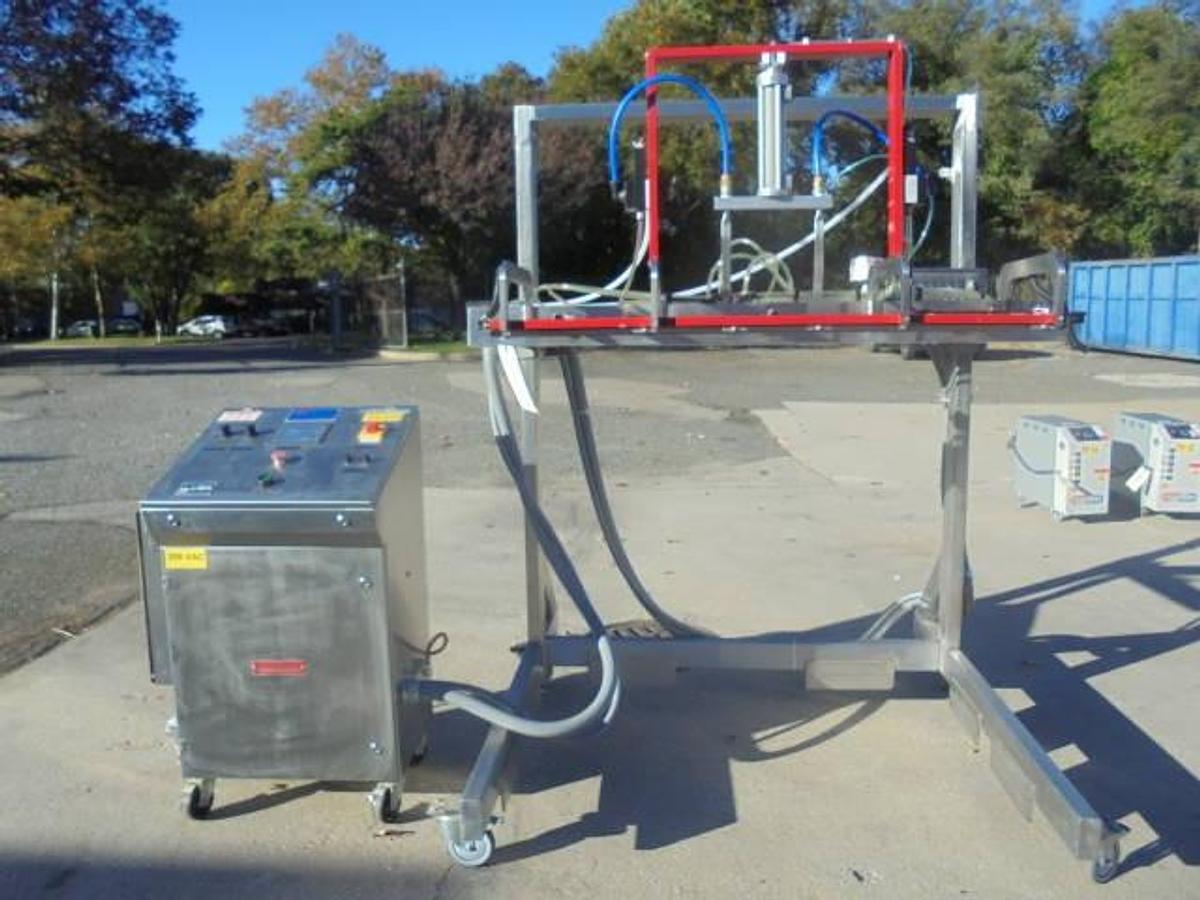
The Aline HDV-48VS is a vacuum bag sealing machine constructed with a stainless steel frame, making it well-suited for environments that require sanitary surfaces, such as food processing or pharmaceutical packaging lines. The stainless steel build also contributes to durability in production settings where the machine may be exposed to moisture or cleaning agents. Its primary function is sealing vacuum bags, which are commonly used to extend product shelf life by removing air from the package before sealing.
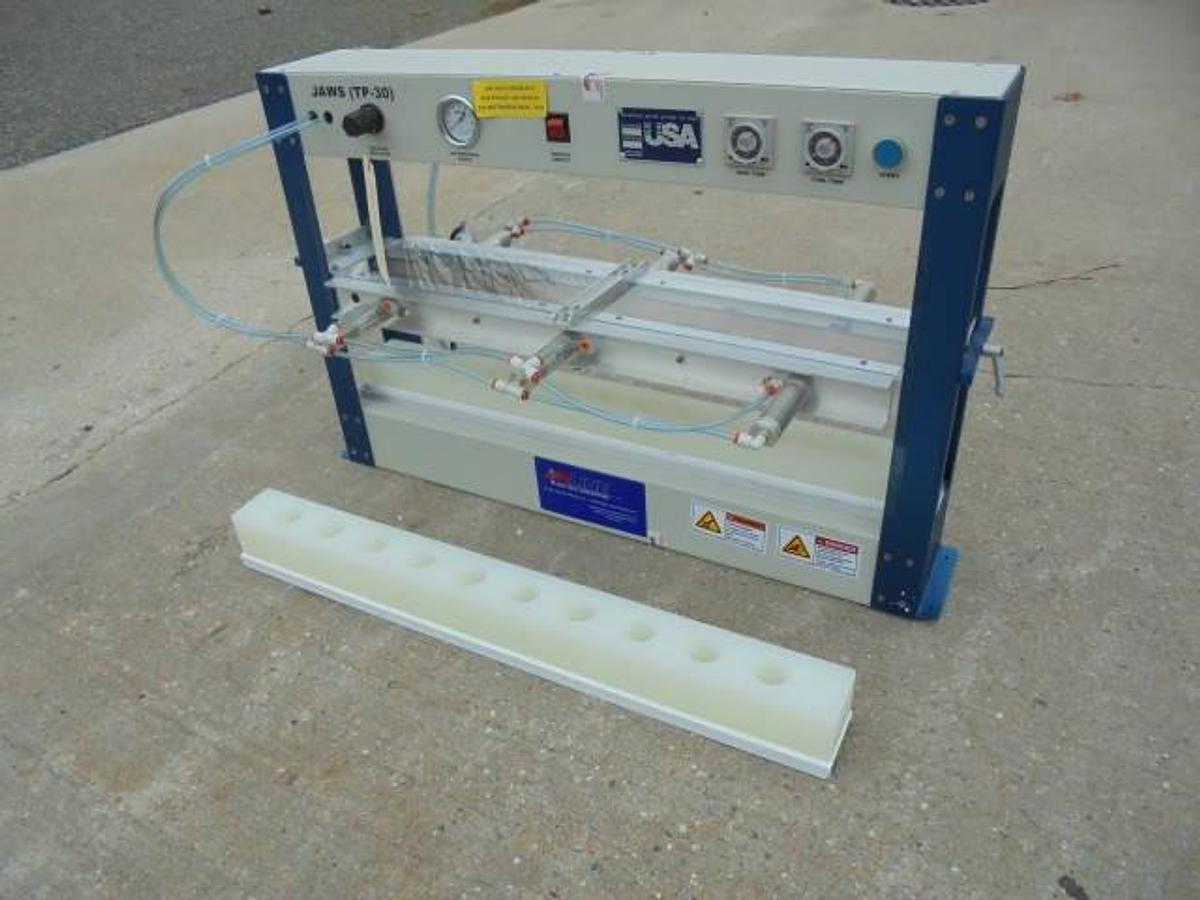
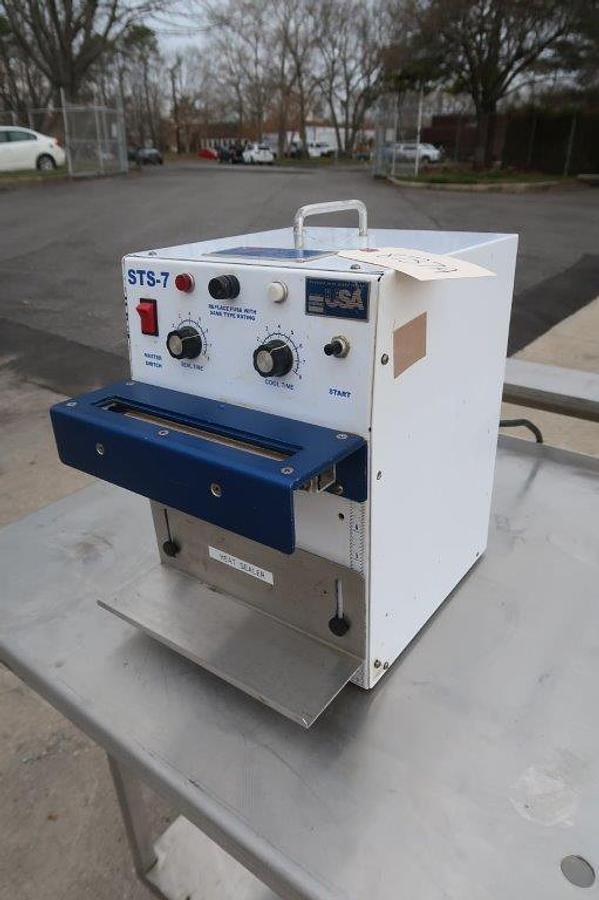
The Aline STS-7, on the other hand, is a tabletop plastic tube sealing machine. This format is more compact and is designed for operations that package products in plastic tubes rather than flat bags. Tabletop models are generally suited to lower-volume production or environments where floor space is limited. The Jaws TP-30 is a semi-automatic plastic tube sealer, which adds a degree of automation to the tube sealing process compared to a fully manual setup. Each of these machines serves a distinct packaging application, so the right choice depends on the product format and production volume of the buyer's operation.
What industries typically use Aline sealing machines?
Aline sealing machines are used across several industries where consistent, reliable packaging seals are essential to product integrity. Food processing is one of the most common applications, particularly for vacuum sealing perishable goods where air removal directly impacts shelf life. Pharmaceutical and nutraceutical companies also use tube and bag sealing equipment to package creams, gels, and other products in a way that ensures tamper evidence and prevents contamination. Retail and consumer goods manufacturers use similar equipment to create professional, consistent packaging for a wide range of products.
Beyond sealing machines, Aline as a manufacturer is also known for conveyor systems and material handling solutions, which means their equipment often appears in logistics and manufacturing environments. Their modular conveyor designs are used in facilities that require flexible material transport configurations. However, for buyers specifically seeking sealing equipment, the focus is on the vacuum bag and tube sealing machines, which are purpose-built for packaging operations rather than material transport. Understanding the intended industry application helps buyers select the right model and assess whether a used machine's condition meets the demands of their specific production environment.
What should buyers inspect when purchasing a used Aline sealing machine?
Buying used packaging machinery requires a more thorough evaluation than purchasing new equipment, since the machine's history, wear patterns, and current condition all affect its reliability in production. For Aline sealing machines, the most critical components to inspect are the heating elements, sealing bars or jaws, and temperature control systems. These parts directly determine seal quality, and worn or damaged components can result in inconsistent seals, product spoilage, or material waste. Buyers should also check the condition of any stainless steel surfaces on models like the HDV-48VS for corrosion, dents, or damage that could affect sanitation compliance.
Reputable used equipment dealers typically offer in-person inspections, virtual walkthroughs, or video documentation of machines so buyers can assess condition before committing to a purchase. Some machines may still be installed in an active production facility, where an inspection can be arranged between the dealer and the facility owner. Keep in mind that most equipment dealers do not have the permitting required to run full production tests, so inspections focus on mechanical condition, visual assessment, and operational checks rather than live packaging runs. Buyers should ask specific questions about the machine's service history, the reason for decommissioning, and whether replacement parts are still available from the manufacturer for that particular model.
Are used Aline sealing machines suitable for small or mid-sized operations?
Used Aline sealing machines can be a practical choice for small and mid-sized operations, particularly because the used equipment market offers access to industrial-grade machinery at a lower price point than purchasing comparable equipment directly from a manufacturer. A tabletop model like the STS-7 is well-suited to lower-volume environments where floor space is at a premium and production runs are not continuous. Semi-automatic models like the Jaws TP-30 offer a step up in throughput without requiring a full automated line, which is often appropriate for growing businesses that need more output than a manual process provides.
That said, buyers should be realistic about the condition and age of any used machine relative to their production demands. A machine that was previously used in a high-volume industrial setting may have more wear on its sealing components than one that saw lighter use. Before purchasing, it is worth confirming with the dealer how the machine was previously deployed and requesting as much documentation or inspection access as possible. Consulting with the manufacturer about parts availability for the specific model is also a smart step, since older machines may have limited support, and the ability to source replacement parts will affect the machine's long-term viability in any operation.
How does vacuum bag sealing differ from plastic tube sealing in packaging applications?
Vacuum bag sealing and plastic tube sealing are two distinct packaging methods that serve different product types and industries. Vacuum bag sealing, as performed by a machine like the Aline HDV-48VS, involves removing air from a pre-formed bag before heat-sealing it closed. This method is widely used for food products, medical devices, and other goods where oxygen exposure would degrade quality or create contamination risk. The vacuum process extends shelf life significantly compared to standard heat sealing, and the resulting package is compact and tamper-evident.
Plastic tube sealing, handled by machines like the Aline STS-7 and the Jaws TP-30, is a different process used for products packaged in flexible plastic tubes, such as creams, gels, adhesives, or cosmetics. The machine applies heat and pressure to the open end of the tube to create a hermetic seal. Semi-automatic tube sealers like the TP-30 allow operators to feed tubes into the machine and initiate the sealing cycle with minimal manual effort, improving consistency and speed compared to fully manual methods. The two technologies are not interchangeable, so buyers need to identify which packaging format their products require before selecting a machine type.
What is the typical price range for used Aline sealing machines?
Pricing for used Aline sealing machines varies based on the model, condition, age, and any additional features or accessories included with the unit. Tabletop models and semi-automatic sealers tend to be priced lower than larger, more complex vacuum sealing systems. In the used equipment market, buyers can generally expect to pay significantly less than the cost of a comparable machine purchased directly from a manufacturer, which is one of the primary reasons businesses seek out used packaging equipment. However, the exact price depends heavily on the machine's operational condition and how recently it was last serviced.
Buyers should factor in more than just the listed purchase price when calculating total acquisition cost. Shipping, rigging, and crating expenses can add meaningfully to the final landed cost, particularly for heavier machines that require specialized loading and unloading equipment. Payment terms in the used equipment market typically require full payment prior to shipment, though some dealers may offer terms to established repeat customers. Getting a clear picture of all costs before committing to a purchase helps avoid surprises and allows for accurate budget planning.
What should buyers know about shipping a used Aline sealing machine?
Shipping used packaging machinery requires careful planning to prevent damage in transit. Sealing machines contain precision heating elements, sealing bars, and mechanical components that can shift or break if not properly secured. Dealers typically handle palletization or crating of the equipment before shipment, and the level of packaging required will affect the shipping cost. Lighter tabletop machines like the STS-7 generally require less elaborate packaging than a larger vacuum sealing unit, but both should be properly braced and protected for transport.
For heavier machines, rigging may be required for loading and unloading, which adds to the overall cost. Buyers should ask the dealer for a detailed breakdown of packaging, rigging, and freight charges before finalizing a purchase, so the full landed cost is understood upfront. Freight carriers vary in their handling of industrial equipment, and some buyers opt for specialized machinery shippers rather than standard freight services to reduce the risk of transit damage. Clarifying who is responsible for filing a damage claim if something goes wrong during shipping is also an important part of the conversation before the machine leaves the seller's facility.
How important is temperature control on a sealing machine, and what should buyers look for?
Temperature control is one of the most critical performance factors on any heat sealing machine. If the sealing temperature is too low, the seal will be weak and may fail during handling or storage. If it is too high, the packaging material can burn, warp, or create an uneven seal that compromises product integrity. Machines with precise, adjustable temperature controls give operators the ability to dial in the correct settings for different materials, which is especially valuable for operations that package more than one product type or switch between film materials regularly.
On used machines, the temperature control system deserves close inspection. Thermostats, temperature sensors, and control boards can degrade over time, leading to inconsistent heat output even when the display shows the correct setting. During an inspection, buyers should ask the dealer to demonstrate that the machine heats up properly and holds a stable temperature. If the machine is being sold without the ability to power it on, that is a factor to weigh carefully. Consulting with the manufacturer about the reliability of the temperature control components on a specific model and age of machine can also provide useful context before making a purchasing decision.
How do buyers verify the working condition of a used sealing machine before purchasing?
Verifying the condition of used packaging equipment before purchase is a step buyers should take seriously, since used machines are typically sold as-is without manufacturer backing. The most direct method is an in-person inspection at the dealer's facility or, in some cases, at the production facility where the machine is still installed. An in-person visit allows the buyer to examine the machine closely, check for visible wear on sealing components, and observe whether the machine powers on and operates mechanically. Many dealers also offer virtual inspections or video walkthroughs for buyers who cannot travel, which can provide a reasonable level of visibility into the machine's condition.
It is worth understanding that most equipment dealers do not have the permits or infrastructure required to run full production tests, so inspections typically focus on mechanical operation rather than live packaging output. Buyers should come prepared with specific questions about the machine's history, including how long it was in service, what materials it was used with, and whether any components have been replaced. Reaching out to the manufacturer with the machine's model and approximate age is also a practical step, as this can reveal whether technical support, documentation, or replacement parts are still available, all of which affect the machine's long-term usability after purchase.