Category
Manufacturer
Model
Admix
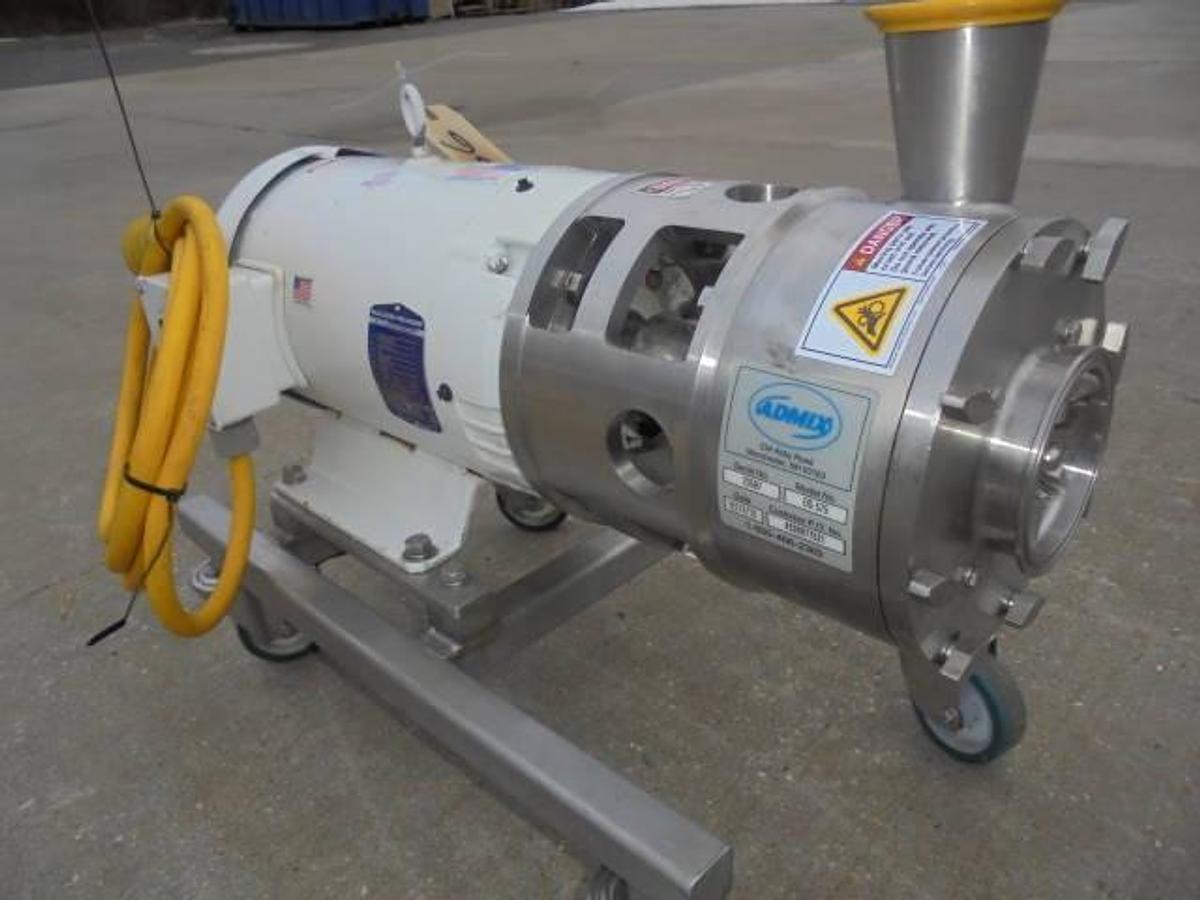
Admix is specialized in advanced mixing equipment serving the food and beverages and pharmaceuticals sectors. Notably, they offer dynamic in-line and static mixers that deliver consistent performance for homogeneous product formulations.
FAQ:
What types of Admix mixing equipment are available on the used market?
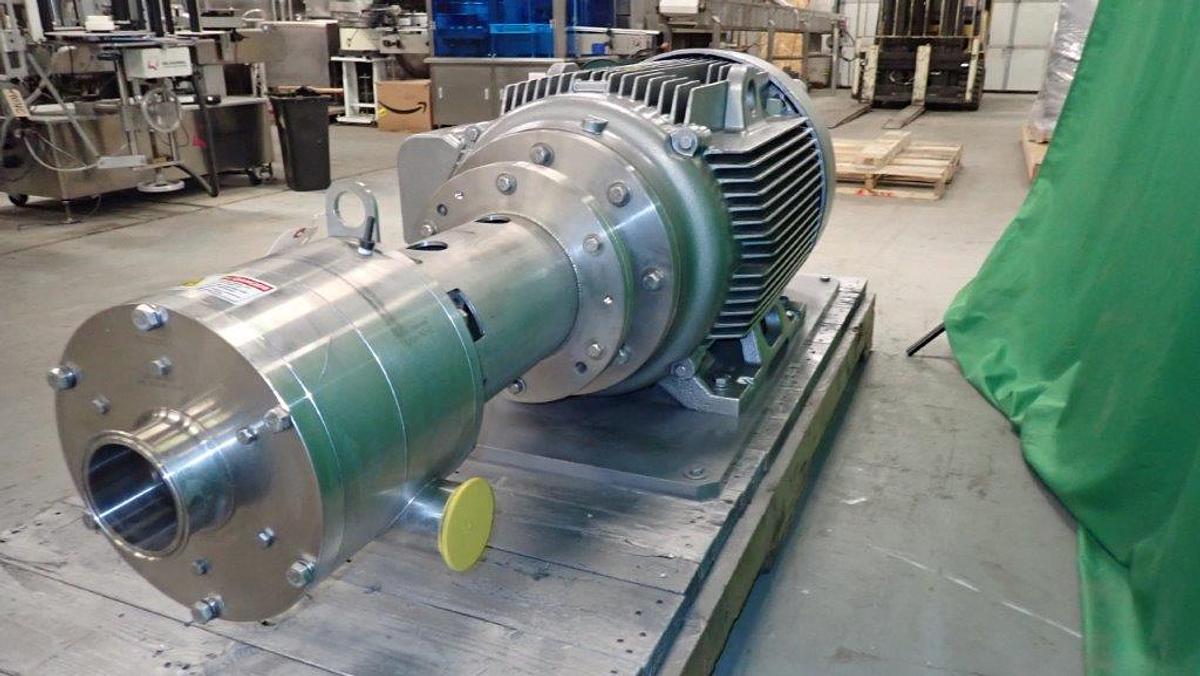
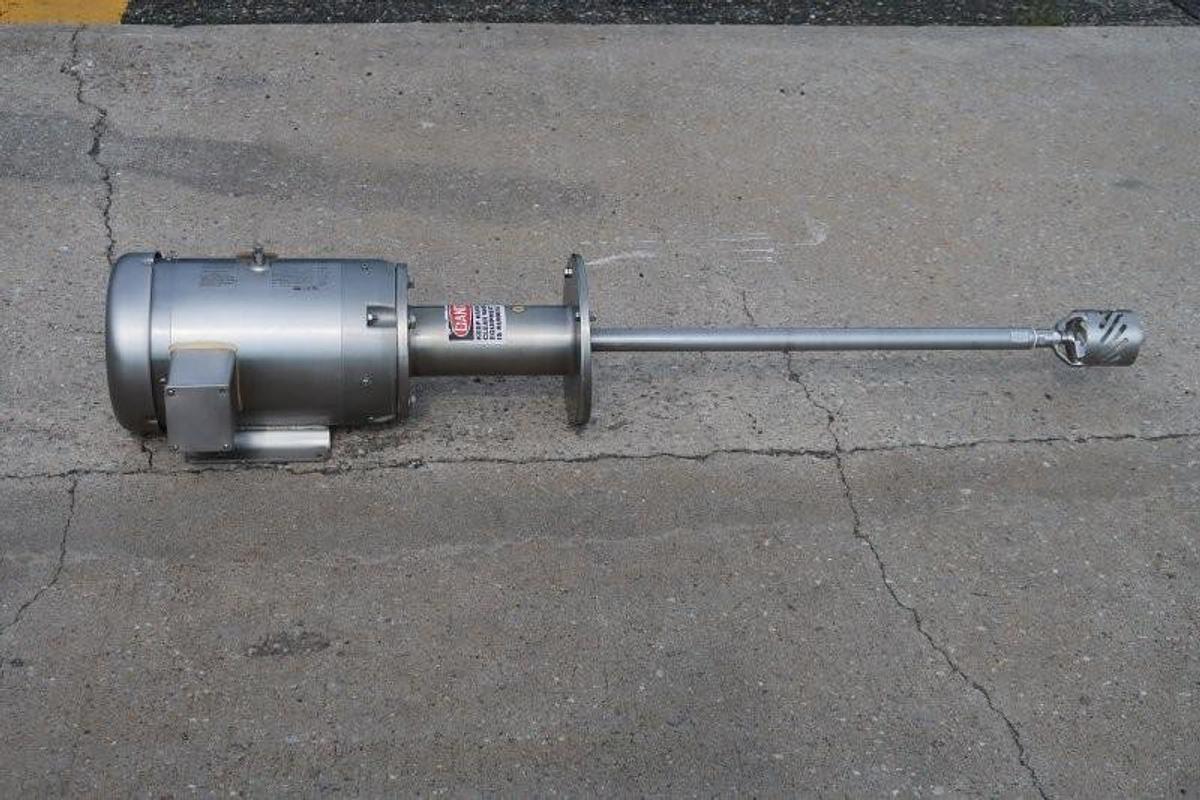
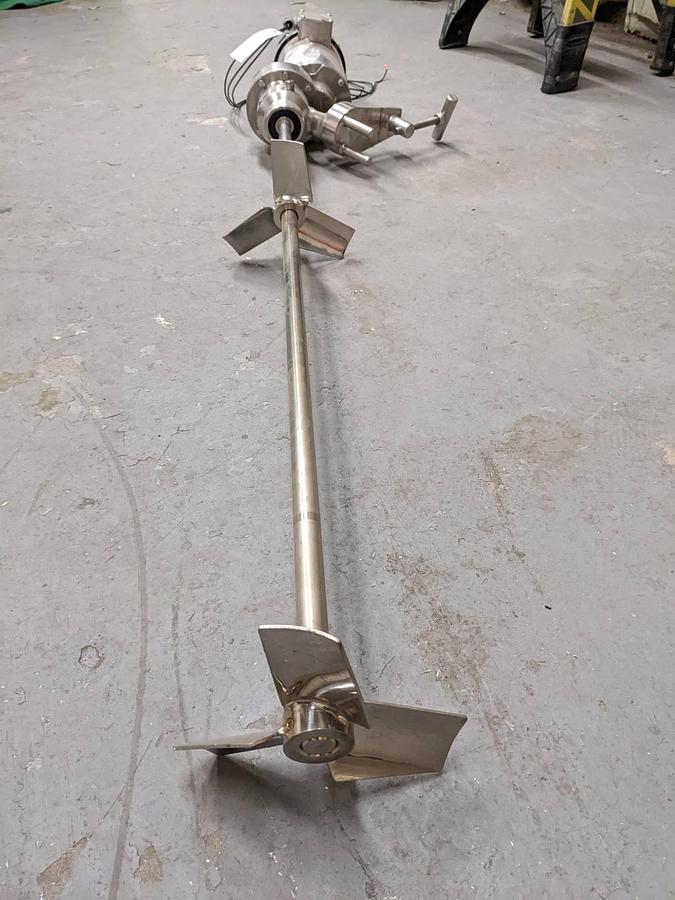
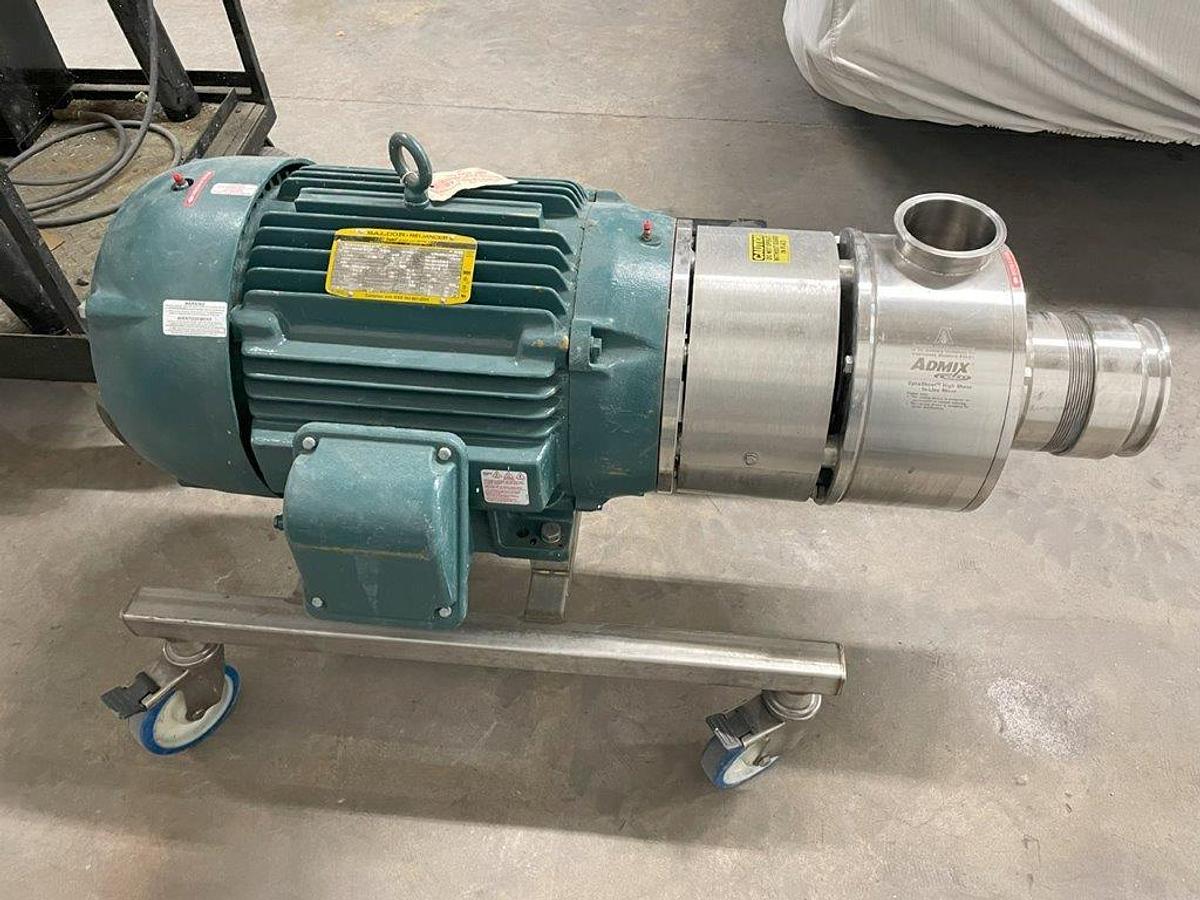
Used Admix equipment spans several distinct product lines, each designed for a specific mixing challenge. The most commonly available units include the Rotosolver high-shear mixer, the DynaShear inline high-shear mixer, the Boston Shear Pump (also known as the Boston Shearmill), and portable clamp-on agitators. Horsepower ratings on the used market vary considerably, with units ranging from compact 2 HP portable agitators up to 200 HP inline mixer/pump combinations. Stainless steel construction is standard across the Admix lineup, and many units carry 3-A Sanitary Standards certification, which is a key consideration for food, beverage, and pharmaceutical buyers.
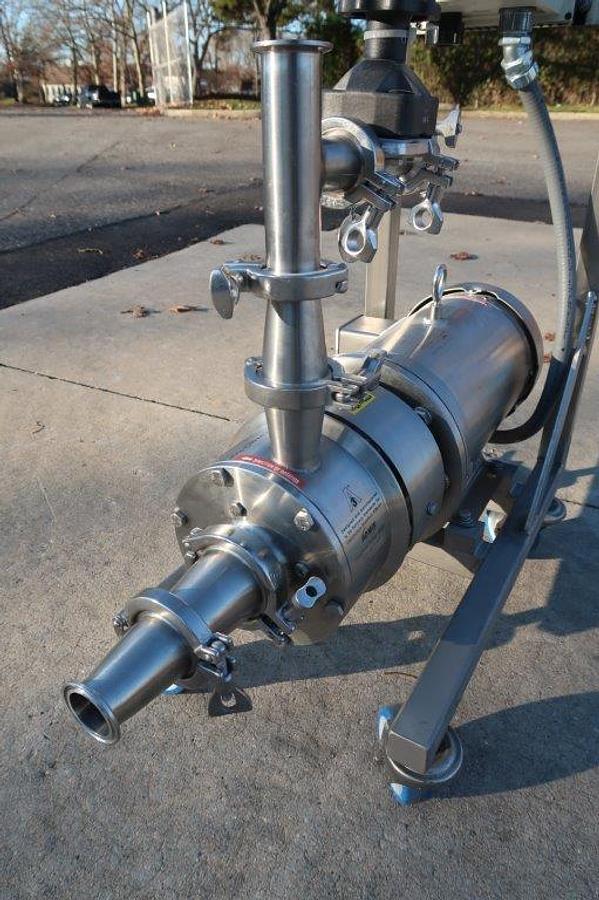
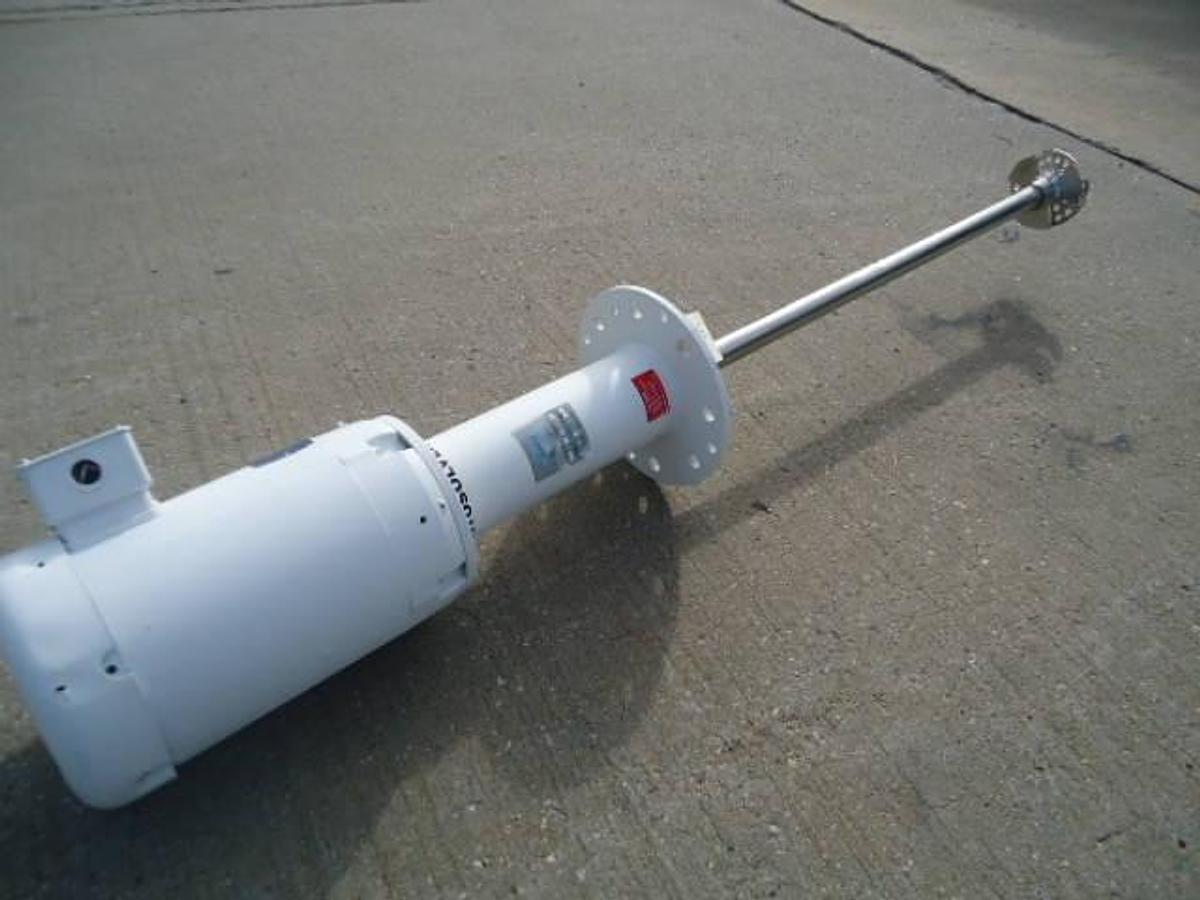
Within those product lines, buyers will encounter both batch-style and inline configurations. The Rotosolver, for example, is a high-shear batch mixer designed to rapidly incorporate powders into liquids with minimal agglomeration. The DynaShear series, by contrast, is built for continuous inline processing, making it a better fit for high-throughput production environments. When shopping for used Admix equipment, it pays to identify which mixing challenge you are solving before evaluating specific models, since the mechanical differences between these lines are significant and affect everything from installation requirements to achievable particle size reduction.
What industries commonly use Admix mixing equipment?
Admix built its reputation primarily in sanitary processing industries, which means the majority of its equipment is engineered to meet the strict hygiene and cleanability standards required in food and beverage, pharmaceutical, and personal care manufacturing. In food and beverage applications, Admix mixers are used for tasks like sauce emulsification, dairy homogenization, beverage blending, and powder hydration. The 3-A Sanitary Standards certification carried by many Admix models is a direct response to the regulatory demands of these sectors, and it makes the equipment attractive to facilities subject to FDA or USDA oversight.
Beyond food and pharma, Admix equipment also sees regular use in cosmetics, nutraceuticals, and specialty chemical processing. The high-shear capabilities of models like the DynaShear and Boston Shearmill make them effective for producing stable emulsions, dispersions, and suspensions across a wide range of formulations. Buyers sourcing used Admix equipment from outside the food industry should verify that the specific model and configuration they are considering is appropriate for their application, since some units are purpose-built for sanitary service and may be over-specified (and over-priced) for strictly industrial uses.
What is the difference between Admix inline mixers and batch mixers?
The core distinction comes down to how and when mixing occurs within the production process. An inline mixer, such as the Admix DynaShear series, is installed directly in a pipeline and processes material continuously as it flows through the unit. This approach suits high-volume, continuous production runs where consistent output quality and reduced processing time are priorities. Inline mixers also tend to generate less heat buildup per unit of product processed and can reduce overall energy consumption compared to running a large batch tank agitator for extended periods.
Batch mixers, like the Admix Rotosolver, operate within a tank or vessel and process a defined volume of material at one time. This configuration offers more flexibility for facilities that produce multiple formulations in smaller quantities, since the mixer can be repositioned or the tank contents can be adjusted between batches. The Rotosolver specifically is engineered for rapid powder incorporation, using a high-shear rotor/stator head to wet out and disperse dry ingredients quickly and with minimal dusting. When evaluating used equipment, buyers should consider not just the mixer itself but also the infrastructure each type requires: inline mixers need compatible piping and flow rates, while batch mixers require appropriately sized tanks and mounting hardware.
What does 3-A Sanitary Standards certification mean for Admix mixing equipment?
3-A Sanitary Standards are a set of design and fabrication criteria developed specifically for equipment used in dairy, food, and beverage processing. Equipment that meets these standards is designed so that all product-contact surfaces can be thoroughly cleaned and sanitized, with no crevices, threads, or dead zones where bacteria or residue can accumulate. For Admix mixing equipment, 3-A certification is a meaningful specification because it signals that the unit was built to a recognized industry benchmark, not just to general stainless steel fabrication tolerances. This matters significantly for facilities that undergo third-party audits or that must demonstrate compliance with FDA food safety regulations.
When purchasing used Admix equipment, buyers should confirm whether the specific unit being considered carries 3-A certification, since not every model in the Admix lineup is 3-A certified and certification status can sometimes be affected by modifications made during the machine's service life. Asking the seller for documentation or the original model designation is a reasonable step. It is also worth consulting with the manufacturer directly to confirm whether a given model and serial number was produced to 3-A standards, since Admix maintains records that can help verify a machine's original specification.
Can Admix mixing equipment handle high-viscosity materials?
Several Admix product lines are specifically engineered for high-viscosity applications, though the suitability of any particular unit depends on the viscosity range and the nature of the material being processed. The Rotosolver and Rotomaxx lines are designed to handle thicker formulations, including pastes, gels, and high-solids slurries, by using a high-speed rotor/stator mechanism that generates intense localized shear even in viscous media. The Boston Shearmill, which combines pump and mixer functionality, is also capable of handling moderately viscous materials while maintaining continuous flow.
Inline mixers like the DynaShear series are generally better suited to lower-to-medium viscosity applications, since flow through the unit depends on the material being pumpable at production conditions. Very high-viscosity materials may require batch processing or a different equipment configuration altogether. Buyers evaluating used Admix equipment for viscous applications should look closely at the motor horsepower, shaft and head design, and the viscosity specifications listed in the machine's technical documentation. If that documentation is not available from the seller, contacting Admix with the model number can help clarify the original design parameters.
What should buyers look for when inspecting used Admix mixing equipment?
A thorough inspection of used Admix equipment should focus on the condition of the product-contact surfaces, the mechanical integrity of the rotor/stator or impeller assembly, and the state of the motor and drive components. For sanitary models, the interior finish of the mixing chamber is particularly important: scratches, pitting, or corrosion on stainless steel surfaces can compromise cleanability and may disqualify the unit from use in regulated food or pharmaceutical environments. Seals, gaskets, and mechanical seal faces are wear items that may need replacement regardless of the machine's overall condition, so factoring in those costs is a reasonable part of the evaluation.
Reputable used equipment dealers will typically accommodate in-person inspections, virtual walkthroughs, or video captures of the machine so buyers can assess its condition before committing. Some units may still be installed and running at the facility where they were used, which provides an opportunity to observe the equipment in operation, though dealers generally cannot run actual product through a machine in their own facility due to permitting constraints. Buyers should also ask about the machine's service history, the reason it was decommissioned, and whether any modifications were made during its working life, since alterations can affect both performance and certification status.
What is the typical price range for used Admix mixing equipment?
Pricing for used Admix equipment varies widely depending on the model, horsepower, configuration, and overall condition of the unit. Small portable agitators and lower-horsepower inline mixers can be found in the range of a few thousand dollars, while large-scale units like a 200 HP Boston Shear Pump/Inline Mixer or a 40 HP DynaShear can command prices well into the tens of thousands of dollars. The 3-A certification status of a unit, its stainless steel construction grade, and whether it includes ancillary components like control panels or mounting hardware all influence the final price.
Buyers should also account for the total landed cost of the equipment, not just the purchase price. Shipping costs for heavy mixing equipment can be substantial, particularly for larger units that require specialized rigging for loading and unloading. Crating and palletization to prevent transit damage add further costs, and these vary depending on the seller's packaging standards and the distance being shipped. Getting a complete picture of purchase price, freight, and any reconditioning or parts costs needed to bring the machine to operating condition is the most accurate way to compare used equipment options.
How does used Admix equipment compare to buying from a manufacturer in terms of value?
The primary advantage of purchasing used Admix equipment is cost. A used unit of the same model and horsepower will typically sell for a fraction of the price of a comparable unit purchased directly through a manufacturer's sales channel. For buyers who need proven, industrial-grade mixing capability without the capital outlay of purchasing through standard channels, the used market offers access to well-built equipment that was originally designed for demanding sanitary processing environments. Admix has a long track record in the industry, and the durability of its stainless steel construction means that machines with significant service hours can still have considerable useful life remaining.
The trade-off is that used equipment is sold as-is, without the support structure that comes with purchasing through a manufacturer. There are no warranties on used machines, and parts availability can vary depending on the age and model of the unit. Before purchasing, it is worth contacting Admix directly to ask about parts availability and technical support for the specific model being considered, since older or discontinued models may have limited support. Choosing a dealer who specializes in sanitary processing equipment and has a verifiable history of selling into the food, beverage, or pharmaceutical industries reduces the risk associated with buying used.
What are the typical shipping and logistics considerations for used Admix mixing equipment?
Shipping used mixing equipment requires more planning than standard freight because of the weight, size, and precision components involved. Smaller units like portable agitators can often be palletized and shipped via standard LTL (less-than-truckload) freight with appropriate blocking and bracing. Larger units, particularly inline mixers with substantial motor assemblies or pump housings, may require custom crating to protect machined surfaces and seal faces during transit. The level of packaging directly affects freight costs, and buyers should ask sellers specifically what packaging is included in the quoted price.
For very large or heavy equipment, rigging services may be required at both the origin and destination. Loading a 200 HP mixer/pump assembly onto a flatbed, for example, typically requires a forklift or crane at the shipping facility, and the receiving facility needs to be equipped to unload it safely. These rigging costs are usually separate from the freight quote and should be confirmed in advance. Buyers should request a complete breakdown of packaging, loading, freight, and unloading costs to understand the full landed cost before finalizing a purchase.
What payment terms should buyers expect when purchasing used Admix equipment?
Used equipment transactions in the industrial machinery market generally require full payment before the equipment ships. This is standard practice across the industry and reflects the fact that used equipment dealers are not extending credit in the way that a manufacturer or distributor might through a formal purchase order process. Buyers who are unfamiliar with this expectation sometimes find it surprising, but it is the norm rather than the exception. Some dealers may offer payment terms to established customers with a history of prior purchases, but first-time buyers should plan for payment in full prior to shipment.
For higher-value equipment purchases, buyers should conduct appropriate due diligence on the seller before transferring funds. Working with dealers who have a verifiable track record, a physical business address, and a history of selling into the relevant industry (sanitary processing, in the case of Admix equipment) provides a reasonable level of assurance. Requesting detailed photographs, inspection opportunities, and written documentation of the machine's model, serial number, and condition prior to payment is standard practice and any reputable dealer will accommodate these requests without hesitation.