Category
Manufacturer
Model
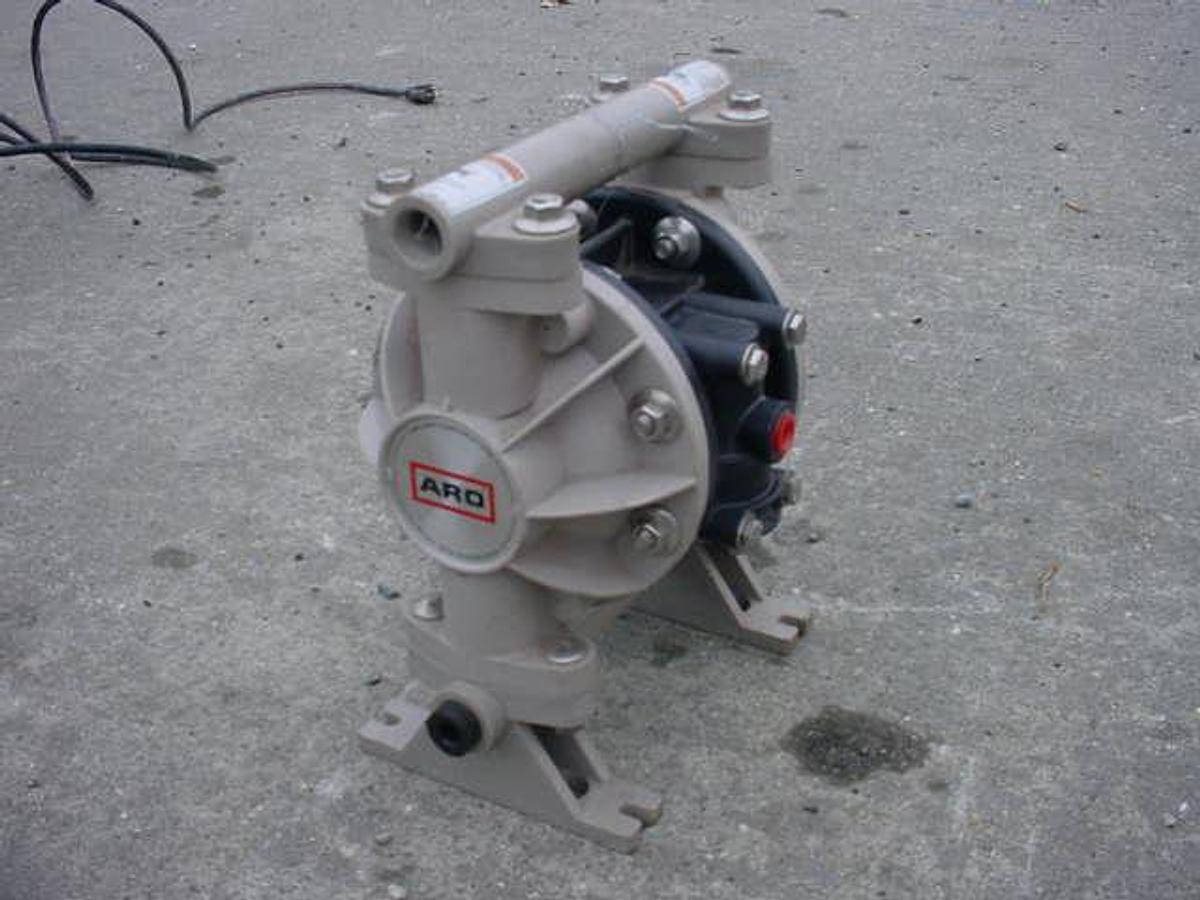
ARO
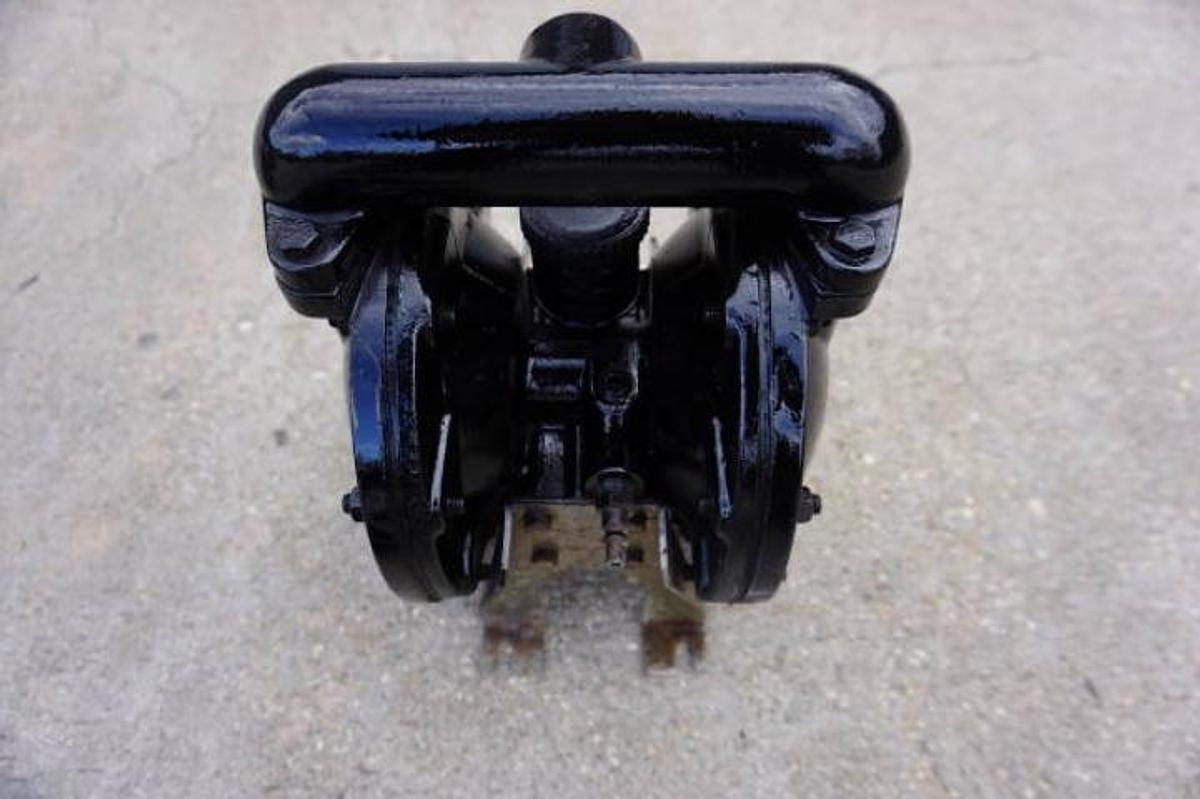
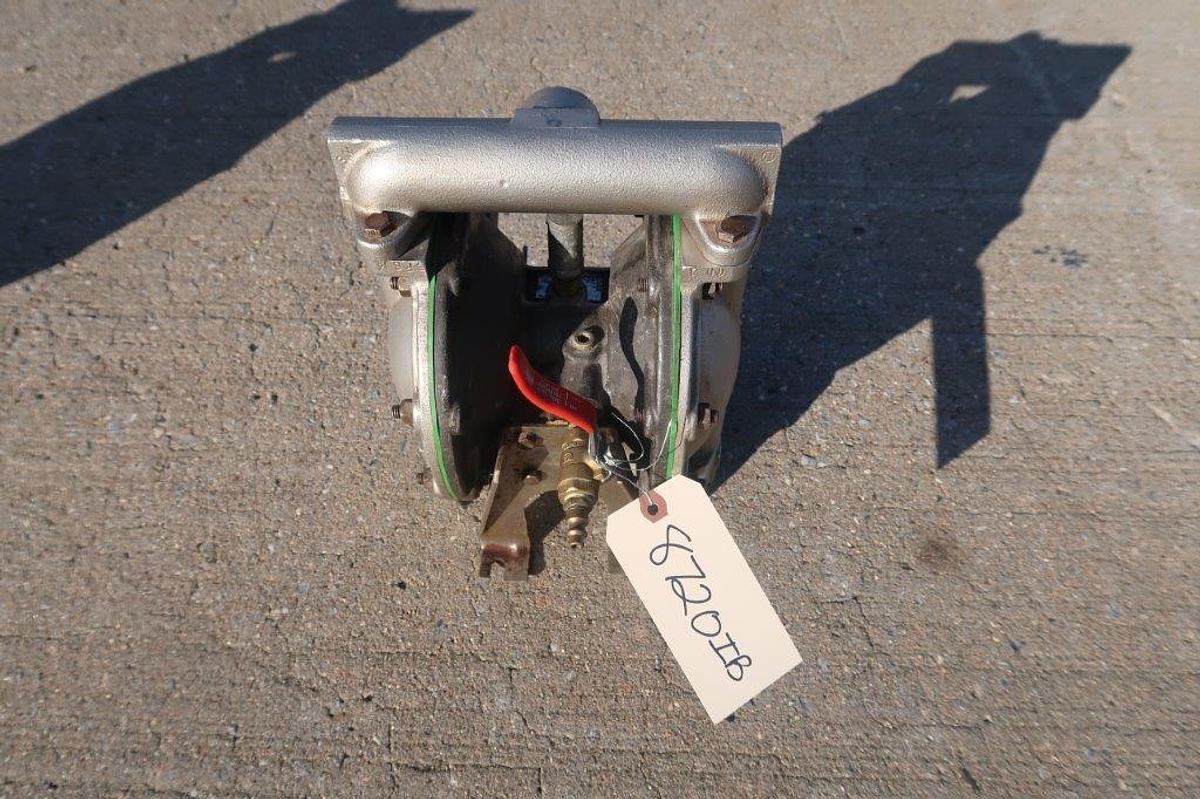
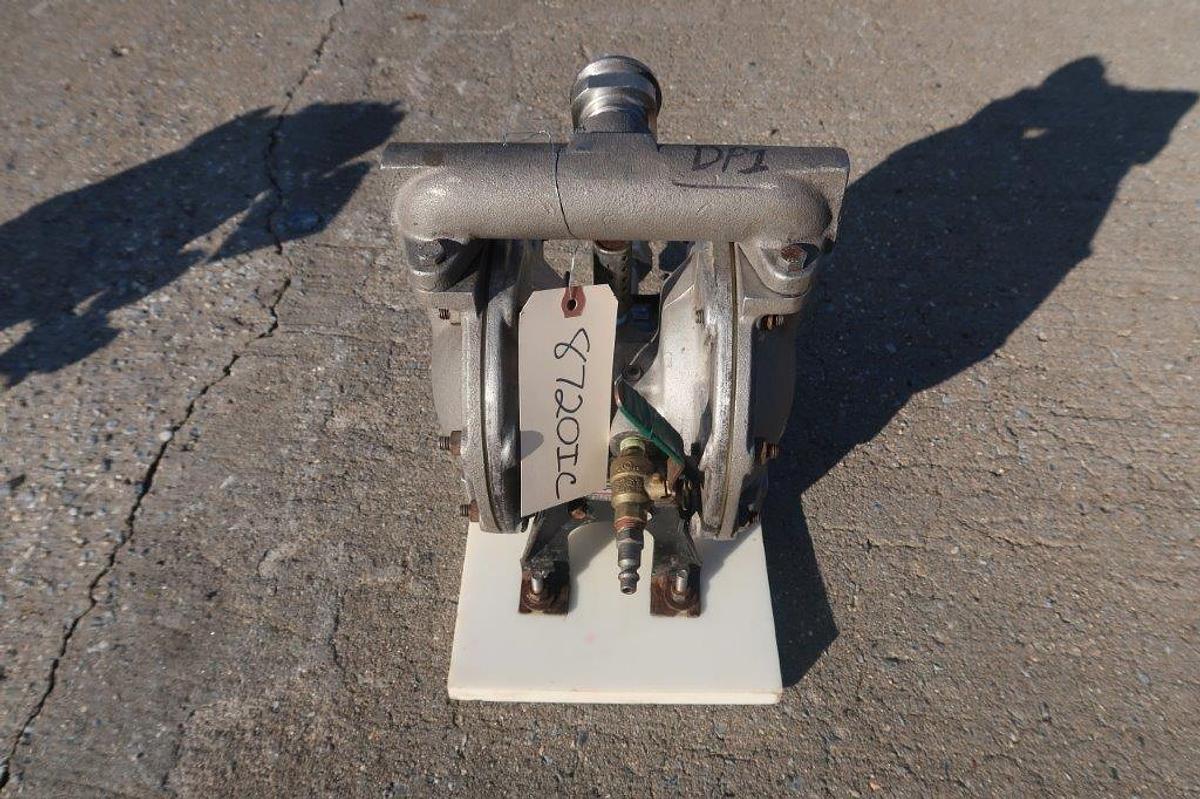
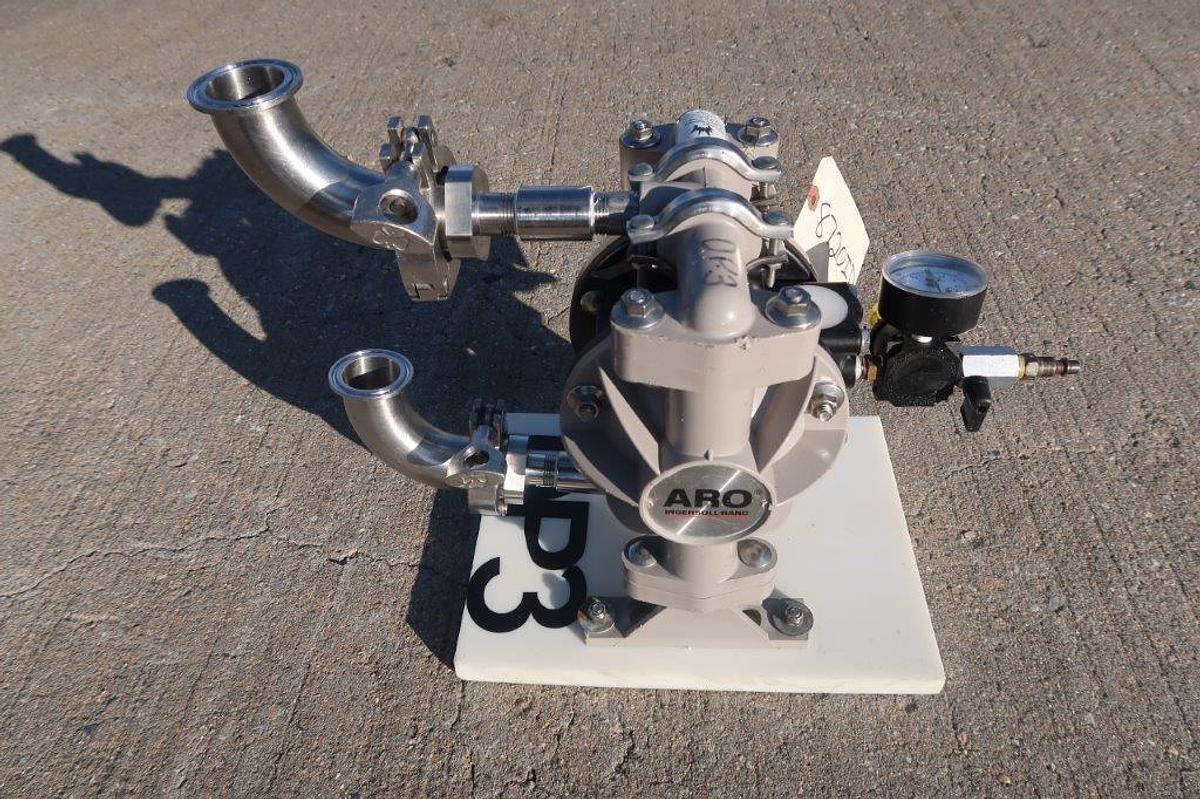
ARO offers a wide array of fluid handling equipment, known for their diaphragm pumps used extensively in chemical and petrochemical industries. Their products ensure safe and efficient transfer of chemicals, complying with stringent safety standards. ARO’s engineering quality, combined with their focus on durability and performance, makes them a preferred choice for heavy-duty applications.
FAQ:
What are ARO diaphragm pumps used for?
ARO diaphragm pumps are air-operated double diaphragm (AODD) pumps designed for the safe and efficient transfer of fluids across a wide range of industrial applications. They are especially common in chemical processing, petrochemical facilities, paint and coatings manufacturing, food and beverage production, wastewater treatment, and mining operations. Their ability to handle viscous, abrasive, and chemically aggressive fluids without the need for electrical power makes them a go-to choice wherever safety and versatility are priorities.
Because ARO pumps are self-priming and can run dry without sustaining damage, they are particularly well suited for applications where fluid supply may be intermittent or where operators cannot always monitor the pump closely. This is a meaningful advantage over centrifugal pumps, which can be damaged quickly if run without fluid. ARO is a brand under Ingersoll Rand, with a manufacturing history dating back to 1925, and their diaphragm pumps have earned a strong reputation for durability and performance in heavy-duty industrial environments.
How does an ARO air-operated double diaphragm pump work?
An ARO air-operated double diaphragm pump uses compressed air as its power source rather than electricity. Compressed air alternates between two chambers, each containing a flexible diaphragm. As one diaphragm is pushed outward by air pressure, it displaces fluid out through a discharge valve. Simultaneously, the opposite diaphragm is pulled inward, drawing fluid in through an inlet valve. This back-and-forth action creates a steady, pulsing flow of fluid through the pump.
Because the fluid never comes into contact with the air supply or any electrical components, AODD pumps are inherently safe for transferring flammable, volatile, or hazardous liquids. They are also submersible in many configurations and can handle slurries, shear-sensitive fluids, and materials with suspended solids. The absence of electrical components also means these pumps can be used in wet or explosive atmospheres where electric motors would pose a serious safety risk.
What sizes and flow rates are available for ARO diaphragm pumps?
ARO diaphragm pumps are manufactured across a broad range of port sizes, typically from 3/8 inch up to 3 inches. This range covers an equally wide spectrum of flow rates, from low-volume precision transfer applications all the way up to high-capacity industrial processes exceeding 250 gallons per minute. Smaller pumps in the 3/8-inch to 1/2-inch range are commonly used in laboratory, metering, or light-duty transfer applications, while the larger 2-inch and 3-inch models are built for demanding bulk transfer and process applications.
When selecting a used ARO diaphragm pump, matching the pump's port size and rated flow to the specific process requirements is critical. Flow rate is affected not just by pump size but also by the incoming air supply pressure and volume, the viscosity of the fluid being transferred, and the total dynamic head of the system. Buyers evaluating used equipment should ask for the model number and cross-reference it with ARO's published specifications to confirm the pump's rated performance parameters before purchasing.
What materials are ARO diaphragm pump bodies and diaphragms made from?
ARO diaphragm pumps are available in a variety of wetted and structural materials to accommodate compatibility with a wide range of fluids and chemicals. Pump body materials typically include aluminum, cast iron, stainless steel, and polypropylene. Each material has a different chemical resistance profile and pressure rating, making material selection one of the most important decisions when specifying a diaphragm pump for a particular application.
Diaphragm materials include Buna-N (nitrile), PTFE (commonly known by the trade name Teflon), Santoprene, and Hytrel, among others. PTFE diaphragms offer the broadest chemical resistance and are commonly used with aggressive acids, solvents, and oxidizers. Santoprene and Buna-N are more economical options suitable for less aggressive fluids, while Hytrel offers good resistance to hydrocarbons. When purchasing a used ARO pump, confirming the existing diaphragm and body material is essential to ensure the pump is compatible with the intended fluid before putting it into service.
Are ARO diaphragm pumps compatible with aggressive chemicals and solvents?
ARO diaphragm pumps are widely used in chemical and petrochemical processing precisely because many configurations are designed to handle aggressive fluids, including strong acids, caustic solutions, solvents, and oxidizers. Compatibility depends heavily on the specific materials used in the pump's wetted components, which include the pump body, diaphragms, ball valves, and valve seats. A stainless steel or polypropylene body combined with PTFE diaphragms and PTFE valve components offers some of the broadest chemical resistance available in a diaphragm pump.
Before using any pump with a specific chemical, it is good practice to consult a chemical resistance chart and cross-reference the fluid against every wetted material in the pump. ARO and Ingersoll Rand publish compatibility data for their pump materials, and this information is still relevant when evaluating used equipment. The pump's body and diaphragm material can typically be identified from the model number, so having the full model number of a used ARO pump on hand before purchase allows buyers to verify chemical compatibility before committing to the equipment.
What is the maximum pressure rating for ARO diaphragm pumps?
ARO diaphragm pumps are typically rated for inlet air pressures up to 125 PSI (pounds per square inch), and the maximum fluid discharge pressure generally mirrors the maximum air supply pressure since the pump is air-operated. Some specialized models are designed for higher-pressure applications, but the majority of standard ARO AODD pumps operate within the 0 to 125 PSI range, making them suitable for most industrial transfer and process applications.
It is worth noting that operating a diaphragm pump at or near its maximum rated pressure for extended periods can accelerate diaphragm wear, which is particularly relevant when evaluating used equipment. Buyers should consider the operating pressures the pump will encounter in their application and compare that against the pump's rated specifications. If a used ARO pump will be used in a high-pressure application, inspecting the condition of the diaphragms and valve components before purchase is especially important, as these are the components most affected by pressure-related wear.
Do ARO diaphragm pumps require electricity to operate?
ARO diaphragm pumps do not require electricity to operate. They run entirely on compressed air, which is fed into an air distribution valve that alternates air flow between the two pump chambers to drive the diaphragms back and forth. This makes them inherently safe for use in environments where electrical equipment would pose a hazard, such as areas with flammable vapors, explosive atmospheres, or wet conditions. They are commonly found in facilities that already have a compressed air infrastructure in place, which makes integration straightforward.
The only utility requirement is a reliable supply of clean, dry compressed air at the appropriate pressure and volume for the pump's rated performance. Most ARO diaphragm pumps perform well with a standard industrial compressed air supply in the 60 to 125 PSI range. Because there are no motors, electrical connections, or motor starters involved, installation is generally simpler than with electrically driven pump types, and the absence of electrical components also reduces certain maintenance considerations over the life of the equipment.
What should buyers look for when inspecting a used ARO diaphragm pump?
When inspecting a used ARO diaphragm pump, the most important components to evaluate are the diaphragms, valve balls, and valve seats, as these are the primary wear items in any AODD pump. Cracked, hardened, or deformed diaphragms are a clear indicator that replacement will be needed before the pump is put back into service. Valve balls and seats should be checked for wear, deformation, or chemical attack. The pump body should be examined for cracks, corrosion, or physical damage, particularly at the manifold connections and fluid chambers.
Buyers should also confirm the full model number of the pump, which encodes information about the body material, diaphragm material, and valve material. This allows the buyer to verify chemical compatibility for their intended application and to identify the correct replacement parts. Reputable used equipment dealers will typically accommodate in-person or video inspections so buyers can assess the pump's condition before purchasing. Keep in mind that most equipment dealers are not set up to conduct live fluid testing, so visual and physical inspection of the pump's components is the primary means of evaluating condition on used equipment.
Are replacement parts and diaphragms readily available for used ARO pumps?
ARO diaphragm pumps have been in production for decades, and Ingersoll Rand has maintained a broad parts and service network for the ARO product line. Replacement diaphragms, valve balls, valve seats, and air valve kits are generally available through industrial distributors, fluid handling specialty suppliers, and directly through Ingersoll Rand's service channels. For many of the most common ARO pump models, repair kits are sold as complete assemblies that include all the wear components needed for a full rebuild.
That said, parts availability can vary depending on the age and specific model of the pump. Older or discontinued models may have limited support from the manufacturer, and some components may only be available through aftermarket suppliers. Before purchasing a used ARO pump, it is a good idea to contact Ingersoll Rand or an authorized ARO distributor with the pump's model number to confirm what level of parts support is available for that particular unit. This step can prevent situations where a pump is acquired but cannot be cost-effectively maintained due to parts scarcity.
What is the typical price range for used ARO diaphragm pumps?
The price of a used ARO diaphragm pump varies considerably based on the pump's size, body material, diaphragm material, age, condition, and the specific model. Smaller used ARO pumps in the 3/8-inch to 1/2-inch port size range can often be found for a few hundred dollars, while larger stainless steel or specialty material pumps in the 2-inch to 3-inch range may sell for several thousand dollars depending on condition and configuration. PTFE-bodied or stainless steel pumps generally command higher prices than aluminum or polypropylene units of the same size due to the higher material cost in their construction.
Buying used rather than purchasing a new pump can represent significant savings, often 40 to 70 percent below the cost of a comparable new unit, which makes the used market attractive for facilities looking to control capital expenditure. However, buyers should factor in the potential cost of replacement diaphragms or a full rebuild kit when calculating the total cost of ownership, particularly if the pump's service history is unknown. Requesting as much information as possible about the pump's prior application and operating history can help buyers make a more accurate assessment of likely refurbishment costs.