Category
Manufacturer
Model
APV
APV is a key player in the food processing equipment sector, renowned for its pasteurizers, homogenizers, and heat exchangers. They cater to dairy, beverage, and food industries, facilitating processes that guarantee product quality and safety. APV’s technology emphasizes efficiency and energy savings, making them a leader in sustainable processing solutions.
FAQ:
What types of APV food processing equipment are commonly available on the used market?
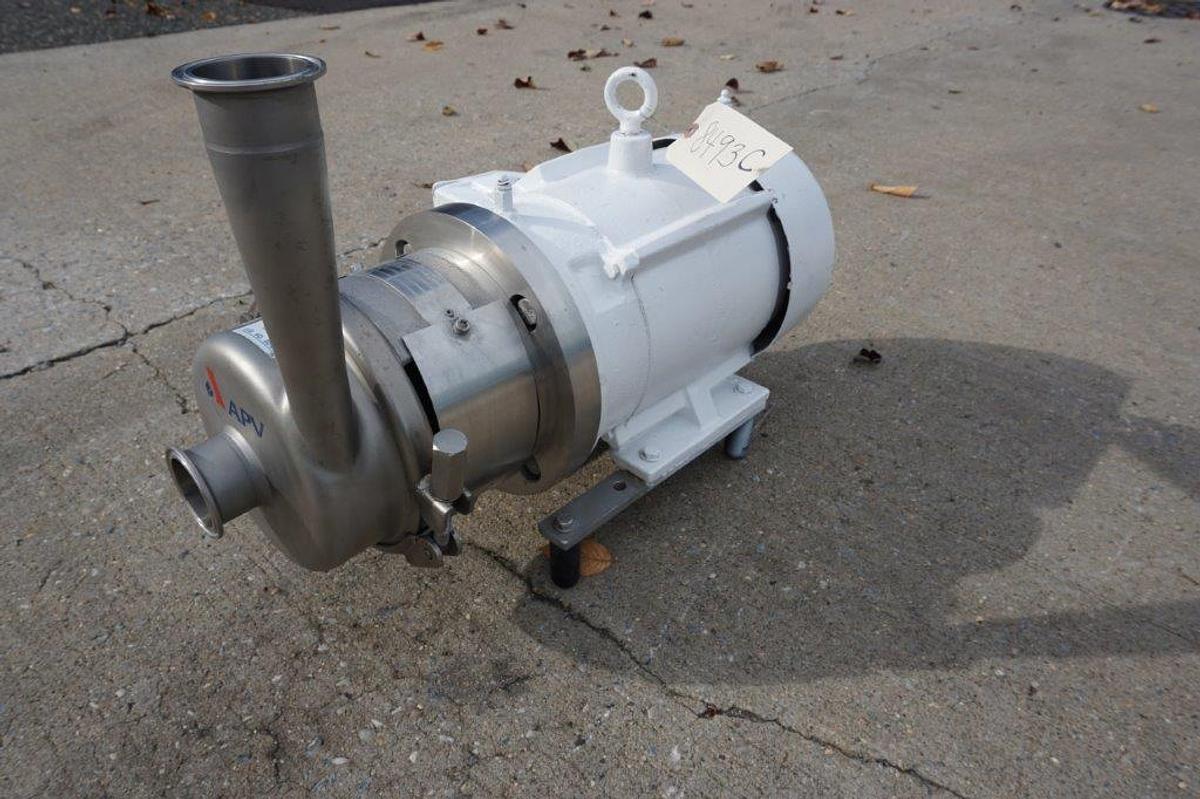
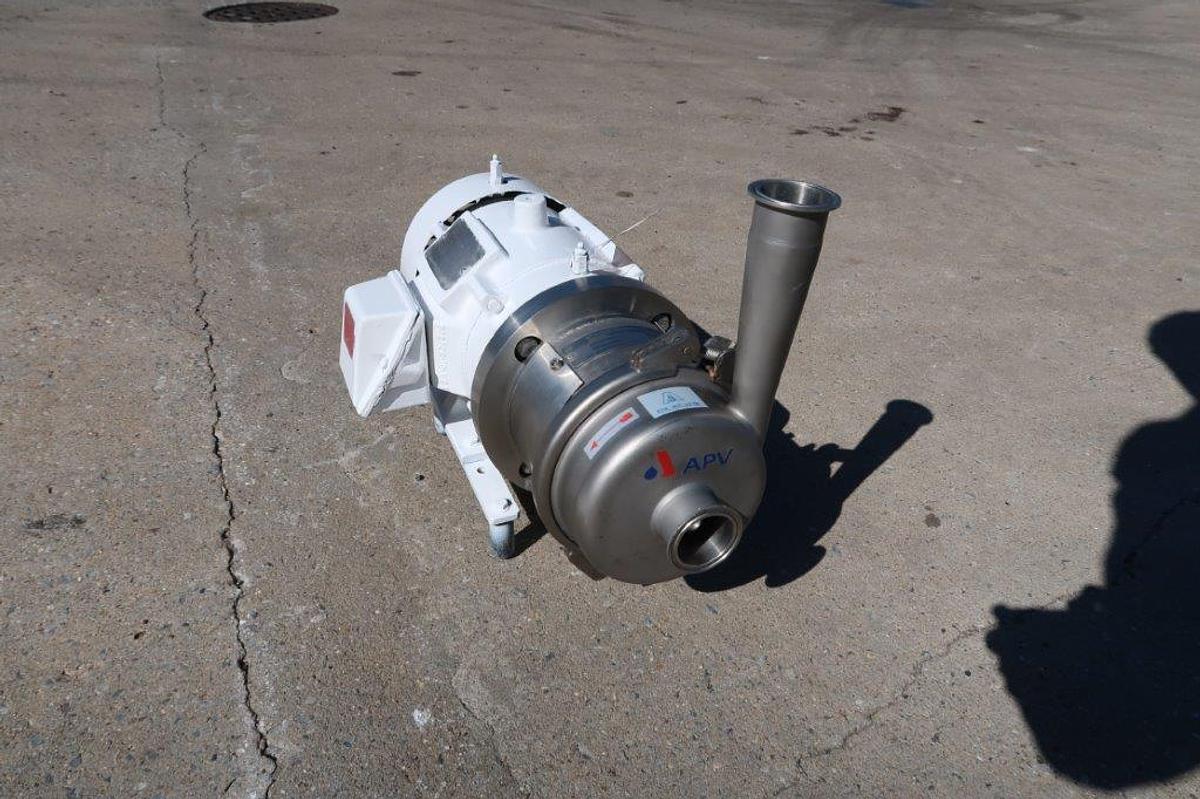
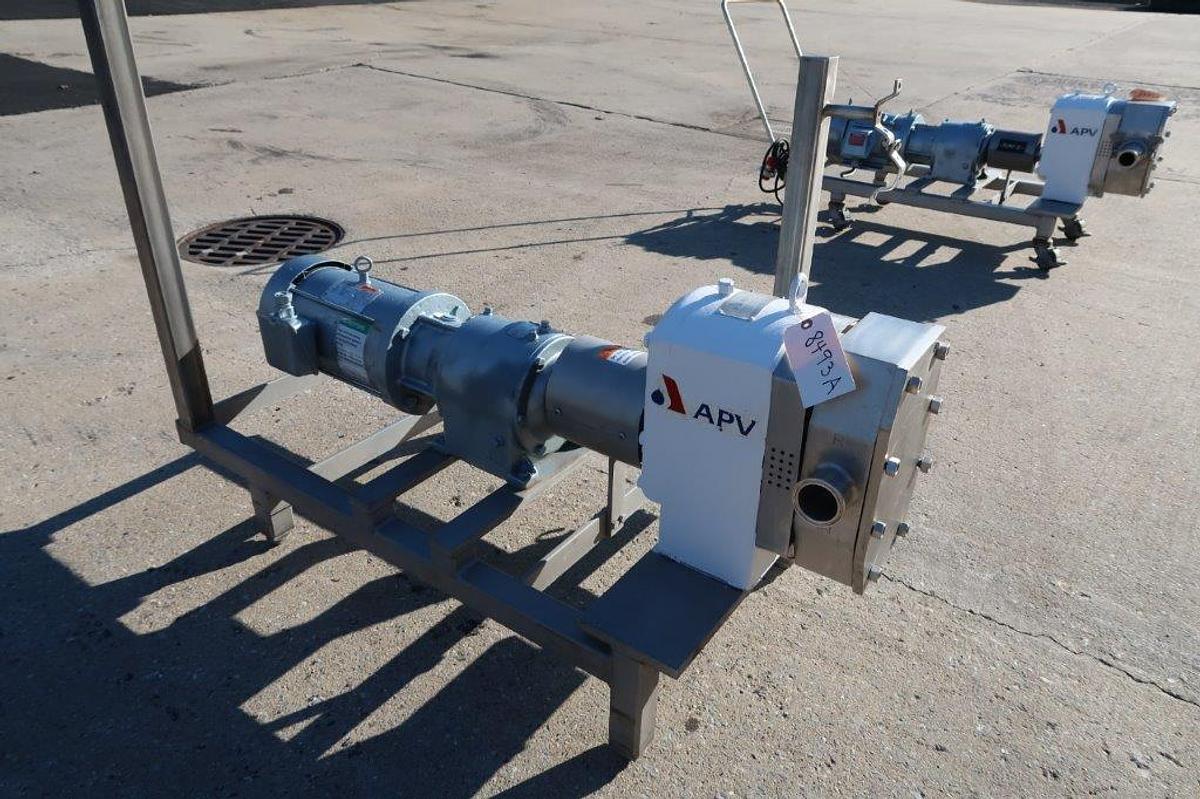
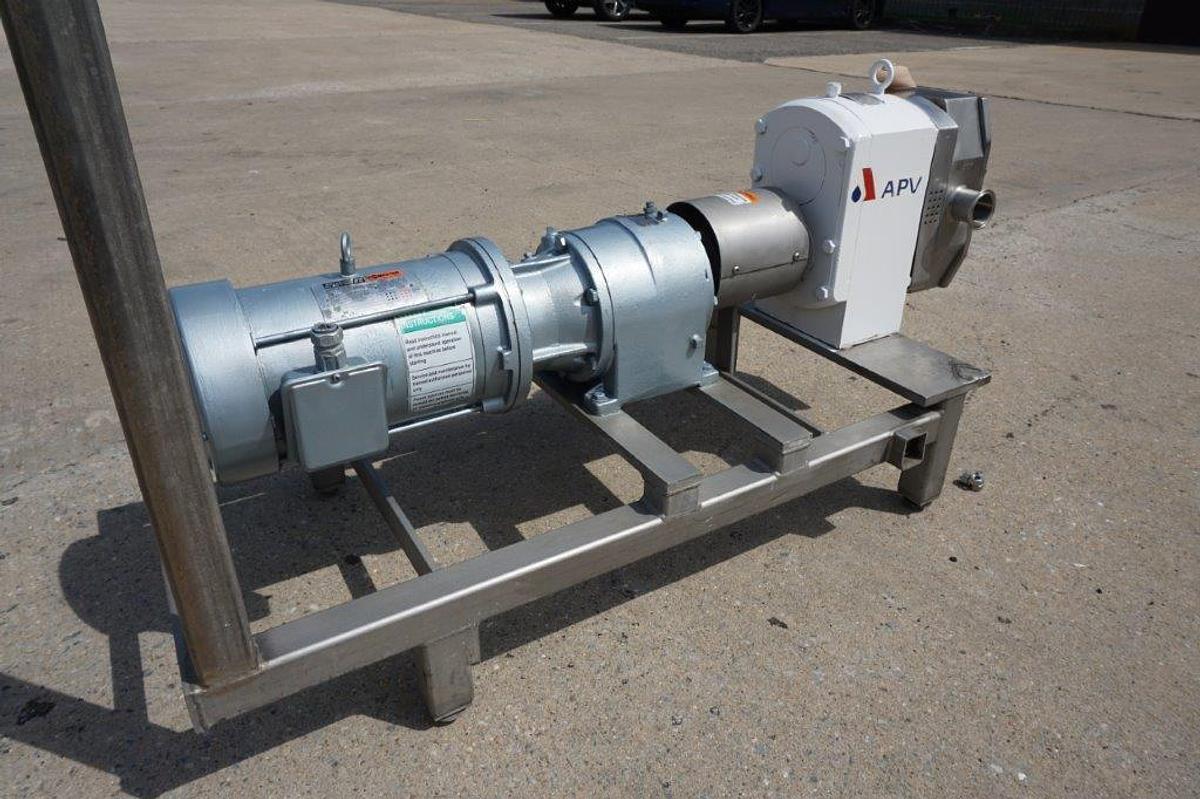
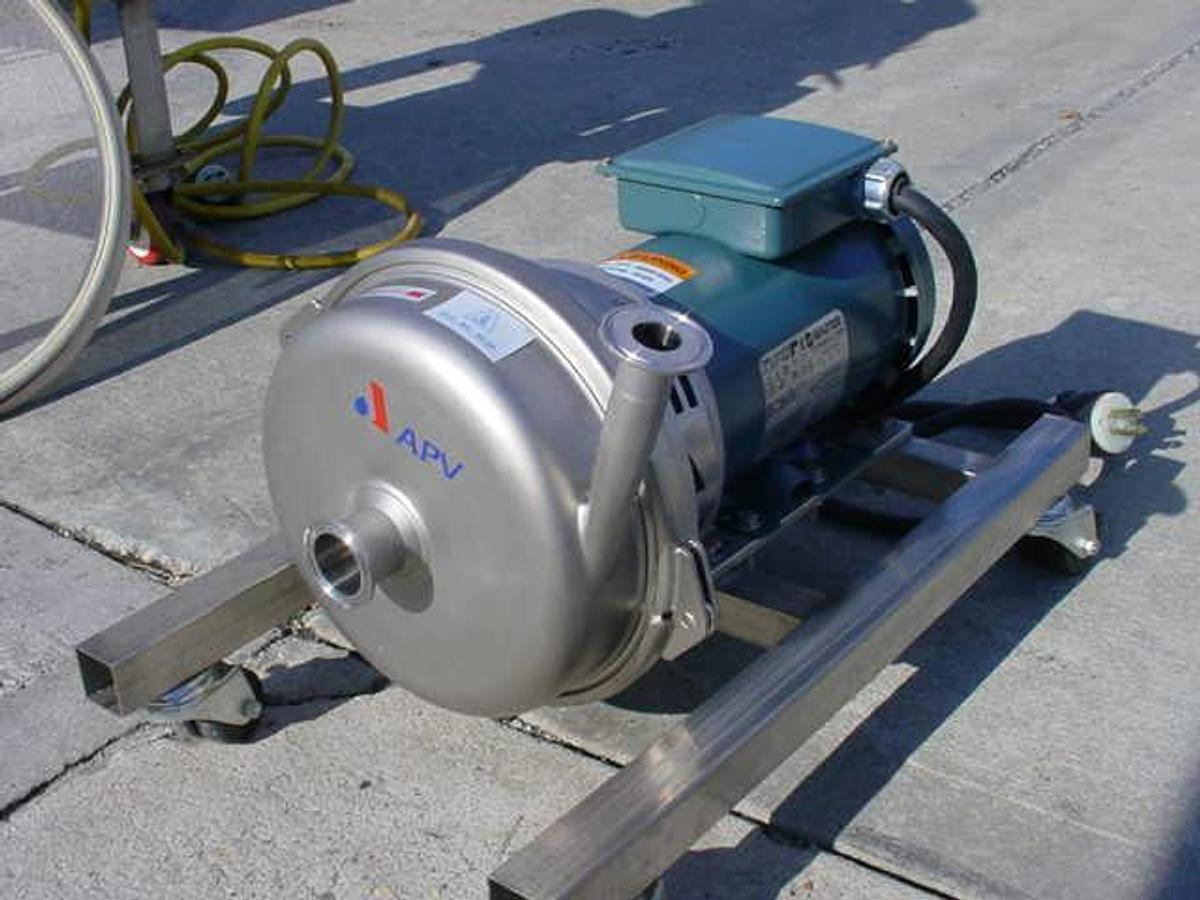
APV built an extensive range of food and beverage processing machinery over its history, and most of the major product categories remain available through used equipment dealers. The most frequently listed machines include plate heat exchangers, scraped surface heat exchangers, pasteurization systems, homogenizers, high shear mixers and dissolvers, positive displacement pumps, centrifugal pumps, and evaporators. Specialty lines like energy bar cooling tunnels and liquiverter systems also appear periodically. APV's stainless steel sanitary pumps, in particular, show up in a wide variety of port sizes and horsepower ratings, making them practical for many different production scales.
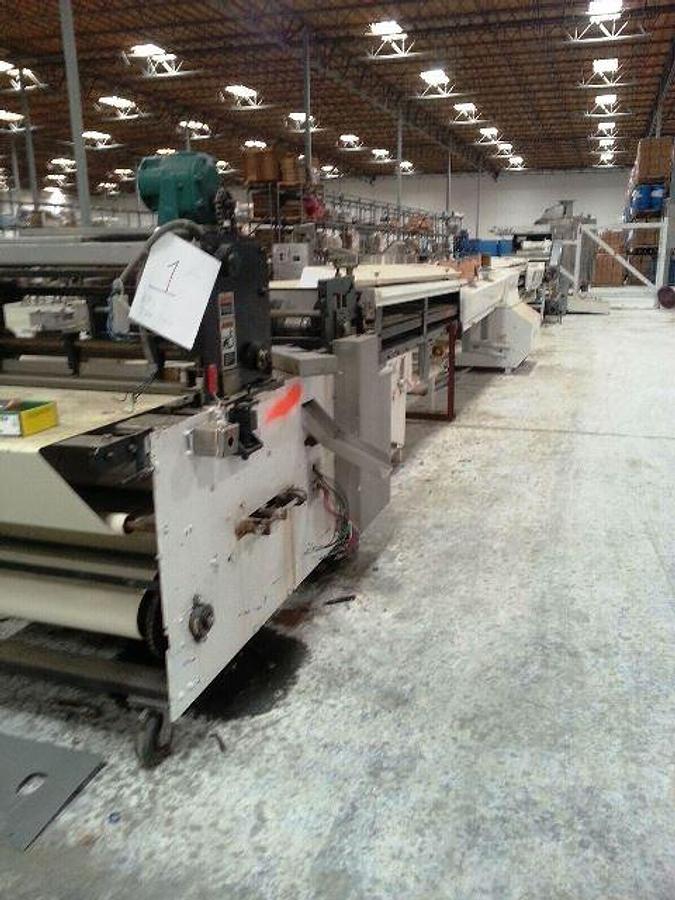
Beyond individual machines, APV also produced complete processing lines for dairy, juice, brewing, and confectionery applications. A used equipment dealer specializing in food processing machinery will typically carry multiple APV categories at any given time, from single pumps priced for smaller operations to full pasteurization or heat exchange systems suited for larger production facilities. Buyers searching for a specific model or configuration should check with dealers regularly, as inventory turns over frequently in this market.
Why is used APV food processing equipment still in high demand decades after production?
APV earned a strong reputation for building machinery to exceptionally high durability standards. Many APV units manufactured 20 to 40 years ago are still running in active production facilities today, which speaks directly to the quality of materials and engineering that went into them. The brand's heavy use of stainless steel construction, sanitary design principles, and robust mechanical components means that well-maintained machines retain significant functional value long after the original purchase. That longevity is a primary reason the used market for APV equipment remains active and competitive.
Another factor is the cost differential. A used APV plate heat exchanger or pasteurizer in good working condition can represent a fraction of the cost of a comparable unit purchased through a current manufacturer, while delivering essentially the same process output. For smaller dairies, craft beverage producers, and food manufacturers working within tight capital budgets, used APV equipment offers a practical path to professional-grade processing capacity. The brand's long association with sanitary design also means that many models were built with 3-A Sanitary Standards compliance in mind, which eases integration into regulated production environments.
What industries and food types is APV equipment best suited for?
APV developed its equipment primarily for the dairy, beverage, brewing, and general food processing industries, and those remain the core application areas for used APV machinery today. Plate heat exchangers and pasteurization systems are particularly well matched to fluid dairy products like milk, cream, and yogurt base, as well as fruit juices, soft drinks, and beer. The brand's homogenizers are widely used for emulsification in dairy and sauce production. High shear mixers and dissolvers handle applications ranging from beverage concentrates to pharmaceutical-grade emulsions. Positive displacement and centrifugal pumps cover an enormous range of viscosities, from thin liquids to thick pastes.
Beyond those core sectors, APV equipment has found use in pharmaceutical processing, personal care product manufacturing, and industrial food ingredient production, largely because the sanitary design standards it was built to translate well across regulated industries. Confectionery producers have also made use of APV cooling tunnels and enrobing-adjacent systems. The versatility of the equipment across product types is one of the reasons used APV machines tend to retain their value and find buyers even when they come out of a facility that processed something entirely different from what the next owner intends to run through them.
What should buyers inspect when evaluating used APV plate heat exchangers or pumps?
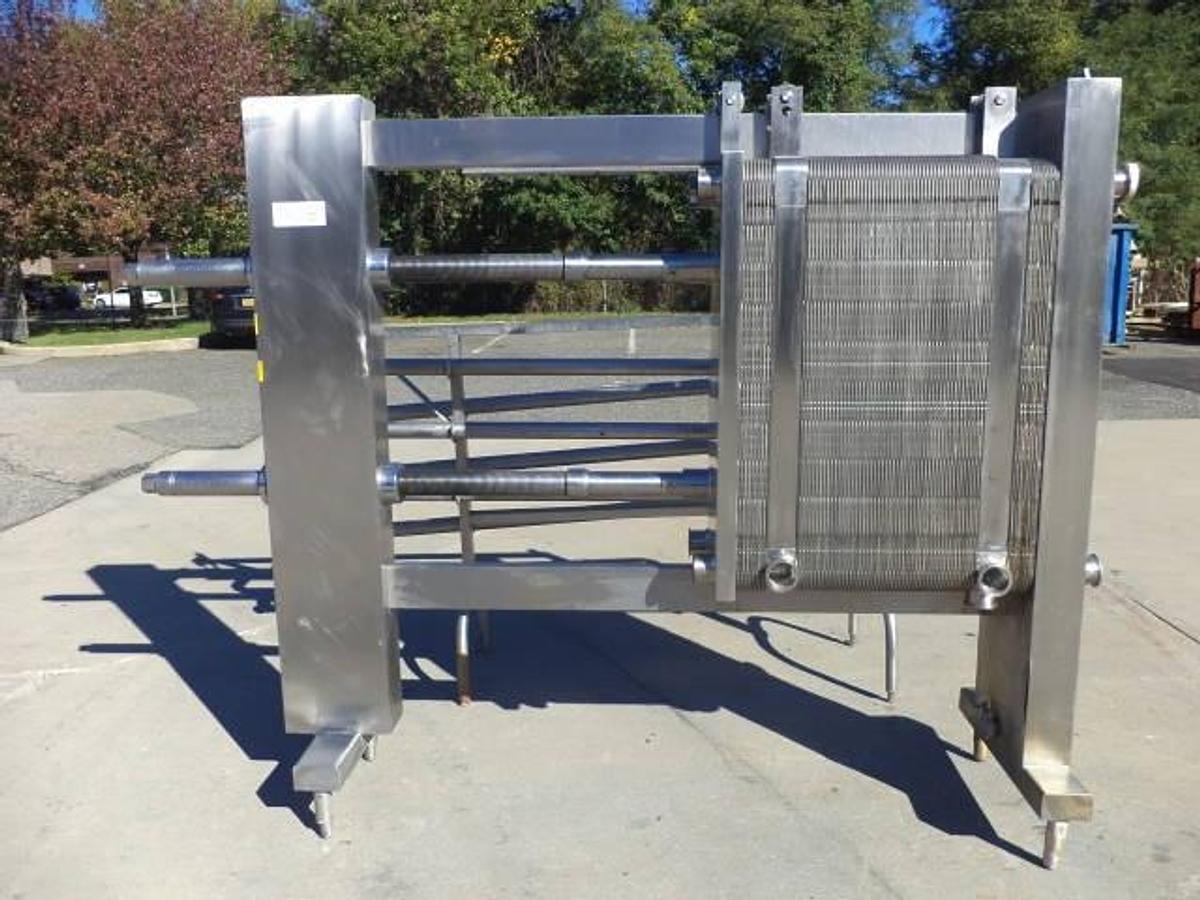
For plate heat exchangers, the condition of the gaskets is the first thing to assess. Gaskets degrade over time and with repeated thermal cycling, and replacing them can add meaningful cost to the purchase. Buyers should ask about the age of the current gaskets, the fluid types the unit processed, and whether any plates show signs of fouling, pitting, or corrosion. Plate integrity matters as much as gasket condition since damaged or warped plates reduce efficiency and can cause cross-contamination between process streams. A visual inspection of the plate pack, either in person or through a detailed video walkthrough, is strongly recommended before committing to a purchase.
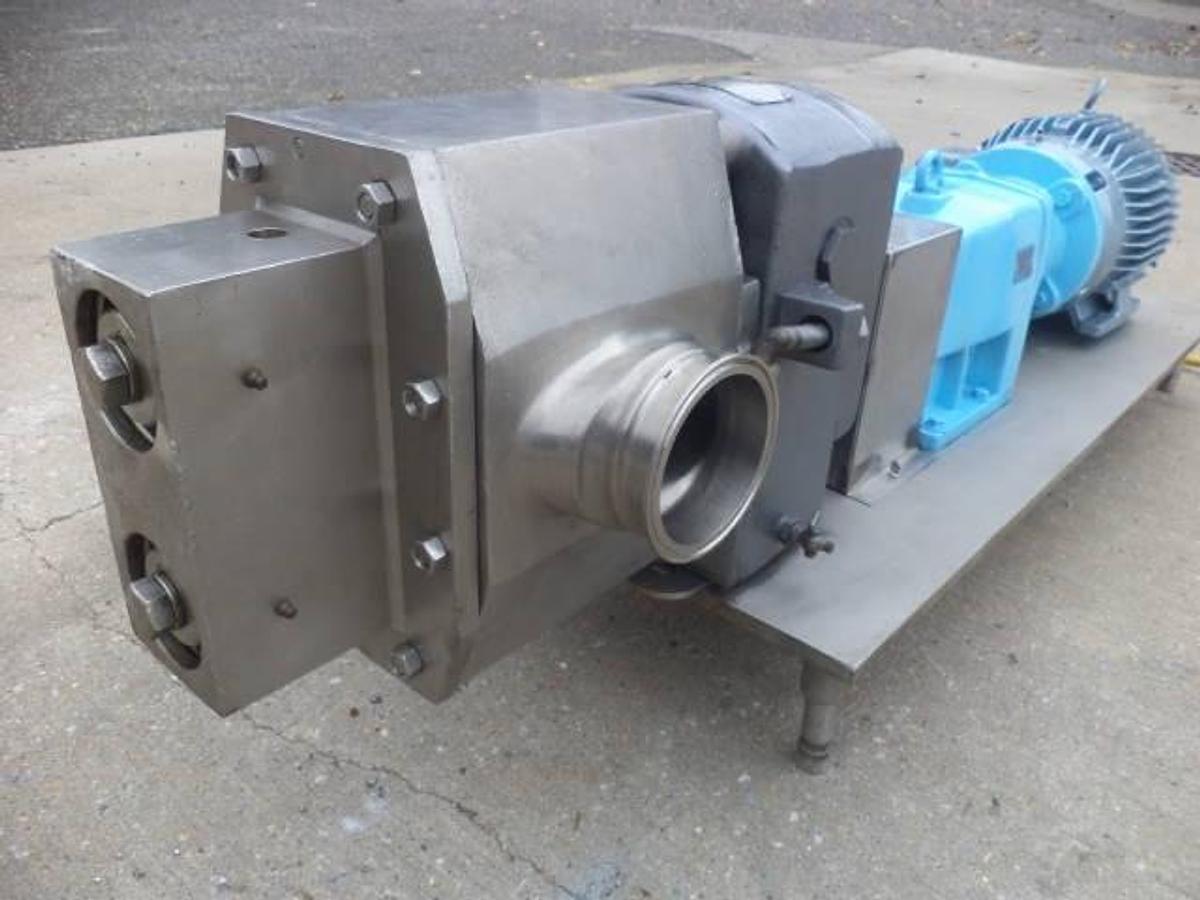
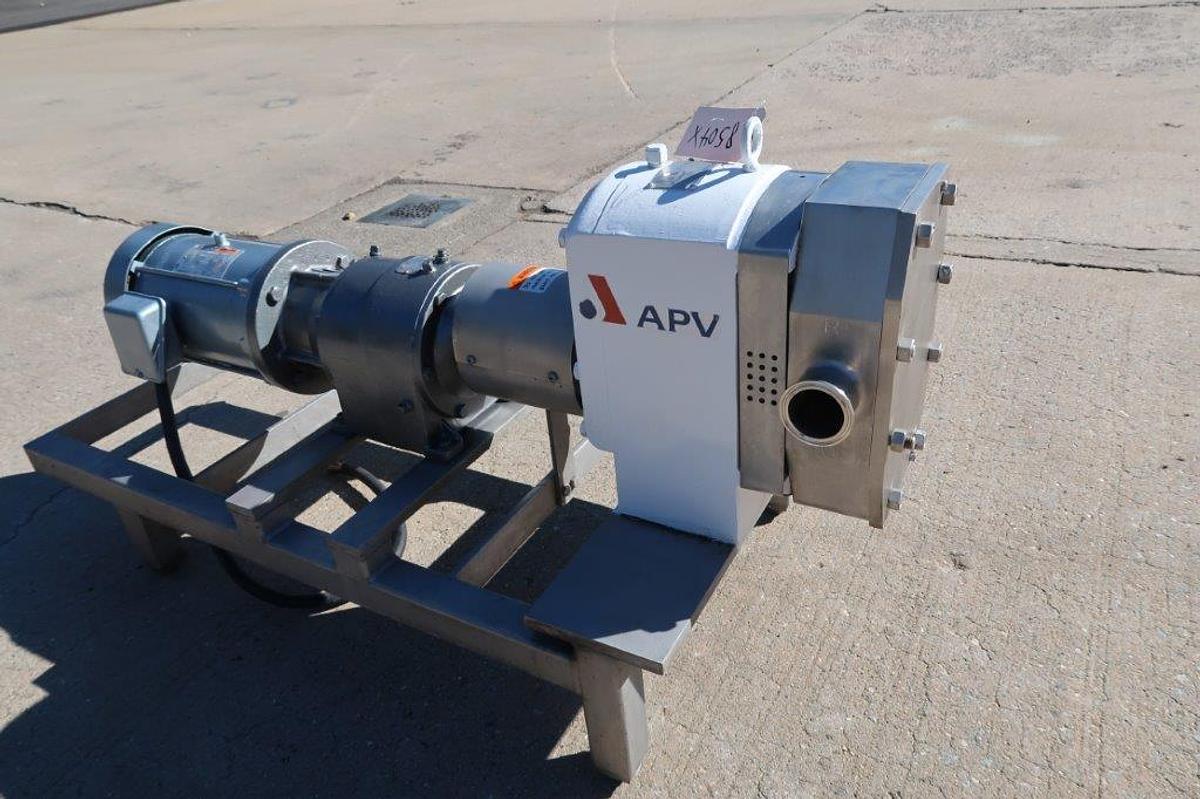
For APV pumps, both positive displacement and centrifugal types, the key areas to examine include shaft seal wear, bearing condition, impeller or rotor integrity, and the state of any attached motor. Older motors may be functional but not compatible with modern variable frequency drives, which could affect how the pump integrates into a current production setup. Control systems on more complex APV units like pasteurizers and homogenizers should also be evaluated for compatibility with current automation standards, since older PLCs or proprietary control panels can require upgrades that add to the total cost of ownership. Reputable dealers will typically accommodate in-person or video inspections to help buyers get an accurate picture of a machine's current condition.
Are replacement parts still available for used APV food processing equipment?
APV as a standalone brand was absorbed through a series of acquisitions and now operates under SPX Flow, which continues to manufacture and support some APV-branded product lines. For more recent APV models, parts availability through SPX Flow or authorized distributors is generally reasonable, though buyers should verify support status for a specific model before purchasing. For older or discontinued units, the situation is more variable. Gaskets, seals, and wear components for APV plate heat exchangers are often available through third-party sanitary parts suppliers, since the plate dimensions and port configurations on many APV models became something of an industry standard over the decades.
Buyers should contact the manufacturer or their authorized service network directly to understand what level of support is available for the specific model and age of equipment they are considering. This step is worth doing before finalizing any purchase, since parts availability can vary significantly between product lines and vintages. Some older APV units may require fabricated or adapted components, which is manageable but adds cost and lead time. Dealers who specialize in food processing equipment will often have insight into parts sourcing for the specific machines they carry, which is another reason to work with a dealer experienced in this category rather than a general industrial reseller.
Does used APV equipment meet current FDA, USDA, and 3-A Sanitary Standards requirements?
Many APV machines were engineered from the ground up with sanitary design principles that align with 3-A Sanitary Standards, which is one of the reasons they have remained attractive to food and dairy processors for so long. Stainless steel product contact surfaces, crevice-free welds, and cleanability were core design priorities across much of the APV product line, particularly for heat exchangers, pumps, and pasteurization systems. That foundation means a well-maintained used APV unit can often be integrated into a regulated production environment without requiring significant modification to the equipment itself.
That said, compliance is ultimately the responsibility of the facility operating the equipment, not the machine alone. Buyers should have their quality assurance or food safety team evaluate any used unit against their current regulatory requirements, since standards and interpretations can evolve over time. The age of a machine does not automatically disqualify it from meeting current sanitary standards, but the condition of seals, gaskets, surface finishes, and any modified components will all factor into that assessment. Working with a dealer who understands food processing regulations and can provide detailed specifications and photos of the equipment makes that evaluation considerably easier.
What is the typical price range for used APV food processing equipment?
Pricing for used APV equipment spans a wide range depending on the type of machine, its size, age, and overall condition. Smaller items like individual sanitary pumps, whether positive displacement or centrifugal, typically fall in the range of a few hundred to a few thousand dollars. Mid-range units such as plate heat exchangers, high shear mixers, and homogenizers can run from several thousand to tens of thousands of dollars depending on capacity and configuration. Larger or more complex systems like full pasteurization lines, scraped surface heat exchanger setups, or complete processing lines can reach six figures for well-maintained units in good working order.
Beyond the sticker price, buyers should factor in the full landed cost of the equipment. Shipping, rigging, crating, and any site preparation or installation work can add meaningfully to the total investment, particularly for heavy machinery that requires specialized loading and unloading equipment. Some machines may also need gasket replacements, control system updates, or other servicing before they are production-ready, and those costs should be estimated before finalizing a purchase decision. Getting a clear picture of all associated costs upfront allows for a realistic comparison between different units and helps avoid budget surprises after the equipment arrives.
How does the inspection process work when buying used APV equipment?
Most reputable used equipment dealers offer buyers the ability to inspect machinery before purchase, either in person at the dealer's facility or through a video walkthrough. For APV units that are still installed and running at a production facility, some dealers can arrange an in-person inspection at the actual plant, where the equipment may be observed in operation or at least in its decommissioned state with all components accessible. This kind of access provides the most accurate picture of a machine's condition and is worth requesting for any significant purchase. Video inspections, where a dealer representative walks through the machine on camera and responds to specific questions in real time, have become a practical alternative when travel is not feasible.
It is worth understanding that most used equipment dealers do not have the permitting or production infrastructure to run actual food product through a machine as part of an inspection. What dealers can typically demonstrate is mechanical function, motor operation, and the physical condition of key components. Buyers with specific process requirements may want to bring in a qualified technician or engineer to participate in the inspection and evaluate whether the machine meets their production needs. The goal of any inspection is to get an honest, detailed view of the equipment's current state so that the buyer can make a fully informed decision before committing to the purchase.
What are the typical shipping and logistics considerations when purchasing used APV processing equipment?
Shipping costs for used food processing equipment vary considerably based on the size and weight of the machine, the distance it needs to travel, and the level of packaging required to protect it in transit. Smaller APV units like individual pumps can often be palletized and shipped via standard freight carriers at relatively modest cost. Larger machines such as heat exchanger assemblies, pasteurizers, or complete processing lines require more substantial crating and may need specialized flatbed or enclosed transport depending on their dimensions. Buyers should ask the dealer for a detailed breakdown of packaging, crating, and freight costs before finalizing the purchase so that the full landed cost is clear from the start.
Rigging is another cost factor that is easy to overlook. Heavy APV equipment often requires a forklift or crane for loading at the dealer's facility and unloading at the buyer's site, and those services carry their own charges. Buyers should confirm what rigging is included in the dealer's quoted price and what will fall to them on the receiving end. For international shipments, customs documentation, import duties, and compliance with destination country regulations add another layer of planning. A dealer experienced in food processing equipment will typically have established relationships with freight and rigging providers and can help coordinate logistics, but buyers should get all cost estimates in writing before the equipment ships.
What payment terms should buyers expect when purchasing used APV equipment from a dealer?
Payment practices in the used food processing equipment market are fairly consistent across the industry. Most dealers require full payment before a machine is released for shipping, which is standard practice given the nature of the transaction and the difficulty of recovering large pieces of industrial equipment if a payment dispute arises after delivery. Wire transfer is the most common payment method for transactions of any significant size, though some dealers accept other forms of payment depending on the amount and the buyer's relationship with the seller. Buyers should clarify accepted payment methods early in the process to avoid delays once a purchase decision is made.
For buyers with an established purchasing history with a particular dealer, some flexibility on payment terms may be available, though this is at the dealer's discretion and not something that should be assumed. First-time buyers will almost universally be expected to pay in full before shipment. It is also worth confirming whether the quoted price is inclusive of all fees or whether taxes, handling charges, or documentation costs will be added at invoicing. Getting a complete, itemized quote in writing before submitting payment protects both parties and ensures there are no misunderstandings about what is included in the transaction.