Category
Manufacturer
Model
3M
3M is a global leader in industrial, safety, and consumer goods, known for its innovation in adhesives, abrasives, and filtration systems. Their products serve a wide range of industries, including healthcare, automotive, and electronics.
FAQ:
What types of 3M equipment are commonly available on the used market?
3M produces equipment across a broad range of industrial and commercial categories, and used machines surface regularly across several of those segments. The most frequently traded used 3M equipment includes case sealers and case tapers (such as the 3M-Matic line), packaging machinery, respiratory protection systems, industrial abrasive application equipment, and filtration systems. 3M-Matic case sealers in particular are a staple of secondary packaging lines and appear often in the used market because they are durable, widely deployed in food, beverage, and consumer goods facilities, and have long service lives that make resale practical.
Beyond packaging machinery, buyers also search for used 3M safety and PPE-related equipment, including powered air-purifying respirator systems and self-contained breathing apparatus units. 3M's reputation as a global leader in adhesives, abrasives, filtration, healthcare, automotive, and electronics applications means that decommissioned equipment from any of those sectors can represent strong value for buyers who need proven industrial performance without paying prices for brand-new machines. Identifying the right category starts with understanding your production or safety requirements, then matching those needs to the specific 3M model or product line that was engineered for that application.
What should I know before buying used 3M-Matic case sealing equipment?
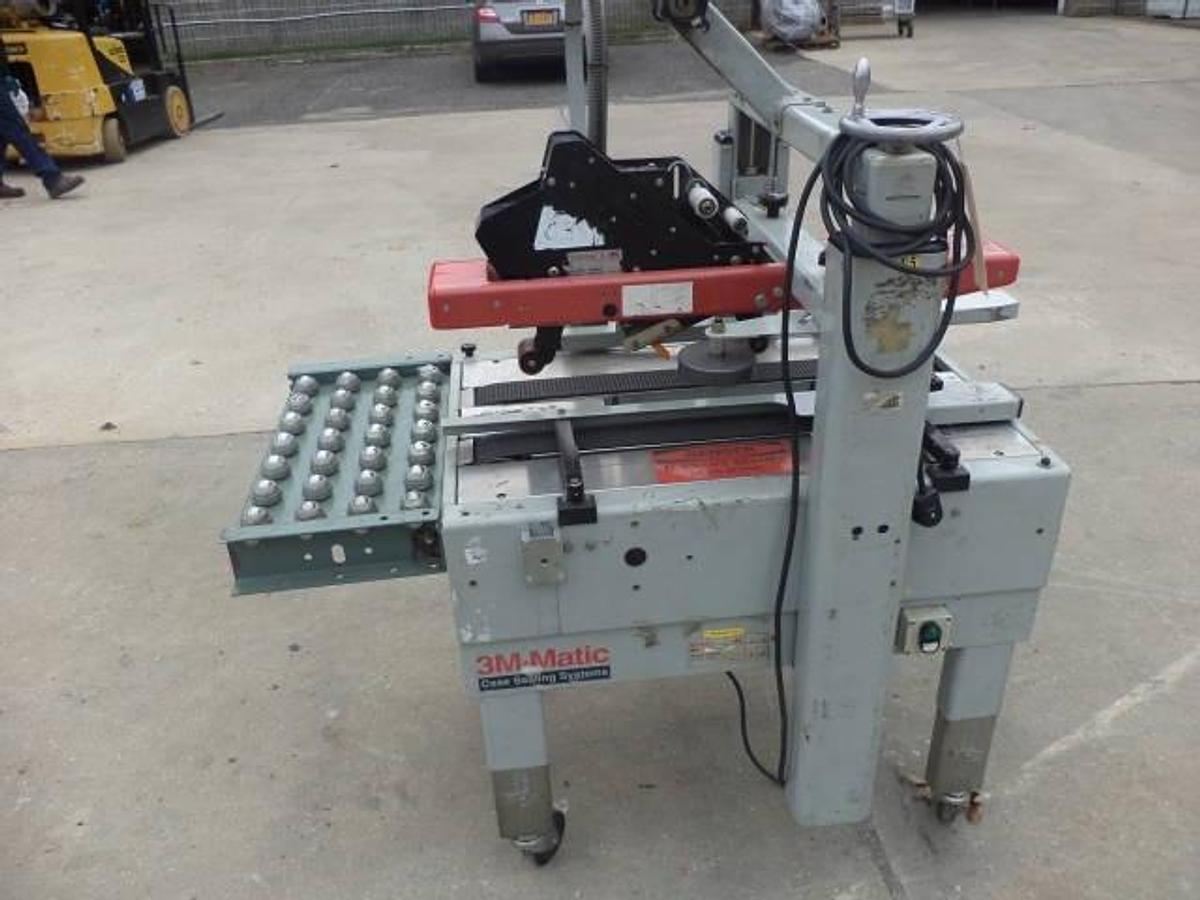
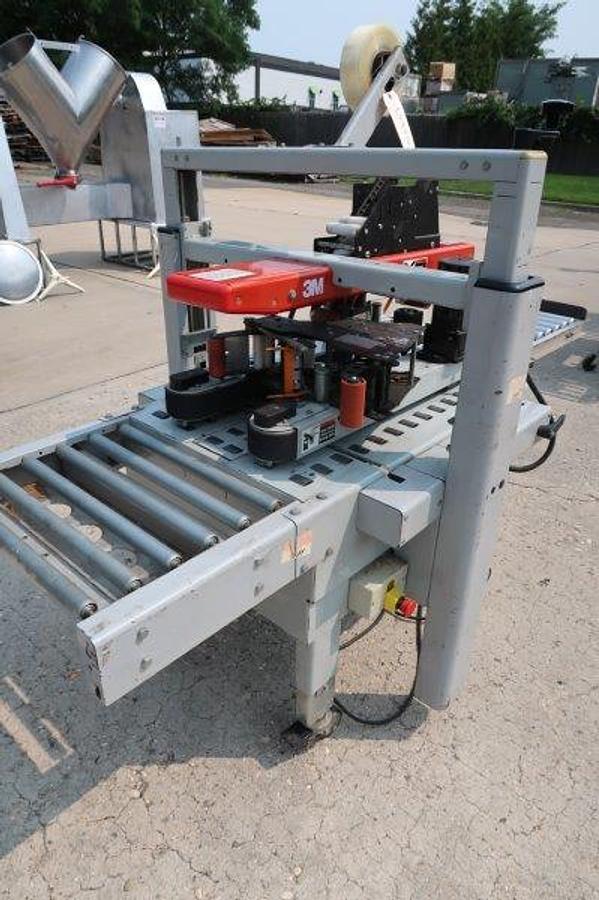
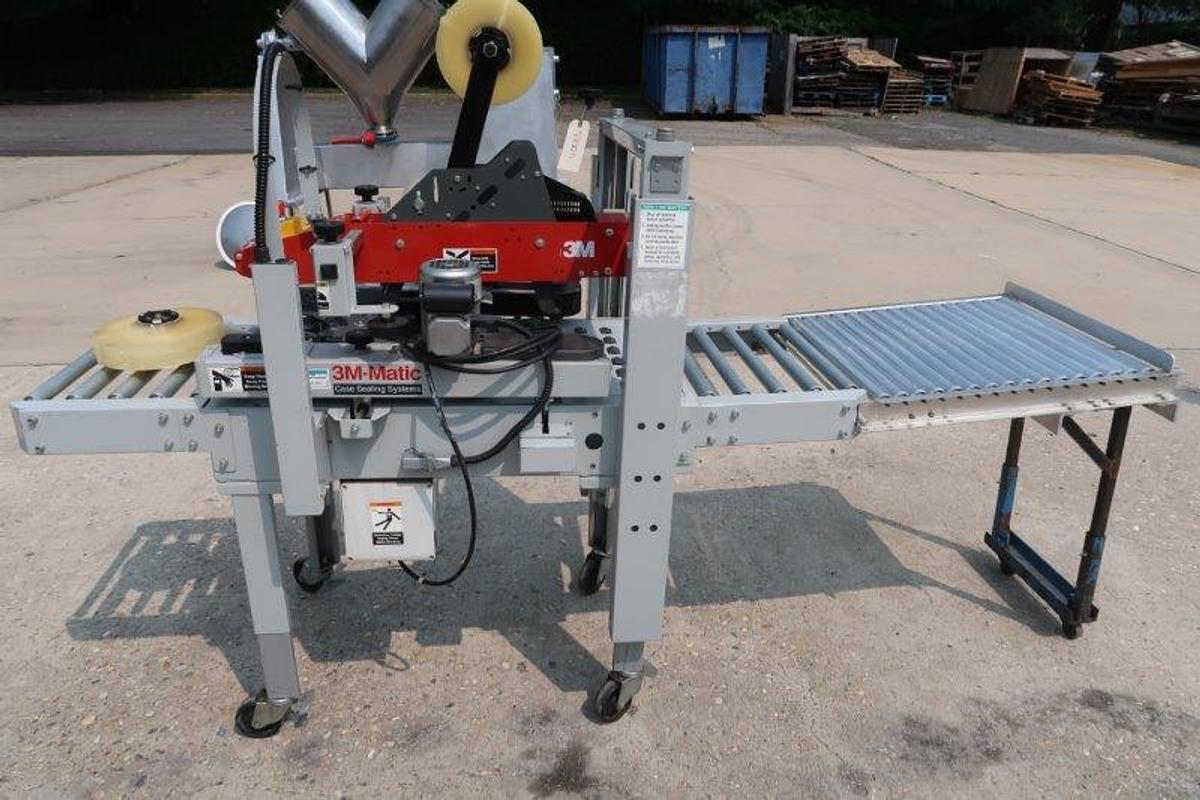
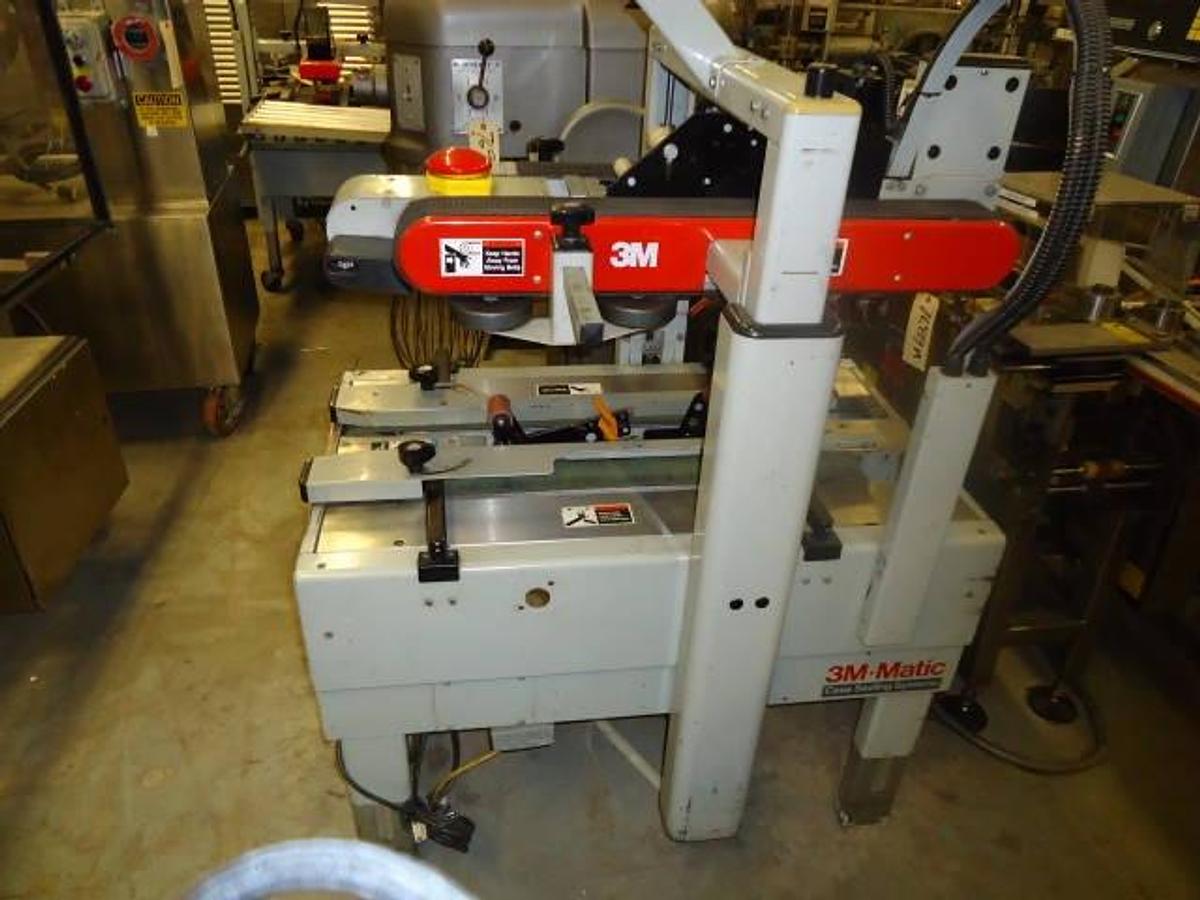
3M-Matic case sealers are among the most recognized packaging machines in secondary packaging operations. Models like the 200A Adjustable Case Sealer and the 700 Top and Bottom Case Taper are designed to handle a wide range of carton sizes and tape widths, making them versatile across industries. When evaluating a used unit, buyers should pay close attention to the condition of the tape heads, drive belts, side rails, and adjustment mechanisms, as these components see the most wear in high-volume operations. Casters and frame extensions are also worth inspecting, since they affect line integration and portability.
Because these are used machines, they are typically sold as-is, which means the burden of condition assessment falls on the buyer. Reputable used equipment dealers will offer in-person or video inspections so you can see the machine's actual working condition before committing to a purchase. It is also worth contacting 3M directly to confirm parts availability for the specific model you are considering, since older or discontinued models may have limited support. Factoring in any refurbishment costs, consumables like tape rolls, and integration requirements will give you a realistic picture of the total cost of ownership.
How does buying used 3M equipment differ from buying it directly from the manufacturer?
Purchasing used 3M equipment through the secondary market is fundamentally different from buying through an authorized distributor or directly from 3M. The most significant difference is that used equipment is sold as-is, without manufacturer backing, active support agreements, or the assurances that come with a factory-fresh purchase. Prices are typically lower to reflect the machine's age, prior use, and the absence of those protections. For buyers with in-house maintenance capabilities or access to qualified technicians, this trade-off often makes strong financial sense.
Another key distinction is the sourcing process itself. When buying used, the condition of the machine depends entirely on how it was operated and maintained by the previous owner, not on factory standards. This is why inspection is so critical. A trustworthy used equipment dealer with a long track record in industrial machinery will provide documentation of what they know about the machine, facilitate inspections, and be transparent about any visible wear or missing components. Buyers should also consult 3M directly about the level of technical support and parts availability they can expect for the specific model and age of equipment they are considering, since that varies considerably across the product line.
What does the inspection process look like when purchasing used 3M industrial machinery?
Inspection is one of the most important steps in buying used industrial equipment, and reputable dealers make it a standard part of the process. Most dealers offer three formats: in-person visits to the dealer's facility, live video walkthroughs conducted via phone or video call, and pre-recorded video documentation of the machine's current condition. The goal in any format is to get an honest, accurate picture of how the equipment looks and operates before money changes hands. For 3M packaging machinery like case sealers and tapers, a thorough inspection should cover drive systems, tape head assemblies, frame integrity, electrical components, and any adjustable or moving parts.
In some cases, the machine may still be running in an active production facility, in which case the dealer can often arrange an inspection at the plant where the equipment is installed. Keep in mind that most used equipment dealers are not permitted to run full production tests, since that requires separate operational permitting. What they can demonstrate is mechanical function, movement of components, and visible condition. Buyers who want the highest confidence in a purchase should request the most detailed inspection available and ask specific questions about any components that are critical to their intended application. If anything is unclear from a video, push for additional footage or an in-person visit.
Are replacement parts and consumables available for used 3M equipment?
Parts and consumable availability is one of the most practical considerations when buying any used industrial machine, and 3M equipment is no exception. For widely used product lines like the 3M-Matic case sealer series, many replacement parts, including tape heads, belts, and adjustment hardware, have historically been available through 3M's own service network and authorized parts distributors. However, availability can vary significantly depending on the model's age and whether 3M still actively supports that particular line. Before purchasing a used 3M machine, it is worth reaching out to 3M directly to confirm what parts are stocked and what the realistic lead times look like.
Consumables are a separate but equally important cost factor. For case sealers, that means tape cartridges and film rolls. For 3M respiratory or filtration equipment, it means replacement filters, cartridges, and lenses. These ongoing costs should be factored into the total cost of ownership from the start, not treated as an afterthought. A machine that is inexpensive to acquire but difficult or expensive to maintain can end up costing more over its operational life than a higher-priced unit with readily available support. Asking the dealer about the machine's maintenance history and any known component wear can help you estimate what you are likely to spend after the purchase.
What are the most important questions to ask a used 3M equipment dealer before buying?
Going into a used equipment purchase with a clear set of questions puts you in a much stronger position. The most useful questions to ask upfront include: How long has this machine been in storage or out of production? What is the documented maintenance history? Are there any known issues with specific components? Can you provide a video inspection or arrange an in-person visit? What is included in the sale, and are any accessories, tooling, or manuals part of the package? Understanding the machine's history gives you a baseline for estimating what, if anything, will need attention before it goes back into service.
Beyond the machine itself, ask about the dealer's experience with 3M equipment specifically. A dealer who specializes in packaging or industrial machinery will have more useful context about a 3M-Matic case sealer than a general liquidator would. Also ask about shipping logistics, including how the machine will be packaged or crated, whether rigging is required for loading, and what the estimated freight cost will be to your location. Getting a clear picture of the total landed cost, including the machine price, freight, rigging, and any refurbishment you anticipate, prevents surprises after the purchase is complete.
How is used 3M equipment typically shipped, and what should buyers expect in terms of freight costs?
Shipping used industrial machinery involves more planning and cost than standard freight, and 3M packaging equipment like case sealers is no exception. Smaller units may ship on standard pallets with appropriate wrapping and banding, while larger or heavier machines often require custom crating to prevent damage in transit. The level of packaging directly affects the freight cost, and buyers should ask dealers specifically how the machine will be prepared for shipment before agreeing to a price. Inadequate packaging is one of the most common causes of transit damage on used equipment.
For heavier machines, rigging, which refers to the use of forklifts, cranes, or specialized lifting equipment to load and unload the machine safely, is typically an added cost on both the shipping and receiving ends. Buyers need to confirm they have the appropriate equipment and space to receive a large machine at their facility. Freight rates vary based on weight, dimensions, origin, destination, and the carrier used, so getting a firm freight quote before finalizing the purchase is important for budgeting accurately. Dealers experienced in machinery sales will be able to walk buyers through the full logistics process and provide realistic cost estimates.
What payment terms are standard when purchasing used 3M equipment?
Payment practices in the used industrial equipment market tend to follow a fairly consistent pattern. Most dealers require full payment before the machine is released for shipment. This protects the seller from non-payment after the equipment has been prepared, loaded, and handed off to a freight carrier. For buyers, this means having funds cleared and ready before the transaction is finalized, which is worth planning for in advance, especially for larger purchases that may involve wire transfers or other payment methods that take time to process.
Some dealers extend payment terms to established customers with a prior purchase history, but this is not a standard offering for first-time buyers. If your business requires net terms or financing, it is worth asking the dealer directly whether any arrangements are available, but be prepared for the answer to be no on an initial transaction. Third-party equipment financing is another option some buyers explore independently, where a lender pays the dealer in full and the buyer repays the lender over time. Whatever payment method you use, make sure the transaction is documented clearly, including what machine is being purchased, its described condition, and the agreed price, before any funds are transferred.
How can I verify that used 3M equipment is genuine and not counterfeit or misrepresented?
Counterfeit 3M products are a documented problem, particularly in the PPE segment where fake N95 respirators and other safety items have been widely reported. For industrial machinery like 3M-Matic case sealers, outright counterfeiting is less common, but misrepresentation of model numbers, condition, or included accessories does occur in the used market. The most reliable way to protect yourself is to buy from dealers with a verifiable track record, transparent inspection processes, and clear documentation of what they are selling. A dealer who is reluctant to provide serial numbers, photos, or inspection access should be treated with caution.
For 3M safety and PPE equipment specifically, cross-referencing the model and serial number with 3M's official product documentation is a useful step. 3M maintains records of genuine product specifications, and their customer service teams can often help verify whether a specific unit matches the described model. When purchasing used machinery of any kind, the combination of a reputable dealer, a thorough inspection, and direct consultation with the manufacturer where applicable gives buyers the best protection against misrepresented equipment. Dealers who have been operating in a specific equipment category for many years tend to have the deepest product knowledge and the strongest incentive to maintain their reputation through accurate listings.
What industries most commonly use 3M industrial equipment, and does that affect resale value?
3M's industrial product lines serve an exceptionally broad range of sectors. Case sealing and packaging machinery like the 3M-Matic line is heavily used in food and beverage, consumer goods, e-commerce fulfillment, pharmaceutical, and electronics manufacturing operations. 3M's abrasive and adhesive application equipment appears in automotive manufacturing, aerospace, and metal fabrication. Filtration systems are used in healthcare, cleanroom environments, and industrial air quality applications. This breadth means that used 3M equipment can surface from virtually any type of facility closure, production line upgrade, or capacity reduction.
The industry a machine came from can affect its condition and, by extension, its resale value. Equipment from a cleanroom or pharmaceutical environment may have been meticulously maintained and run at lower duty cycles, while a machine from a high-volume distribution center may show more wear. Buyers should ask about the prior operating environment when possible, as it provides useful context for estimating remaining service life. 3M's reputation for engineering durable, reliable equipment means that well-maintained used machines often retain strong functional value long after their initial deployment, which is part of what makes them attractive on the secondary market.