Category
Manufacturer
Model
Lyco
Lyco provides food processing equipment, particularly for the vegetable and fruit industries. Their systems are designed to enhance efficiency and quality in processing, ensuring products meet market standards.
FAQ:
What types of food processing equipment does Lyco Manufacturing make?
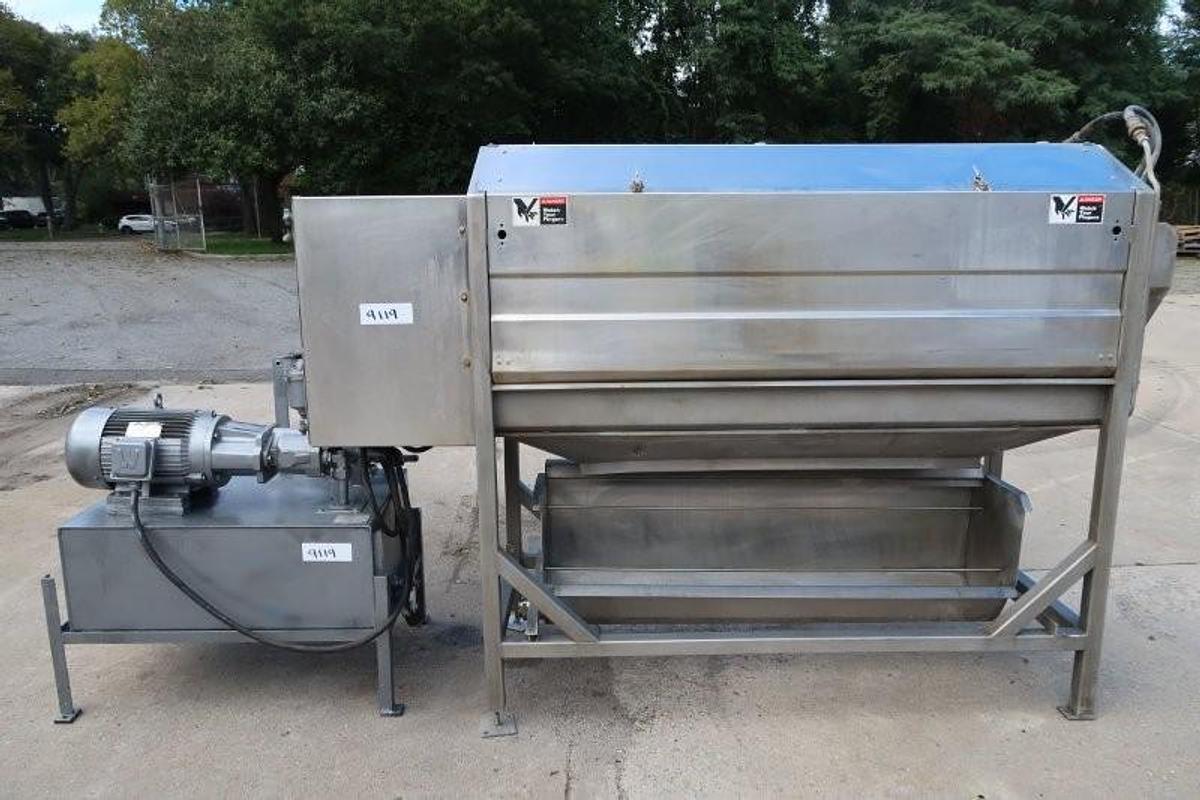
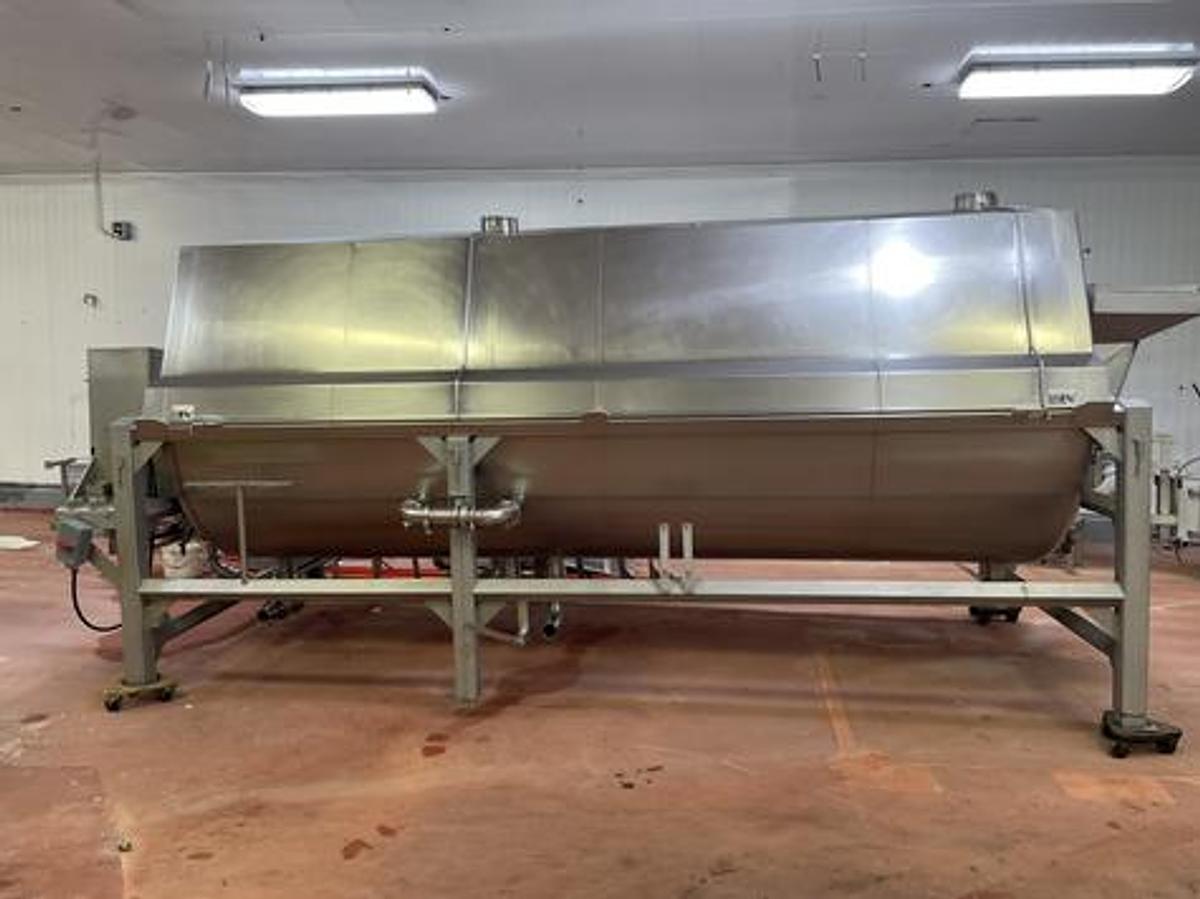
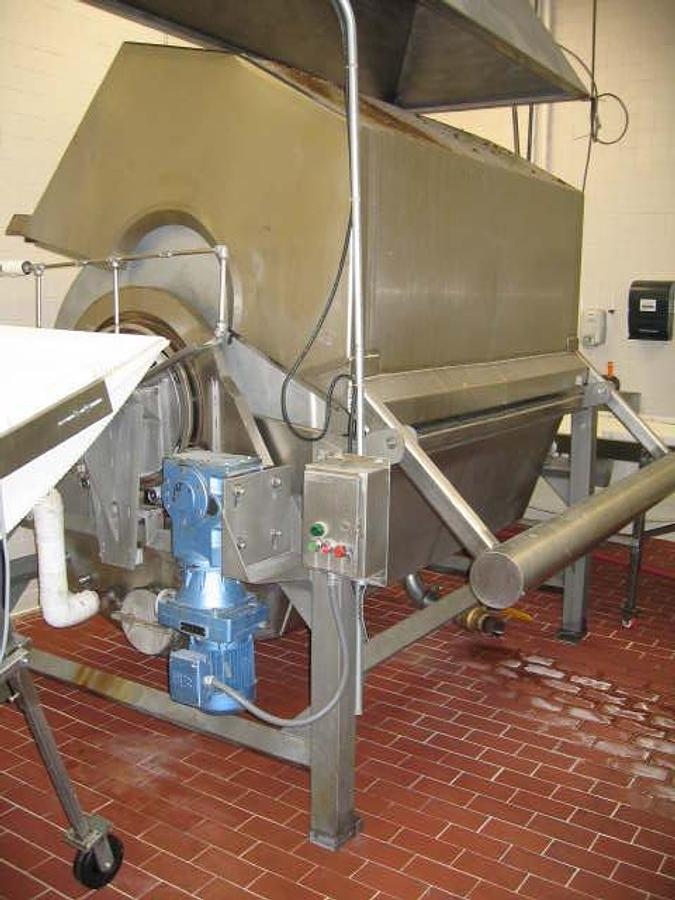
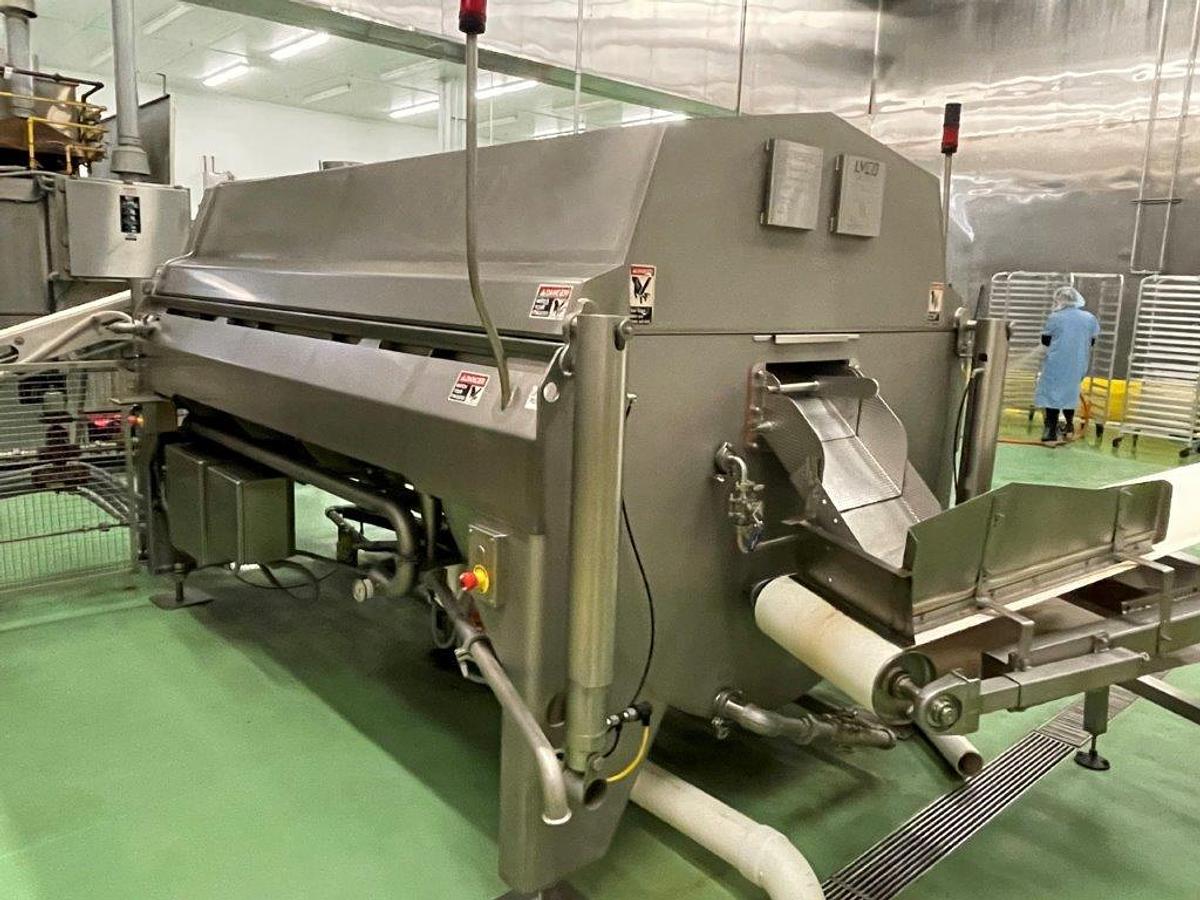
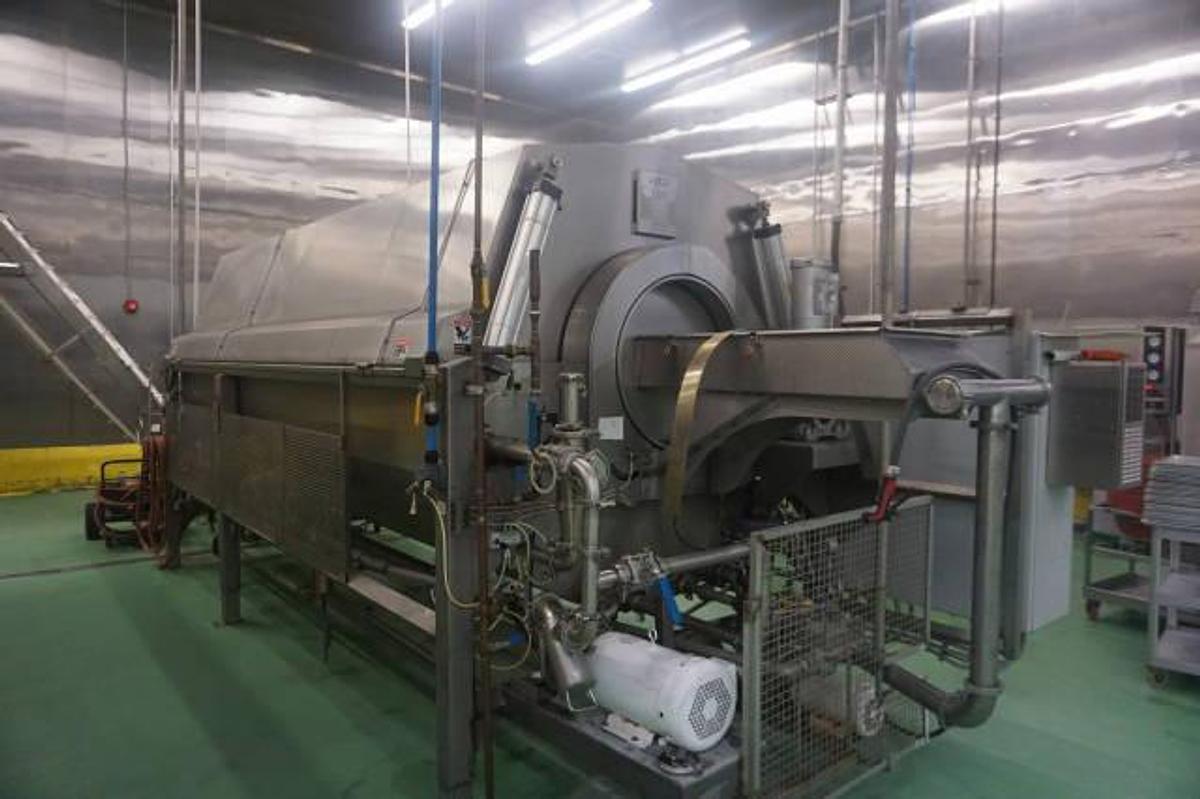
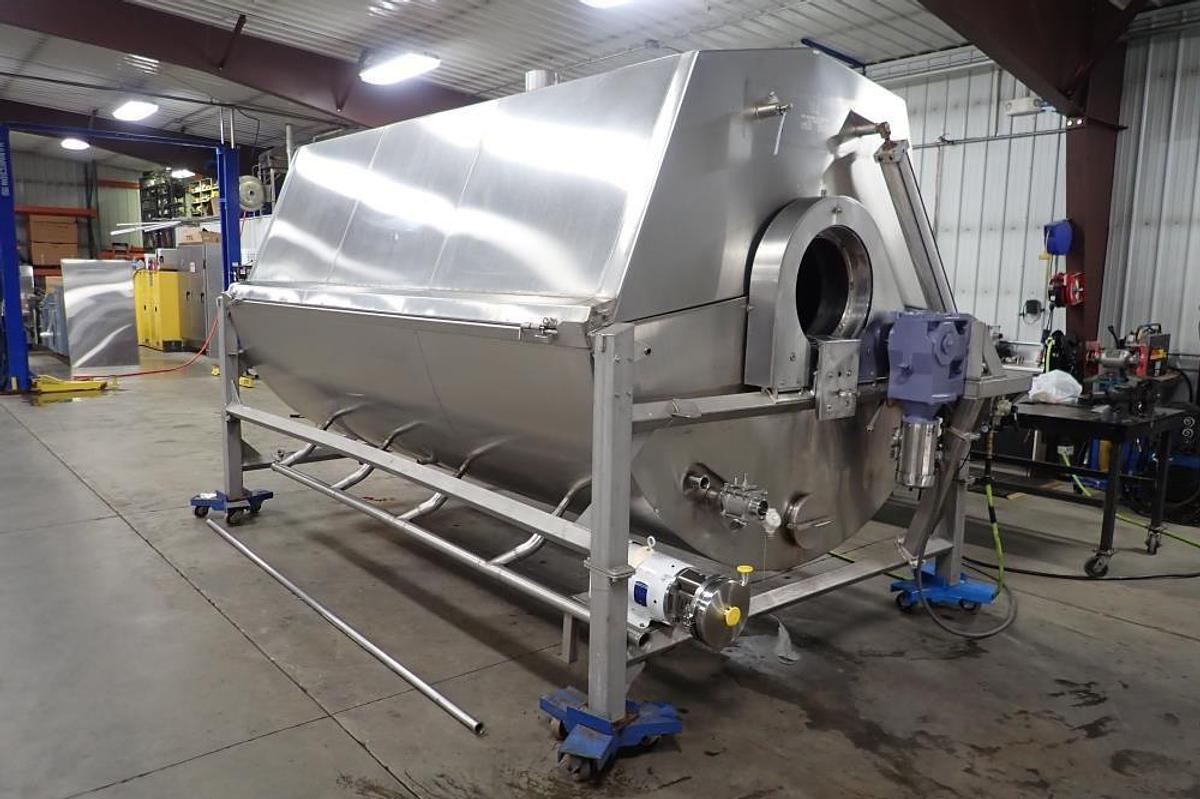
Lyco Manufacturing, based in Columbus, Wisconsin, specializes in commercial-scale food processing equipment built around rotary drum and batch processing technology. Their product line includes rotary drum blanchers, cookers, coolers, and dewatering systems. Specific configurations include drum blanchers in various sizes (such as 48-inch by 6-foot and 60-inch by 16-foot units), clean-flow blanchers, and drum cooker/cooler combinations. All equipment is constructed in stainless steel, which is standard for food-grade processing environments.
The company's focus is on high-throughput continuous processing, making their machines well-suited for large-scale production operations. Their blanching and cooking systems are designed to deliver consistent thermal processing across the product load, which matters a great deal in commercial food production where uniformity directly affects quality and food safety outcomes. Used Lyco machines appear across a range of sizes and configurations depending on the production volumes they were originally built to handle.
What food products and industries is Lyco equipment best suited for?
Lyco equipment is widely used across vegetable and fruit processing, but its applications extend well beyond that. The machines are commonly found in facilities processing beans, pasta, rice, potato products, corn, peas, and other high-volume food items that require precise blanching or cooking at commercial scale. The rotary drum design is particularly effective for products that need to be tumbled gently through a hot water or steam environment without being crushed or damaged, which makes it a practical choice for fragile or irregular-shaped food items.
Beyond vegetables and legumes, Lyco systems have been used in seafood processing and other protein applications where consistent temperature control and sanitary construction are non-negotiable. The stainless steel build and hygienic design of these machines make them adaptable to multiple food categories. Buyers sourcing used Lyco equipment should consider the specific model and drum dimensions relative to their product type and required throughput, since not all configurations perform equally across every application.
What is a rotary drum blancher and how does it work?
A rotary drum blancher is a continuous-flow thermal processing machine used in commercial food production to partially cook or inactivate enzymes in food products before freezing, canning, or further processing. Product is fed into a rotating stainless steel drum that moves it through a heated water bath or steam environment at a controlled speed and temperature. The rotation keeps product moving and prevents clumping, which helps achieve even heat penetration across the entire batch. Residence time inside the drum is controlled by the rotation speed and drum incline, allowing operators to dial in precise cook times.
Blanching is a critical step in many vegetable and fruit processing lines because it deactivates enzymes that would otherwise cause discoloration, off-flavors, or texture degradation during storage. It also reduces microbial load and can soften product slightly to improve downstream handling. Lyco's rotary drum blanchers are known for their consistent performance at high throughput rates, which is why used units remain in demand among food processors looking to expand capacity or replace aging equipment without the lead time and cost of purchasing unused machinery.
What should buyers look for when purchasing used Lyco food processing equipment?
Condition assessment is the most important step in buying any used food processing machine. For Lyco equipment specifically, buyers should examine the stainless steel drum and internal flights for wear, dents, or corrosion, since these components take the most mechanical stress during operation. Drive systems, bearings, seals, and spray headers should all be inspected for signs of wear or deferred maintenance. Electrical panels and control systems deserve close attention as well, particularly on older units where controls may have been modified or may be difficult to source parts for.
Beyond physical condition, buyers should research the model's production history, including how many hours it ran and what product it processed, since some food products are more abrasive or corrosive than others. Consulting directly with Lyco Manufacturing about parts availability and technical support for a specific model and serial number is a smart step before committing to a purchase. Reputable used equipment dealers will accommodate in-person or video inspections and can often provide photos or video of the machine's current state. Buyers should factor in rigging, crating, freight, and any refurbishment costs when calculating the true landed cost of the equipment.
Are replacement parts available for used Lyco food processing equipment?
Parts availability for used Lyco equipment varies depending on the model and how old the machine is. Lyco Manufacturing has historically maintained good after-sale support and offers access to OEM replacement components for many of their systems. However, the level of support available for any specific unit depends on its age and whether that model is still within Lyco's active support window. Buyers should contact Lyco directly with the machine's model number and serial number before purchasing to get a realistic picture of what parts and technical assistance are available.
For older machines or discontinued configurations, buyers may need to rely on third-party fabrication for certain wear parts, or source components from other used equipment suppliers. This is a normal consideration in the used machinery market and does not necessarily make a machine a poor investment, but it does affect the total cost of ownership calculation. Choosing a used equipment dealer who specializes in food processing machinery can also help, since experienced dealers are more likely to have knowledge of common wear items and can sometimes source or recommend parts suppliers for the equipment they sell.
How is used Lyco food processing equipment typically inspected before purchase?
Most reputable used equipment dealers offer buyers the option to inspect machinery in person, via live video call, or through detailed video documentation of the machine's current condition. The goal of any inspection is to get an accurate picture of the equipment's working order before money changes hands. For Lyco blanchers and cookers, a thorough inspection should cover the drum assembly, drive components, frame, plumbing, spray systems, and electrical controls. If the machine is still installed at a food processing facility, the dealer may be able to arrange access for an in-person walkthrough, and in some cases the equipment may still be in active production, which allows buyers to observe it running.
It is worth understanding that most used equipment dealers do not have the permits or infrastructure to run actual food production, so live product testing is generally not possible at a dealer's facility. Inspections are focused on mechanical and structural condition rather than full production trials. Buyers with specific process requirements may want to bring a qualified equipment technician or process engineer to any in-person inspection. Asking the dealer for the machine's service history, any known issues, and the reason for decommissioning can also provide useful context that visual inspection alone may not reveal.
How does Lyco equipment address food safety and sanitation requirements?
Lyco designs its processing equipment with sanitation as a central engineering priority. The machines are constructed from stainless steel, which resists corrosion, tolerates aggressive cleaning chemicals, and does not harbor bacteria the way porous materials can. Internal surfaces are designed to minimize dead zones where product residue could accumulate, and many models include clean-in-place (CIP) compatible features or spray headers that simplify the cleaning process. These design choices reflect the USDA and FDA compliance requirements that commercial food processors must meet.
For buyers sourcing used Lyco equipment, it is important to assess whether the machine's sanitary condition has been maintained over its service life. Gaskets, seals, and any non-metal components should be inspected for deterioration, since these are common failure points in food-grade equipment that has been in continuous production. Buyers should also verify that any modifications made to the machine during its previous service life did not compromise its original sanitary design. A machine that was well-maintained in a regulated food production environment will generally be in far better sanitary condition than one that sat idle or was used in a less controlled setting.
What is the typical price range for used Lyco food processing equipment?
Pricing for used Lyco equipment varies considerably based on the machine type, size, age, and condition. Smaller rotary drum blanchers in good working order might be priced in the range of $10,000 to $40,000, while larger drum cooker/cooler systems or complete processing lines can run significantly higher, sometimes exceeding $100,000 depending on configuration and condition. Prices also reflect current market demand, since Lyco's reputation for durability means used units often hold their value better than equipment from less established manufacturers.
Buyers should keep in mind that the purchase price is only part of the total cost. Rigging and loading at the seller's location, freight to the destination, unloading and installation, and any refurbishment or parts replacement needed to bring the machine up to production-ready condition all add to the final cost. Getting a clear breakdown of these costs from the dealer before committing is essential for accurate budgeting. In many cases, a well-maintained used Lyco machine at a fair price will deliver strong value compared to the lead time and capital cost of purchasing unused equipment from a manufacturer.
What are the shipping and logistics considerations for used Lyco food processing equipment?
Lyco blanchers and cookers are large, heavy machines that require careful handling during transit. Proper packaging, whether palletization or full crating, is essential to prevent damage to the drum assembly, drive components, and stainless steel surfaces. The level of packaging required depends on the machine's size and the shipping method, and costs will vary accordingly. Buyers should ask the dealer specifically what packaging will be used and whether that cost is included in the quoted price or billed separately.
Larger units often require professional rigging for loading at the origin and unloading at the destination, which adds cost but is necessary to avoid damaging the equipment or creating safety hazards. Freight for machinery of this size is typically handled by specialized flatbed or LTL freight carriers rather than standard parcel services. Buyers should request a full breakdown of rigging, crating, and freight costs from the dealer before finalizing a purchase so there are no surprises when the machine arrives. Understanding the full landed cost, meaning everything required to get the machine off the truck and ready for installation, is critical to making an informed buying decision.
What are the payment terms for purchasing used food processing equipment?
Payment practices in the used industrial equipment market are fairly standardized. Most dealers require full payment prior to releasing equipment for shipment. This is the norm rather than the exception, and it applies regardless of the equipment type or price point. The reasoning is straightforward: once a machine leaves the dealer's facility, the transaction is effectively complete from the dealer's perspective, and collecting payment after the fact introduces risk that most dealers are not willing to accept.
Some dealers may offer extended terms or financing arrangements to established customers with a track record of repeat purchases, but buyers should not assume this is available unless it has been explicitly discussed and agreed upon in advance. For buyers making a significant capital purchase, third-party equipment financing is another option worth exploring, since several lenders specialize in industrial machinery loans and leases. Before finalizing any purchase, buyers should confirm the accepted payment methods, the exact timing of payment relative to shipping, and any conditions attached to the transaction.