Category
Manufacturer
Model
FAQ:
What types of Heat & Control equipment are commonly available on the used market?
Heat & Control manufactures a wide range of food processing and packaging machinery, and many of these product lines appear regularly on the used equipment market. Common categories include continuous fryers (such as gas and electric models), tumble drum seasoning systems, product inspection conveyors, coating and breading applicators, and packaging line automation equipment. Stainless steel construction is a hallmark of most Heat & Control machines, which contributes to their longevity and makes them attractive candidates for resale after years of production use.
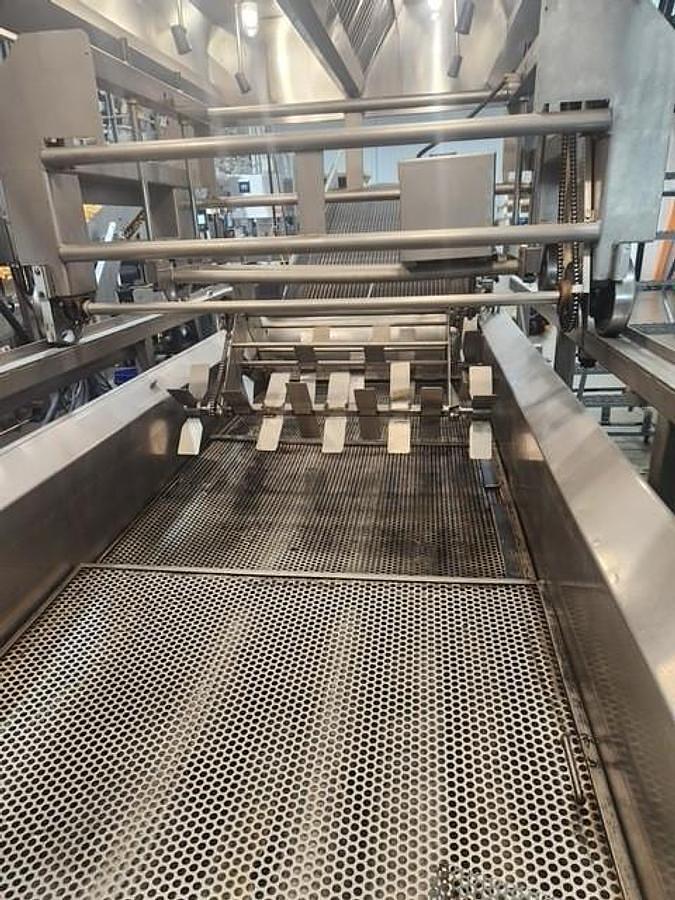
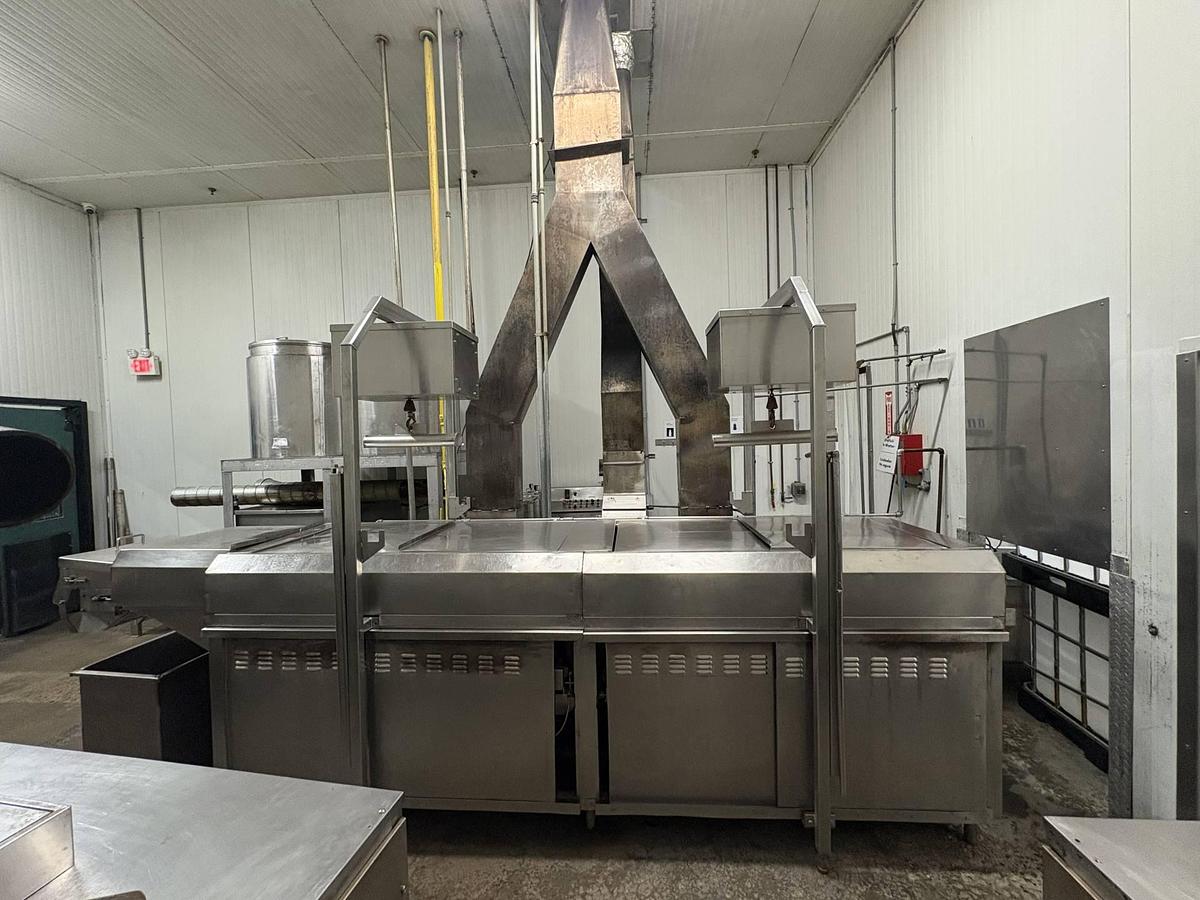
Within the fryer category alone, buyers can find a variety of configurations. The Heat & Control 12-24 SS Continuous Gas Fryer, for example, is a well-known model used in snack food and potato chip production lines. Seasoning and flavoring systems, which apply coatings to chips, nuts, and similar products, are another frequently traded category. Buyers searching for used Heat & Control equipment should look for listings that specify the model number, working dimensions, and production capacity, as these details vary significantly across the product range and directly affect whether a given machine fits a particular production line.
What industries use Heat & Control processing equipment?
Heat & Control equipment is built specifically for the food manufacturing sector, and it sees heavy use across several distinct segments of that industry. Snack food production is arguably the most prominent application, with continuous fryers and seasoning systems forming the backbone of potato chip, tortilla chip, and extruded snack lines. Beyond snack foods, the equipment is widely used in poultry processing, seafood preparation, and vegetable processing, where precise temperature control and hygienic design are critical to both product quality and regulatory compliance.
Larger food manufacturers often run Heat & Control equipment across multiple product lines, which is why these machines sometimes become available on the secondary market when a facility changes its product mix, upgrades to a newer configuration, or consolidates operations. The equipment's stainless steel construction and compliance with food safety standards such as NSF, CE, and USDA requirements mean it tends to retain practical value even after years of production use. Buyers from contract manufacturers, private label snack producers, and mid-size food processors are among the most active purchasers of used Heat & Control machinery.
How do I verify the condition of a used Heat & Control machine before buying?
Verifying condition before purchase is one of the most important steps in buying any used industrial food processing equipment. Reputable used equipment dealers typically offer in-person inspections, virtual walkthroughs, or detailed video captures of the machine so buyers can assess its current state. For Heat & Control equipment that is still installed at a production facility, it may be possible to arrange an inspection while the machine is still in operation, giving buyers a direct look at how it runs under real production conditions. Decommissioned equipment can still be inspected visually for wear, corrosion, missing components, and overall mechanical condition.
Beyond visual inspection, buyers should request all available documentation, including maintenance logs, hours of operation records, and any prior service history. This paperwork helps establish how hard the machine was run and whether it received regular preventive maintenance. It is also worth contacting Heat & Control directly to ask about parts availability and technical support for the specific model and age of the machine under consideration, since older models may have limited manufacturer support. Keep in mind that used equipment dealers generally do not have the permitting required to run full production tests, so the inspection process focuses on mechanical condition rather than live product output.
Does used Heat & Control equipment come with a warranty?
Used industrial equipment is almost universally sold on an as-is basis by third-party dealers, meaning no warranty is included in the transaction. Warranties on food processing machinery are typically tied to purchases made directly through the manufacturer, and those protections do not transfer when a machine changes hands on the secondary market. This is a standard practice across the used equipment industry, not something unique to any particular dealer or brand.
Because there is no warranty safety net, the burden of due diligence falls squarely on the buyer. Selecting a dealer with a long track record in food processing equipment, requesting thorough inspection opportunities, and reviewing all available maintenance documentation are the practical ways buyers protect themselves. It is also advisable to consult with Heat & Control about the level of manufacturer support available for the specific model being considered, since parts availability and technical assistance can vary based on the machine's age and production status. Buyers who take these steps are in a much stronger position to make a sound purchasing decision.
What should I look for in a used Heat & Control continuous fryer?
Continuous fryers are high-use, high-heat machines, so condition assessment requires particular attention to a few key areas. The stainless steel frying chamber and oil management components should be inspected for corrosion, pitting, or weld repairs, as these can indicate either heavy use or inadequate cleaning practices over the machine's life. Heating elements or burner assemblies (depending on whether the unit is electric or gas-fired), oil circulation pumps, and temperature control systems are all components that see significant wear and should be examined closely during any inspection. Belt or conveyor systems inside the fryer are another wear point worth scrutinizing.
Buyers should also pay attention to the machine's overall dimensions and throughput capacity relative to their production needs. A model like the Heat & Control 12-24 SS Continuous Gas Fryer has specific belt width and production rate specifications that need to match the buyer's line requirements. Asking the dealer for the full model specification sheet, along with any available service records, helps build a clear picture of what the machine can do and what maintenance it may need before being put back into production. Consulting a qualified food equipment technician to review inspection findings before finalizing a purchase is a practical step many experienced buyers take.
Are replacement parts available for older Heat & Control equipment?
Parts availability for used Heat & Control machinery depends heavily on the model and the age of the equipment. Heat & Control is an established manufacturer with a global support network, and for many of its product lines, spare parts remain available through the manufacturer or authorized service channels for a significant period after a machine's production run ends. That said, availability is not guaranteed for all models, particularly older or discontinued configurations, and buyers should verify parts support before committing to a purchase.
The most reliable way to gauge parts availability is to contact Heat & Control directly with the model number and approximate year of manufacture. Their technical teams can typically advise on which components are still stocked, which may need to be fabricated, and whether the machine's control systems use proprietary or more commonly available electronics. Some buyers also work with third-party food equipment service companies that specialize in sourcing or fabricating replacement parts for established brands. Understanding the parts landscape before purchase helps buyers budget realistically for ongoing maintenance and avoids surprises once the machine is back in production.
What is the typical price range for used Heat & Control equipment?
Pricing for used Heat & Control equipment varies widely based on the type of machine, its size, age, condition, and how much demand exists for that particular model in the market at a given time. Smaller ancillary components like seasoning drums or inspection conveyors may be available at lower price points, while large-scale continuous fryers or complete integrated processing lines can represent a significant capital investment even on the secondary market. Because these machines are built for industrial-scale food production, they tend to hold value better than lighter-duty equipment.
The best approach to understanding pricing is to consult with specialized used food equipment dealers who actively trade in Heat & Control machinery and can provide market-based valuations. Factors like stainless steel construction, overall mechanical condition, completeness of the system (including controls and ancillary components), and the availability of documentation all influence what a machine is worth. Buyers should also factor in the full landed cost, including any rigging, crating, freight, and installation expenses, since these can add meaningfully to the purchase price depending on the size and weight of the equipment.
How does shipping and delivery work for used Heat & Control machinery?
Shipping large food processing equipment like Heat & Control fryers and seasoning systems requires careful planning. Machines need to be properly packaged, which typically means palletizing or custom crating depending on the size and fragility of the equipment. The level of packaging directly affects shipping costs, and buyers should ask dealers for a detailed breakdown of packaging, rigging, and freight charges before finalizing a purchase so there are no surprises in the total landed cost.
Larger and heavier machines often require specialized rigging for both loading at the dealer's facility and unloading at the buyer's location. This can involve forklifts, cranes, or flatbed trucking, all of which carry additional costs. Buyers are responsible for ensuring their facility is prepared to receive heavy industrial equipment, including having appropriate unloading equipment on site. Lead times for delivery will vary based on the dealer's location, the buyer's destination, and the logistics provider selected. Getting a clear timeline and a detailed cost estimate from the dealer before purchase is the standard practice for managing these variables.
Can used Heat & Control equipment be retrofitted or modified after purchase?
Retrofitting and modifying used food processing equipment is a common practice, and Heat & Control machines are generally well-suited to it given their stainless steel construction and modular design philosophy. Common modifications buyers pursue include upgrading control systems from older PLCs to more current platforms, adding or replacing conveyor sections, updating oil filtration systems on fryers, and integrating machines into new production line configurations. Third-party food equipment integrators and service companies with experience in snack food and fry processing lines handle this type of work regularly.
That said, any modification should be approached carefully. Buyers planning significant retrofits should consult with qualified engineers who are familiar with the specific Heat & Control model in question, both to ensure the modification is mechanically sound and to confirm that the machine will still meet applicable food safety and sanitation standards after the work is complete. Contacting Heat & Control about the feasibility of a planned modification is also worth doing, since the manufacturer may offer upgrade kits or technical guidance for certain models. The age of the machine and the complexity of the planned changes will largely determine whether a retrofit is cost-effective compared to sourcing a different used machine that already meets the buyer's specifications.
What questions should I ask a used equipment dealer before buying Heat & Control machinery?
Going into a used equipment purchase with a clear list of questions helps buyers avoid costly surprises. Key things to ask include: What is the machine's full model and serial number? How old is the equipment, and what was its last production application? Is maintenance documentation or a service history available? What inspection options are offered, whether in person, via video, or through detailed photos? What is included with the machine (controls, ancillary components, manuals)? And what are the full costs for packaging, rigging, and freight to the buyer's location?
Buyers should also ask about the dealer's experience specifically with food processing equipment, since Heat & Control machinery operates in a regulated industry and a dealer who understands food safety standards and production requirements is better positioned to provide accurate condition assessments. Asking how long the dealer has been in business and whether they have handled Heat & Control equipment before are reasonable due diligence questions. Finally, confirming payment terms upfront matters: most used equipment dealers require full payment before a machine ships, though some may offer terms to established customers. Getting clear answers to all of these questions before committing to a purchase is the foundation of a smooth transaction.