





Snack Food Manufacturing and Packaging Equipment
Fryers, Ovens, Blenders, Packaging Machines, and More
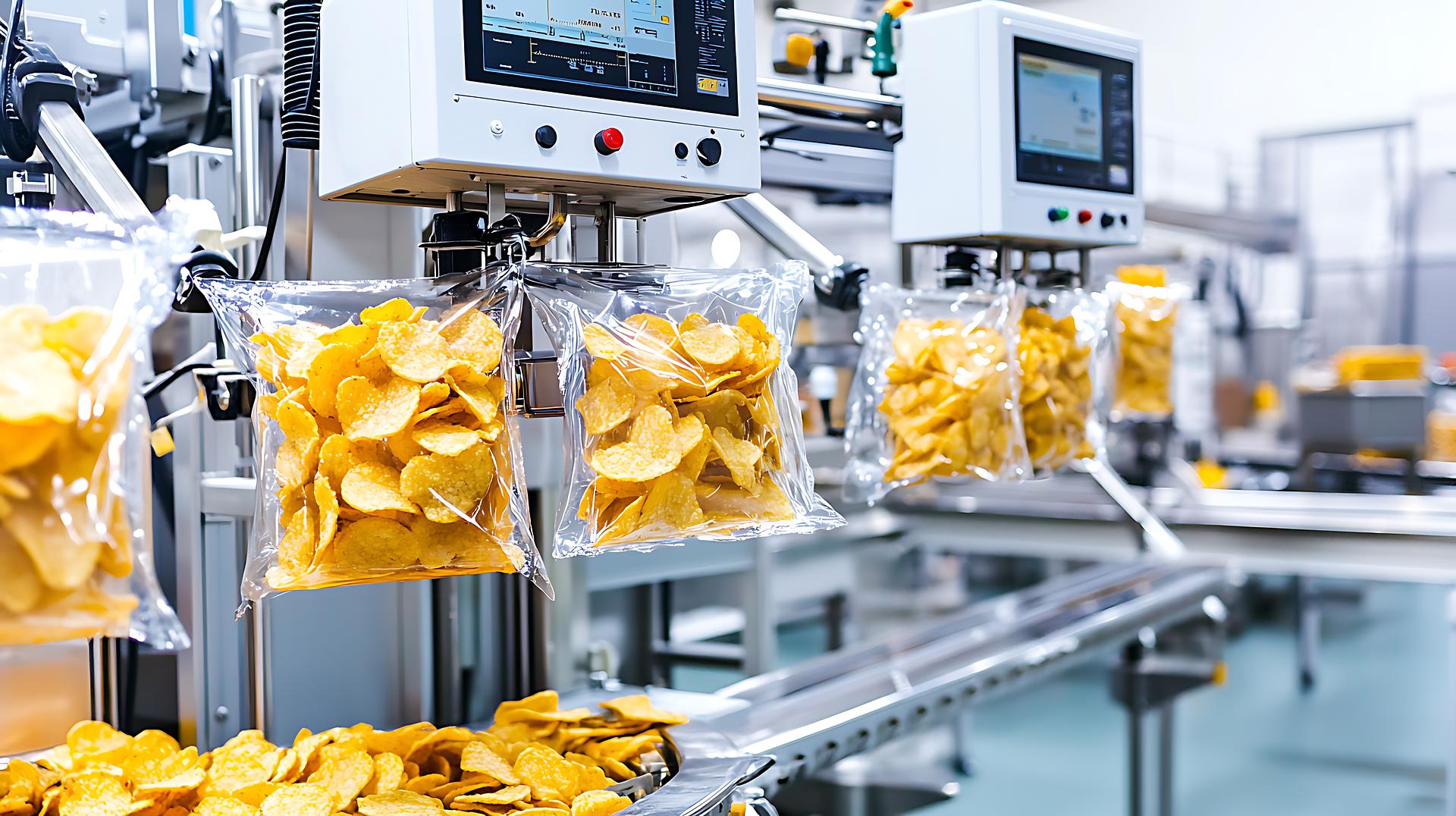
We supply pre-owned snack food manufacturing and packaging equipment for chip, cracker, pretzel, and extruded snack producers. Our inventory includes fryers, ovens, blanchers, and cookers for cooking and baking, along with cutters, dicers, slicers, and roll mills for preparation. For mixing, we stock double-arm and sigma mixers, ribbon and paddle blenders, and tumble blenders, and for packaging we carry cup fillers, form/fill/seal machines, cartoners, case packers, labelers, coders, checkweighers, metal detectors, and shrink wrapping equipment. Browse our dedicated snack food equipment category for machinery built specifically for this industry.
Snack Food Equipment Categories
Frequently Asked Questions
What types of used snack food manufacturing equipment are typically available on the market?
The range of pre-owned snack food manufacturing equipment available covers virtually every stage of production. On the cooking and baking side, buyers commonly find fryers, fryer kettles, ovens, blanchers, and cookers. Preparation equipment includes cutters, dicers, slicers, and roll mills. For mixing and blending, the market regularly turns up double-arm and sigma mixers, ribbon and paddle blenders, and tumble blenders. Screening, conveying, and dust collection equipment rounds out the processing side of the operation.
Packaging equipment is equally well-represented in the used market. Buyers can typically source cup fillers, form/fill/seal machines, cartoners, case packers, labelers, coders, checkweighers, metal detectors, and shrink wrapping equipment. Ancillary items like feeders, elevators, screw conveyors, unscramblers, and rotary tables are also commonly available. This breadth of inventory means that producers of chips, crackers, pretzels, extruded snacks, and similar products can often source most or all of their line from the pre-owned market rather than purchasing everything at full original-manufacturer pricing.
What snack food products can be produced on standard commercial manufacturing equipment?
Standard commercial snack food manufacturing lines are built to handle a wide variety of products, and many machines are versatile enough to run multiple formats with relatively minor changeovers. Fried snacks like potato chips, tortilla chips, and pork rinds rely on continuous or batch fryers paired with slicers or cutters and downstream seasoning and packaging equipment. Extruded snacks, including cheese puffs, corn curls, and similar puffed products, require extruders along with ovens or fryers and coating drums. Pretzels and crackers are typically baked on tunnel or conveyor ovens after dough mixing and sheeting or forming.
Beyond those core categories, the same general equipment categories support nut roasting and coating, popcorn production, pork rind processing, and even protein or granola bar manufacturing. The key is matching the specific machine model and configuration to the product's requirements, particularly around heat transfer method, moisture control, and seasoning application. Buyers sourcing used equipment should confirm that the specific model they are considering has been used for, or is rated for, the snack type they intend to produce, since even within a category like fryers, temperature range, oil capacity, and belt width can vary significantly.
How do I determine the right production capacity for my snack food operation when buying used equipment?
Matching equipment capacity to actual production demand is one of the most important decisions a buyer makes, and it is worth spending real time on before purchasing. The starting point is calculating your target output in pounds or kilograms per hour, then working backward through each stage of the line to confirm that every piece of equipment, fryers, mixers, packaging machines, and conveyors, can sustain that throughput without becoming a bottleneck. A single undersized machine anywhere in the line will cap the output of the entire system, so capacity planning needs to account for the full process, not just the primary cooking or forming equipment.
For startups and small batch producers, a lower-capacity used line often makes more financial sense than investing in high-throughput industrial machinery that will run well below its rated capacity for years. Mid-scale commercial operations generally prioritize flexibility, looking for equipment that can handle multiple SKUs or flavors with minimal changeover time. Large industrial manufacturers focus heavily on throughput consistency and uptime. When evaluating used equipment, ask the dealer about the machine's rated capacity and, where possible, its actual operating history. Equipment that ran at or near full capacity in its previous installation will have experienced more wear than a machine that was lightly used, so production history matters alongside the nameplate specifications.
What should I look for in terms of construction materials when buying used snack food processing equipment?
Stainless steel construction is the standard expectation for food-contact surfaces in snack food processing, and buyers should pay close attention to the grade used. Type 304 stainless steel is the most common in food processing applications and handles the majority of snack production environments well. Type 316 stainless is specified for applications involving higher salt concentrations or more aggressive cleaning chemicals, since it offers better corrosion resistance. When evaluating used equipment, inspect welds, seams, and any areas where product or moisture can accumulate, as these are the spots most likely to show corrosion or pitting over time.
Beyond the food-contact surfaces, look at frames, guards, and support structures. Carbon steel frames are common and acceptable, but they should be in good condition without significant rust that could indicate poor maintenance history. Plastic components, particularly in packaging machinery, should be checked for cracking or brittleness, which can develop with age and exposure to cleaning chemicals. A thorough visual inspection, either in person or through a detailed video walkthrough provided by the dealer, is the best way to assess material condition on a specific used machine before committing to a purchase.
How does buying used snack food manufacturing equipment compare to purchasing from an original manufacturer?
The most immediate difference is cost. Pre-owned snack food manufacturing equipment is typically available at a fraction of the price of the equivalent machine purchased directly from an original manufacturer. For operations that need to control capital expenditure, this can make the difference between launching a line and waiting years to accumulate the budget. The used market also offers access to proven, industrial-grade machinery that would otherwise be out of reach for smaller producers. Established equipment brands with long production histories are well-represented in the used market, and their machines often have decades of useful life remaining.
The trade-offs are real and worth understanding clearly. Used equipment is sold as-is, which means the buyer takes on the responsibility of assessing condition rather than relying on a manufacturer's quality control process. There is no factory warranty, and parts availability can vary depending on the age and model of the machine. That said, buyers can mitigate these risks significantly by working with reputable dealers who specialize in food processing equipment, conducting thorough inspections before purchase, and consulting with the original manufacturer about parts and support availability for the specific model being considered. For many operations, the cost savings justify the additional due diligence required.
What does the inspection process look like when buying used snack food equipment?
Reputable used equipment dealers typically offer buyers several inspection options before finalizing a purchase. In-person inspections allow a buyer or their technical representative to physically examine the machine, check for wear, assess the condition of belts, bearings, seals, and electrical components, and get a direct sense of how well the equipment was maintained. Virtual inspections via video call have become a practical alternative, particularly for buyers who are geographically distant from the equipment's current location. Dealers can also provide pre-recorded video walkthroughs that capture the machine's condition in detail.
One important limitation to understand is that most equipment dealers are not set up to run actual production during an inspection. Operating a food production line requires facility permits, ingredient handling, and sanitation infrastructure that a dealer's warehouse typically does not have. What buyers can often arrange, particularly for equipment that is still installed at a food plant pending sale, is an inspection at the actual production facility where the machine was in use. In those cases, it may even be possible to observe the equipment running product. Buyers should request as much documentation as possible, including maintenance records, previous operating speeds, and any service history, to supplement what they observe during the inspection itself.
What are the typical power and utility requirements for commercial snack food manufacturing equipment?
Power requirements for snack food manufacturing equipment vary considerably depending on the machine type, size, and age. Industrial fryers, ovens, and extruders tend to be the highest energy consumers on a line, often requiring three-phase electrical service and drawing anywhere from 10 to over 100 kilowatts depending on capacity. Mixing equipment, packaging machinery, and conveyors are generally less demanding, but a full production line adds up quickly. Buyers should obtain the electrical specifications for each piece of equipment before purchase and confirm that their facility's electrical infrastructure can support the load, or budget for any necessary upgrades.
Beyond electricity, many snack food machines have requirements for compressed air, natural gas or steam (for ovens and fryers), water supply for blanchers and cookers, and drainage. Older equipment may have been built to different voltage or frequency standards if it was originally manufactured for international markets, so it is worth verifying compatibility with your local utility supply. Used equipment dealers can typically provide the original equipment specifications or help locate them, but buyers should treat utility planning as a critical part of the total cost of ownership calculation, not an afterthought after the machine arrives.
How should snack food manufacturing equipment be cleaned and sanitized between production runs?
Sanitation requirements in snack food production are driven by both food safety regulations and allergen control protocols, and the cleanability of a specific machine design is a legitimate factor in the purchase decision. Equipment built with food-grade stainless steel, minimal crevices, and tool-free or quick-release disassembly is significantly easier to clean thoroughly than older designs with more complex geometry or hard-to-reach areas. When evaluating used equipment, it is worth asking about the original sanitation procedures used by the previous owner and whether the machine was designed for clean-in-place (CIP) or required manual teardown for cleaning.
For operations running multiple flavors or products with allergen differences, thorough cleaning between runs is not optional, and downtime for sanitation directly affects line productivity. Buyers should factor cleaning time into their capacity planning and evaluate whether the used equipment they are considering can realistically meet their sanitation schedule. Some older machines may require more labor-intensive cleaning procedures than their modern counterparts, which affects total operating cost even if the purchase price is attractive. Consulting with a sanitation specialist or the original equipment manufacturer about recommended cleaning procedures for a specific model is a practical step before committing to a purchase.
What are the shipping and logistics considerations when purchasing used snack food manufacturing equipment?
Shipping used industrial food processing equipment involves more complexity than standard freight, and buyers should get a clear picture of the full landed cost before finalizing a purchase. Packaging requirements vary based on machine size and fragility. Smaller items may ship on standard pallets, while larger or more delicate machines typically require custom crating to prevent damage in transit. The level of packaging directly affects shipping cost, and dealers will generally quote these charges based on the specific equipment and destination.
Larger machines, such as industrial fryers, tunnel ovens, or high-capacity mixers, may require professional rigging for both loading at the origin and unloading at the buyer's facility. Rigging costs can be substantial and should be factored into the budget from the start. Buyers should ask dealers for a detailed breakdown of packaging, rigging, freight, and any applicable fuel surcharges so there are no surprises when the equipment arrives. For international purchases, import duties, customs brokerage fees, and compliance with destination-country regulations add another layer of cost and planning that should be addressed before the transaction is completed.
What payment terms are typical when purchasing used snack food manufacturing equipment from a dealer?
The standard practice among used equipment dealers is to require full payment before the equipment is released for shipping. This applies to the majority of transactions, particularly for buyers who are purchasing from a dealer for the first time. The rationale is straightforward: once a machine leaves the dealer's possession, the transaction is essentially complete, and the dealer has limited recourse if payment issues arise after the fact. Buyers should be prepared to wire funds or arrange another accepted payment method in advance of shipment and should confirm the dealer's accepted payment methods early in the process.
Some dealers extend more flexible payment arrangements to repeat customers with an established purchasing history, but this is at the dealer's discretion rather than a standard offering. For buyers financing a used equipment purchase through a third-party lender or equipment financing company, the timeline for fund disbursement needs to be coordinated with the dealer's payment requirements so that shipping is not delayed. Buyers should also confirm whether the quoted price includes any applicable sales tax or whether that will be calculated separately based on the delivery location, as this can affect the total amount due before shipment.
Explore Our Full Equipment Inventory
Browse thousands of listings across every category we support or reach our team directly for help finding the right machine for your operation.