





Complete Packaging and Fulfillment Equipment
Used Axon Sleevers, Induction Sealers, Bundlers, and Vacuum Packagers
We sell many different types of used packaging equipment including filling, capping, labeling, cartoning, wrapping & bundling equipment, case packaging, induction sealers, sleeving equipment and other tamper evident packaging equipment. Wohl Associates' inventory includes used AXON sleevers and PDC sleevers/neck banders as well as used induction sealers by AUTOMATE TECHNOLOGIES, PILLAR, ENERCON and LEPEL. Whatever your packaging needs, Wohl can provide quality pre-owned packaging equipment to package your goods for sale.
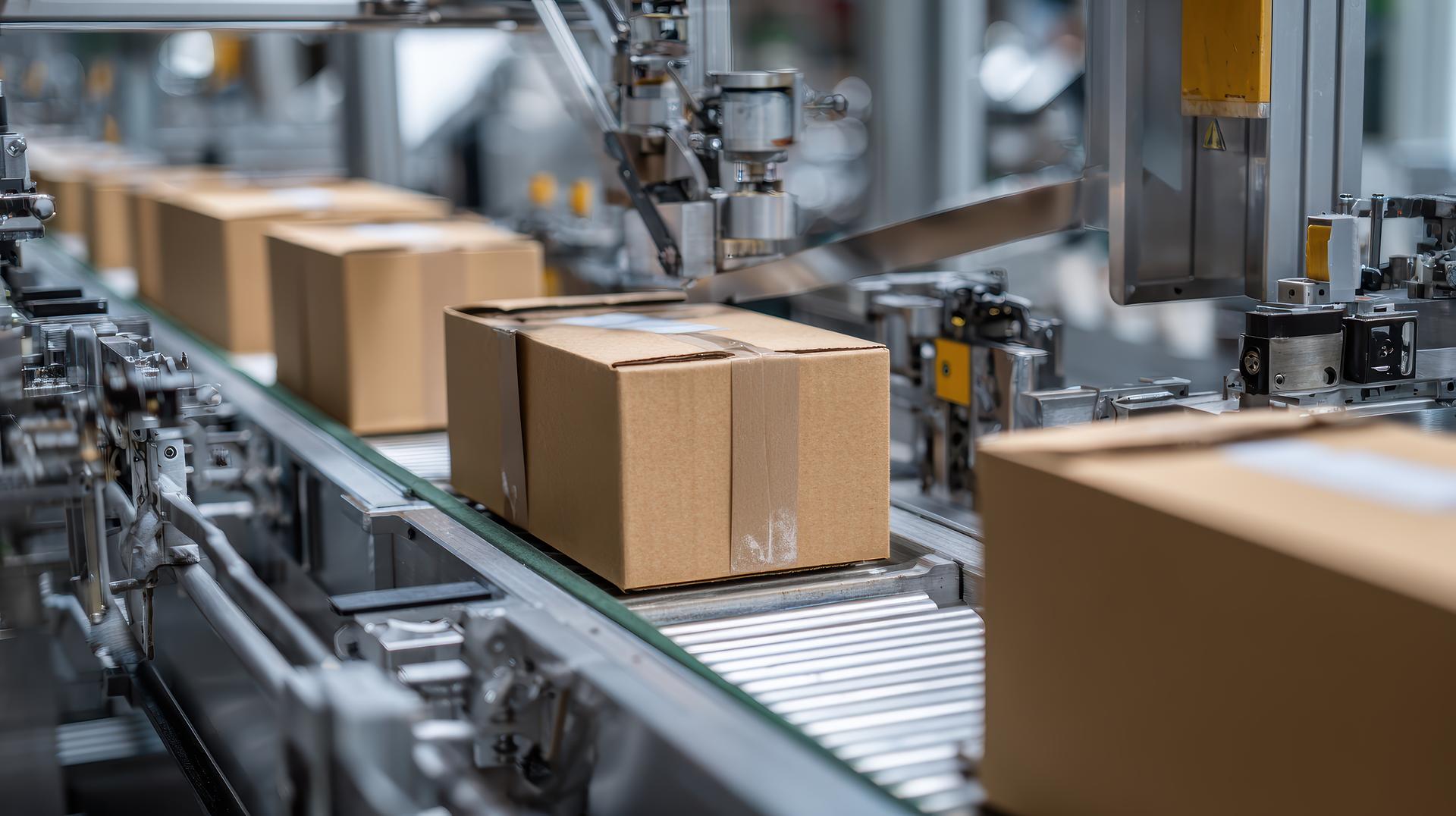
Packaging Equipment Categories
Frequently Asked Questions
What types of used packaging equipment are available for purchase?
The range of used packaging equipment available on the secondary market is quite broad, covering nearly every stage of a packaging line. Common categories include liquid fillers, powder fillers, piston and positive displacement fillers, cup fillers, and form/fill/seal machines. Beyond filling, buyers can find cappers, labelers, cartoners, case packers and sealers, shrink equipment, bundlers, sleevers, induction sealers, coders, conveyors, feeders, unscramblers, rotary tables, checkweighers, metal detectors, tube fillers, and vacuum packagers. Specialty tamper-evident equipment such as neck banders and PDC sleevers also turns up regularly in used equipment inventories.
The availability of specific machines shifts constantly as production facilities upgrade, consolidate, or close. Buyers in food and beverage, pharmaceuticals, nutraceuticals, cosmetics, and e-commerce fulfillment tend to be the most active in this market, and dealers who specialize in packaging equipment typically carry inventory across all of these categories. Because the market moves quickly, it pays to work with a dealer who maintains a large, regularly updated inventory and can help match a machine to a specific production need rather than just a general category.
How do I evaluate whether a piece of used packaging equipment is in good working condition?
The most reliable way to assess the condition of used packaging equipment is through a direct inspection, either in person or via a live video walkthrough conducted by the dealer. A thorough inspection should cover the mechanical and electrical components, the condition of wear parts like seals, belts, and blades, signs of corrosion or damage to the frame, and the overall cleanliness of the machine. Dealers will typically accommodate scheduled in-person visits or video captures of the equipment so buyers can see exactly what they are getting before committing to a purchase.
One important limitation to understand is that most used equipment dealers are not set up to run actual production trials, since doing so requires product, permitting, and facility resources that a dealer does not typically have. What a dealer can do is power up the machine, demonstrate its mechanical operation, and walk through its current state in detail. Buyers should also ask about the machine's history: how long it was in service, what product it ran, whether it was decommissioned or still in active production at the time of sale, and whether any maintenance records are available. For equipment that is still installed at a production facility, some dealers can arrange an inspection at that location, which gives buyers the added benefit of seeing the machine in its working environment.
Do used packaging equipment dealers offer warranties?
Warranties on used packaging equipment are handled very differently than on equipment purchased directly from a manufacturer. Original equipment manufacturers sometimes offer limited warranties on their products, but used equipment dealers typically sell machines on an as-is basis, meaning the buyer accepts the equipment in its current condition. This is standard practice across the used machinery industry and reflects the reality that the dealer did not manufacture the machine and cannot certify its full history the way an OEM could.
Because of this, the burden of due diligence falls squarely on the buyer. Selecting a dealer with a long track record in the packaging equipment space is one of the most important risk-reduction steps a buyer can take. Experienced dealers are more likely to accurately represent the condition of their machines, accommodate thorough inspections, and have the industry knowledge to answer technical questions honestly. Buyers should also contact the original manufacturer directly before purchasing to understand what level of support, spare parts, and technical assistance is realistically available for a given model and production year, since older machines may have limited OEM support regardless of who sells them.
What should I know about shipping and freight for large used packaging machinery?
Shipping used packaging equipment, particularly large or heavy machinery, involves several layers of cost and logistics that buyers should understand before finalizing a purchase. The machine needs to be properly packaged for transit, which can range from basic palletization to full custom crating depending on the size, weight, and fragility of the equipment. The level of packaging required directly affects the freight cost, so buyers should ask the dealer specifically what packaging will be used and whether crating is included in the quoted price or billed separately.
For heavier machines, rigging is often required for both loading at the dealer's facility and unloading at the buyer's location. Rigging involves specialized equipment and labor to safely lift and move machinery, and this is typically an added cost on top of the freight charge. To avoid surprises, buyers should request a fully itemized breakdown of all shipping-related costs, including packaging, rigging, freight, and any delivery or liftgate fees, so they have an accurate picture of the total landed cost before the machine arrives at their facility. Transit insurance is another consideration worth discussing with the dealer, especially for high-value equipment.
What are typical payment terms for used packaging equipment?
Payment terms in the used equipment industry are fairly standardized. The large majority of dealers require full payment before a machine is shipped or released for pickup. This protects the dealer from the risks associated with selling high-value equipment on credit to buyers they may not have an established relationship with. Buyers should expect to pay in full upfront and factor that into their purchasing timeline, particularly if internal approval processes or capital expenditure budgets are involved.
Some dealers will consider extended or net payment terms for repeat customers with a proven purchase history, but this is the exception rather than the rule and is typically worked out on a case-by-case basis. Buyers who are new to a particular dealer should not assume terms will be available. It is always worth asking, but planning around a full prepayment requirement is the practical approach. Wire transfers are the most common payment method for transactions of this size, though dealers may accept other forms of payment depending on the transaction amount and their internal policies.
Are replacement parts readily available for used packaging equipment?
Parts availability is one of the most important factors to research before purchasing used packaging equipment, and it varies significantly depending on the brand, model, and age of the machine. For well-established manufacturers with large installed bases, such as Enercon, Pillar, Axon, and similar brands, replacement parts are generally available either directly from the manufacturer or through third-party suppliers. Machines from these brands tend to have active support communities and aftermarket parts networks, which makes long-term ownership more practical.
For older models or equipment from manufacturers that have been acquired, discontinued, or gone out of business, parts availability can be a real challenge. A machine that is more than 10 to 15 years old may have limited or no OEM support, which means buyers would need to rely on fabricated replacements, used parts sourced from other machines, or third-party machining. Before purchasing any used machine, it is worth contacting the original manufacturer directly to ask specifically about parts and technical support for that model. This conversation will give a realistic picture of what ongoing maintenance will look like and whether the machine is a practical long-term investment for the operation.
How do I determine the right capacity and specifications for used packaging equipment?
Matching used equipment to a production line requires a clear understanding of current output requirements and realistic growth projections. The key specifications to evaluate include throughput speed, typically measured in units, containers, or packages per minute, as well as the range of container sizes and formats the machine can handle, the type of product being packaged (liquid, powder, solid, viscous), and any regulatory or sanitary requirements specific to the industry. For food, pharmaceutical, or cosmetic applications, material compatibility and cleanability are also important factors.
One practical approach is to map out the entire packaging line before shopping for individual machines. A filling machine running at 100 containers per minute is only useful if the capper, labeler, and case packer downstream can keep up with that rate. Bottlenecks in a line are often caused by mismatched equipment speeds, so understanding the full process flow helps buyers prioritize which machines need to be upgraded and what speed ranges are acceptable. Dealers who specialize in packaging equipment can often help buyers think through these questions, particularly if they have experience with similar production setups in the same industry.
Which brands of used packaging equipment tend to hold up well over time?
Several packaging equipment manufacturers have built strong reputations for durability and long service life, which is why their machines continue to trade actively on the used market well after their original installation. In the induction sealing category, brands like Enercon, Pillar, and Lepel are widely recognized for consistent performance and available technical support. For sleeving and neck banding, Axon and PDC are considered industry standards, with large installed bases across food, beverage, and pharmaceutical operations. These brands tend to retain value on the used market partly because parts and manufacturer support remain accessible.
Beyond brand reputation, the condition and maintenance history of any individual machine matters as much as the nameplate. A well-maintained machine from a mid-tier manufacturer will often outperform a neglected unit from a premium brand. Buyers should look for machines that were operated in clean environments, serviced on a regular schedule, and decommissioned for reasons unrelated to mechanical failure, such as a product line change or facility closure. Asking the dealer about the machine's application history and the industry it served can provide useful context for assessing how hard the equipment was run during its previous service life.
What industries most commonly buy used packaging equipment?
Food and beverage is consistently the largest segment of the used packaging equipment market, driven by the high volume of packaging lines in that industry and the frequent changeovers that occur when product lines are updated or discontinued. Pharmaceutical and nutraceutical manufacturers are also significant buyers, particularly for filling, capping, induction sealing, and tamper-evident equipment. Cosmetics and personal care, household chemicals, and industrial products round out the core industrial buyers. In recent years, e-commerce fulfillment operations have become an increasingly active segment, particularly for case sealing, labeling, and conveyance equipment.
The secondary market appeals to these industries for several reasons. Cost savings compared to purchasing from a manufacturer are often substantial, sometimes 50 to 70 percent less depending on the age and condition of the machine. Faster availability is another driver, since lead times for used equipment are typically much shorter than for equipment ordered directly from a manufacturer. Startups and mid-size operations with tighter capital budgets find used equipment particularly attractive, as do larger companies looking to add redundancy to a line or test a new packaging format without committing to a full capital expenditure.
How do I verify the maintenance and service history of used packaging equipment?
Verifying the history of a used machine is one of the more challenging aspects of buying on the secondary market, but there are practical steps that improve the picture considerably. The starting point is asking the dealer directly what they know about the machine's origin: which industry it came from, what product it ran, how long it was in service, and whether any maintenance logs or service records are available. Not every machine will come with documentation, but dealers who have acquired equipment directly from a production facility are often able to provide more context than those who purchased through an auction or intermediary.
For machines that are still installed at a production facility at the time of sale, buyers may have the opportunity to inspect the equipment in its working environment, which can be especially informative. Seeing how a machine was integrated into a line, how it was cleaned and maintained, and how it was operated gives a level of insight that a standalone inspection in a warehouse cannot fully replicate. Buyers should also pay attention to the physical condition of wear items like belts, seals, contact parts, and electrical panels during any inspection, as these often tell a more honest story about how the machine was treated than any paperwork would.
Explore Our Full Equipment Inventory
Browse thousands of listings across every category we support or reach our team directly for help finding the right machine for your operation.