





Dairy Processing and Packaging Equipment
Used Dairy Tanks, Shredders, Slicers, and Processing Equipment
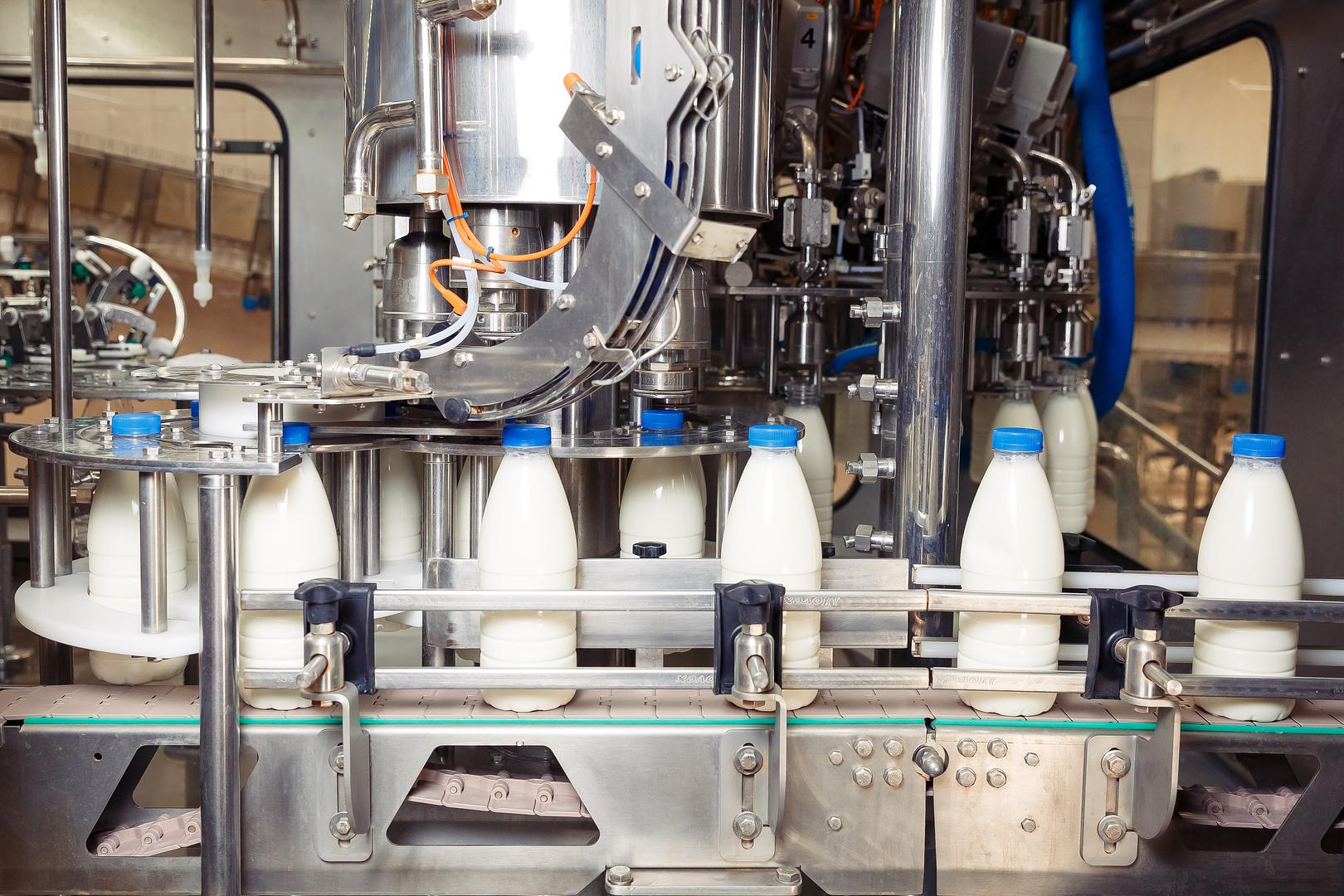
We are able to provide a variety of dairy equipment specialized for the dairy and ice cream industries and aseptic processing and packaging machines. Our inventory includes tanks, vats, liquifiers, pasteurizers, separators, mills, heat exchangers, homogenizers, centrifuges, WAUKESHA pumps, positive displacement pumps, centrifugal pumps, bottle fillers, table top fillers, mixers, and cheese equipment which all serve important roles in the dairy industry. We stock both single used machines and fully automated lines of equipment including VITALINE and freeze pop equipment.
Dairy Equipment Categories
Frequently Asked Questions
What types of used dairy processing equipment are available for purchase?
The range of used dairy processing equipment on the market is broad, covering nearly every stage of dairy and ice cream production. Common categories include milk storage tanks, pasteurizers, homogenizers, separators, heat exchangers, centrifuges, liquefiers, and CIP (Clean-In-Place) cleaning systems. Cheese-specific equipment such as cheese vats and curd mills is also widely available, as are packaging-side machines like cup fillers, liquid fillers, form/fill/seal systems, cappers, labelers, and case packers. Pumps are another staple of used dairy equipment inventories, with positive displacement pumps, centrifugal pumps, and brands like Waukesha frequently appearing in dealer stock.
Beyond individual machines, some dealers carry fully automated processing lines, which can include freeze pop equipment or aseptic processing and packaging systems. Buyers can also find supporting equipment such as agitators, kettles, boilers, conveyors, metal detectors, checkweighers, coders, and drum dryers. Whether a facility is processing fluid milk, cultured products, cheese, butter, or frozen dairy, the used equipment market typically has options across each of those production segments. Sourcing from a dealer who specializes in dairy and food processing equipment tends to yield a more relevant and vetted selection compared to general industrial surplus sources.
What certifications or compliance standards should used dairy processing equipment meet?
3-A Sanitary Standards are the primary benchmark buyers look for in dairy processing equipment. These standards, developed jointly by regulatory sanitarians, equipment fabricators, and dairy producers, define the hygienic design requirements for surfaces that contact milk and dairy products. Equipment bearing a 3-A symbol has been designed to allow thorough cleaning and prevent bacterial harborage, which is a direct food safety concern. NSF International certification is another relevant credential, particularly for equipment used in facilities subject to FDA or state dairy regulatory oversight. USDA acceptance may also be required depending on the product type and the facility's regulatory environment.
For used equipment specifically, buyers need to confirm that the machine still meets these standards in its current condition, not just that it was compliant when originally manufactured. Age, modifications, worn seals, pitted contact surfaces, or non-original replacement parts can affect whether a piece of equipment remains in compliance. Before purchasing, it is worth consulting with your state dairy regulatory authority or a sanitarian to confirm that a specific used unit will pass inspection at your facility. Reputable used equipment dealers who specialize in dairy machinery are generally familiar with these standards and can provide relevant documentation or direct buyers to the appropriate resources.
How do I verify the condition and reliability of used dairy processing equipment before buying?
Verifying condition starts with requesting a thorough inspection, which reputable used equipment dealers typically accommodate through in-person visits, live video walkthroughs, or detailed video recordings of the machine. An in-person inspection is the most reliable option when feasible, allowing a buyer or their technician to examine wear on contact surfaces, check seals and gaskets, review the condition of motors and drives, and assess overall cleanliness and structural integrity. For equipment that is still installed and running at a production facility, some dealers can arrange access so the buyer can observe the machine in operation, which provides a much clearer picture of actual working condition.
Beyond the physical inspection, buyers should ask for as much equipment history as the dealer can provide, including hours of operation, previous maintenance records, the type of dairy operation it came from, and whether it was decommissioned or pulled from active production. It is also worth contacting the original manufacturer to understand what level of technical support, parts availability, and service documentation exists for that specific model and age of equipment. Keep in mind that most used equipment dealers do not have the permitting required to run actual dairy production, so live product testing at the dealer's facility is generally not possible. The goal of the inspection process is to get the most accurate picture of the machine's current mechanical condition before committing to a purchase.
Does used dairy processing equipment come with a warranty?
Warranties on used dairy processing equipment are not standard practice in the industry. Original manufacturer warranties are tied to the initial sale of the equipment and do not transfer through subsequent resales. Used equipment dealers typically sell machinery on an as-is basis, which places the responsibility of evaluating condition squarely on the buyer prior to purchase. This is why thorough pre-purchase inspections are so important, and why choosing a dealer with a long track record in dairy and food processing equipment specifically makes a meaningful difference.
Because there is no warranty safety net, buyers should take several steps to protect themselves. First, select a dealer with an established reputation and verifiable history of selling dairy equipment rather than a generalist surplus dealer. Second, conduct or commission a detailed inspection before finalizing any purchase. Third, reach out to the original equipment manufacturer to understand what service support, spare parts, and technical documentation are still available for the model in question, since older or discontinued models may have limited manufacturer support. Taking these steps does not replace a warranty, but it significantly reduces the risk of purchasing a machine that does not perform as expected.
How is used dairy processing equipment typically inspected or refurbished before being listed for sale?
Inspection and refurbishment practices vary considerably between dealers, which is one reason why vetting the seller matters as much as evaluating the equipment itself. At a minimum, reputable dealers perform a visual inspection and document the machine's condition before listing it. More thorough dealers may conduct pressure testing on tanks and heat exchangers, replace worn seals and gaskets, check electrical components, and perform test runs to confirm that mechanical functions operate correctly. Any refurbishment work that was completed should be clearly documented and disclosed to potential buyers, including what was replaced and when.
It is also common for equipment to be sold directly from a production facility, where the dealer has arranged the sale on behalf of the plant. In these cases, the machine may still be installed and potentially still in use, which can actually be an advantage for buyers since operating condition can be observed firsthand. Buyers should ask dealers directly about what inspection steps were taken, what documentation is available, and whether the equipment was tested prior to listing. The more specific and transparent the dealer is about this process, the more confidence a buyer can have in the accuracy of the equipment's described condition.
What are the most trusted brands in dairy processing equipment?
Several manufacturers have built strong reputations in the dairy industry over decades, and their equipment tends to hold its value well in the used market. Alfa Laval and GEA are two of the most widely recognized names globally, producing a broad range of separators, heat exchangers, homogenizers, and complete processing systems used in large-scale dairy operations. Tetra Pak is dominant in aseptic processing and packaging, and SPX Flow (which includes the APV and Waukesha brands) is well regarded for pumps, mixers, and heat transfer equipment. Feldmeier is a respected domestic manufacturer of stainless steel tanks and vessels commonly found in dairy plants across North America.
For buyers sourcing used equipment, brand reputation matters beyond just perceived quality. Established manufacturers are more likely to still offer replacement parts, technical documentation, and service support for older models, which directly affects the long-term usability of a used machine. Before purchasing any used dairy equipment, it is worth contacting the manufacturer to confirm parts availability and the level of support that can be expected for that specific model and production year. Equipment from well-supported brands can be a more practical long-term investment than lesser-known alternatives, even if the initial price is higher.
How do I determine the right capacity or throughput for my dairy operation when buying used equipment?
Matching equipment capacity to actual production needs is one of the more consequential decisions in sourcing used dairy machinery. Undersized equipment creates bottlenecks and forces operations to run continuously at maximum load, which accelerates wear. Oversized equipment wastes energy, takes up floor space, and can create sanitation challenges if the machine is never fully utilized during a production run. The starting point is a clear picture of your current and projected production volumes, expressed in gallons per hour, pounds per hour, or whatever unit is relevant to the specific process step.
Beyond raw throughput numbers, buyers should consider how a used machine's capacity specifications were defined by the manufacturer and whether those ratings account for the specific product viscosity, fat content, or temperature requirements of their operation. A pasteurizer rated for a certain volume of skim milk, for example, may perform differently on a high-fat cream product. It is also worth factoring in cleaning and changeover time when calculating effective daily capacity, particularly for CIP-dependent equipment. Consulting with a process engineer or an equipment dealer who has deep experience in dairy applications can help buyers avoid the common mistake of selecting equipment based on nameplate specs alone without accounting for real-world operating conditions.
Can I get replacement parts and technical support for used dairy processing equipment?
Parts availability and technical support are legitimate concerns with used dairy equipment, and the answers vary significantly depending on the manufacturer, the model, and the age of the machine. For equipment from major manufacturers like Alfa Laval, GEA, SPX Flow, or Tetra Pak, parts support often remains available for many years after original production, particularly for high-volume product lines. Contacting the manufacturer directly before purchasing a used unit is one of the most practical steps a buyer can take, since the manufacturer can confirm what parts are still stocked, whether service manuals are available, and whether their technicians are still trained to support that model.
For older or discontinued models, the picture is more variable. Third-party parts suppliers and machine shops can often fabricate or source replacement components for common wear items like seals, gaskets, and mechanical parts. Online parts networks and equipment-specific communities can also be useful resources. The practical takeaway is that buyers should not assume parts and support will be available simply because a machine is from a reputable brand. A specific inquiry to the manufacturer, ideally with the model and serial number in hand, is the only reliable way to know what support infrastructure exists before committing to a purchase.
What should I know about shipping and freight costs for large dairy processing equipment?
Shipping costs for dairy processing equipment can vary widely and are often a significant portion of the total acquisition cost, particularly for large tanks, pasteurizers, or automated processing lines. The primary cost drivers include the size and weight of the equipment, the distance between the seller's location and the buyer's facility, the level of packaging or crating required to prevent damage in transit, and whether specialized rigging is needed for loading and unloading. Heavy or awkwardly shaped machines may require flatbed trucking, cranes, or forklifts at both ends of the shipment, all of which add to the landed cost.
Buyers should ask dealers for a detailed breakdown of all shipping-related costs before finalizing a purchase, including palletization or crating fees, rigging charges, freight carrier costs, and any destination unloading requirements. Getting this full picture upfront prevents surprises that can significantly change the economics of a purchase. For very large or complex equipment, it may be worth hiring a third-party rigger or logistics specialist who has experience moving food processing machinery. Understanding the total landed cost, meaning the purchase price plus all costs to get the equipment operational at your facility, is the right way to evaluate the true value of any used dairy equipment purchase.
What are the typical payment terms when purchasing used dairy processing equipment?
Payment practices in the used equipment industry are fairly consistent across most dealers. The standard expectation is full payment prior to the equipment being released for shipping. This applies to the large majority of transactions, particularly for buyers purchasing from a dealer for the first time. The rationale is straightforward: used equipment is often a one-of-a-kind item, and dealers carry real risk in holding a machine off the market for a buyer who has not yet committed financially.
Some dealers do offer payment terms to established customers with a prior purchase history, though this is the exception rather than the rule. Buyers who need financing should explore equipment financing companies that specialize in food processing or industrial machinery, as these lenders are familiar with the asset class and can often move quickly on approvals. Before finalizing any transaction, buyers should confirm exactly what the payment process looks like, including accepted payment methods, any deposit requirements, and the timeline between payment and equipment release. Clarifying these details in advance avoids misunderstandings and helps both parties move through the transaction efficiently.
Explore Our Full Equipment Inventory
Browse thousands of listings across every category we support or reach our team directly for help finding the right machine for your operation.