





Beverage Processing and Packaging Equipment
Fillers, Cappers, Canning Equipment, and More
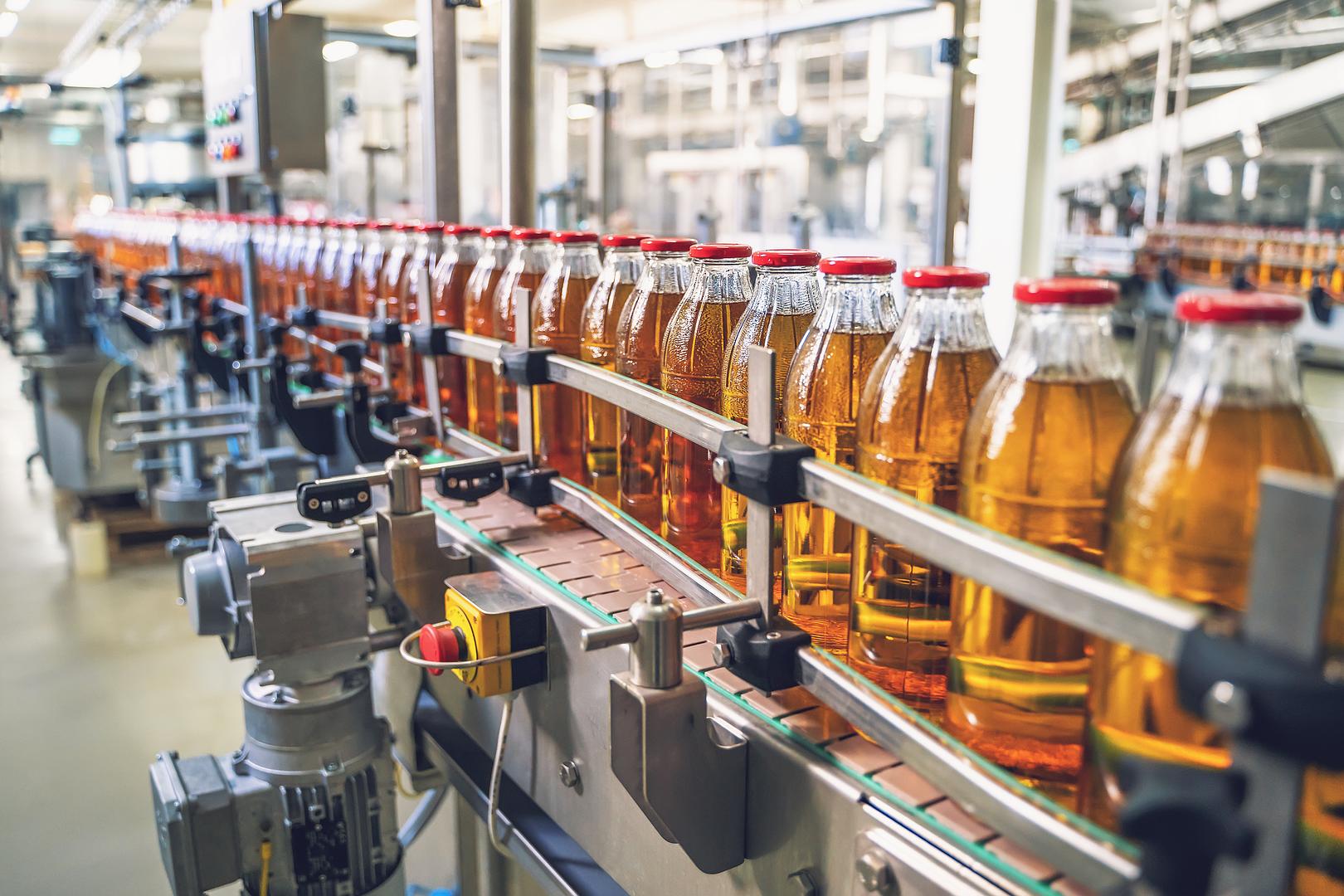
Wohl Associates supplies a wide range of pre-owned beverage processing and packaging equipment for bottling, canning, and filling operations. Our inventory includes tanks, kettles, liquefiers, heat exchangers, homogenizers, centrifuges, and pumps used throughout beverage production, along with cup fillers, liquid fillers, form/fill/seal machines, cappers, and cartoners for packaging finished products. We also stock canning equipment, case packers, labelers, coders, and shrink wrapping machines to complete your line from raw ingredient to shelf-ready product. Our equipment supports juice, soda, water, and other beverage manufacturers looking for dependable, cost-effective solutions.
Beverage Equipment Categories
Frequently Asked Questions
What types of used beverage processing and packaging equipment are available for purchase?
The range of used beverage equipment on the market is quite broad, covering nearly every stage of production from raw ingredient handling through to shelf-ready packaging. On the processing side, buyers can typically find tanks, kettles, liquefiers, heat exchangers, homogenizers, centrifuges, pumps, chillers, boilers, autoclaves, and CIP (clean-in-place) systems. These machines handle the mixing, heating, cooling, and sanitation functions that are central to producing juice, soda, water, dairy beverages, and similar products. Agitators and high-shear mixers also appear regularly in used equipment inventories and are essential for blending and emulsification.
On the packaging side, the inventory tends to include liquid fillers, cup fillers, form/fill/seal machines, cappers, canning equipment, cartoners, case packers, labelers, coders, conveyors, unscramblers, rotary tables, and shrink wrapping equipment. Buyers looking to build or expand a complete beverage line can often source all of these machine types from the used market, which makes it a practical option for startups and established manufacturers alike. Reputable used equipment dealers who specialize in the beverage industry will typically carry inventory across all of these categories, making it easier to find compatible equipment for a given production setup.
How do I verify the condition and functionality of used beverage equipment before buying?
Verifying the condition of used beverage machinery before purchase is one of the most important steps in the buying process, and most reputable dealers will accommodate some form of inspection. Buyers can typically request an in-person visit to examine the equipment directly, or arrange a virtual inspection via live video call. Some dealers also provide detailed video recordings of the machine, showing its physical condition and, where possible, its operation. If the equipment is still installed at an active production facility, it may even be possible to observe it running in a live production environment, which gives the clearest picture of its working order.
It is worth keeping in mind that most used equipment dealers do not have the permits or infrastructure to run full product trials, so functional testing with actual beverage product is generally not something a dealer can offer. Because of this, buyers should focus their inspection on the mechanical condition of the machine, looking closely at wear on contact parts, seals, valves, and any components that are difficult or expensive to replace. Requesting the machine's history, including previous product types processed, hours of operation, maintenance records, and the reason it was decommissioned, gives important context. Consulting the original manufacturer about parts availability and support for that specific model and age of machine is also a smart step before committing to a purchase.
Does used beverage equipment come with a warranty?
Warranties on used beverage equipment work differently than they do for equipment purchased directly from a manufacturer. Original manufacturer warranties are generally tied to the first sale of the machine and do not transfer to subsequent buyers. Used equipment dealers typically sell machinery on an as-is basis, meaning the buyer takes on the responsibility of thoroughly evaluating the equipment before purchase rather than relying on post-sale protections. This is standard practice across the used industrial equipment industry and is not a reflection of any particular dealer's integrity.
Because there is no warranty safety net in most used equipment transactions, the quality of the dealer matters enormously. Buyers should look for dealers with a long track record in the beverage equipment space specifically, since industry specialization means the dealer is more likely to accurately represent what a machine is and what condition it is in. Accommodating thorough inspections, providing honest machine histories, and being transparent about known issues are the hallmarks of a trustworthy seller. Before finalizing any purchase, it is also worth contacting the original equipment manufacturer to understand what level of technical support, spare parts, and service documentation is still available for that particular model, as older or discontinued machines can be harder to maintain.
How do I know if used beverage equipment meets current FDA, USDA, or 3-A Sanitary Standards?
Regulatory compliance is a legitimate concern when sourcing used beverage processing equipment, and buyers should approach it methodically rather than assuming a machine is compliant simply because it was previously used in a food or beverage facility. The most relevant standards for beverage contact equipment in the United States include 3-A Sanitary Standards, NSF certifications, and FDA regulations governing materials that come into contact with food and beverages. Equipment designed and built to these standards will typically use stainless steel contact surfaces, sanitary fittings, and designs that allow for thorough cleaning and inspection. However, compliance at the time of manufacture does not automatically mean the machine still meets current standards, particularly if regulations have been updated since it was built.
The practical approach is to request documentation from the seller confirming the original design specifications and any certifications the machine carried when it was produced. During inspection, pay close attention to the condition of seals, gaskets, and contact surfaces, since worn or degraded materials can create sanitation problems regardless of the machine's original certification status. If the equipment will be used in a facility subject to regulatory audits, it is advisable to have a qualified food safety or equipment engineer review the machine before purchase. Some components can be replaced or upgraded to bring older equipment into compliance with current standards, but buyers should factor those costs into the overall purchase decision.
What are the most important things to inspect when evaluating used beverage filling or bottling machinery?
Filling and bottling machines are among the most mechanically complex pieces of equipment in a beverage line, and a thorough inspection should cover several distinct areas. Start with the fill heads and valves, which are the highest-wear components on any liquid filler. Look for scoring, pitting, or corrosion on contact surfaces, and check that seals and gaskets are intact and pliable rather than cracked or hardened. On capping equipment, examine the chuck inserts and torque mechanisms for wear, and verify that changeover parts for your specific closure type are included or available. For canning equipment, check the seamer tooling condition and ask about the last time it was adjusted or replaced.
Beyond the fill and seal components, inspect the machine's frame and conveyor system for structural integrity, and look at the electrical panel and controls for signs of damage, outdated components, or missing documentation. Ask the seller for the original operating manuals and any wiring diagrams, since these become invaluable during installation and troubleshooting. Find out what format parts the machine currently has installed and whether additional size change parts are included in the sale. Finally, research parts availability with the original manufacturer before committing to purchase, since some older models of beverage fillers and cappers have limited spare parts support, which can significantly affect long-term operating costs.
What beverage equipment brands tend to hold their value and have good parts availability in the used market?
Brand selection matters quite a bit in the used beverage equipment market, primarily because it affects long-term parts availability, manufacturer support, and the pool of technicians familiar with the equipment. Brands that are widely recognized in the industry, including Krones, KHS, Tetra Pak, Fogg Filler, Sidel, and Serac, have large installed bases globally, which generally means spare parts remain in circulation longer and more service technicians have hands-on experience with these machines. ProMach and Barry-Wehmiller also produce widely used equipment across filling, capping, and packaging categories. Equipment from these manufacturers tends to command higher prices on the used market, but the investment often makes sense when factoring in supportability over the machine's remaining life.
That said, brand reputation should not be the only consideration. The specific model, the age of the machine, and whether the manufacturer still actively supports that product line all affect how practical a used purchase will be. Some manufacturers have discontinued older product lines entirely, which can make sourcing OEM parts difficult regardless of how well-regarded the brand is. Contacting the manufacturer directly before purchasing a used machine is a step many buyers skip but should not. A quick conversation with the manufacturer's parts or service department can clarify exactly what support is available, which helps buyers make a more informed decision about the true cost of ownership.
Can used beverage equipment be retrofitted or modified to fit an existing production line?
Retrofitting and modification of used beverage equipment is common in the industry and can be a cost-effective way to integrate a machine into an existing line without purchasing purpose-built equipment. Common modifications include changing out fill heads to accommodate different container sizes or closure types, updating electrical controls to modern PLC systems, adding or replacing conveyor sections to match line speeds, and installing sanitary fittings that meet current facility standards. Equipment that was originally designed for one beverage type can sometimes be adapted for another, though this depends heavily on the machine's construction and the nature of the product change.
Buyers considering retrofits should factor the modification costs into their total acquisition budget before committing to a purchase. A machine that appears inexpensive on paper can become a significant investment once engineering, fabrication, and installation costs are added. It is advisable to consult with a qualified equipment integrator or the original manufacturer before purchasing a machine with the intent to modify it, since some designs are easier to adapt than others and some modifications may void any remaining manufacturer support. Reputable used equipment dealers who specialize in beverage machinery can often advise on which machines in their inventory are well-suited to modification and which are better purchased as-is for their intended original application.
How do I find replacement parts for older beverage processing and packaging equipment?
Sourcing replacement parts for older beverage equipment requires a multi-channel approach, since no single source covers every machine and every part. The first step is always to contact the original equipment manufacturer, even for machines that are many years old. Manufacturers often maintain parts inventories for discontinued models longer than buyers expect, and even if OEM parts are no longer available, the manufacturer's service team can usually identify approved third-party sources or provide drawings that allow parts to be fabricated. Having the machine's model number, serial number, and build date on hand makes these conversations much more productive.
Beyond the manufacturer, the used equipment market itself is a useful source for spare parts. Machines that are sold for parts rather than whole units can yield fill heads, valves, seamer tooling, and other components that are otherwise difficult to find. Dealers who specialize in beverage equipment often accumulate spare parts inventory alongside whole machines and can be a practical resource. For electrical and pneumatic components, many beverage machines use standard industrial components from suppliers like Festo, SMC, Siemens, and Allen-Bradley, which remain widely available regardless of the age of the machine they came from. Keeping a small stock of high-wear consumable parts, such as seals, gaskets, and fill valve components, on hand once a machine is in production is a standard practice that reduces downtime when parts eventually need replacement.
What should buyers understand about shipping and delivery of used beverage processing equipment?
Shipping used beverage machinery involves more complexity than standard freight, and buyers should gather detailed information on packaging, rigging, and transport costs before finalizing a purchase. Smaller machines and components may ship on standard pallets, but larger equipment often requires custom crating to prevent damage in transit. The level of packaging required directly affects shipping costs, and buyers should ask the seller specifically how the machine will be prepared for shipment and what those costs will be. Understanding the full landed cost of the equipment, including rigging, crating, freight, and any destination handling charges, is essential for accurate budgeting.
Larger beverage processing machines such as fillers, pasteurizers, and multi-head capping systems can be quite heavy and may require specialized rigging equipment for both loading at the origin and unloading at the destination. Forklift capacity, overhead crane access, and dock height at the receiving facility all need to be considered in advance. Buyers are responsible for ensuring their facility is prepared to receive and place the equipment before it arrives. Some sellers can coordinate freight on behalf of the buyer, while others require the buyer to arrange their own carrier. Either way, working with carriers experienced in industrial machinery is strongly recommended, since standard freight handlers may not have the equipment or expertise to move heavy machinery safely.
What are typical payment terms for purchasing used beverage equipment?
Payment practices in the used beverage equipment market are fairly consistent across the industry. Most dealers require full payment before a machine is released for shipment, which is standard practice given the nature of used equipment transactions. Unlike purchasing from a manufacturer with established credit terms, used equipment dealers are typically working with one-of-a-kind inventory items that cannot simply be restocked if a sale falls through. Full payment prior to shipping protects both parties and is a reasonable expectation buyers should plan for.
Some dealers do offer extended payment terms or other arrangements to buyers with whom they have an established purchasing history, but this is not the norm for first-time transactions. Buyers who need financing for larger equipment purchases can often work with third-party equipment financing companies that specialize in industrial machinery, which can allow for installment payments while the dealer receives full payment upfront. Before wiring any funds, buyers should confirm the terms of the sale in writing, including exactly what is included in the purchase (manuals, spare parts, change parts, etc.), the condition represented by the seller, and the logistics plan for packaging and shipment. Clear documentation at the time of purchase prevents misunderstandings and protects both sides of the transaction.
Explore Our Full Equipment Inventory
Browse thousands of listings across every category we support or reach our team directly for help finding the right machine for your operation.