Category
Subcategory
Manufacturer
Model
FAQ:
What types of RMF equipment are commonly available on the used market?
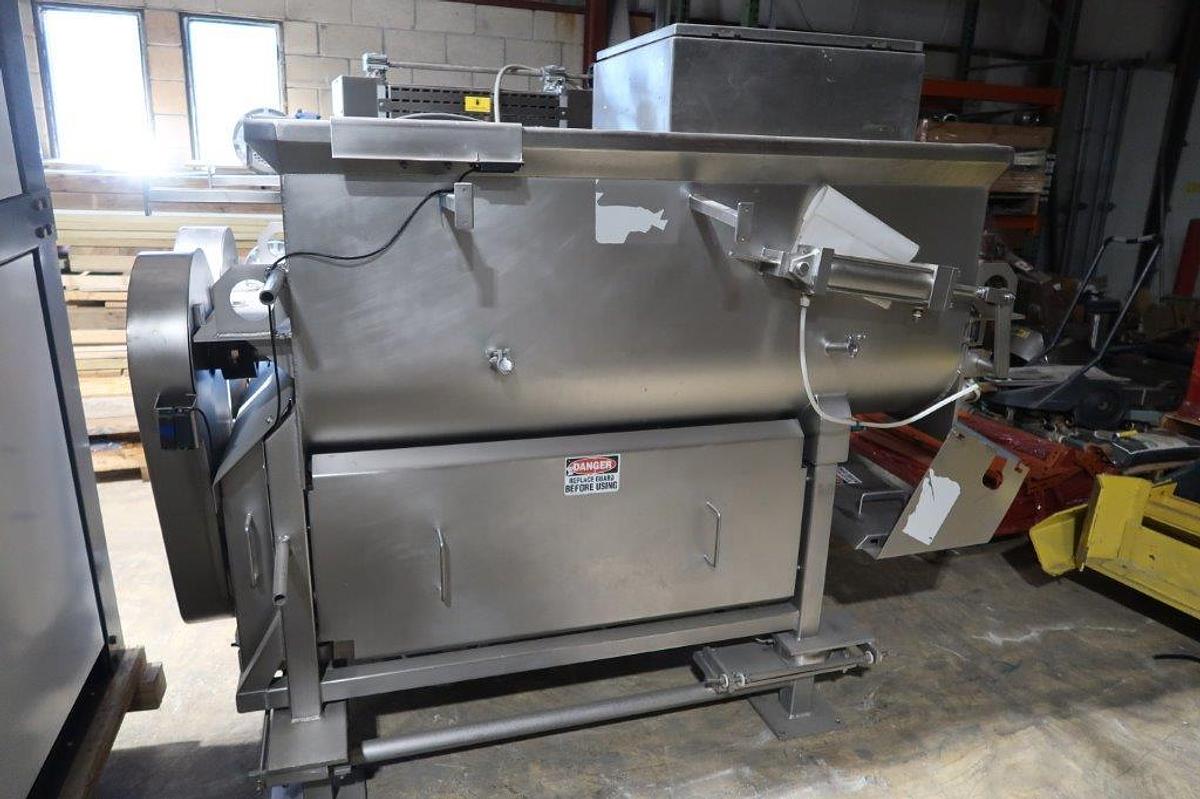
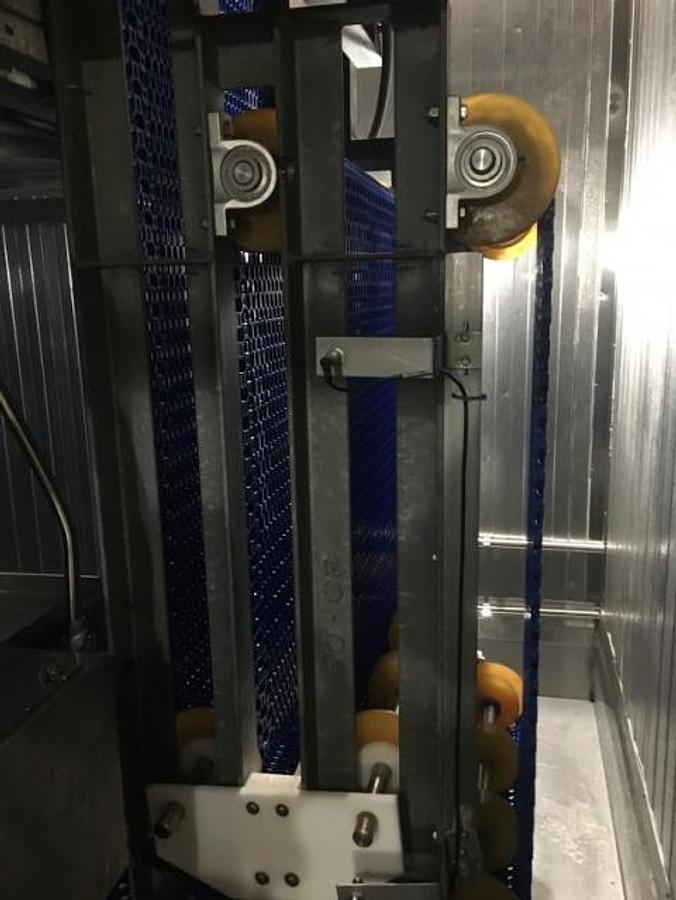
RMF produces industrial food processing and handling equipment, and the units most frequently encountered on the used market include paddle mixers and spiral freezers. The RMF 1,000 lb. paddle mixer is a heavy-duty batch mixing machine used in meat processing and food manufacturing, while RMF spiral freezers are continuous freezing systems designed for high-volume production environments. Both machine types are built for demanding commercial applications and tend to hold up well over years of use, which is part of why they remain in demand as used equipment.
Beyond those two categories, buyers searching for used RMF equipment should be aware that availability shifts constantly depending on what facilities are decommissioning or upgrading their lines. Because these are used machines sourced from actual production environments, the inventory at any given dealer reflects what has recently come off the market rather than a fixed catalog. Buyers with specific capacity or configuration needs are best served by contacting dealers directly to ask about current stock or upcoming acquisitions that may not yet be listed publicly.
What industries use RMF paddle mixers and spiral freezers?
RMF paddle mixers are used primarily in the meat processing industry, where large-batch mixing of ground or chunked proteins, marinades, and seasonings is a core production step. Poultry processors, beef and pork packers, and further-processing facilities that produce items like sausage, burger patties, or marinated cuts rely on this type of equipment. The 1,000 lb. capacity class is common in mid-to-large scale operations where throughput and batch consistency are critical quality factors.
RMF spiral freezers serve a broader range of food manufacturers, including producers of fully cooked entrees, seafood, baked goods, and convenience foods that require individual quick freezing (IQF) or continuous crust freezing before packaging. Spiral freezer technology is preferred in high-volume lines because it delivers a compact footprint relative to the belt length, allowing long freezing dwell times without consuming excessive floor space. Both machine types are also found in contract manufacturing facilities and co-packing operations that handle diverse product runs for multiple clients.
What should buyers inspect when evaluating a used RMF spiral freezer?
A used spiral freezer inspection should cover several mechanical and structural areas. The spiral belt itself is one of the most wear-sensitive components, so buyers should look closely at belt tension, link integrity, and any signs of stretching, cracking, or corrosion. The drum or cage that drives the belt should be checked for smooth rotation without binding. Evaporator coils, fans, and the refrigeration circuit should be assessed for leaks, coil damage, and overall cleanliness, since heavy frost buildup or ammonia or refrigerant residue can indicate deferred maintenance. The insulated enclosure panels should be examined for seal integrity, as compromised panels reduce thermal efficiency and drive up operating costs.
Beyond the mechanical check, buyers should request whatever documentation the seller has, including maintenance logs, prior service records, and any available manuals. Reputable used equipment dealers will typically accommodate in-person inspections or arrange video walkthroughs of the machine. If the freezer is still installed and running at a production facility, an in-person inspection during operation gives the clearest picture of its actual condition. Keep in mind that most dealers are not set up to run production tests on site, so buyers should weigh that limitation when planning their due diligence and factor in the cost of any post-purchase commissioning or reconditioning work.
What should buyers inspect when evaluating a used RMF paddle mixer?
For a used paddle mixer, the inspection should start with the mixing chamber and paddles themselves. Look for wear on the paddle edges and any signs of cracking, pitting, or deformation in the stainless steel surfaces. The shaft seals and bearings are high-wear points that can be costly to replace, so checking for play, noise, or leakage around those areas is important. The drive system, including the gearbox and motor, should be examined for oil leaks, unusual vibration, and proper operation through the full speed range if the machine can be powered up during the inspection.
Control panels and electrical components on older machines may use components that are harder to source, so buyers should document the panel configuration and check with the manufacturer or an electrical contractor about parts availability before committing to a purchase. The discharge door mechanism and any loading hoppers or attachments that come with the machine should also be tested for smooth operation. Asking the seller for photos or video of the machine running under load, or arranging a live video inspection, can provide meaningful additional assurance beyond static photos alone.
Do used RMF machines come with a warranty?
Warranties on used industrial equipment are generally not offered by resellers. Used machinery is typically sold as-is, which means the responsibility for evaluating condition falls squarely on the buyer before the purchase is finalized. Manufacturer warranties, where they existed, were tied to the original purchase and do not transfer through secondary sales. For buyers concerned about post-purchase risk, the practical substitute for a warranty is thorough pre-purchase inspection and selecting a dealer with a verifiable track record in food processing equipment.
Buyers should also contact RMF directly to understand what level of factory support is available for the specific model and age of machine they are considering. Older or discontinued models may have limited parts support from the manufacturer, while more recent models may still have active service programs. Understanding that landscape before buying helps set realistic expectations for long-term maintenance costs and downtime risk. A dealer who specializes in food processing equipment will typically be able to advise on parts availability and connect buyers with qualified service technicians who work on RMF equipment.
How is used RMF equipment typically priced?
Pricing for used RMF equipment varies considerably based on the machine type, age, condition, included accessories, and current market demand. Spiral freezers, being large and mechanically complex systems, generally command higher prices than paddle mixers, and units with newer refrigeration systems or recently serviced components will be priced at a premium over machines sold strictly as-is. Capacity is another major driver: a 1,000 lb. paddle mixer is priced differently than smaller or larger units, and a spiral freezer with a longer belt and higher throughput rating will reflect that in its asking price.
Buyers evaluating used equipment pricing should think in terms of total landed cost rather than just the listed price. Rigging, crating, freight, installation, and any reconditioning or parts replacement needed to bring the machine to production-ready condition all factor into the real cost of acquisition. A lower-priced machine that requires significant refurbishment may end up costing more than a higher-priced unit in better condition. Requesting a detailed condition report and getting shipping cost estimates from the dealer before making an offer gives buyers the information needed to compare options accurately.
Are replacement parts available for used RMF equipment?
Parts availability for RMF equipment depends largely on the age and model of the machine. For relatively recent models, the manufacturer may still stock or supply replacement components directly, and authorized service networks can often source parts through established channels. For older machines, availability becomes less predictable, and buyers may need to rely on third-party fabricators, aftermarket suppliers, or used parts pulled from decommissioned units of the same model. This is a practical reality of owning older industrial equipment across most brands, not something unique to RMF.
Before purchasing a used RMF machine, it is worth contacting the manufacturer with the model and serial number to ask specifically about parts support for that unit. Some components, like belts for spiral freezers or gearbox internals for mixers, may be available through specialty food equipment suppliers even if the manufacturer no longer stocks them. Buyers should also ask the selling dealer whether any spare parts are included with the machine, as sellers sometimes have associated inventory that can be bundled into the deal. Having a stock of critical wear parts on hand at the time of installation reduces the risk of extended downtime if something needs replacement early in operation.
What are the typical shipping and rigging requirements for used RMF equipment?
RMF spiral freezers and paddle mixers are industrial machines with significant size and weight, which means shipping involves more than standard freight. Spiral freezers in particular are large systems that may need to be partially disassembled for transport, and the refrigeration components require careful handling to avoid damage to coils, fans, and insulated panels. Paddle mixers, while more compact, are still heavy units that require proper palletization or crating to prevent movement and impact damage during transit. The level of packaging required will affect shipping costs, and buyers should ask dealers specifically how the machine will be prepared for transport.
Loading and unloading typically require a forklift or crane depending on the machine's size and configuration, and rigging costs are usually separate from freight charges. Buyers should request a full breakdown of packaging, rigging, and shipping costs from the dealer to understand the complete landed cost before finalizing a purchase. For international shipments or cross-country moves, transit times and customs considerations add additional complexity. Some dealers can coordinate logistics end-to-end, while others expect the buyer to arrange their own freight carrier, so clarifying that early in the process avoids surprises.
Can buyers inspect used RMF equipment before purchasing?
Most reputable used equipment dealers accommodate inspections before a sale is finalized. Depending on where the machine is located, this can take the form of an in-person visit, a live video call walkthrough, or a detailed video recording of the equipment. In cases where the machine is still installed and running at a production facility, the dealer may be able to arrange access for the buyer or their representative to observe it under actual operating conditions. That scenario provides the most complete picture of the machine's working condition and is worth pursuing when it is logistically possible.
Buyers who cannot travel for an in-person inspection should ask for the most detailed video documentation available, including close-up footage of wear areas, the control panel, drive components, and any visible damage or repairs. Having a qualified technician or millwright review that footage before committing to a purchase adds an extra layer of due diligence. It is also worth asking the dealer what, if anything, has been done to the machine since it was taken out of service, and whether any components have been replaced or repaired. The goal of any inspection, regardless of format, is to arrive at an accurate and honest assessment of the machine's current condition so there are no surprises after delivery.
What payment terms should buyers expect when purchasing used RMF equipment?
Used equipment dealers generally require full payment before a machine is released for shipping. This is standard practice across the industry and reflects the nature of used equipment transactions, where the seller needs payment confirmed before arranging rigging, crating, and freight logistics. Wire transfer is the most common payment method for larger equipment purchases, though some dealers also accept other forms of cleared funds. Buyers should confirm the accepted payment methods and the exact payment timeline expected before signing any purchase agreement.
Some dealers extend payment terms to repeat customers or buyers with established relationships, but this is not the norm for first-time transactions. Buyers who need financing should explore equipment financing through their own banking relationships or through third-party lenders that specialize in industrial equipment, as many used equipment dealers do not offer in-house financing. Understanding the full payment expectations upfront, including any required deposits to hold a machine while inspections are completed, helps buyers plan their acquisition process without delays.