Category
Manufacturer
Model
Yutong
Yutong is a leading manufacturer known for its production of heavy machinery and equipment, particularly in the construction and transportation sectors. They are famous for their buses and construction vehicles, which are designed with advanced technology to enhance performance and safety. Yutong’s global presence reflects its significant role in the manufacturing of transportation solutions.
FAQ:
What types of Yutong equipment are available on the used market?
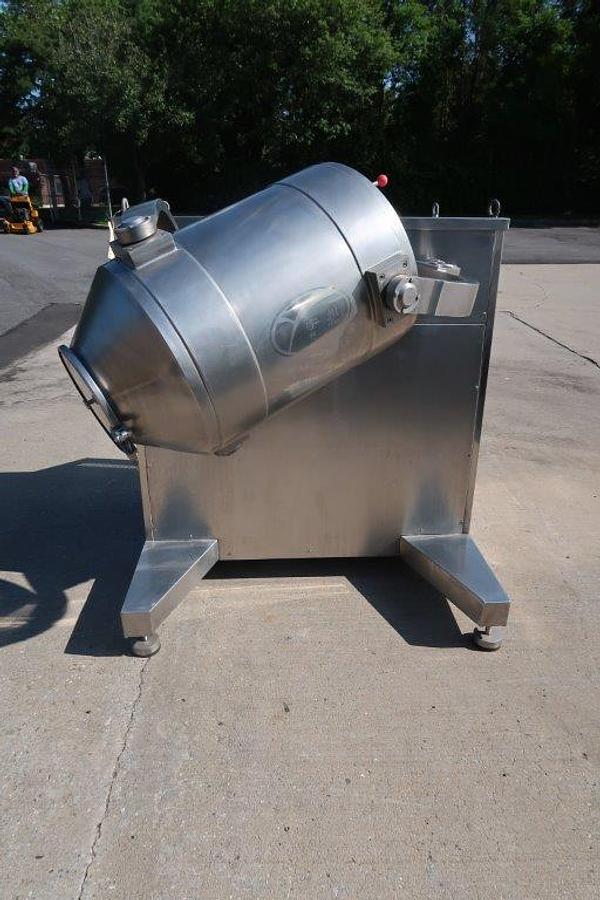
Yutong produces a broad range of heavy machinery and equipment, and used units from the brand span several categories. The company is best known globally for its buses and coaches, which make up a large portion of the used Yutong inventory available through dealers. Beyond transportation, Yutong has a presence in construction vehicles and industrial equipment. Buyers searching the used market may also encounter more specialized industrial machinery, such as mixing and processing equipment. One example that appears in used dealer inventory is the Yutong 200 Liter Stainless Steel Multi-Directional Tumbling Mixer, which speaks to the brand's reach into food processing and pharmaceutical manufacturing applications.
Because Yutong has expanded its product line over the years, the age and configuration of used machines can vary considerably. Buyers should be specific about the model and intended application when searching, since Yutong's equipment catalog covers everything from large passenger transport vehicles to smaller industrial processing units. Reputable used equipment dealers who specialize in the relevant category, whether that is transportation, construction, or industrial processing, are the best starting point for finding the right used Yutong machine.
What should buyers know about purchasing used Yutong equipment versus buying from a manufacturer?
Buying used Yutong equipment is fundamentally different from purchasing directly through a manufacturer or authorized distributor. Used machines are sold as-is, meaning the buyer takes on responsibility for assessing the condition of the equipment before completing the purchase. There are no manufacturer warranties attached to used machinery, so the inspection process becomes the most important step in the transaction. This places a premium on choosing a dealer with a solid track record in the specific type of equipment being purchased, since their expertise and transparency directly affect the buyer's ability to make an informed decision.
On the positive side, used Yutong equipment is typically priced well below comparable machines from Western or Japanese manufacturers, which has made the brand a popular choice in cost-sensitive markets across Asia, Africa, Latin America, and the Middle East. Buyers who are comfortable performing thorough due diligence, including inspections and parts availability checks, can often acquire capable, well-built machinery at a significant discount compared to other brands in the same class. The key is pairing the cost advantage with careful pre-purchase evaluation to avoid unexpected repair costs after acquisition.
How should a buyer inspect used Yutong equipment before purchasing?
Inspection is the single most critical step in any used equipment purchase, and Yutong machines are no exception. Most reputable dealers will accommodate in-person inspections, virtual walkthroughs, or detailed video captures of the machine so the buyer can evaluate its current condition. For equipment that is still in active production at a facility, some dealers can arrange an inspection at the actual plant, where the buyer may be able to see the machine operating in a real production environment. It is worth noting that dealers themselves generally cannot run full production tests, since that requires different permitting and operational setups that a typical equipment dealer does not maintain.
Buyers should focus the inspection on wear components, structural integrity, electrical and mechanical systems, and any signs of prior repairs or modifications. For Yutong buses and construction vehicles, this means checking the drivetrain, frame condition, hours or mileage, and the state of any hydraulic or pneumatic systems. For industrial processing equipment like mixers, the focus shifts to the condition of the drum, seals, drive motor, and control systems. Bringing in an independent third-party inspector with specific expertise in the equipment type is a sound investment, especially for higher-value purchases.
Are spare parts and replacement components readily available for used Yutong equipment?
Parts availability for Yutong equipment varies considerably depending on the machine type, model year, and the buyer's geographic location. Yutong has a significant global export footprint, with equipment sold across Asia, Africa, the Middle East, Latin America, and increasingly in European markets. In regions where Yutong has established distribution networks, sourcing common wear parts and replacement components is generally manageable. However, for older models or less common configurations, parts can be harder to locate, and lead times from overseas suppliers can extend repair timelines significantly.
Before committing to a used Yutong purchase, buyers are strongly advised to contact Yutong's regional distributor or the manufacturer directly to assess the level of parts and technical support available for the specific model in question. The age of the machine matters here, as older or discontinued models may have limited parts support. Consulting with the manufacturer early in the process helps set realistic expectations for long-term ownership costs and maintenance planning. Dealers who specialize in Yutong or related equipment categories may also be able to provide guidance on parts sourcing based on their experience with similar machines.
What is the typical price range for used Yutong equipment?
Pricing for used Yutong equipment spans a wide range depending on the machine type, age, condition, and configuration. Yutong is generally positioned as a cost-effective alternative to established Western and Japanese brands, and that value proposition carries over into the used market. A used Yutong bus or coach can range from tens of thousands of dollars for older, high-mileage units to well over a hundred thousand dollars for newer models in good condition with lower usage. Used construction equipment and industrial processing machinery from Yutong will be priced based on similar factors, with condition and remaining service life being the primary drivers of value.
Buyers should also factor in the full landed cost of the equipment, not just the asking price. Shipping, rigging, crating, and any import duties or taxes can add meaningfully to the total acquisition cost, particularly for buyers located far from the seller. Requesting a detailed breakdown of all associated costs from the dealer before finalizing a purchase is a standard and sensible practice. In some cases, the lower upfront price of a used Yutong machine can still represent excellent value even after accounting for these additional expenses, but the math should be done carefully before committing.
What are the shipping and logistics considerations for used Yutong equipment?
Shipping used Yutong equipment, particularly larger machines like buses, construction vehicles, or industrial processing units, requires careful planning. Machinery must be properly packaged and secured to prevent damage in transit, and the level of palletization or crating required will affect the overall shipping cost. Larger, heavier machines typically require specialized rigging for both loading at the seller's location and unloading at the destination, and those rigging services come with added costs that buyers should account for upfront. Buyers should ask the dealer for a complete breakdown of packaging, rigging, freight, and any other handling charges to get an accurate picture of the total landed cost.
For international shipments, additional considerations include customs clearance, import duties, and compliance with the destination country's regulations for used machinery. Yutong equipment is widely exported globally, so many dealers have experience coordinating international shipments, but buyers should confirm this before proceeding. It is also worth discussing insurance coverage for the shipment, since damage during transit of a used machine can create complicated disputes if coverage is not clearly established beforehand. Getting all logistics details in writing before payment is a standard best practice for any used equipment transaction of this scale.
What payment terms should buyers expect when purchasing used Yutong equipment?
Used equipment dealers typically require full payment before a machine is released for shipping. This is standard practice across the industry and applies to used Yutong equipment as well. For buyers who are new to a particular dealer, payment in full prior to shipment is almost always the expectation. Some dealers may extend payment terms to established repeat customers with a track record of prior transactions, but this is the exception rather than the rule and is generally negotiated on a case-by-case basis.
Buyers should clarify accepted payment methods early in the process, as dealers may have preferences or requirements around wire transfers, letters of credit, or other instruments, particularly for larger transactions or international purchases. It is also worth confirming the timeline between payment and shipment, and whether any documentation, such as a bill of sale or export paperwork, will be provided at the time of payment. Understanding these logistics in advance helps avoid delays and ensures both parties have clear expectations before the transaction is finalized.
How does Yutong equipment compare to other brands in terms of quality and operating costs?
Yutong has built a reputation as a manufacturer that delivers capable, functional equipment at a lower price point than many Western and Japanese competitors. The brand is particularly well regarded in markets where total cost of ownership is a primary concern, and its buses and construction vehicles have logged significant real-world hours across diverse operating environments in Asia, Africa, and Latin America. The quality of Yutong machines is generally considered competitive for the price tier, though buyers accustomed to premium European or North American brands may notice differences in fit, finish, and the availability of advanced features on older models.
Operating costs for used Yutong equipment depend heavily on the machine's age, maintenance history, and the availability of parts in the buyer's region. Yutong has invested in fuel-efficient and electric or hybrid variants in more recent production runs, which can reduce long-term operating costs for buyers who can source those models. For older used units, buyers should budget for potential maintenance and factor in parts lead times, especially if they are located in regions where Yutong's distribution network is less developed. Overall, Yutong equipment tends to offer solid value for buyers who do their homework on condition and parts support before purchasing.
What certifications and safety standards do Yutong machines typically meet?
Yutong designs its equipment to meet the regulatory and safety standards of the markets it serves, which span a wide range of international requirements. For buses and coaches, this has included compliance with European ECE regulations, Chinese GB standards, and various regional certification requirements depending on the export destination. Construction and industrial equipment from Yutong is similarly built to satisfy the standards applicable in its target markets, which may include CE marking for European sales or equivalent certifications in other regions.
For buyers purchasing used Yutong equipment, it is important to verify whether the specific machine meets the safety and compliance requirements of the jurisdiction where it will be operated. Certification status can change over time as regulations evolve, and a machine that was compliant at the time of manufacture may require updates or modifications to meet current local standards. Consulting with local regulatory authorities or a qualified equipment inspector before purchase is a practical step, particularly for equipment that will be used in regulated industries or public-facing applications like passenger transport.
What is Yutong's background as a manufacturer and how long has the company been operating?
Yutong is a Chinese manufacturer with roots in the bus and coach industry, where it has grown into one of the largest producers of passenger vehicles in the world by volume. The company has been in operation for several decades and has built a substantial global presence, exporting equipment to markets across Asia, Africa, the Middle East, Latin America, and Europe. Yutong's scale and longevity in the industry have allowed it to develop a broad product range and invest in manufacturing technology, which is reflected in the performance and reliability of its equipment across various applications.
Beyond buses, Yutong has expanded into construction machinery and industrial equipment, bringing the same focus on cost-effective, functional design to those product categories. The brand's global footprint means that used Yutong equipment turns up in a wide variety of markets, and the company's continued operation as a major manufacturer provides some assurance that parts and technical knowledge will remain accessible for many models. For buyers evaluating a used Yutong machine, the company's established history and ongoing production activity are positive indicators when assessing long-term supportability.