Category
Manufacturer
Model
Yangzhou Media
Yangzhou Media specializes in manufacturing equipment for the printing industry. They are known for their high-speed printing machines, which cater to a variety of printing applications.
FAQ:
What is a semi-automatic aerosol filler and how does it work?
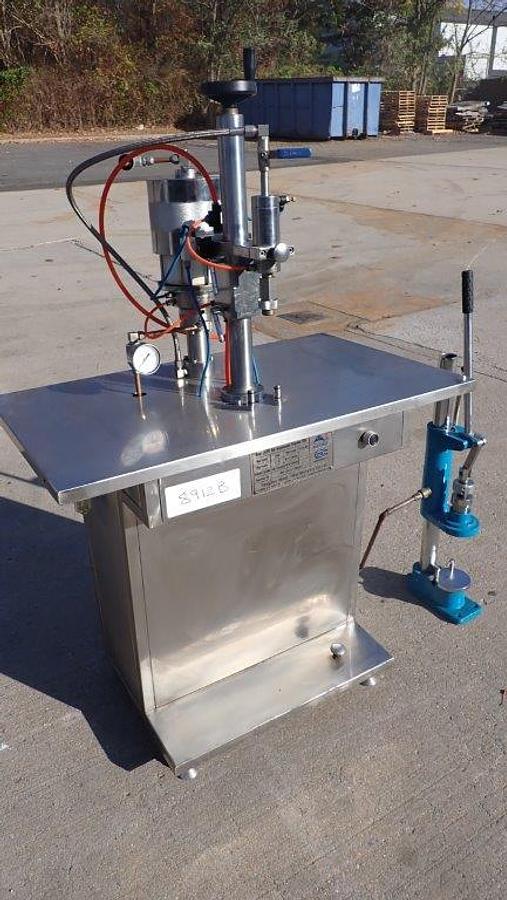
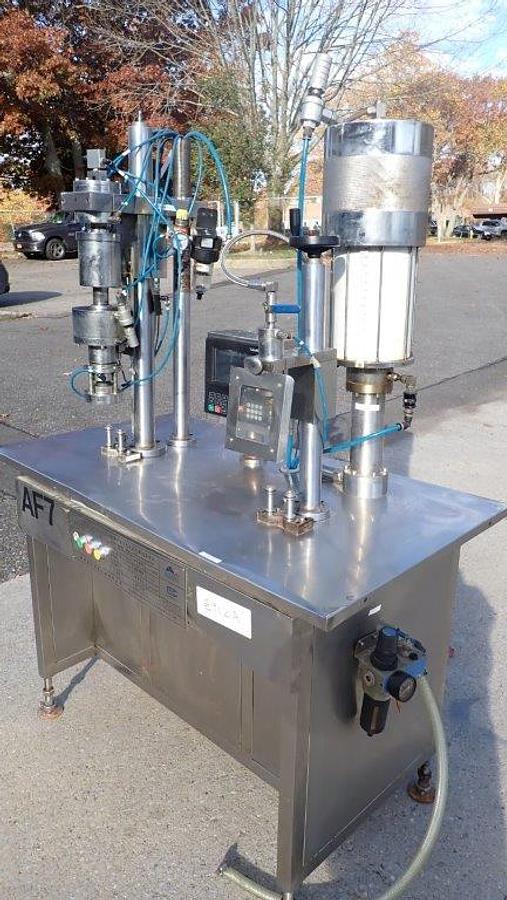
A semi-automatic aerosol filler is a production machine that fills aerosol cans with liquid or gas product and then crimps a valve onto the can to seal it under pressure. The process typically involves an operator placing empty cans onto a filling station, where the machine handles the filling, valve placement, and crimping steps automatically. The operator's role is to load cans, monitor the process, and remove finished units. This type of equipment sits between fully manual hand-filling tools and high-speed fully automatic lines, making it a practical choice for mid-volume production runs.
Semi-automatic aerosol fillers are widely used for products like spray paints, lubricants, personal care aerosols, household cleaners, and industrial coatings. They are popular with contract fillers, smaller manufacturers, and specialty producers who need consistent fill accuracy without the capital cost or floor space demands of a fully automated line. Key machine specifications to evaluate include fill rate (measured in cans per hour), the range of can diameters and heights the machine can handle, and the types of propellants the system is rated to work with. Understanding these specs helps buyers match the machine to their specific production requirements.
What is the typical production rate of a semi-automatic aerosol filling machine?
Production rates for semi-automatic aerosol fillers vary considerably depending on the machine model, the product being filled, and the skill of the operator. Entry-level or older semi-automatic units often run in the range of 200 to 400 cans per hour, while more capable semi-automatic machines are rated at 600 cans per hour or higher. The Yangzhou Media semi-automatic aerosol filler, for example, carries a rated output of 600 cans per hour, which places it toward the higher end of the semi-automatic category and makes it suitable for production environments with meaningful daily volume requirements.
Actual throughput in practice can differ from rated capacity based on factors like can changeover time, product viscosity, operator pace, and any downtime for adjustments. Buyers evaluating a used aerosol filler should ask whether the machine was running at or near its rated speed in its previous application, and if possible, request video documentation of the machine operating to get a realistic sense of its actual cycle time. For operations producing tens of thousands of cans per week, a 600-can-per-hour semi-automatic machine can be a cost-effective solution before the volume justifies a fully automatic line.
Who is Yangzhou Media and what type of equipment do they manufacture?
Yangzhou Media (also referenced as Yangzhou Meida in some documentation) is a Chinese equipment manufacturer with production experience spanning multiple industrial categories, including aerosol filling machinery. The company has produced semi-automatic aerosol filling equipment designed for can-filling operations across industries such as personal care, household products, industrial lubricants, and specialty coatings. Their aerosol fillers have been sold and used in production environments internationally, which is why used units appear on the secondary market through equipment dealers.
When researching a specific Yangzhou Media machine, it is worth contacting the manufacturer directly to understand what support, replacement parts, and technical documentation may still be available for older models. The level of manufacturer support for used equipment can vary based on the age of the machine and whether that particular model is still in active production. This is an important step for any buyer, since parts availability and access to manuals can significantly affect the long-term usability of the equipment after purchase.
What should buyers inspect when purchasing a used aerosol filling machine?
Inspecting a used aerosol filler requires attention to both mechanical condition and safety-related components. Key areas to examine include the crimping head and sealing dies, since worn or damaged tooling directly affects valve integrity and can result in leaking cans. The filling nozzles, pressure regulators, and any product contact surfaces should be checked for wear, corrosion, or residue buildup from previous products. Pneumatic components, including cylinders and solenoid valves, are common wear items and should be tested for proper function. The machine's frame and guarding should also be inspected for damage or missing safety features.
Reputable used equipment dealers will typically accommodate in-person inspections at their facility, or can provide detailed video walkthroughs if travel is not practical. Some machines may still be located at the facility where they were last in production, which can allow a buyer to see the machine running under real conditions. Keep in mind that most dealers are not set up to run actual aerosol product during an inspection, since that requires specific safety permitting and infrastructure. The goal of any inspection is to get an accurate picture of the machine's current mechanical state, so buyers should come prepared with a checklist of critical components and ask specific questions about the machine's service history and any known issues.
What are the advantages of buying used aerosol filling equipment instead of purchasing a new machine?
The most immediate advantage is cost. Used aerosol filling equipment typically sells for a fraction of the price of a comparable machine purchased directly from a manufacturer. For a small contract filler, a startup aerosol brand, or a company adding a secondary line, this cost difference can make the difference between a project being financially viable or not. Used equipment also tends to be available for faster delivery than machines ordered from a manufacturer, since there is no lead time for fabrication. Buyers can often inspect the machine before purchase, which provides a level of transparency about actual condition that a specification sheet for a factory order cannot replicate.
The trade-offs are real and worth understanding clearly. Used machines are sold as-is, without the protections that come with a manufacturer purchase. The buyer takes on responsibility for assessing the machine's condition, sourcing any needed parts, and arranging for installation and commissioning. Selecting a dealer who specializes in aerosol or packaging equipment is important, since they are more likely to have accurate knowledge of the machine's history and can provide better documentation. Buyers should also factor in the cost of any refurbishment, tooling updates, or compliance modifications that may be needed before the machine goes into production.
What industries commonly use aerosol filling equipment?
Aerosol filling equipment is used across a surprisingly wide range of industries. Personal care is one of the largest segments, covering products like hairspray, dry shampoo, deodorant, and shaving foam. Household products represent another major category, including air fresheners, insecticides, and surface cleaners. Industrial and automotive applications include spray lubricants, rust inhibitors, brake cleaners, and paint primers. Food-grade aerosol fillers are used for products like whipped cream and cooking sprays, though these require equipment specifically rated and cleaned for food contact.
The diversity of applications means that used aerosol filling machines come from many different prior production environments, and buyers should understand what product was previously run through the machine. Residual product, propellant compatibility, and any required cleaning or reconfiguration are all practical considerations before running a different product type. For example, a machine previously used for solvent-based industrial coatings may need thorough cleaning and seal inspection before it is suitable for a personal care application. Asking the seller about the machine's production history is a reasonable and important step in the evaluation process.
What propellants are typically used in aerosol filling operations, and does the filling machine need to be compatible with specific propellants?
The most common propellants in aerosol production are liquefied petroleum gases (LPG), specifically blends of propane, butane, and isobutane. Compressed gases like nitrogen, carbon dioxide, and nitrous oxide are used in applications where a flammable propellant is not suitable or where a dry spray is required. Dimethyl ether (DME) is also used in some formulations. Each propellant has different pressure characteristics, flammability ratings, and compatibility requirements with seals, valves, and gaskets inside the filling equipment.
When evaluating a used aerosol filler, buyers should confirm that the machine's seals, pressure-rated components, and safety features are compatible with the propellant they intend to use. A machine previously used with compressed nitrogen may need seal replacement before it is suitable for LPG service, and vice versa. Facilities filling flammable propellants are also subject to specific safety codes and permitting requirements that govern equipment design, electrical classification, and ventilation. Buyers should consult with their local regulatory authority and review the machine's documentation to confirm it meets applicable standards for their intended propellant and production environment.
How is used aerosol filling equipment typically shipped, and what should buyers expect regarding freight costs?
Aerosol filling machines range from compact bench-top units to larger floor-standing systems, and shipping logistics depend heavily on the machine's size and weight. Smaller semi-automatic fillers can often be palletized and shipped via standard LTL (less-than-truckload) freight, while larger or heavier units may require flatbed transport or specialized rigging for loading and unloading. Proper packaging is critical to prevent damage in transit. Dealers will typically crate or heavily brace machines to protect sensitive components like filling heads, pneumatic cylinders, and control panels during shipment.
Buyers should request a complete breakdown of all costs associated with getting the machine to their facility, including packaging, rigging, freight, and any destination charges. These costs can add up meaningfully for larger equipment and should be factored into the total acquisition cost before making a purchase decision. For international shipments, additional considerations include customs clearance, import duties, and compliance with destination country equipment standards. Asking the dealer specific questions about how the machine will be prepared for transit and what the estimated landed cost will be is a practical step that avoids surprises after the purchase is complete.
What payment terms are standard when purchasing used aerosol filling equipment?
Used equipment transactions are generally structured around full payment prior to shipment. This is standard practice across the used machinery industry and reflects the nature of the transaction, where the seller is releasing a physical asset that cannot easily be returned once shipped. For buyers working with a dealer for the first time, full payment upfront before the machine leaves the facility is the norm. Some dealers may offer payment flexibility to established customers with a prior purchase history, but this is the exception rather than the rule.
Common payment methods include wire transfer, which is the most widely accepted method for equipment transactions of significant value. Buyers should confirm accepted payment methods with the dealer early in the process and understand the timeline between payment confirmation and machine release for shipping. For international transactions, currency, banking fees, and transfer timing are additional factors to coordinate. Taking time to verify the dealer's reputation, check references, and conduct a thorough inspection before sending payment is the most effective way to protect the buyer's interests in a used equipment purchase.
What factors affect the price of a used aerosol filling machine?
Several variables influence what a used aerosol filler sells for on the secondary market. Machine age is a significant factor, as older equipment tends to be priced lower, though condition can override age in either direction. Rated production speed matters as well. A machine rated at 600 cans per hour commands a different price point than a slower unit designed for lower-volume applications. Brand and model also play a role, since machines from manufacturers with strong parts availability and technical support tend to hold value better than those where support is harder to access. The overall mechanical condition, completeness of tooling, and availability of documentation like manuals and electrical schematics all affect price.
Market demand for a specific type of aerosol filler at a given point in time also influences pricing. When contract fillers are expanding capacity or when a particular product category is growing, demand for filling equipment tends to increase. Buyers should research comparable machines across the market to develop a sense of fair pricing before entering negotiations. Getting a thorough inspection done before finalizing a price is also practical, since the inspection may reveal needed repairs or missing components that justify a price adjustment. Total cost of ownership, including any refurbishment, spare parts, and installation, should be part of the calculation, not just the purchase price alone.