Category
Manufacturer
Model
Xinyang Silk Road Machinery
Xinyang Silk Road Machinery focuses on manufacturing textile machinery, particularly for silk production. Their advanced machines are designed to enhance the quality and efficiency of silk processing.
FAQ:
What types of machinery does Xinyang Silk Road manufacture?
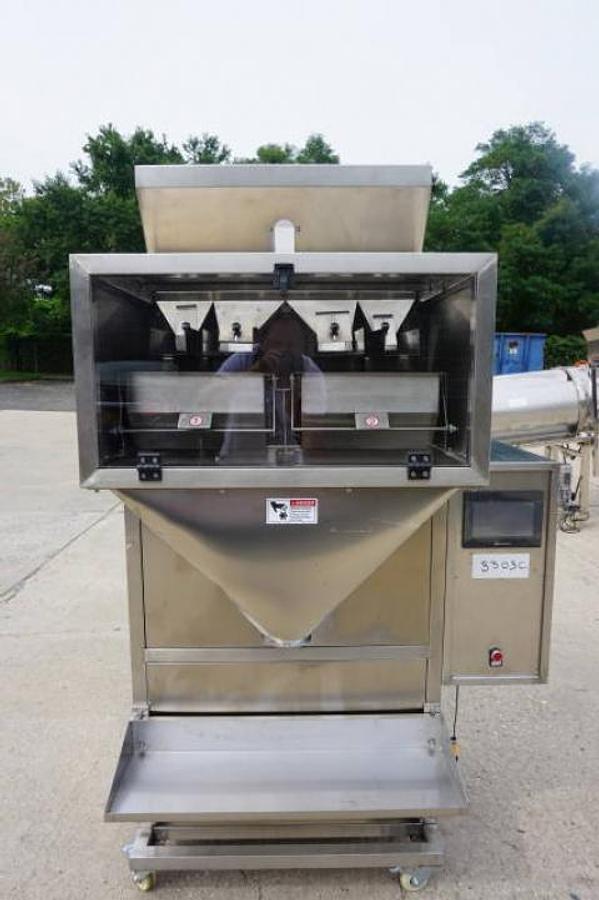
Xinyang Silk Road is a Chinese machinery manufacturer with a primary focus on textile equipment, particularly machines used in silk production and processing. Their product line is designed to improve both the quality and efficiency of silk manufacturing operations, covering various stages of the production process. Beyond textile machinery, the brand has also been associated with food processing and agricultural equipment, including packaging machines such as semi-automatic cheese puff packaging systems.
Buyers researching this manufacturer should be aware that the 'Silk Road' name is used by more than one Chinese company, which can sometimes cause confusion when sourcing equipment. Verifying the specific model, intended application, and seller credentials before purchasing is a practical step that helps avoid mismatches between what is listed and what is actually delivered. When buying used Xinyang Silk Road machinery through a specialized dealer, asking for detailed specifications, photos, and the machine's production history gives a much clearer picture of what to expect.
What should buyers know about purchasing used Xinyang Silk Road machinery?
Used Xinyang Silk Road machines are sold through specialized industrial equipment dealers rather than directly from the manufacturer. Because these are pre-owned machines, they are typically offered on an as-is basis, which places the responsibility of due diligence squarely on the buyer. This makes choosing a reputable dealer with a verifiable track record in textile or industrial machinery especially important. A dealer who specializes in the relevant equipment category will generally have more informed answers about machine condition, compatibility, and sourcing history than a general reseller.
Before committing to a purchase, buyers should request an inspection, either in person or via video, to assess the machine's current working condition. Some machines may still be in active production at a facility, while others will have been decommissioned. Either way, a thorough inspection helps identify wear, missing components, or any modifications made during the machine's service life. Consulting with the original manufacturer about parts availability and technical support for the specific model and age of the machine is also a smart move, since older or discontinued models may have limited support options.
How can buyers inspect used textile machinery before purchasing?
Reputable used machinery dealers typically offer buyers several inspection options: an in-person visit to the dealer's facility or the plant where the machine is currently located, a live video walkthrough conducted remotely, or a detailed video recording of the machine that the buyer can review at their own pace. The goal of any inspection is to get an accurate, honest depiction of the machine's current working order, including visible wear, the condition of key components, and any operational quirks that might affect production.
It is worth keeping in mind that most equipment dealers are not licensed production facilities, so they generally cannot run the machine through a full production cycle to test actual output quality. What they can do is power the machine on, demonstrate mechanical movement, and walk through controls and settings. For machines still located at an active production plant, the buyer may be able to arrange a more thorough demonstration through the dealer. Buyers should come to any inspection with a checklist of the specific functions that matter most to their operation, and should not hesitate to ask pointed questions about anything that looks worn or unclear.
Are used Xinyang Silk Road machines suitable for small-scale operations or only large facilities?
The suitability of a used Xinyang Silk Road machine depends heavily on the specific model, its rated capacity, and the buyer's production requirements. Xinyang Silk Road has produced equipment across a range of scales, from semi-automatic machines suited to smaller operations to higher-capacity units designed for industrial-volume output. A semi-automatic packaging machine, for example, can be a practical fit for a small or mid-sized food processing business that does not yet need a fully automated line.
When evaluating a used machine for a smaller operation, buyers should pay close attention to the machine's rated throughput, power requirements, and physical footprint. A machine that was originally configured for high-volume continuous production in a large factory may require more maintenance attention and running costs than a smaller business can efficiently absorb. Discussing the machine's original production context with the dealer, and comparing that against your own output targets, is the most reliable way to judge fit before purchasing.
What is the typical price range for used industrial textile machinery?
Pricing for used industrial textile and silk processing machinery varies widely based on the machine type, age, condition, complexity, and the current market for that category of equipment. Entry-level or semi-automatic machines in good working condition can sell for a few thousand dollars, while larger, more complex systems with multiple processing stages can reach tens of thousands or more. Chinese-manufactured machinery, including equipment from brands like Xinyang Silk Road, has historically been priced competitively compared to equivalent Western-made machines, which is part of the appeal for cost-conscious buyers in developing markets.
For used equipment specifically, condition is the single biggest driver of price variation. A well-maintained machine with low hours and available documentation will command a higher price than a comparable unit that has been heavily used or has missing components. Buyers should also factor in shipping, rigging, and any refurbishment costs when comparing prices across dealers, since the purchase price alone rarely reflects the full landed cost of getting the machine operational at a buyer's facility.
What warranty or guarantee can buyers expect when purchasing used machinery?
Used machinery is almost universally sold on an as-is basis by equipment dealers. Warranties in the traditional sense are a feature of purchases made directly from manufacturers for brand-new equipment, and they do not typically carry over to the secondary market. This means the buyer assumes responsibility for the machine's condition after the sale is complete, which is precisely why thorough pre-purchase inspection matters so much.
To manage risk in the absence of a formal warranty, buyers should focus on selecting dealers with a long, verifiable history of selling machinery in the relevant industry. A dealer who specializes in textile or food processing equipment will generally have more accountability and expertise than a generalist. Buyers should also contact the manufacturer directly to understand what level of technical support, parts availability, and documentation can be expected for the specific model and production year of the machine they are considering, since this varies considerably by age and model.
Are spare parts readily available for Xinyang Silk Road machinery?
Parts availability for Xinyang Silk Road equipment depends on the machine's age, model, and how widely that particular line was distributed. For machines that were produced in significant volumes and are relatively recent, parts are more likely to be available either through the manufacturer directly or through third-party suppliers who stock components for Chinese-made textile equipment. For older or less common models, sourcing specific components can require more effort, and lead times from China can add weeks to any repair timeline.
Buyers considering a used Xinyang Silk Road machine are strongly advised to contact the manufacturer before finalizing a purchase to ask specifically about parts availability for that model. It is also worth asking the dealer whether any spare parts are included with the machine, as sellers sometimes bundle consumables or wear parts with the sale. Having clarity on parts sourcing before the machine is in your facility prevents unpleasant surprises if something needs replacing shortly after installation.
How does shipping and freight work for used industrial machinery purchases?
Shipping used industrial machinery is significantly more involved than standard freight. Machines must be carefully packaged, palletized, or crated to prevent damage in transit, and the level of packaging required directly affects the cost. Heavier or more complex machines often need professional rigging for loading and unloading, which adds to the overall expense. Buyers should ask dealers for a detailed breakdown of packaging, rigging, and shipping costs before committing to a purchase, so they have a clear picture of the full landed cost rather than just the machine's listed price.
For international shipments, export documentation is another layer to plan for. This typically includes a commercial invoice, packing list, bill of lading, and potentially certificates of origin or other customs documents depending on the destination country. Import duties and customs clearance fees at the destination are the buyer's responsibility and should be researched in advance. Working with a freight forwarder who has experience handling industrial equipment can simplify the logistics considerably and reduce the risk of delays or damage during transit.
What payment terms do used machinery dealers typically require?
The standard practice among used equipment dealers is to require full payment before a machine is shipped. This applies to most transactions, particularly for buyers who are purchasing from a dealer for the first time. The reasoning is straightforward: once a machine leaves the dealer's facility, the seller has limited recourse if payment issues arise. Some dealers may offer extended terms or installment arrangements to established customers with a history of repeat purchases, but this is the exception rather than the rule.
Buyers should clarify payment expectations early in the negotiation process, including which payment methods are accepted and whether any deposit is required to hold a machine while inspections or logistics are arranged. For international transactions, wire transfers are common, though some buyers prefer to use platforms with built-in trade assurance programs that provide an additional layer of protection. Understanding the full payment timeline, including when funds need to clear before shipping is scheduled, helps both parties avoid delays.
How should buyers evaluate the credibility of a used machinery dealer before purchasing?
Evaluating a dealer's credibility starts with looking at how long they have been operating and whether they specialize in the type of machinery you need. A dealer with a long track record in textile or food processing equipment is far more likely to provide accurate condition assessments, honest descriptions, and useful post-sale guidance than a generalist reseller who handles everything from woodworking tools to packaging lines. Checking for verifiable business history, customer references, and industry affiliations gives a more grounded sense of reliability than marketing claims alone.
Beyond longevity and specialization, buyers should pay attention to how a dealer responds to questions. A credible dealer will be upfront about a machine's condition, including any known issues, and will readily accommodate inspection requests rather than deflecting them. They should be able to provide documentation such as machine specifications, photos from multiple angles, and details about the machine's history and prior use. Dealers who are vague about these details or who discourage inspections are a signal to proceed with caution.